Brzeźnica
Brzeźnica Castle is a historic hill castle located in Brzeźnica, Poland, with origins traced back to the reign of King Casimir III the Great in the 14th century. It is mentioned in the "Kronika katedralna krakowska" by Jan z Czarnkowa, highlighting its foundation as a royal initiative. The castle's construction likely began towards the end of Casimir's reign, but it appears the project was never fully completed, possibly due to the monarch's death or changing priorities.
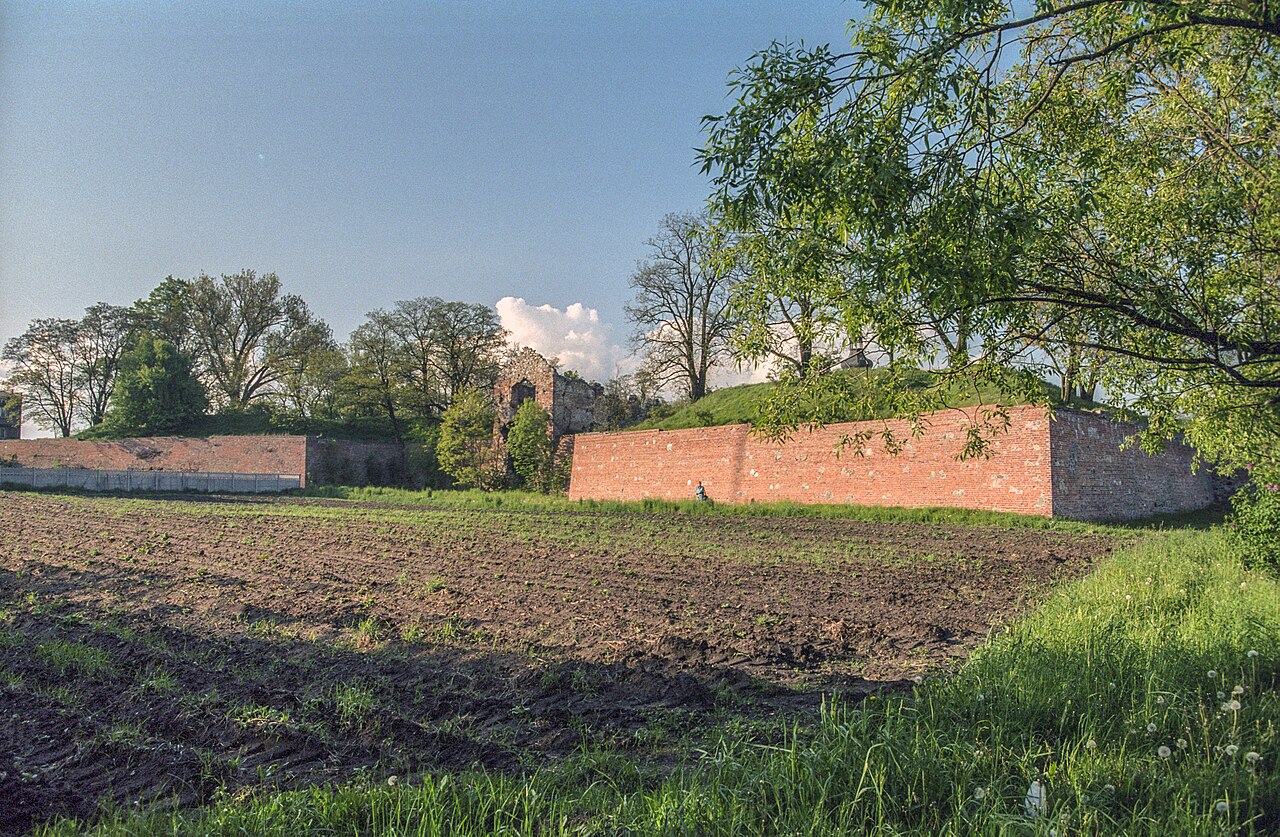
The castle was built on an artificially formed mound surrounded by water, a typical defensive feature of medieval hill castles. Archaeological evidence suggests that only a stone castle house or its foundations and part of the perimeter walls were erected. The remainder of the site was likely left unfinished, which is why the castle never reached the grandeur typical of fully developed fortifications of the period.
Historical context and construction
The castle's initial construction phase dates back to the 14th century, during the early medieval period, although the existing metadata lists it as Renaissance; this is because the site was still in use and referenced in later centuries. The castle is an example of a royal fortification project initiated by Casimir the Great, who was known for establishing numerous castles to strengthen the kingdom's defenses.
Despite the ambitious plans, the castle was never fully realized. Historical documents from the 16th century indicate that the site was occupied by a wooden manor rather than a stone fortress. This suggests that subsequent administrators, such as the starosts, constructed and used wooden buildings on the mound, possibly due to economic or strategic reasons.
Architectural features and layout
The castle was strategically positioned on a hillock surrounded by a moat, enhancing its defensive capabilities. The remnants of the stone foundation and perimeter walls indicate a compact layout typical of hill castles designed for both defense and residence.
The surviving walls and foundations reveal the intent to build a fortified residence with thick masonry walls, but the lack of extensive stone structures suggests the project was abandoned early. The wooden manor that replaced the stone structures in later centuries would have been simpler and less defensible but more practical for the administrative functions of the starosts.
Later history and archaeological significance
Later historical records, including lustrations from subsequent centuries, mention the castle site but only describe wooden buildings rather than stone fortifications. This points to a gradual decline in the castle's military importance and a shift toward administrative and residential use.
Unfortunately, no extensive archaeological excavations have been conducted at Brzeźnica Castle, limiting our understanding of its full historical and architectural development. The lack of comprehensive research means many aspects of the castle's history remain speculative.
Preservation and current condition
Today, Brzeźnica Castle exists primarily as an archaeological site with visible remnants of its foundation and moat. The site is of considerable historical interest due to its royal origins and the insight it provides into medieval fortification strategies in Poland.
Visitors to the site can observe the artificial mound and surrounding water defenses, which exemplify typical medieval defensive architecture. The castle's partial remains serve as a testament to the challenges of medieval construction and the shifting political landscape of the region.
Significance in Polish medieval heritage
Brzeźnica Castle represents an important chapter in Poland's medieval history, illustrating the efforts of King Casimir III the Great to fortify his realm through castle-building. Although the castle was never completed as a stone fortress, its foundations and subsequent wooden structures reflect the evolving nature of medieval castles from purely military installations to administrative centers.
The castle's story highlights the complexities of medieval construction projects, the impact of political changes on architectural endeavors, and the adaptation of fortifications over time. It remains a valuable site for historians and archaeologists interested in the development of Polish castles and medieval defensive architecture.
Frequently asked questions (FAQ)
- When was Brzeźnica Castle originally built?
- Brzeźnica Castle was originally founded in the 14th century during the reign of King Casimir III the Great, although construction was likely never fully completed.
- What remains of Brzeźnica Castle can visitors see today?
- Today, visitors can see the artificial mound, remnants of stone foundations, parts of the perimeter walls, and the surrounding moat, which illustrate the castle's original defensive design.
- Why was Brzeźnica Castle never fully completed?
- The castle's construction likely halted due to the death of King Casimir III the Great and changing political or economic priorities, resulting in only partial stone structures and later wooden buildings on the site.
- Is there ongoing archaeological research at Brzeźnica Castle?
- Currently, no extensive archaeological excavations have been conducted at Brzeźnica Castle, limiting detailed knowledge about its full history and structure.
- What type of castle is Brzeźnica?
- Brzeźnica Castle is classified as a hill castle, built on an artificially formed mound surrounded by water for defensive purposes.
Information
Loading map...
Visitor reviews
No reviews yet. Been here? Write the first review and help other travelers!
Write the first reviewVisited this castle? Share your experience
Your review helps other travelers and adds first-hand knowledge to our encyclopedia.