Boyen Fortress
Boyen Fortress (German: Feste Boyen, Polish: Twierdza Boyen) is a significant bastioned fortress constructed between 1843 and 1855 in the town of Giżycko in northeastern Poland. Strategically located on a narrow isthmus between the Kisajno and Niegocin lakes in the Masurian Lake District, the fortress was designed to control this vital passage and protect the region from enemy advances. Its construction was ordered by King Frederick Wilhelm IV in early April 1843, marking a key development in Prussian military fortifications during the Modern period.
Design and construction
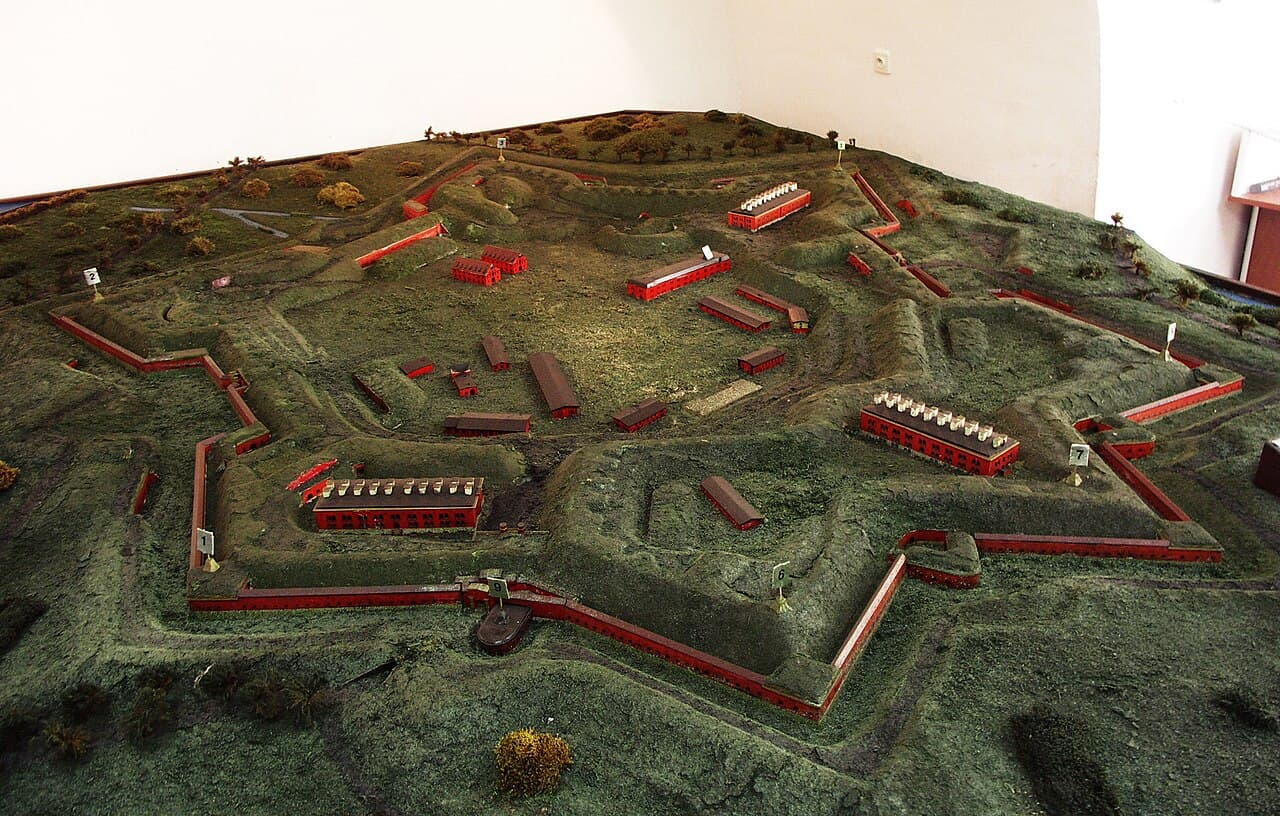
The fortress was planned as a hexagonal earth-and-brick fortification surrounded by a continuous 2303-meter long defensive wall. It featured six bastions named after General von Boyen — Hermann, Ludwig, Leopold — and symbolic names from his coat of arms — Schwert (Sword), Recht (Law), and Licht (Light). These bastions provided overlapping fields of fire, a hallmark of bastioned fortress design aimed at maximizing defensive capabilities.
Access to the fortress was carefully controlled via four roads connecting it to the mainland, enhancing its defensibility. The foundation stone was laid on 4 September 1844, officially commencing construction. The fortress was designed to house a garrison of approximately 3,000 soldiers, reflecting its importance as a military stronghold.
Historical military role
From its completion, the Giżycko Garrison was established in 1859 to man the fortress. By 1889, Giżycko had become the Commander’s Post, and in 1902, the fortress housed an artillery arsenal, underscoring its evolving military significance.
During the outbreak of World War I, the fortress played a crucial defensive role against the advancing Russian army. The natural terrain, combined with the fortress's battlements and fortifications, helped to delay Russian forces entering Eastern Prussia. The fortress was a key site for military mobilization in the Mazuria region. After mobilization, a force of about 4,000 soldiers under Colonel Busse remained to defend the fortress, conducting raids and successfully repelling a Russian offensive in August 1914.
Following World War I, the fortress's military role diminished and it was repurposed to include a hospital within its walls. However, on the eve of World War II, Boyen Fortress was again a strategic assembly point for the German Army. It served as a base for troops participating in the invasion of Poland from East Prussia. During the war, it was also used as a training center for soldiers from General Vlasov’s army, who had defected to the German side.
In January 1945, as Soviet forces advanced, the fortress was abandoned without a fight. Subsequently, the Polish Army took control and used the site to a limited extent after the war.
Post-war changes and preservation
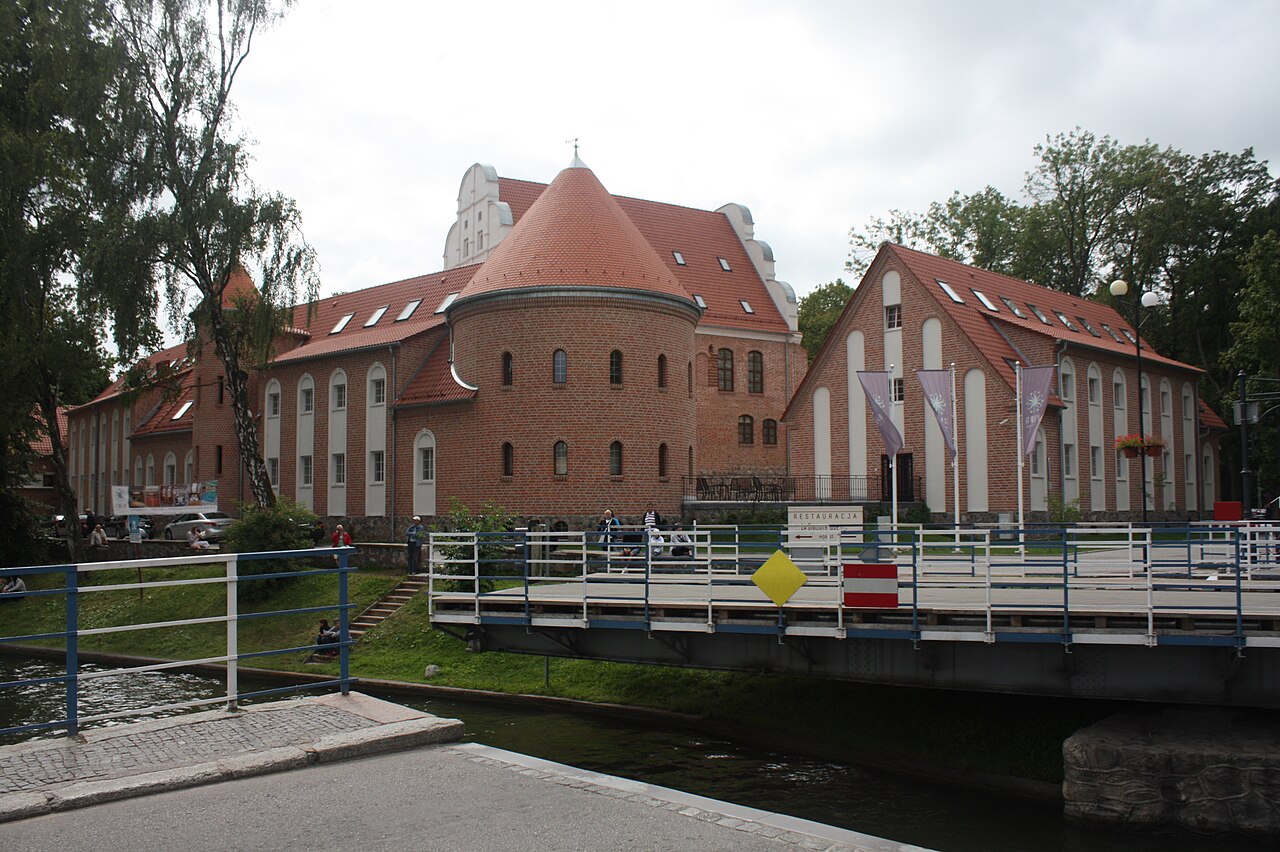
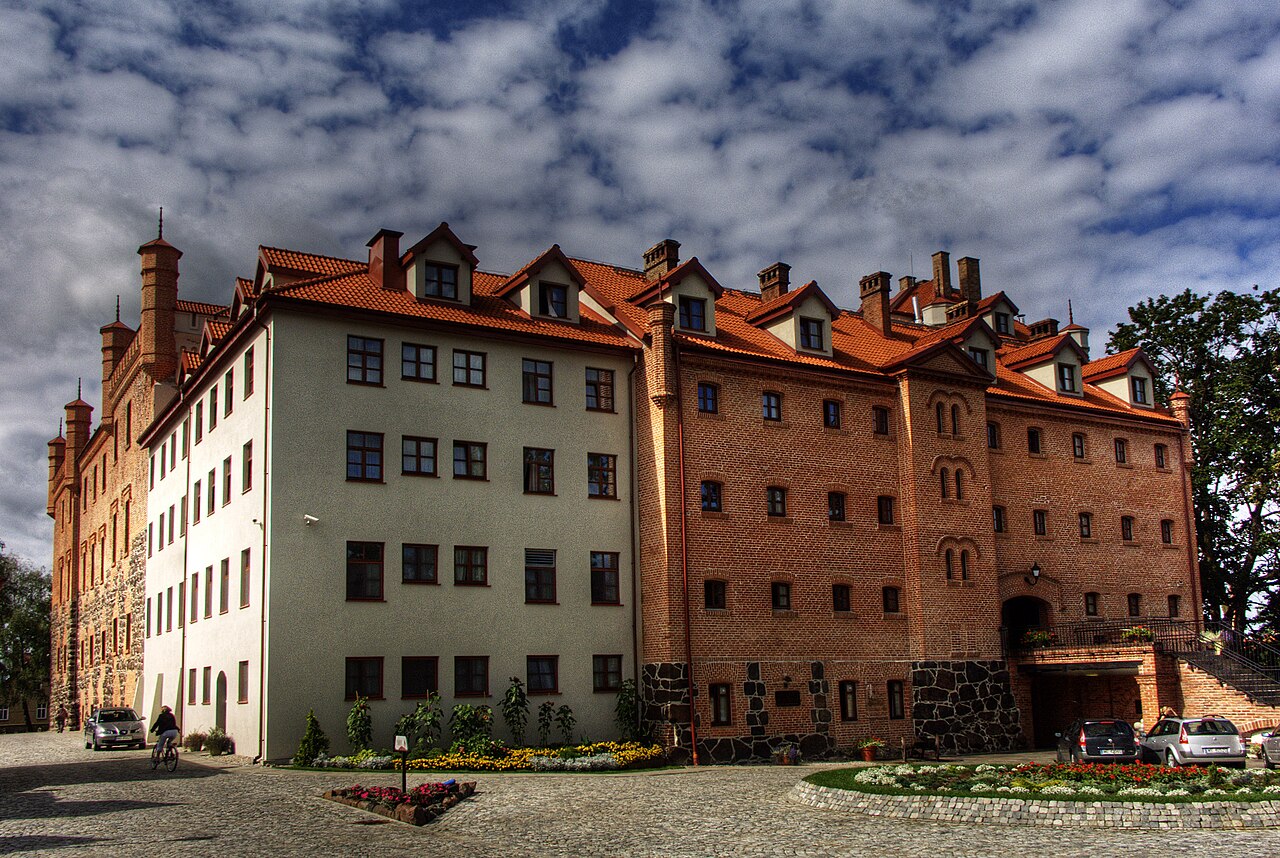
In the 1950s, the fortress underwent significant transformation when it was repurposed for industrial use, housing several food companies. This led to substantial alterations and damage to the original fortifications, including the construction of new buildings that contrasted sharply with the fortress’s original bastioned architecture.
These industrial uses continued until the early 1990s, after which the fortress was largely abandoned by commercial enterprises. Since then, Boyen Fortress has been preserved as a historical monument and has become a popular tourist destination in the Warmian-Masurian region.
Architectural features
The fortress exemplifies bastioned fortress design typical of the 19th century, integrating both earthworks and brick structures. Its hexagonal layout with six bastions allowed for comprehensive defensive coverage and crossfire. The walls and ramparts were designed to absorb artillery fire and provide strong defensive positions for infantry and artillery units.
The fortress’s location on an isthmus between two lakes added a natural defensive advantage, limiting enemy approach routes and enabling control over the waterways. The combination of man-made fortifications and natural landscape made Boyen Fortress a formidable military installation in its time.
Current status and visitor information
Today, Boyen Fortress is well preserved in parts and partially restored in others, offering visitors a glimpse into 19th and early 20th-century military architecture and history. The site includes surviving bastions, walls, and some of the original internal structures, though some areas reflect the industrial modifications of the mid-20th century.
The fortress is open to tourists and serves as a cultural heritage site, hosting exhibitions and events related to its military past. Its scenic location between the Kisajno and Niegocin lakes also makes it a popular spot for outdoor activities and historical tours.
Frequently asked questions (FAQ)
- How do I get to Boyen Fortress in Giżycko?
- Boyen Fortress is located in the western part of Giżycko, accessible by local roads and public transport. The fortress sits on an isthmus between Kisajno and Niegocin lakes, making it easy to reach by car or bicycle from the town center.
- What is the historical significance of Boyen Fortress?
- Boyen Fortress was a key Prussian military stronghold built in the mid-19th century to control the passage between two lakes. It played important roles in World War I and World War II, defending against Russian advances and serving as a German military base.
- Can I visit the interior of Boyen Fortress?
- Yes, visitors can explore parts of the fortress including its bastions, walls, and internal structures. Some areas have been restored and are open for guided tours, exhibitions, and educational programs.
- When is the best time to visit Boyen Fortress?
- The fortress is best visited during the warmer months from late spring to early autumn when the weather is suitable for walking tours and outdoor exploration around the lakes.
- Are there any facilities or events at Boyen Fortress?
- The fortress hosts historical exhibitions and occasional cultural events. Facilities include visitor information points and walking paths, enhancing the experience of exploring this historic military site.
Photo gallery

Information
Sources & official resources
Verify the information above using these authoritative references.
Loading map...
Visitor reviews
No reviews yet. Been here? Write the first review and help other travelers!
Write the first reviewVisited this castle? Share your experience
Your review helps other travelers and adds first-hand knowledge to our encyclopedia.