Bottmingen Castle
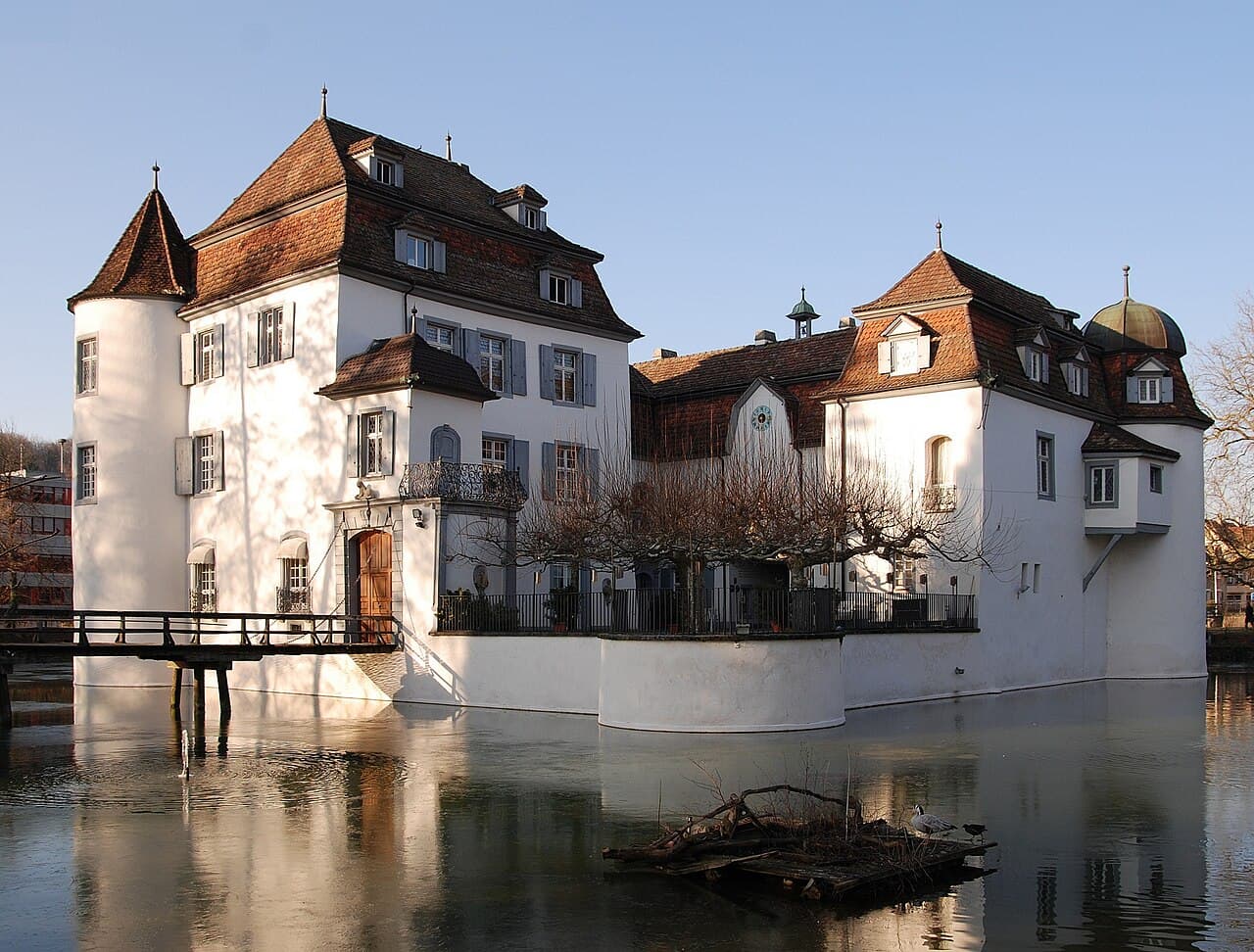
Bottmingen Castle, located in the village of Bottmingen, Switzerland, stands as a remarkable example of a late-medieval water castle that has retained much of its historic character despite centuries of transformation. Dating back to the 14th century, this castle is uniquely situated on an island within a square pond, accessible by two bridges, and originally featuring a single drawbridge that emphasized its defensive role. Its strategic design and picturesque setting have made it a highlight for romantics and historians alike, embodying a blend of medieval fortification and elegant early Baroque residential architecture.
The castle was likely constructed around 1363 by the noble von Kämmerer family, aristocratic servants to the Bishops of Basel, who held the estate as part of their episcopal privileges. This origin ties the castle closely to the religious and feudal power structures of medieval Switzerland. Over time, the castle evolved from a fortified residence into a refined country manor, reflecting broader architectural and cultural shifts in Europe.
Historical evolution and ownership
The earliest documented mention of Bottmingen Castle dates to 1363, confirming its association with the Kämmerer family. By 1519, ownership passed to the village of Bottmingen, which, despite selling the property to private owners, retained the right to station a garrison within the castle. This arrangement underscores the castle's continued strategic importance during the early modern period.
Throughout the following centuries, the castle changed hands multiple times, mirroring the fluid political and social landscape of the region. The most transformative period came in 1720, when Johannes Deucher undertook a significant remodeling that converted the medieval fortress into an elegant early Baroque country manor influenced by French architectural styles. This renovation preserved the castle's medieval form while introducing refined stylistic elements, particularly visible in the facade and stair tower.
Further interior enhancements were made around 1780 by Martin Wenk, who added exquisite Rococo-style stucco decorations to the Stone Hall and reconfigured parts of the structure. Notably, the southeast corner of the castle was lowered to courtyard level, creating an open courtyard and garden terrace that softened the castle's defensive appearance and enhanced its residential comfort.
Since 1955, the castle has been owned by the canton and is recognized as a cultural property of national significance. Today, it serves as a venue for weddings, banquets, and other festive occasions, successfully balancing its historical heritage with contemporary use.
Architectural features and layout
Bottmingen Castle exemplifies the Burgundian-Savoyard architectural style, characterized by its rectangular layout and surrounding moat. The castle is built on an island within a square pond, emphasizing its identity as a water castle. Access is granted by two bridges, though originally only one drawbridge provided entry, highlighting its medieval defensive design.
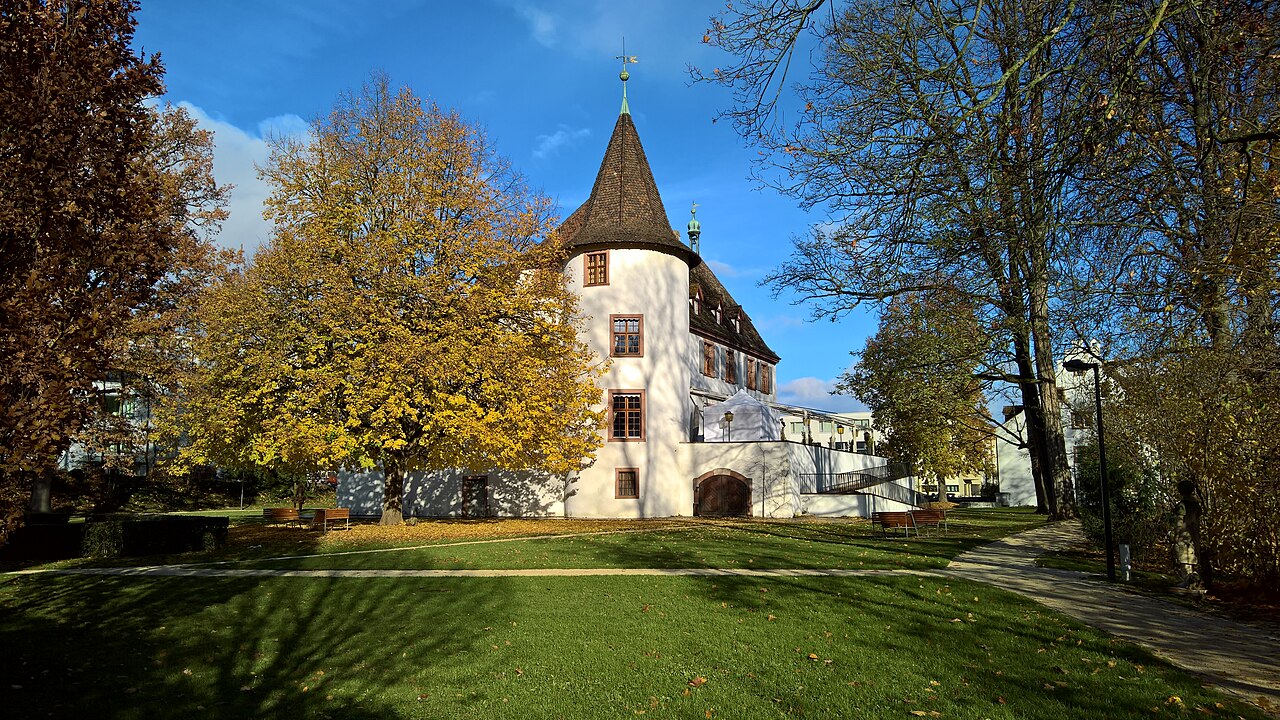
The castle features massive round towers at each corner, except for the southeast tower, which was removed during the 18th-century renovations to accommodate the garden terrace. The main residential wing rises to three stories, while the other wings are two stories high, creating a balanced and imposing silhouette.
The exterior retains many early Baroque elements introduced during the 1720 remodeling, including detailed facade work and the distinctive stair tower. Inside, the Stone Hall showcases elegant Rococo stucco work, a testament to the 18th-century interior enhancements that brought a refined decorative touch to the castle’s medieval bones.
The drawbridge mechanism remains intact, allowing the last span to be raised as it was historically, preserving a tangible link to the castle’s defensive past. The lowering of the southeast corner to courtyard level was a significant alteration that transformed part of the fortress into a more open, garden-centered residence.
Cultural significance and current use
Bottmingen Castle holds a prominent place in Swiss cultural heritage as one of the few intact medieval castles with continuous use and preservation. Its combination of medieval fortification and early Baroque refinement offers valuable insight into the architectural and social transitions from the Middle Ages to the early modern era.
Today, the castle is cherished not only for its historical and architectural value but also as a vibrant venue for social events. Its well-preserved state and picturesque setting make it a popular location for weddings, banquets, and cultural gatherings, allowing visitors to experience the grandeur of a historic Swiss castle while enjoying modern amenities.
Location and surroundings
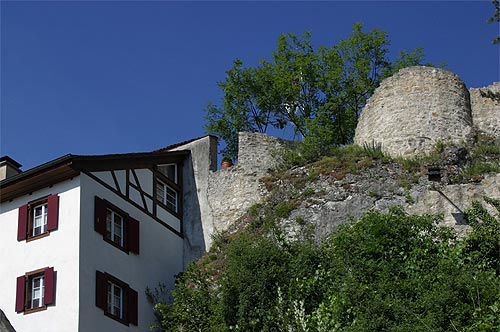
Situated at Schlossgasse 9 in Bottmingen, the castle is centrally located within the village, surrounded by a tranquil water moat that enhances its romantic appeal. The region around Bottmingen is rich in medieval history, with nearby castles such as Aesch Castle, Angenstein Castle, and the ruins of Pfeffingen Castle providing a broader context of feudal power and architectural styles in the Basel region.
Preservation and architectural integrity
Bottmingen Castle is considered well preserved, with minimal structural changes since the 18th century. The castle’s careful maintenance has ensured that both its medieval defensive features and later stylistic enhancements remain visible and appreciated. The perimeter walls have undergone some adjustments, and parts have been demolished over time, but the core structure and key architectural elements survive intact.
The castle’s blend of medieval defensive architecture and early Baroque residential design makes it a unique study in architectural evolution. Its preservation allows scholars and visitors alike to trace the transformation of castle architecture from fortress to manor house within a single site.
Architectural details and features
Defensive elements
The castle’s original design emphasized defense, with its moat, drawbridge, and round corner towers. These features were typical of late-medieval fortifications designed to withstand sieges and attacks. The moat served as a physical barrier, while the drawbridge could be raised to prevent entry. The round towers provided vantage points for surveillance and defense.
Residential and decorative features
The 18th-century renovations brought a shift from military utility to residential comfort and aesthetic appeal. The early Baroque style introduced by Johannes Deucher included elegant facade details and a prominent stair tower. The Rococo stucco decorations added by Martin Wenk in the Stone Hall enhanced the interior’s decorative richness, reflecting contemporary tastes for ornate and delicate design.
Garden and courtyard
The removal of the southeast tower and lowering of that corner of the castle created an open courtyard and garden terrace. This transformation softened the castle’s imposing fortress appearance and introduced landscaped outdoor space, aligning with the Baroque emphasis on harmony between architecture and nature.
Visiting bottmingen castle
Visitors to Bottmingen Castle can appreciate both its historical significance and its architectural beauty. The castle is often used for private events, so public access may be limited at times. However, its exterior and surrounding moat can be viewed year-round, offering picturesque photo opportunities and a glimpse into Swiss medieval heritage.
The castle’s location within the village makes it easily accessible, and its proximity to other historic sites in the Basel region provides opportunities for extended cultural tours. Visitors interested in castle architecture and Swiss history will find Bottmingen Castle a compelling destination.
Frequently asked questions
- When was Bottmingen Castle built? Bottmingen Castle was likely constructed around 1363 by the von Kämmerer family, serving as a fortified residence in medieval Switzerland.
- What architectural styles are present in Bottmingen Castle? The castle combines late-medieval defensive architecture with early Baroque and Rococo decorative elements introduced during 18th-century renovations.
- Can visitors tour the interior of Bottmingen Castle? Public access to the interior is limited as the castle is primarily used for private events, but the exterior and moat are accessible for viewing year-round.
- Is Bottmingen Castle open to the public? The castle grounds can be visited year-round, though interior access depends on event scheduling. It is recommended to check ahead for visiting opportunities.
- What makes Bottmingen Castle unique? Its well-preserved combination of medieval fortification and early Baroque residential features, along with its picturesque water moat setting, make it a standout example of Swiss castle architecture.
- Where is Bottmingen Castle located? The castle is located at Schlossgasse 9 in the village of Bottmingen, Switzerland, near other historic castles like Aesch and Angenstein.
Frequently asked questions (FAQ)
- When was Bottmingen Castle built?
- Bottmingen Castle was likely constructed around 1363 by the von Kämmerer family, serving as a fortified residence in medieval Switzerland.
- What architectural styles are present in Bottmingen Castle?
- The castle combines late-medieval defensive architecture with early Baroque and Rococo decorative elements introduced during 18th-century renovations.
- Can visitors tour the interior of Bottmingen Castle?
- Public access to the interior is limited as the castle is primarily used for private events, but the exterior and moat are accessible for viewing year-round.
- Is Bottmingen Castle open to the public?
- The castle grounds can be visited year-round, though interior access depends on event scheduling. It is recommended to check ahead for visiting opportunities.
- What makes Bottmingen Castle unique?
- Its well-preserved combination of medieval fortification and early Baroque residential features, along with its picturesque water moat setting, make it a standout example of Swiss castle architecture.
- Where is Bottmingen Castle located?
- The castle is located at Schlossgasse 9 in the village of Bottmingen, Switzerland, near other historic castles like Aesch and Angenstein.
Photo gallery

Information
Sources & official resources
Verify the information above using these authoritative references.
Loading map...
Visitor reviews
No reviews yet. Been here? Write the first review and help other travelers!
Write the first reviewVisited this castle? Share your experience
Your review helps other travelers and adds first-hand knowledge to our encyclopedia.