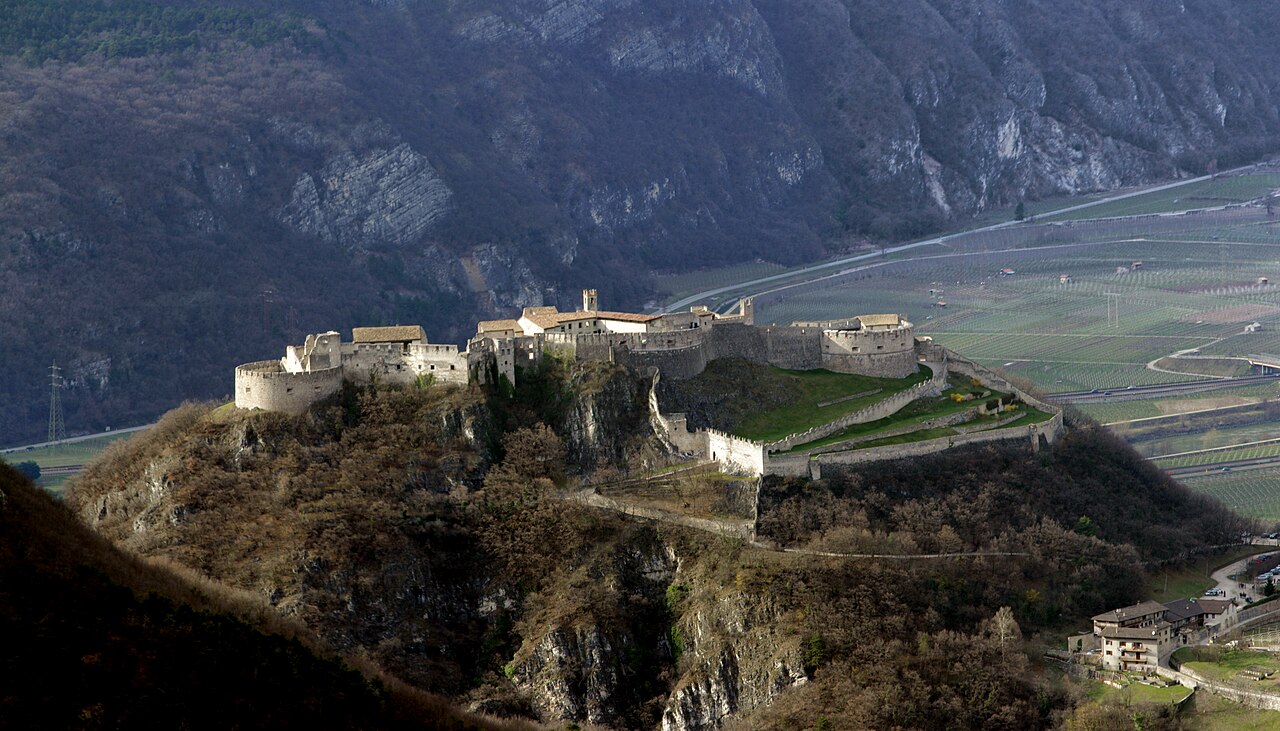
Bostel
Bostel is a significant archaeological site located in the municipality of Rotzo, Italy, known for its origins as an ancient Rhaetian settlement on the Altopiano dei Sette Comuni. This mountainous village was inhabited during the Late Iron Age, approximately from the 5th century BCE to the 2nd or early 1st century BCE, representing a crucial period before the Roman conquest of the region.
The site was first noted in 1781 with initial discoveries that attracted scholarly attention. However, it was not until 1912 that systematic excavations began, under the leadership of Giovanni Pellegrini and Alfonso Alfonsi. Their work uncovered vital structures including a large hall interpreted as the political and religious center of the village. This discovery shed light on the social and religious organization of the indigenous Rhaetian people, highlighting their complex societal structures.
Archaeological discoveries and site layout
Further excavations resumed in 1969, led by Giovanni Battista Frescura, who revealed the semi-subterranean dwelling known as "casetta A". This quadrangular house, partially built below ground level, showed evidence of abandonment following a destructive fire. Scholars, including Giovanni Mantese, have posited that this fire may have been a result of Roman military campaigns aimed at subduing resistant Rhaetian groups during the 2nd or 1st century BCE.
The archaeological remains at Bostel are situated on a plateau at an elevation of about 850 meters, overlooking the Assa and Astico valleys. The settlement's layout reflects its strategic defensive position, with residential and ceremonial buildings arranged to optimize both protection and social function.
The throne room and political center
One of the most remarkable features uncovered is an 8 by 4 meter chamber dubbed the "throne room". This space is believed to have served as the seat of political and religious authority within the community. The room's size and distinctive designation suggest it was a central venue for governance and ritual activities, underscoring the hierarchical nature of Rhaetian society at Bostel.
Casetta A and residential architecture
"Casetta A" is a key example of local domestic architecture, combining practical design with defensive considerations. The semi-subterranean construction would have provided insulation and protection against the mountain climate. The evidence of fire damage and subsequent abandonment offers a poignant glimpse into the turbulent period of Roman expansion and conflict in the region.
Ongoing research and cultural significance
Since 1993, research at Bostel has been conducted primarily by university teams from Padua, Sassari, Augsburg, and more recently Ca’ Foscari University of Venice. These investigations have focused on refining understanding of the settlement’s spatial organization, social structure, and historical context.
The site has been developed as an open-air museum since 1999, managed by the NEA Archaeology Society, which facilitates public engagement and educational activities. Reconstruction and experimental archaeology projects, such as the rebuilding of "casetta A" and the "house of the potter," have provided valuable insights into ancient construction techniques and daily life.
Digital innovations in archaeological interpretation
In recent years, Bostel has integrated digital technologies like augmented reality and virtual reality to enhance visitor experience and scholarly interpretation. These tools allow for immersive visualization of the village’s layout and historical phases without disturbing the physical remains, making Bostel a pioneering site in combining heritage preservation with modern technology.
Historical context and legacy
Bostel represents a vital link to the indigenous Rhaetian culture prior to and during the early phases of Roman domination in northern Italy. The archaeological evidence documents the social complexity, architectural ingenuity, and the eventual impact of Roman military campaigns on local communities.
Artifacts excavated from Bostel are preserved in regional and national museums, ensuring the protection of the material culture and providing resources for ongoing research. The site’s combination of well-preserved structures, extensive archaeological data, and innovative interpretive methods makes it a key location for understanding the Late Iron Age in the Alpine region.
Frequently asked questions (FAQ)
- How do I get to Bostel Castle?
- Bostel Castle is located in the picturesque village of Rotzo, Italy. You can reach it by car or public transport, as there are local buses connecting nearby towns. It is recommended to check local transport schedules for the most convenient routes.
- What is the historical significance of Bostel Castle?
- Bostel Castle dates back to the medieval period, serving as a significant defensive structure in the region. It played a vital role in the local history, offering protection and demonstrating the architectural prowess of its time. Today, it stands as a testament to Italy's rich cultural heritage.
- When was Bostel Castle built?
- Bostel Castle was constructed in the late 12th century, during a time when many fortifications were built across Italy. Its architecture reflects the styles prevalent in the medieval era, showcasing both defensive and residential features that were common in castles of that period.
- Can I visit Bostel Castle?
- Yes, visitors are welcome to explore Bostel Castle and its grounds. Guided tours are often available, providing insights into its history and architecture. It’s advisable to check the castle's website for any specific visitor guidelines or restrictions.
- Why is Bostel Castle considered an architectural gem?
- Bostel Castle is renowned for its unique blend of medieval defensive architecture and Renaissance influences. The castle features impressive stonework, towers, and scenic views of the surrounding landscape, making it a perfect example of historical design. Its preservation allows visitors to appreciate both its beauty and historical context.
- Is it possible to access Bostel Castle with mobility aids?
- Bostel Castle's terrain may present some challenges for visitors with mobility aids, as it features uneven pathways and stairs. However, efforts have been made to improve accessibility in certain areas. It is advisable to contact the castle staff in advance to discuss specific accessibility needs and available accommodations.
- What are the opening hours of Bostel Castle?
- Bostel Castle is typically open to visitors from 10 AM to 6 PM, with extended hours in the summer months. It is closed on certain holidays, so checking the official website for the most current information is recommended before planning your visit. Guided tours often have set times, so consider reserving your spot in advance.
- What are the ticket prices for visiting Bostel Castle?
- Ticket prices for Bostel Castle vary depending on the type of tour and age of the visitor. Generally, adult tickets are priced around €8, while discounts are available for children and seniors. Group rates and family tickets may also be offered, so it’s best to check the official website for detailed pricing information.
- What nearby attractions can I visit while in Rotzo?
- While visiting Bostel Castle, you can explore several nearby attractions such as the picturesque town of Rotzo itself, known for its charming streets and local dining options. Additionally, hiking trails in the surrounding hills offer stunning views of the landscape and opportunities for outdoor activities. Don't miss the chance to visit other historical sites in the region, enriching your experience.
Information
Website
Visit websiteSources & official resources
Verify the information above using these authoritative references.
Loading map...
Visitor reviews
No reviews yet. Been here? Write the first review and help other travelers!
Write the first reviewVisited this castle? Share your experience
Your review helps other travelers and adds first-hand knowledge to our encyclopedia.