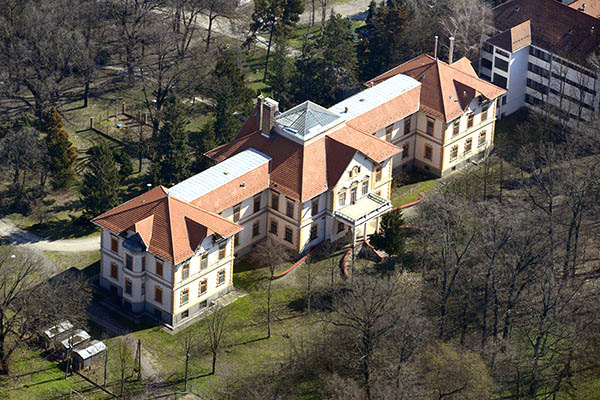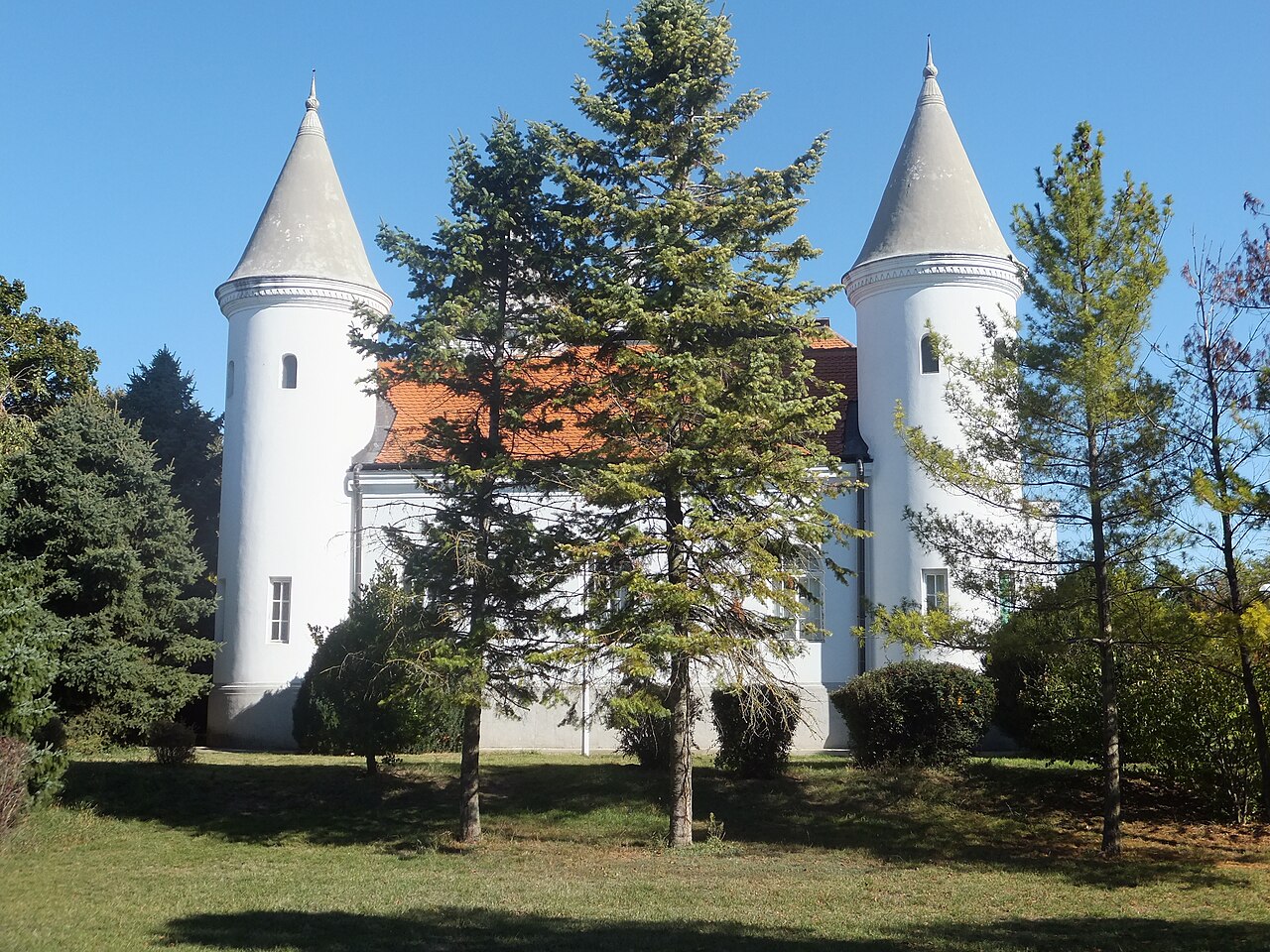
The Boncompagni Mansion is a historic hill castle located in Hungary, notable for its architectural heritage and historical significance. Although specific details about its precise location within Hungary and its full historical background remain limited, the mansion reflects the characteristics of noble residences built on elevated terrain for strategic and aesthetic purposes.
Architectural features and style
The mansion is classified as a hill castle, indicating its construction on elevated ground, which was a common defensive strategy in medieval and post-medieval castle architecture. This positioning not only provided a vantage point for surveillance but also enhanced the estate's prestige.
While detailed architectural descriptions are scarce, hill castles like Boncompagni Mansion typically feature fortified walls, towers, and a central residential building. The mansion likely includes elements such as courtyards, battlements, and possibly a gatehouse, which were typical in noble residences of the period.
Historical context and ownership
The name "Boncompagni" is associated with an Italian noble family, which may indicate historical ties or ownership by this lineage or a branch thereof. The Boncompagni family has roots in Italy, with notable figures in ecclesiastical and noble circles during the Renaissance and later periods. Their presence in Hungary, if confirmed, would reflect the interconnected nature of European nobility and their estates.
Due to limited records, the exact period of construction and the mansion's role in Hungarian history remain unclear. However, hill castles generally date from the High Medieval to Renaissance periods, suggesting the mansion could have origins in these eras.
Preservation and current condition
The current condition of the Boncompagni Mansion is not well documented. Many historic hill castles in Hungary have undergone various states of preservation, ranging from well-preserved to ruins. Without specific information, it is difficult to ascertain whether the mansion is accessible to the public or maintained as a cultural heritage site.
Significance and cultural heritage
As a hill castle bearing the Boncompagni name, the mansion represents the architectural and noble heritage of Hungary, potentially linking Hungarian history to broader European aristocratic networks. Such estates often served as centers of local administration, culture, and defense, making them important for understanding regional history.
Further research and archaeological investigation may reveal more about the mansion's construction techniques, historical occupants, and its role within the local community.
Visiting information
Due to the lack of detailed public information, potential visitors should seek local sources or heritage organizations for access details and visiting hours. Many hill castles in Hungary are part of cultural tourism routes, offering insights into medieval and Renaissance architecture and history.
Frequently asked questions (FAQ)
- Where is Boncompagni Mansion located in Hungary?
- The exact location of Boncompagni Mansion within Hungary is not well documented. Visitors interested in the mansion should consult local heritage sources for precise information.
- What architectural style does Boncompagni Mansion represent?
- Detailed records of Boncompagni Mansion's architectural style are scarce, but as a hill castle, it likely features typical medieval or Renaissance elements such as fortified walls and towers.
- Is Boncompagni Mansion open to the public?
- There is no clear information about public access to Boncompagni Mansion. Potential visitors are advised to check with local tourism offices or heritage organizations for visiting details.
Photo gallery

Information
Loading map...
Visitor reviews
No reviews yet. Been here? Write the first review and help other travelers!
Write the first reviewVisited this castle? Share your experience
Your review helps other travelers and adds first-hand knowledge to our encyclopedia.