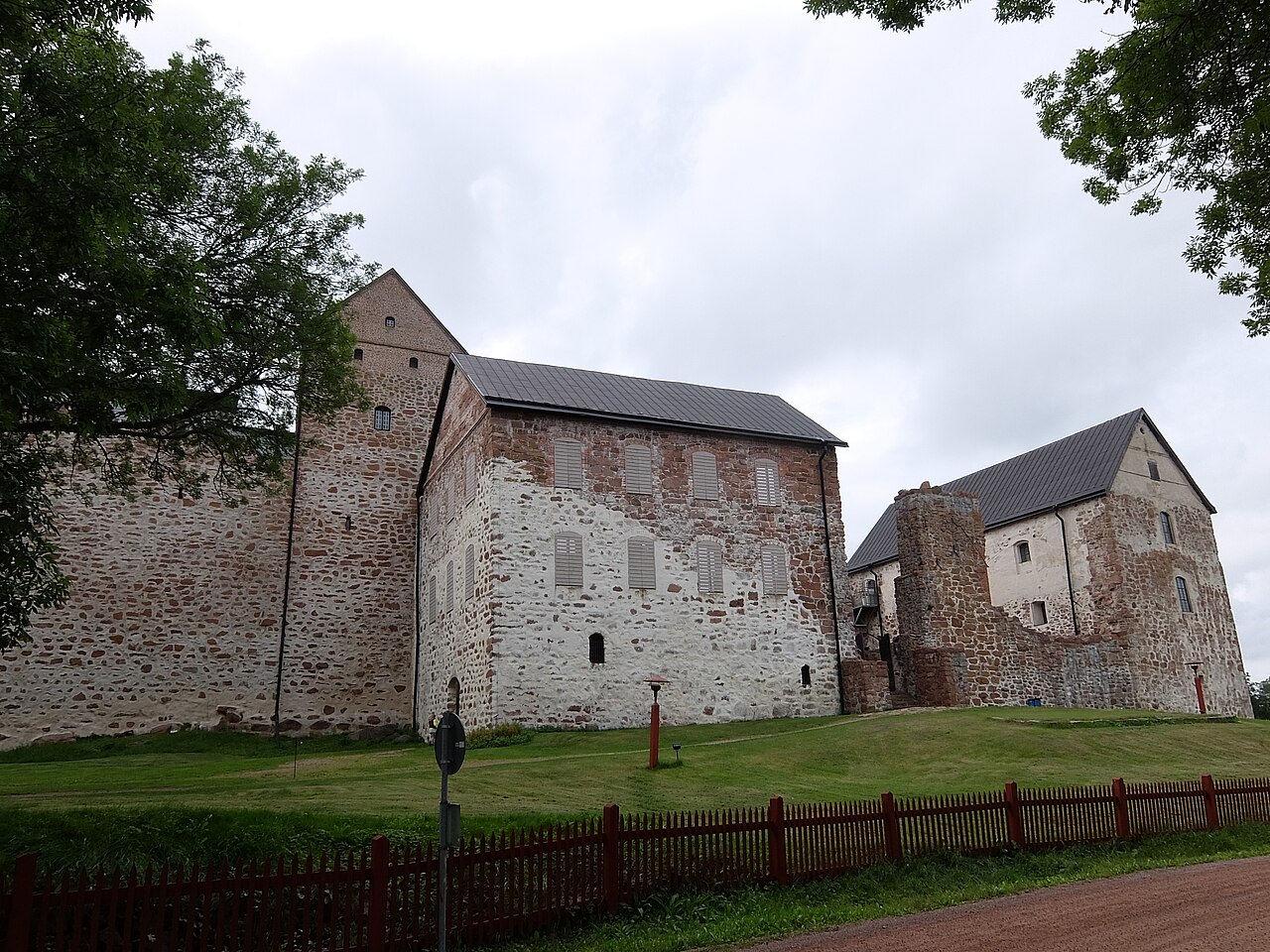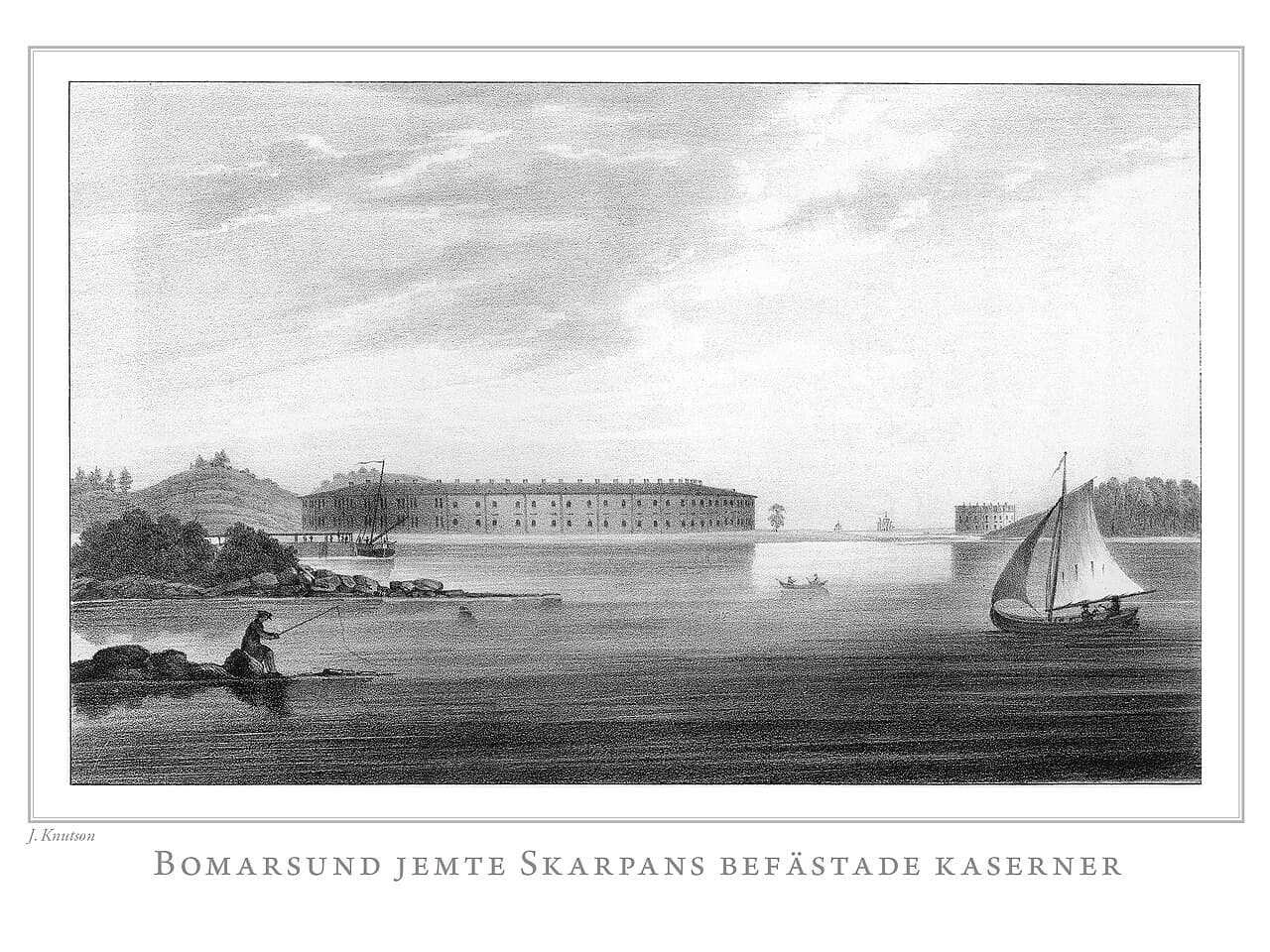
Bomarsund fortress is a significant 19th-century military structure located in the Åland Islands in the Baltic Sea, part of modern-day Finland. Constructed by the Russian Empire between 1830 and 1854, it was designed to protect the strategically important maritime routes in this region. The fortress was one of the largest of its kind in the Baltic Sea area and represented a major effort by Russia to fortify its western borders during the Modern period.
Historical context and construction
The construction of Bomarsund began in the early 1830s under Russian rule, with the fortress intended to serve as a key defensive stronghold on the Åland Islands. The site was chosen for its strategic position controlling access to the Gulf of Bothnia and the Baltic Sea. The fortress complex was built on the island of Prästö and included a series of bastions, walls, and defensive towers designed in the bastioned fortress style prevalent in the 18th and 19th centuries.
Bomarsund was constructed primarily from stone and brick, featuring thick walls and elaborate defensive works to withstand artillery attacks. The fortress included multiple bastions arranged in a polygonal layout, surrounded by a moat and additional outworks to provide layered defense. Its design reflected contemporary military engineering principles, emphasizing strong fortifications adapted to the use of cannon and explosive shells.
Siege and destruction during the crimean war
The fortress played a notable role during the Crimean War (1853–1856). In 1854, an Anglo-French expeditionary force targeted Bomarsund as part of their campaign against Russian interests in the Baltic region. The fortress was besieged and subjected to heavy bombardment by naval and land forces.
Despite its robust construction, Bomarsund fell after a brief siege in August 1854. The fortress was severely damaged during the assault, with many of its defensive structures destroyed or rendered unusable. Following the capture, the fortress was deliberately demolished by the victors to prevent its future military use.
Architectural features and layout
Bomarsund's design was characterized by a polygonal bastioned layout, typical of bastioned fortresses of the era. The fortress included a central citadel surrounded by multiple bastions connected by curtain walls. The bastions were equipped with artillery placements designed to cover all approaches.
The fortress complex also contained barracks, magazines, and support buildings necessary for sustaining a garrison. The use of a moat and outworks enhanced its defensive capabilities, creating multiple layers of protection against attackers.
Current status and archaeological significance
Today, Bomarsund exists as archaeological ruins and is a protected historical site in Finland. The remains of the fortress offer valuable insights into 19th-century military architecture and the geopolitical struggles of that period. Visitors can explore the ruins, including the surviving sections of walls, bastions, and foundations.
The site is managed to preserve its historical integrity and is an important cultural heritage landmark in the Åland Islands. Interpretive displays and guided tours provide context about the fortress's construction, military history, and its role in the Crimean War.
Visiting bomarsund fortress
Bomarsund is accessible to visitors interested in military history and historical architecture. The site is open seasonally, with visitor facilities including informational signage and walking paths around the ruins. It offers a unique opportunity to study a rare example of a modern-era bastioned fortress in northern Europe.
Nearby attractions include the Åland Islands' natural landscapes and maritime heritage sites, making Bomarsund a notable destination for cultural tourism in Finland.
Frequently asked questions (FAQ)
- When was Bomarsund fortress built and by whom?
- Bomarsund fortress was built by the Russian Empire between 1830 and 1854 to protect their western maritime borders in the Baltic Sea region.
- What happened to Bomarsund during the Crimean War?
- In 1854, Bomarsund was besieged and heavily bombarded by Anglo-French forces during the Crimean War, leading to its capture and subsequent demolition.
- What architectural style characterizes Bomarsund fortress?
- Bomarsund was designed as a bastioned fortress with polygonal bastions, thick walls, a moat, and outworks typical of 19th-century military fortifications.
- Can visitors explore Bomarsund today?
- Yes, Bomarsund is preserved as archaeological ruins and is open to visitors seasonally, offering walking paths and informational displays about its history and architecture.
- Where is Bomarsund fortress located?
- Bomarsund fortress is located on the island of Prästö in the Åland Islands, an autonomous region of Finland in the Baltic Sea.
Photo gallery

Photo by Johan Knutson•Public domain
Information
Loading map...
Visitor reviews
No reviews yet. Been here? Write the first review and help other travelers!
Write the first reviewVisited this castle? Share your experience
Your review helps other travelers and adds first-hand knowledge to our encyclopedia.