Bocskai castle in Aghireșu, Cluj
Bocskai castle, situated in the commune of Aghireșu in Cluj County, Romania, is a notable example of a hill castle that played a significant role in the region's medieval history. Perched strategically on elevated terrain, the castle was designed to oversee and control the surrounding landscape, offering both defensive advantages and a commanding view of the area.
Historical background and significance
The castle's origins trace back to the medieval period, although exact construction dates remain uncertain due to limited archival records. It is believed that Bocskai castle was established during the High Medieval period as a fortified residence and military stronghold. The castle's name is associated with the Bocskai family, a noble lineage influential in Transylvania and the Kingdom of Hungary during the 16th and 17th centuries.
Throughout its history, Bocskai castle witnessed various military engagements and political events, particularly during the turbulent times of the Ottoman incursions and the struggles for control over Transylvania. Its location in Cluj County placed it within a region of strategic importance, serving as a defensive bastion and a symbol of feudal authority.
Architectural features and layout
Bocskai castle exemplifies the typical characteristics of a hill castle, constructed to maximize natural topographical defenses. The castle's layout includes fortified walls adapted to the contours of the hill, with remnants indicating the presence of towers that provided vantage points for surveillance and defense. The defensive walls were likely complemented by a ditch or moat on the more accessible sides, enhancing its protective capabilities.
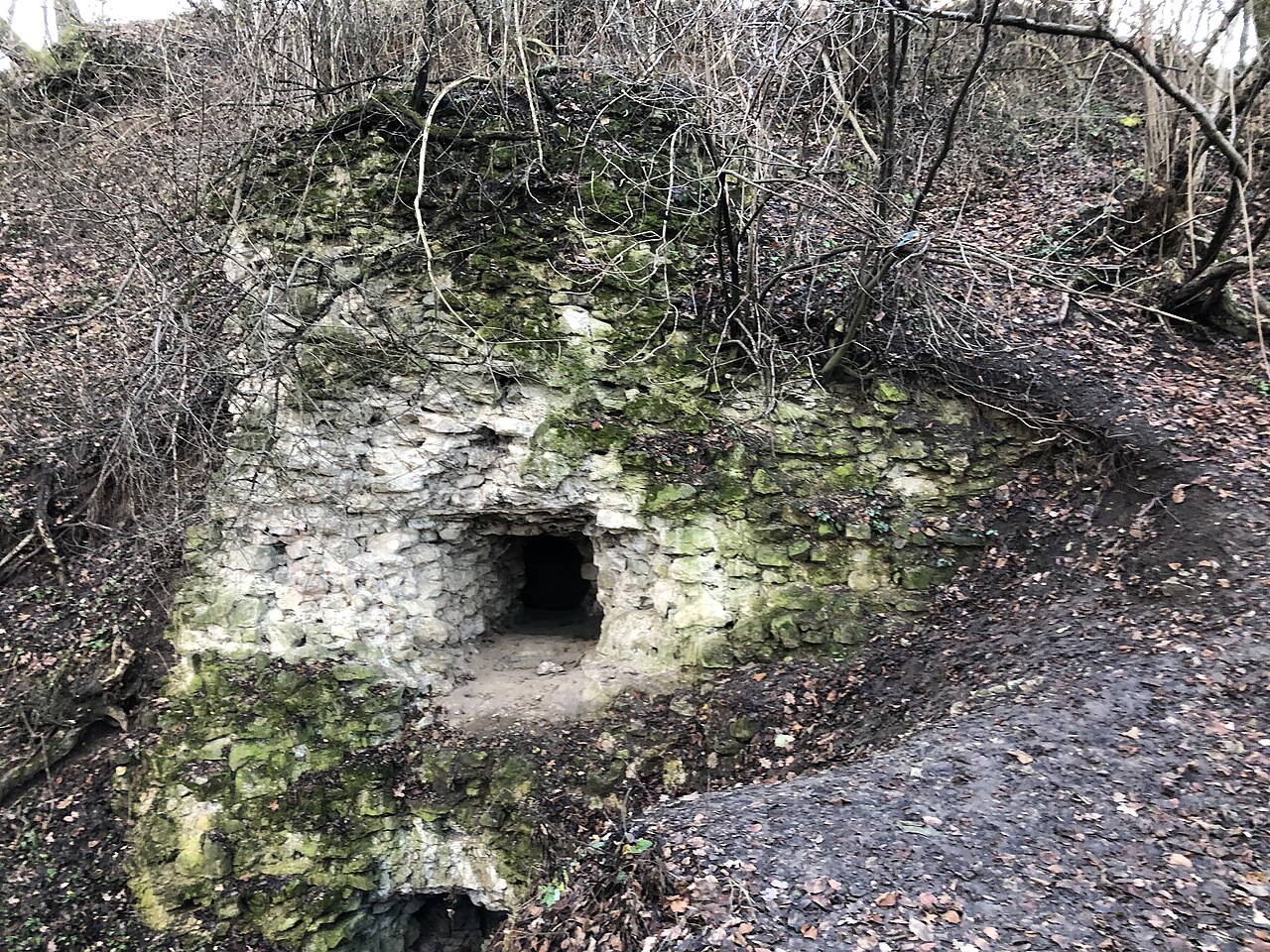
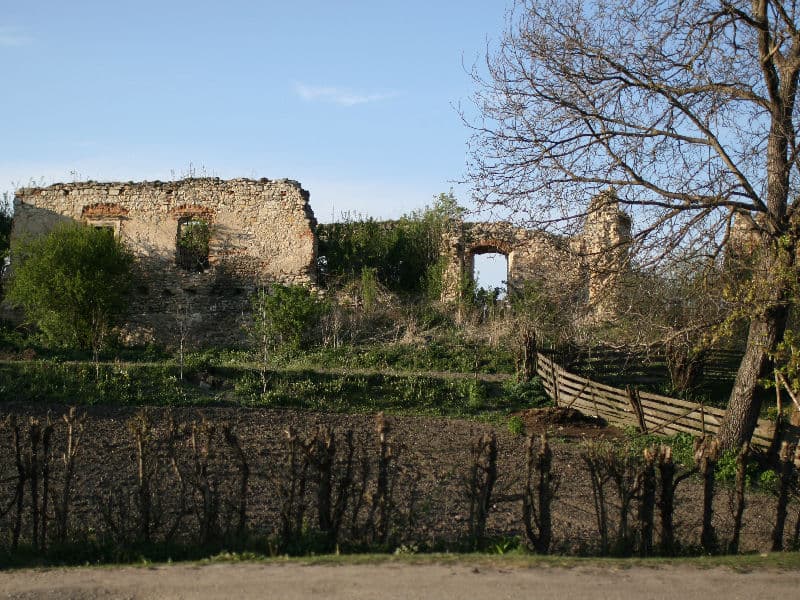
While much of the castle now lies in ruins, archaeological studies and historical research have revealed foundations and structural elements that suggest a complex comprising living quarters, storage facilities, and defensive installations. The castle's construction utilized local stone materials, typical of regional medieval fortifications.
Defensive structures
The castle's defensive system was designed to withstand sieges and attacks common in the medieval period. The surviving wall segments indicate a thickness sufficient to resist projectiles and battering. The towers, strategically placed along the curtain walls, would have housed archers and lookouts, enabling defenders to repel attackers effectively.
Living and functional spaces
Within the castle's perimeter, there were likely several chambers serving as living quarters for the lord and his retinue, as well as storage rooms for provisions and armaments. The presence of a courtyard would have facilitated daily activities and gatherings, while also providing space for horses and supplies.
Current condition and preservation
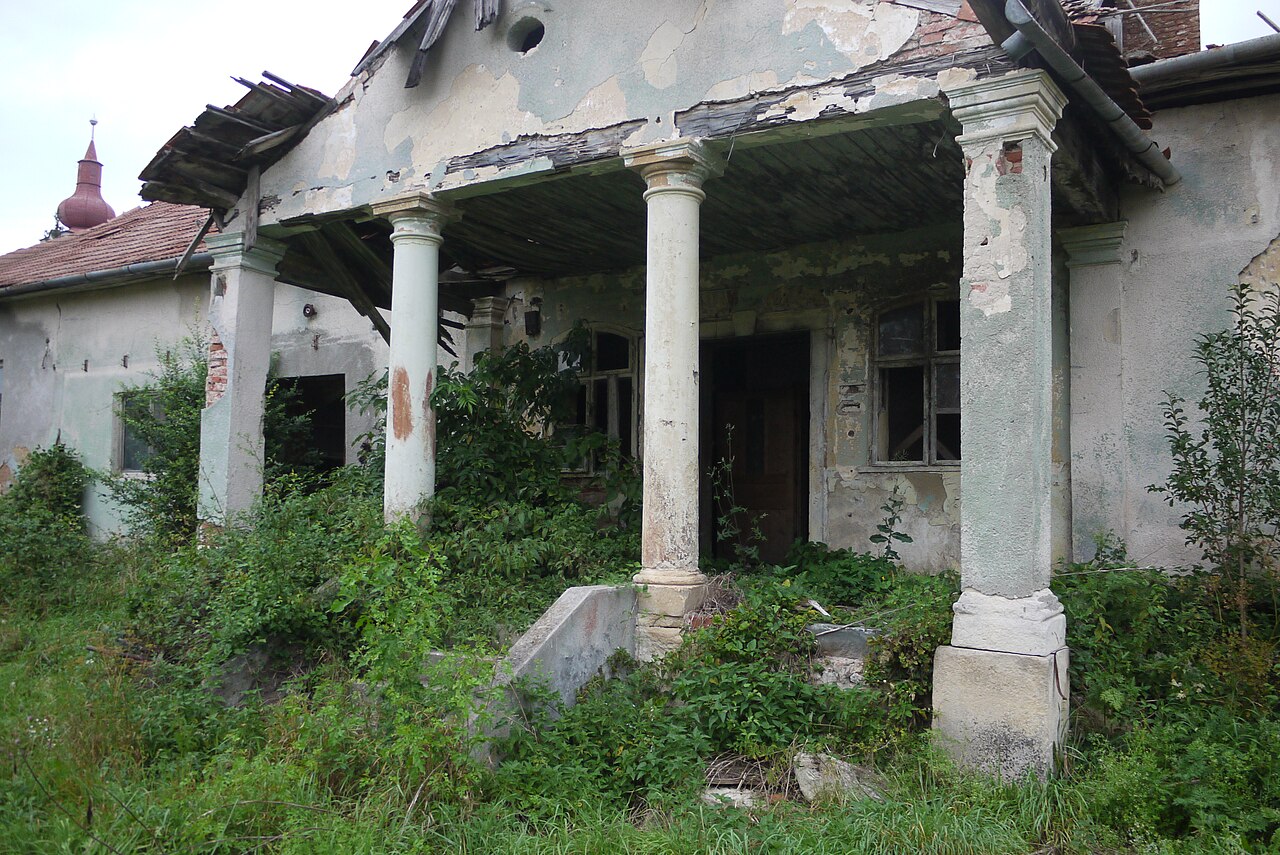
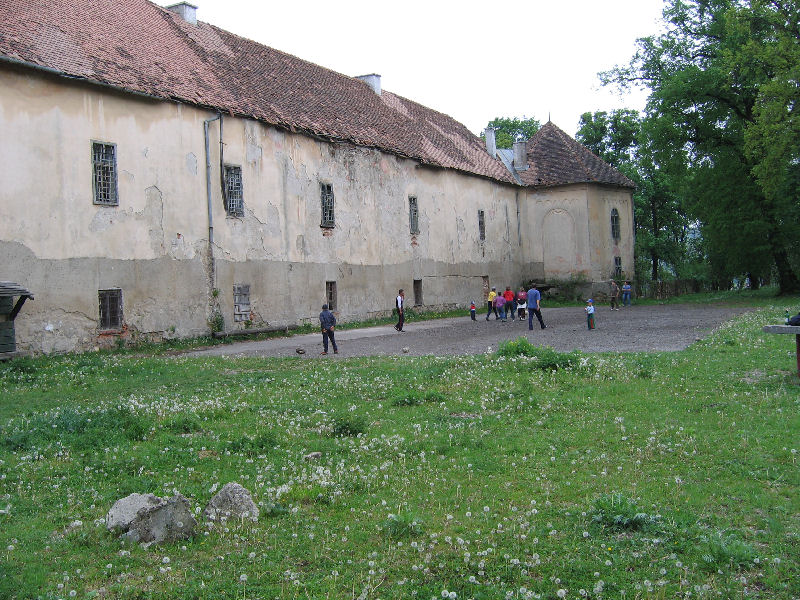
Today, Bocskai castle is classified as ruins, with only partial remains of its walls and foundations visible. The site has attracted interest from historians and archaeologists aiming to uncover more about its construction phases and historical role. Preservation efforts focus on stabilizing the existing structures to prevent further deterioration while allowing visitors to explore the castle's historical footprint.
Visiting Bocskai castle
Visitors to the Bocskai castle site can experience the evocative atmosphere of a medieval hill castle set within the scenic landscape of Cluj County. The castle's elevated position offers panoramic views of the surrounding countryside, making it a rewarding destination for history enthusiasts and hikers alike. Access to the site is generally open, though facilities and guided tours may be limited due to its ruinous state.
Accessibility and visitor information
The castle is accessible via local roads leading to Aghireșu, with hiking paths ascending to the hilltop ruins. Visitors are advised to wear suitable footwear and prepare for uneven terrain. There are no entrance fees, but amenities such as restrooms and visitor centers are not available on-site.
Nearby attractions
The region around Aghireșu offers additional cultural and natural attractions, including traditional Transylvanian villages, churches, and nature reserves. Exploring these sites alongside Bocskai castle provides a broader understanding of the area's historical and cultural context.
Frequently asked questions (FAQ)
- What is the historical significance of Bocskai Castle?
- Bocskai Castle, located in Aghireșu, Cluj, is a notable example of Renaissance architecture in Romania. Built in the early 17th century, it served as a residence for the Bocskai family, reflecting the region's rich history and the influence of Hungarian nobility.
- When was Bocskai Castle constructed?
- The construction of Bocskai Castle began in the early 1600s, specifically around 1603. It was completed shortly thereafter and has since stood as a testament to the architectural styles of the period.
- Can I visit Bocskai Castle?
- Yes, Bocskai Castle is open to visitors. Guests can explore its historic grounds and learn about its significance through guided tours or informational displays available on-site.
- What are the opening hours for Bocskai Castle?
- Bocskai Castle typically opens its doors to visitors from 10 AM to 6 PM, Wednesday through Sunday. It's advisable to check their official website or contact them for any seasonal changes in hours.
- Is it possible to access Bocskai Castle via public transport?
- Yes, Bocskai Castle is accessible by public transport, with several bus routes connecting Aghireșu to nearby towns. Visitors can also opt for a short taxi ride from Cluj-Napoca for more convenience.
- What are the ticket prices for Bocskai Castle?
- Admission to Bocskai Castle is quite affordable, with ticket prices generally around 10 RON for adults and discounted rates for students and seniors. Group rates may also be available, making it an excellent destination for educational trips.
- When is the best time to visit Bocskai Castle?
- The best time to visit Bocskai Castle is during the spring and early autumn months, when the weather is pleasant and the gardens are in full bloom. Additionally, visiting during local festivals can enhance your experience with cultural activities.
- Are there any nearby attractions to visit after touring Bocskai Castle?
- Yes, after visiting Bocskai Castle, you can explore other nearby attractions such as the historic town of Cluj-Napoca, known for its vibrant cultural scene and medieval architecture. The surrounding countryside also offers beautiful hiking trails and picturesque views.
Photo gallery

Information
Loading map...
Visitor reviews
No reviews yet. Been here? Write the first review and help other travelers!
Write the first reviewVisited this castle? Share your experience
Your review helps other travelers and adds first-hand knowledge to our encyclopedia.