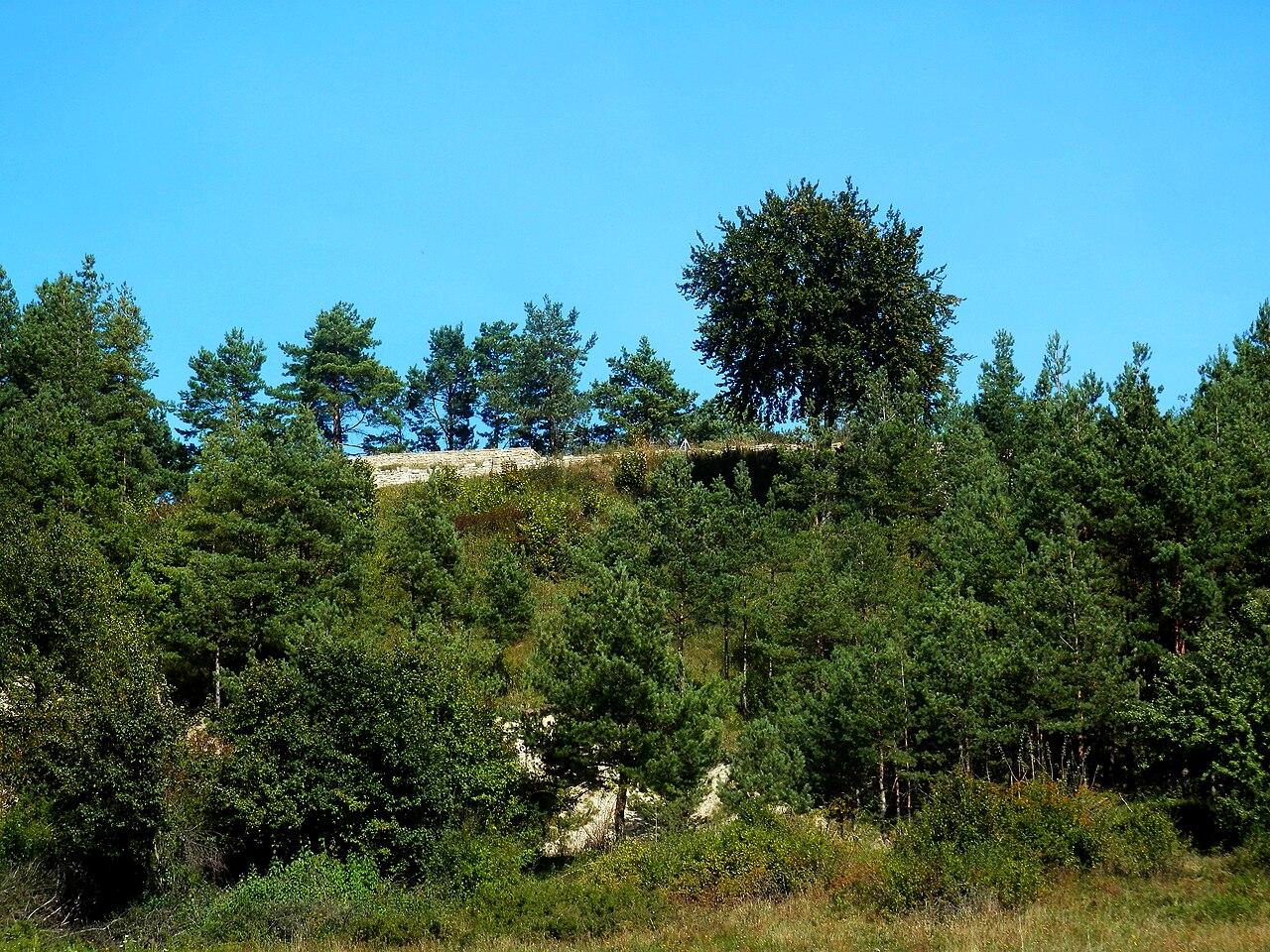
Bodoň Castle is a notable example of a hill castle located in Slovakia, though the exact city or town of its location remains unspecified in available records. This medieval fortress is situated on elevated terrain, a common strategic choice during its period of use, allowing for natural defense and expansive views of the surrounding landscape.
Historical context and origins
While detailed historical documentation about Bodoň Castle is scarce, hill castles like Bodoň were typically constructed during the High Medieval period (roughly 11th to 13th centuries) in Central Europe. These castles served as fortified residences for nobility or local rulers, as well as military strongholds to control and protect territories. The strategic placement on hills allowed for early warning against invaders and control over trade routes or important regional pathways.
Architectural features and design
As a hill castle, Bodoň likely featured typical medieval defensive elements such as stone curtain walls, battlements, and possibly a keep or donjon serving as the last line of defense. The elevated position would have been enhanced by natural slopes, reducing the need for extensive artificial fortifications on some sides. Access to the castle would have been controlled by a gatehouse, possibly with a drawbridge or fortified entrance to deter attackers.
The castle's construction would have utilized local stone materials, consistent with medieval building practices in Slovakia. Interiors would have included residential quarters, storage rooms, and possibly a chapel, reflecting the multifunctional nature of such castles as both military and domestic centers.
Decline and current condition
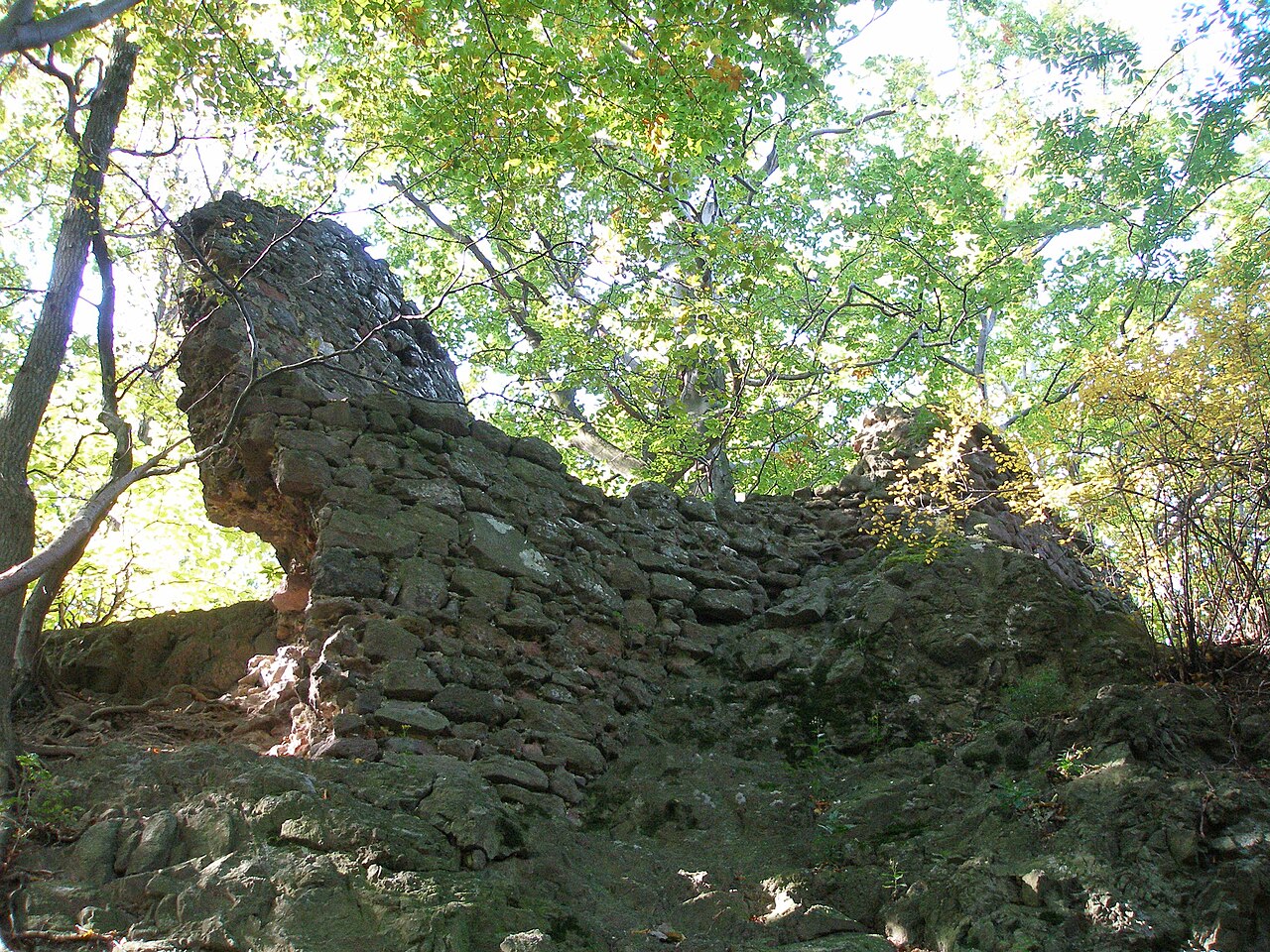
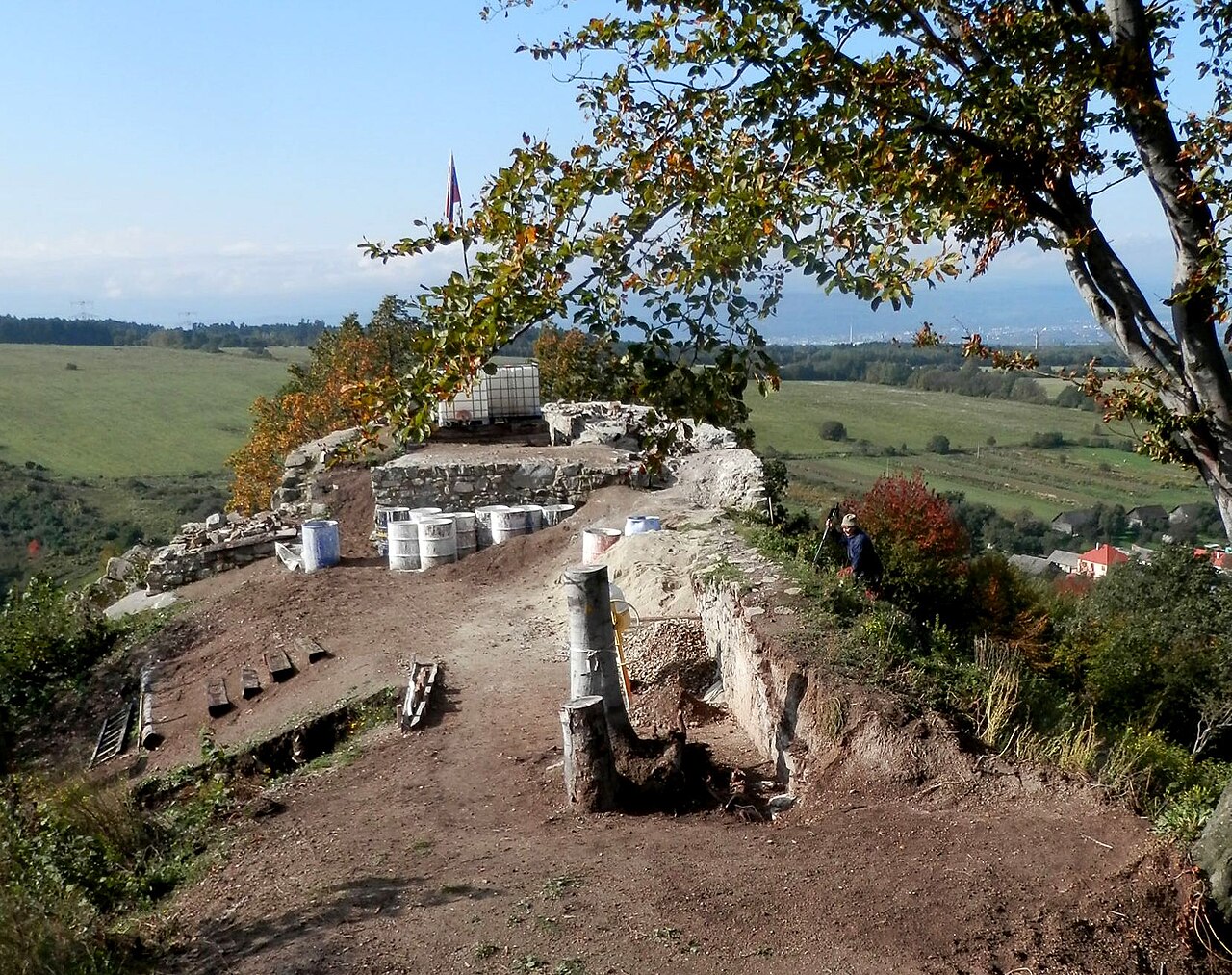
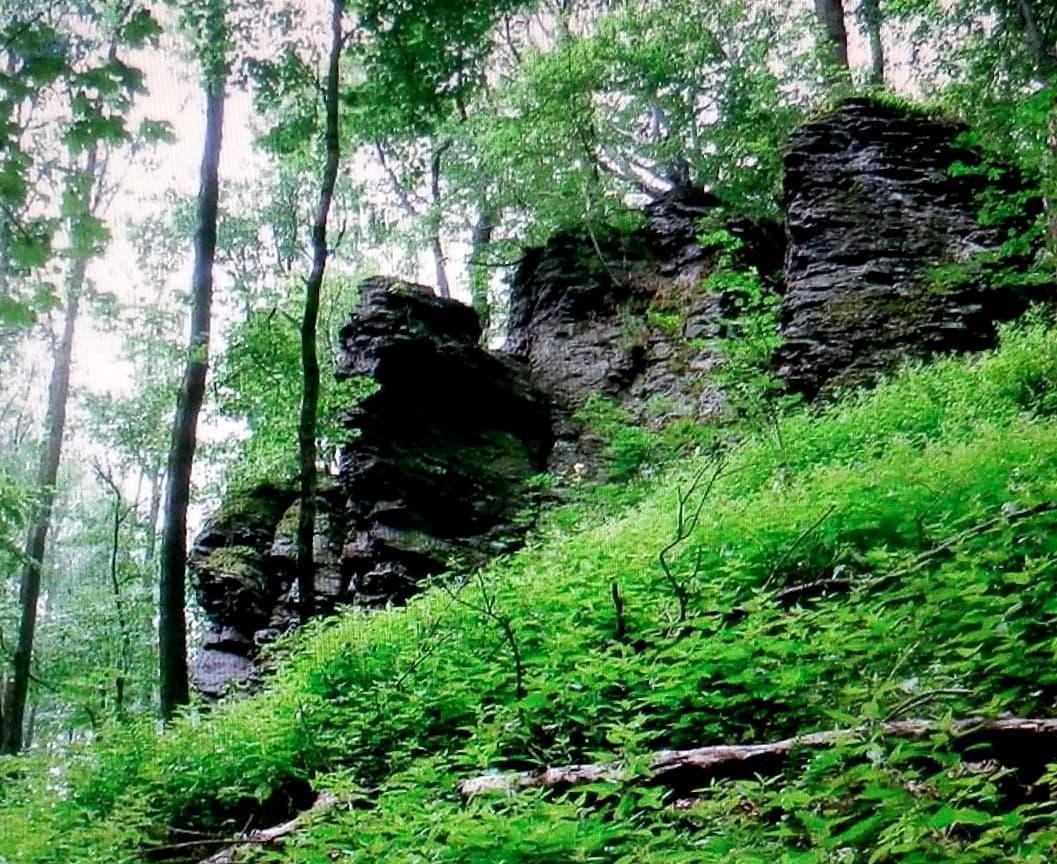
Like many medieval castles, Bodoň likely fell into disuse and ruin due to changes in military technology, political shifts, or economic decline. The precise timeline of its abandonment is unclear. Today, it is considered a ruin, with remnants of walls and foundations that provide insight into its original layout and scale.
Its status as a ruin makes it an important archaeological site for understanding medieval fortifications in the region. Visitors interested in medieval history and castle architecture may find Bodoň Castle a compelling site for exploration, although facilities and detailed signage may be limited due to its lesser-known status.
Cultural and regional significance
Bodoň Castle contributes to Slovakia's rich heritage of medieval fortifications that illustrate the region's historical landscape of power, defense, and settlement patterns. Hill castles like Bodoň are part of a broader network of fortresses that shaped the political and military history of Central Europe during the Middle Ages.
Preservation efforts for such ruins vary, but they remain valuable for educational and cultural tourism purposes, offering a tangible connection to the past.
Frequently asked questions (FAQ)
- When was Bodoň Castle likely built?
- Bodoň Castle was likely constructed during the High Medieval period, approximately between the 11th and 13th centuries, typical for hill castles in Slovakia.
- What architectural features does Bodoň Castle have?
- As a hill castle, Bodoň would have featured stone curtain walls, battlements, and possibly a keep or donjon, utilizing the natural elevation for defense.
- What is the current condition of Bodoň Castle?
- Bodoň Castle is currently in ruins, with remnants of walls and foundations that reveal its medieval layout and defensive structures.
- Is Bodoň Castle accessible to visitors?
- While Bodoň Castle is accessible as a ruin, visitor facilities and detailed information may be limited due to its lesser-known status and lack of extensive preservation.
- Why were hill castles like Bodoň built on elevated terrain?
- Hill castles were built on elevated terrain to provide strategic defense advantages, including better visibility of approaching threats and natural barriers against attackers.
Photo gallery

Information
Loading map...
Visitor reviews
No reviews yet. Been here? Write the first review and help other travelers!
Write the first reviewVisited this castle? Share your experience
Your review helps other travelers and adds first-hand knowledge to our encyclopedia.