Boden Fortress
Boden Fortress, located in Boden, Norrbotten, northern Sweden, stands as one of the most significant military fortification projects in Swedish history. Constructed between 1901 and 1916, this modern bastioned fortress was designed primarily to defend against potential invasions from the east, particularly from the Russian Empire via Finland. The fortress complex encompasses a network of major forts, secondary artillery positions, and infantry bunkers, all strategically positioned around the city of Boden to create a formidable defensive perimeter.
Strategic importance and historical context
The impetus for constructing Boden Fortress was the growing strategic value of northern Sweden at the turn of the 20th century. This was largely due to the expansion of the railway network in Norrland, which facilitated access to the region's rich iron ore fields. The railway expansion increased the military and economic significance of the area, prompting Swedish authorities to establish a robust defense system to protect these vital resources and transportation routes from potential Russian aggression.
At the time, tensions between Sweden and Russia were heightened by geopolitical concerns in the Baltic region. The fortress was intended to serve as a deterrent and a defensive stronghold capable of delaying or stopping an eastern invasion or coastal assault. Although the main forts were completed by 1908, supporting fortifications continued to be developed and enhanced up to the onset of the First World War and beyond.
Architectural design and fortification layout
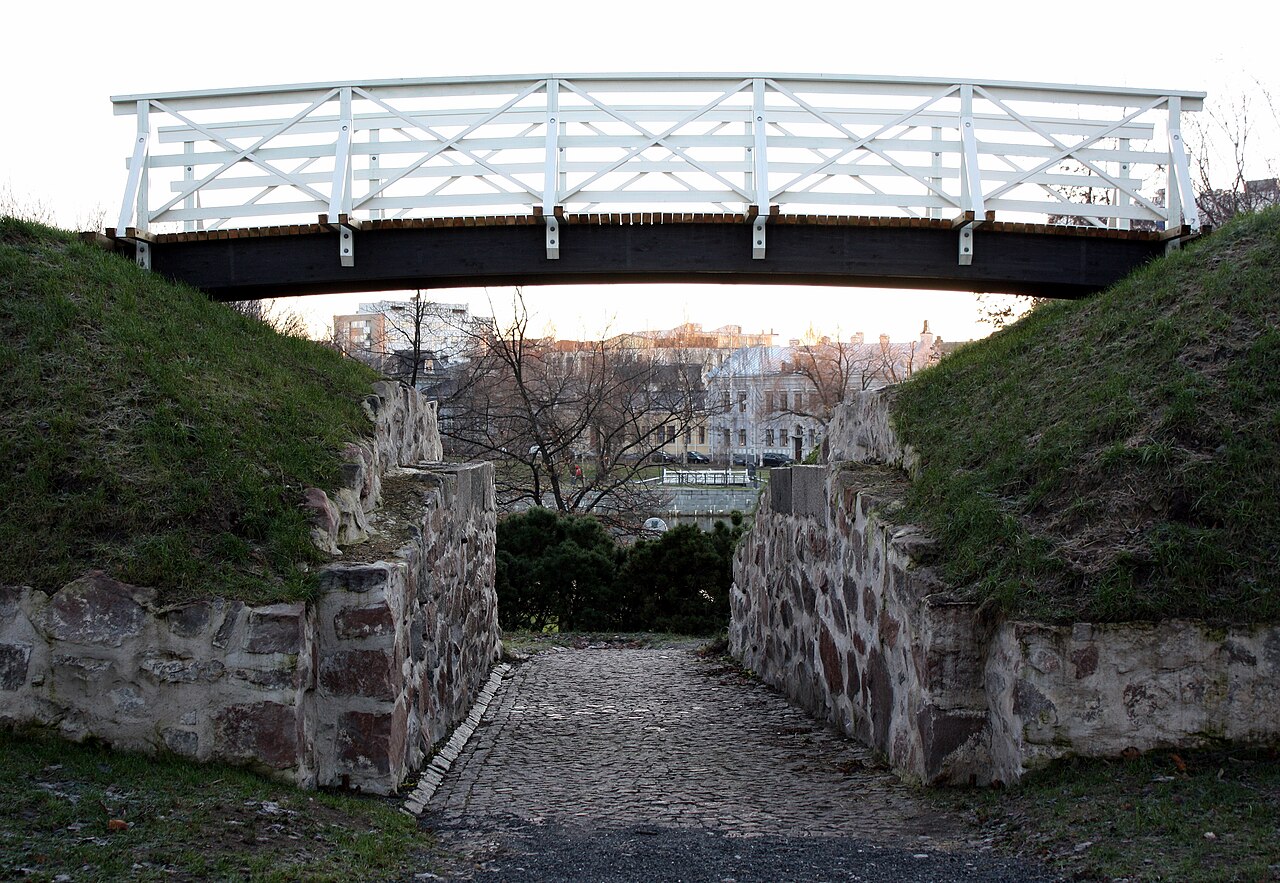
Boden Fortress is a classic example of a bastioned fortress adapted to modern military technology and terrain. The fortress comprises five primary self-supporting forts, each excavated directly from the bedrock of surrounding mountains. These forts are situated on Degerberget, Mjösjöberget, Gammelängsberget, Södra Åberget, and Rödberget, forming a defensive ring around the city.
Between these main forts, eight fortified secondary artillery positions were constructed to provide flanking fire and cover areas outside the range of the primary forts' artillery. Additionally, approximately 40 infantry bunkers, dugouts, and other smaller fortifications were built to secure the terrain and protect against infantry assaults.
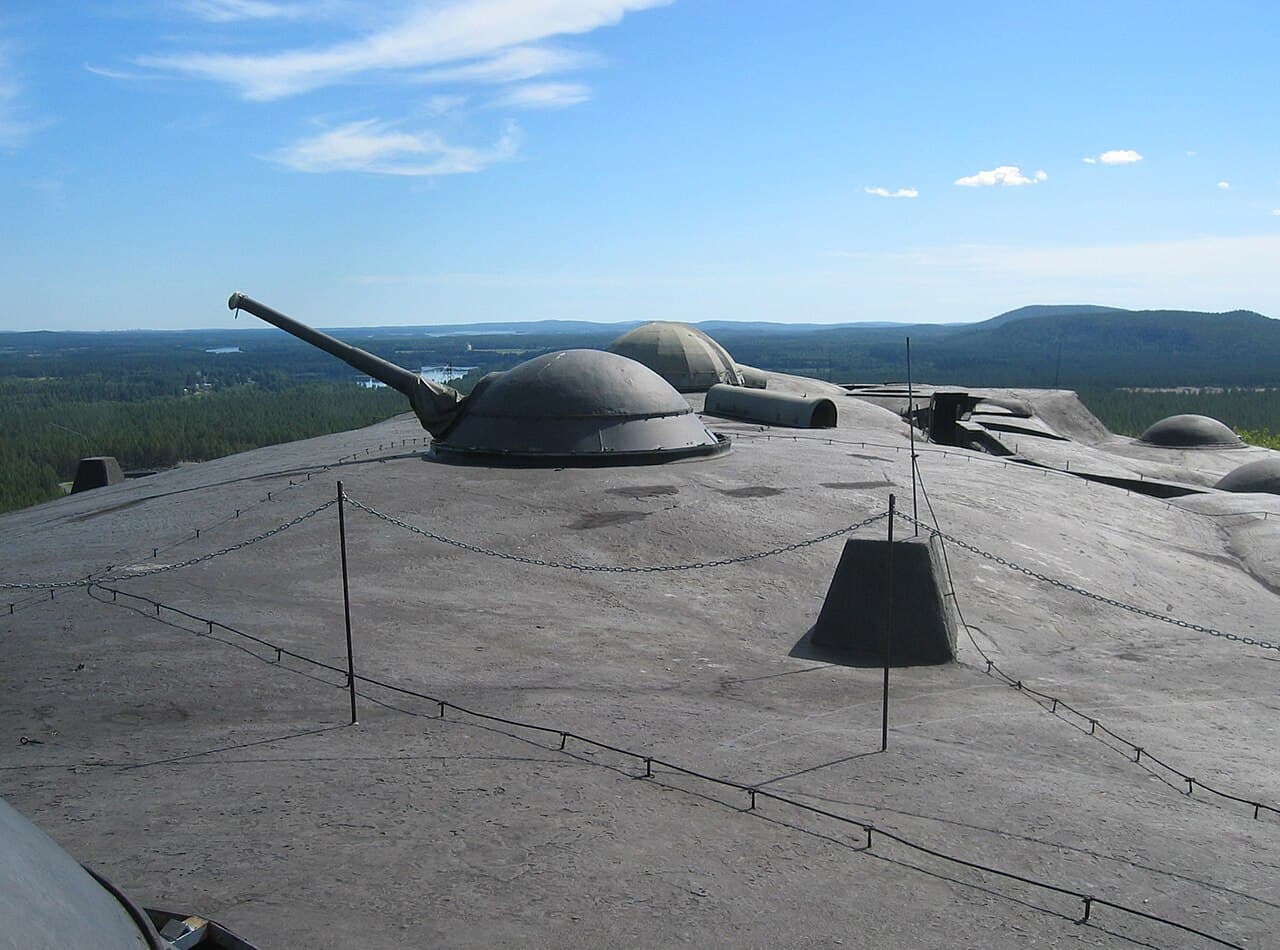
The design reflects the principles of early 20th-century military engineering, incorporating underground galleries, reinforced concrete, and steel to withstand artillery bombardments. The forts feature thick walls, armored gun turrets, and interconnected tunnels allowing safe movement of troops and munitions.
Defensive features and armaments
The fortress's artillery was mounted in rotating armored turrets, capable of delivering heavy firepower over a broad range. The secondary artillery positions filled gaps in coverage, creating overlapping fields of fire. The infantry bunkers were equipped with machine guns and small arms to repel ground attacks.
During the Second World War, additional defensive measures were implemented, including the installation of anti-tank gun emplacements and extensive networks of bunkers and shelters. Tens of kilometers of "dragon's teeth"—concrete anti-tank obstacles—were installed around the fortress and the city to prevent mechanized assaults.
Operational history and later developments
Although Boden Fortress never saw direct combat, it played a critical role in Sweden's defensive strategy through both World Wars and the Cold War. Its presence served as a deterrent against potential invasions and helped secure the northern border of Sweden.
Following the end of the Cold War and the diminished threat from the Soviet Union, the strategic necessity of the fortress declined. The Swedish military gradually decommissioned the complex, with the last fort officially taken out of service on 31 December 1998.
Preservation and public access
Today, Boden Fortress is recognized as an important cultural and historical monument. All five primary forts, along with several supporting structures, have been declared protected historic buildings by the Swedish government. The fortress is maintained as a tourist attraction, offering visitors a unique opportunity to explore early 20th-century military architecture and Sweden's defense history.
Visitors can tour the underground galleries, see the artillery installations, and learn about the fortress's role in Swedish military strategy. The preservation efforts ensure that the complex remains an educational resource and a testament to Sweden's military engineering achievements.
Architectural significance and legacy
Boden Fortress exemplifies the evolution of fortress design in the early modern period, bridging traditional bastioned layouts with innovations required by advances in artillery and explosives. Its integration into the natural landscape through excavation into bedrock and the use of reinforced concrete marked a significant development in military architecture.
The fortress's scale and complexity reflect Sweden's commitment to national defense during a period of geopolitical uncertainty. Its legacy continues to inform studies of military fortifications and serves as a preserved example of early 20th-century bastioned fortress design.
Frequently asked questions (FAQ)
- How do I visit Boden Fortress?
- Boden Fortress is open to visitors as a historic site and museum. Check the official website or local tourist information in Boden for current opening hours and guided tour availability.
- What is the historical significance of Boden Fortress?
- Boden Fortress was built to defend northern Sweden from eastern threats, particularly from Russia, and played a key role in Sweden's military strategy during the 20th century.
- When was Boden Fortress constructed?
- Construction of Boden Fortress took place between 1901 and 1916, with ongoing improvements through both World Wars.
- Can I explore the underground tunnels and bunkers?
- Yes, many of the fortress's underground galleries, bunkers, and artillery positions are accessible to visitors through guided tours.
- Why was Boden Fortress built in northern Sweden?
- The fortress was built to protect the strategically important northern iron ore fields and railway network from potential invasions via Finland.
Photo gallery

Information
Current owner
Swedish government
Loading map...
Visitor reviews
No reviews yet. Been here? Write the first review and help other travelers!
Write the first reviewVisited this castle? Share your experience
Your review helps other travelers and adds first-hand knowledge to our encyclopedia.