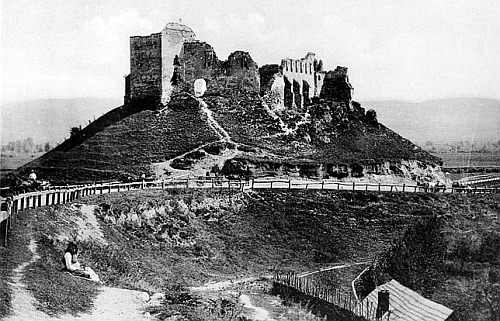
Bod
Bod bastioned fortress, located in the village of Bod in the Arad region of Romania, represents a significant example of medieval fortification architecture integrated with ecclesiastical structures. The site is historically notable for its Romanesque basilica dedicated to St. Nicholas, originally constructed in the 13th century, which anchors the fortress complex. This basilica and its surrounding fortifications reflect the defensive needs of the local community during the High Medieval period.
The origins and early history of Bod
The earliest written mention of the village, historically known as Brenndorf, dates to 1386. However, the construction of the Romanesque basilica predates this record, with its foundation laid in the 13th century. This basilica was a significant religious and community center, embodying the Romanesque architectural style characterized by robust stone construction, semicircular arches, and a basilica plan.
In 1456, the basilica suffered extensive damage due to a devastating fire, necessitating a major reconstruction completed in 1477. This rebuilding effort not only restored the church but also coincided with the community's increasing need for protection amid rising threats in the 15th century.
Fortifications and defensive structures
Responding to the escalating dangers and attacks during the 15th century, the inhabitants of Bod fortified the basilica by constructing a multifaceted defensive wall around it. The wall was designed in an oval plan and reinforced with several bastions, exemplifying the bastioned fortress typology prevalent in the region. These fortifications provided a stronghold for the villagers during times of conflict.
Later, a walled lower castle (podzamcze) was added on the southeast side, expanding the defensive perimeter. This extension further enhanced the fortress's ability to withstand sieges and attacks, including the notable siege in 1611 by the forces of the Transylvanian prince Gabriel Báthory, which ultimately failed to capture the fortress.
Architectural evolution and damage from natural disasters
The fortress and basilica endured significant damage from seismic activity. In 1770, an earthquake destroyed the church's bell tower, leading to the dismantling of the damaged tower down to a height of 1.5 meters. A new tower was constructed in 1799 and fitted with a clock the following year.
Another earthquake on 26 October 1802 caused the collapse of much of the church, including the bell tower, choir, roof structure, and two side walls. The church's interior furnishings were buried under the rubble. Between 1804 and 1806, a new hall church was built on the site, featuring a recessed choir, flat ceiling, and two galleries, reflecting architectural changes of the period.
The surrounding defensive walls and bastions were also heavily damaged by the earthquakes. By 1865, most of the fortifications were dismantled, leaving only a small fragment in the southeast corner, which now serves as a cemetery fence. The northeast tower, which housed a baptistery adorned with artistic wall paintings, was also demolished.
Current state and historical significance
Today, the medieval fortifications that once encircled the church are no longer visible. However, remnants of the original Romanesque basilica of St. Nicholas survive at the western entrance under the bell tower, including the Romanesque portal and the vaulting of the tower. These elements provide valuable insight into the early medieval religious architecture of the region.
The most important historical artifact within the church is the octagonal chalice-shaped baptismal font dating from 1491, recognized as the oldest baptismal font in the Burzenland area. This font is a testament to the religious and cultural heritage preserved at Bod.
Architectural features of the bastioned fortress
The fortress's design, typical of a bastioned fortress, includes a polygonal defensive wall with bastions strategically placed to cover all approaches. This layout allowed defenders to provide overlapping fields of fire, a significant advancement in military architecture during the High Medieval period. The use of stone and mortar construction contributed to the fortress's resilience against both human attacks and natural disasters.
The integration of the church within the defensive perimeter demonstrates the dual role of the site as both a religious center and a refuge for the local population. The later addition of the walled lower castle expanded the defensive capabilities, reflecting the evolving military needs of the community.
Bod in the wider historical and cultural context
Bod's fortress and basilica are an important part of the medieval heritage of the Arad region and Romania as a whole. The site exemplifies the intersection of religious, military, and community functions in medieval settlements. Its endurance through periods of conflict, natural disasters, and architectural transformations highlights the resilience and adaptability of the local population.
As a restored site, Bod continues to attract interest for its architectural and historical significance. It offers valuable insights into the Romanesque style, medieval fortification techniques, and the cultural history of the Burzenland area.
Frequently asked questions (FAQ)
- How do I get to Bod Castle?
- Bod Castle is located in Bod, Romania, and can be accessed by car or public transport from nearby cities. The nearest major city is Brașov, which offers bus services to Bod. If you're driving, follow the local road signs for Bod to reach the castle easily.
- What is the historical significance of Bod Castle?
- Bod Castle dates back to the 14th century and has played a crucial role in the history of the region. It served as a defensive fortress against invasions and has been a witness to many historical events. Today, it stands as a monument to Romania's rich medieval heritage.
- When was Bod Castle built?
- Bod Castle was originally built in the 14th century, with significant renovations occurring in the following centuries. Its architecture reflects various styles that evolved over the years, showcasing the castle's adaptability to changing times. The exact year of its construction is not known, but it has been a prominent structure for centuries.
- Can I take guided tours of Bod Castle?
- Yes, guided tours are available at Bod Castle, providing visitors with in-depth knowledge of its history and architecture. Tours are typically conducted in multiple languages, and advance booking is recommended during peak tourist seasons. This enhances your experience by offering insights that you might miss on a self-guided visit.
- Why is Bod Castle a popular tourist attraction?
- Bod Castle is popular for its stunning medieval architecture and its picturesque setting amidst the Carpathian Mountains. Visitors are drawn to its historical significance, fascinating legends, and beautiful views of the surrounding landscape. It also serves as a cultural hub, hosting various events throughout the year.
- Is it possible to visit Bod Castle year-round?
- Bod Castle is open to visitors throughout the year, but opening hours may vary depending on the season. It is advisable to check the official website for the latest information on opening times and any seasonal events. Winter months may have limited access due to weather conditions.
- What are the ticket prices for Bod Castle?
- Ticket prices for Bod Castle vary based on age, student status, and group size. Discounts are often available for children and students, while family passes may provide additional savings. It’s best to purchase tickets on-site or through the official website to ensure the best deals.
- What is the best time to visit Bod Castle?
- The best time to visit Bod Castle is during the spring and fall months when the weather is mild and the surrounding scenery is at its most beautiful. Summer can be crowded, while winter offers a magical atmosphere if you enjoy snow-covered landscapes. Consider visiting during weekdays to avoid large crowds.
- Are there any nearby attractions to explore after visiting Bod Castle?
- Yes, there are several nearby attractions, including the beautiful Piatra Craiului National Park for nature lovers and the historic town of Brașov, known for its medieval charm. Visitors can also explore local museums and cultural sites that highlight the region's history. These attractions make for a well-rounded itinerary when visiting Bod Castle.
Information
Loading map...
Visitor reviews
No reviews yet. Been here? Write the first review and help other travelers!
Write the first reviewVisited this castle? Share your experience
Your review helps other travelers and adds first-hand knowledge to our encyclopedia.