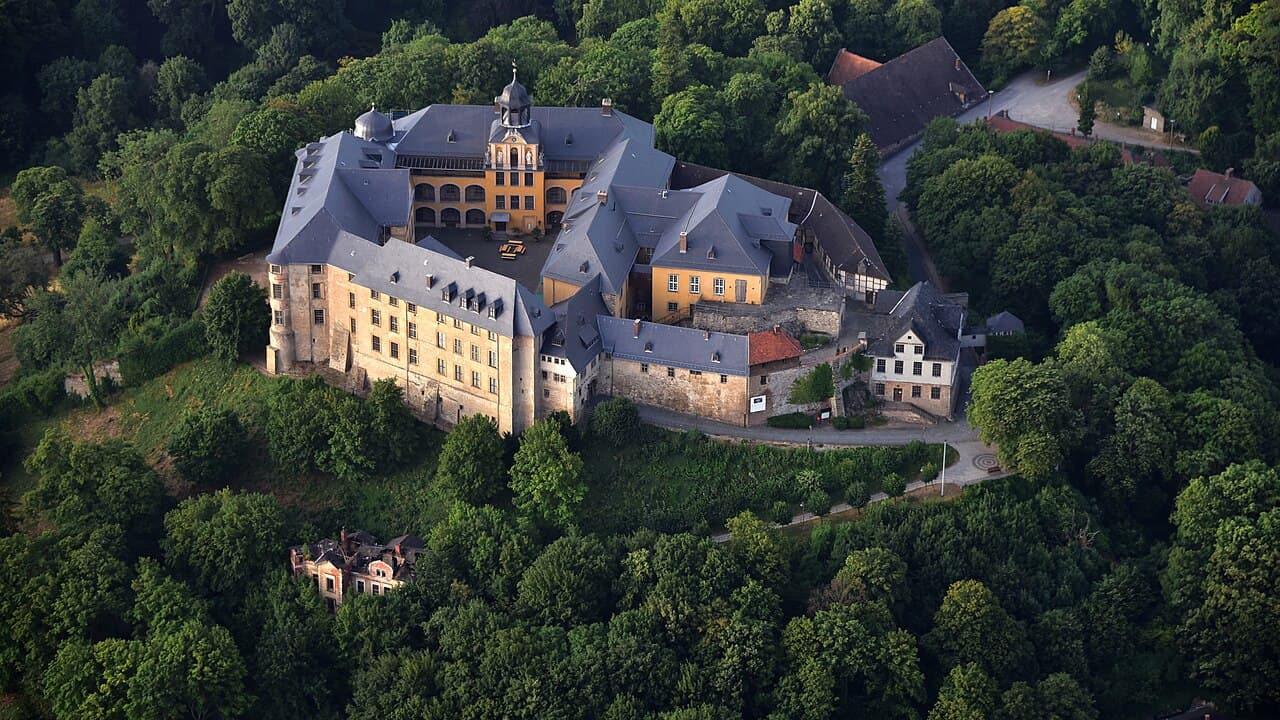
Blankenburg Castle — Germany castle

Blankenburg Castle

Great Blankenburg Castle in Saxony-Anhalt, Germany
Blankenburg, Germany
High Medieval (11th–13th c.)
Partially Restored

Great Blankenburg Castle (German: Schloss Blankenburg) is a prominent hill castle located on the limestone hill of Blankenstein at an elevation of 305 meters above sea level in the town of Blankenburg, within the district of Harz in the German state of Saxony-Anhalt. This castle holds a significant place in the region's medieval heritage, originally constructed in the 12th century during the high medieval period. It was strategically positioned to oversee the surrounding landscape and control important routes through the Harz mountains.

Architectural features and layout

The castle complex is notable for its commanding position atop the Blankenstein hill, which provided natural defensive advantages. The main castle, often referred to as the Great Castle, is complemented by the nearby Little Castle, which was later developed and includes a Baroque garden, a tea house, and a museum. These additions reflect the castle's evolution from a medieval fortress to a more residential and representational estate.

The castle's original medieval structures include robust stone walls, defensive battlements, and towers that served both military and residential purposes. The complex also features a castle park and a castle pond, elements that enhance the site's aesthetic and historical value. The surrounding town wall and the pheasant garden further illustrate the castle's integration with the town of Blankenburg and its role in local defense and leisure.

Historical significance and development

Great Blankenburg Castle was originally built as a fortress to secure the region and assert control over the Harz area. Over the centuries, it underwent various modifications reflecting changing architectural styles and functional needs. The transition from a purely defensive stronghold to a residence with elaborate gardens and cultural spaces highlights the castle's adaptation through the Baroque period and beyond.

The Little Castle and its Baroque garden are particularly significant as they demonstrate the influence of 17th and 18th-century landscape and architectural design trends. The tea house and museum now housed within the castle grounds serve as cultural attractions, preserving and presenting the castle's rich history to visitors.

Visitor experience and cultural heritage

Today, Great Blankenburg Castle is a key historical and cultural landmark in Saxony-Anhalt. Visitors can explore the castle grounds, including the medieval structures and the Baroque garden, which offer insights into the region's architectural evolution and aristocratic lifestyles. The museum provides educational exhibits that detail the castle's history, its architectural features, and the broader historical context of the Harz region.

The castle park and pheasant garden add to the visitor experience by offering scenic walking paths and a glimpse into the leisure activities of past centuries. The proximity of the town wall emphasizes the castle's historical role in local defense and urban development.

Preservation and current status

Great Blankenburg Castle is well preserved and partially restored, maintaining much of its medieval character alongside later Baroque additions. Its status as a protected heritage site ensures ongoing conservation efforts to safeguard its architectural and historical integrity. The castle remains an important symbol of regional identity and a popular destination for tourists interested in medieval and Baroque architecture, as well as German history.

Frequently asked questions (FAQ)

What is the historical significance of Blankenburg Castle?
Blankenburg Castle, built in the 11th century, is a significant example of medieval architecture in Germany. It served as a royal residence and stronghold, playing a crucial role in the region's history, particularly during the conflicts of the medieval period.
When was Blankenburg Castle constructed?
The construction of Blankenburg Castle began in the early 11th century. Over the centuries, it has undergone several renovations and expansions, reflecting various architectural styles and historical influences.
Can I visit Blankenburg Castle?
Yes, Blankenburg Castle is open to the public, allowing visitors to explore its impressive structures and stunning views of the surrounding landscape. Guided tours are available to enhance your experience and provide deeper insights into the castle's history.
What are the opening hours of Blankenburg Castle?
Blankenburg Castle typically opens from 10 AM to 6 PM, but hours may vary seasonally. It's recommended to check the official website before your visit for the most current information regarding opening times and any special events.
Is it possible to access Blankenburg Castle by public transport?
Yes, Blankenburg Castle is accessible by public transport, with regular bus and train services connecting to the town of Blankenburg. From the train station, it's a short walk to the castle, making it convenient for visitors without a car.
What is the best time to visit Blankenburg Castle?
The best time to visit Blankenburg Castle is during the spring and early autumn months when the weather is pleasant and the surrounding gardens are in full bloom. Additionally, visiting during weekdays can help you avoid crowds and enjoy a more peaceful experience.
What are the ticket prices for Blankenburg Castle?
Ticket prices for Blankenburg Castle are generally affordable, with discounts available for students, seniors, and families. Children under a certain age may enter for free, making it a great option for family outings.
Are there any nearby attractions to visit along with Blankenburg Castle?
Yes, nearby attractions include the historic town of Blankenburg, the beautiful gardens of the castle, and the scenic Harz Mountains. These sites offer additional opportunities for exploration and enjoyment during your visit.

Photo gallery

Blankenburg Castle
Click to view

Photo by Wolkenkratzer•CC BY-SA 4.0

1 photo • Click any image to view in full screen

Information

Hill Castle

Loading map...

Visitor reviews

No reviews yet. Been here? Write the first review and help other travelers!

Write the first review

Visited this castle? Share your experience

Your review helps other travelers and adds first-hand knowledge to our encyclopedia.
Write a review

(5/5)

0/2000 characters

Your review will be visible after admin approval

Nearby castles

3.2 km
Regenstein Castle — Germany castle

Regenstein Castle

Blankenburg, Germany

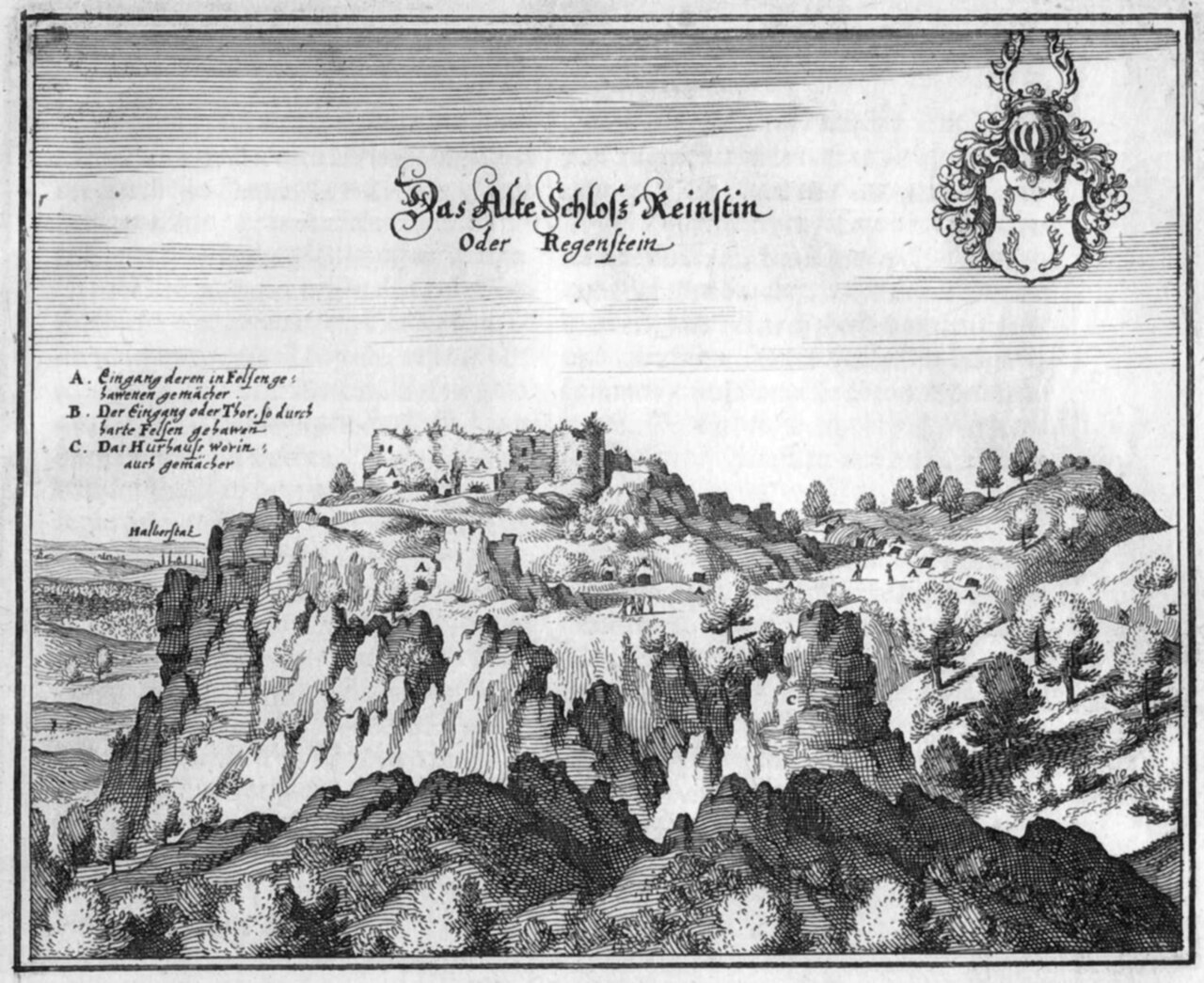
Regenstein Castle (German: Burg Regenstein) stands as a significant medieval fortress ruin located approximately three kilometres north of Blankenburg in the German state of Saxony-Anhalt. Perched atop a prominent 294-metre high sandstone rock, the castle's strategic position dominates the surrounding landscape, reflecting its historical importance in regional defense and control during the early and high Middle Ages. Architectural features and layout The castle was originally constructed as a rock castle, integrating natural geological formations into its defensive design. Its most notable architectural characteristic is the extensive network of internal chambers and rooms carved directly into the sandstone rock, which provided functional living and storage spaces protected from external attack. These rock-hewn chambers survive today as some of the most evocative remnants of the castle's original structure. Above the carved chambers, the remains of the castle keep can still be seen, although largely in ruinous condition. The keep would have served as the last line of defense and residence of the lord of the castle. Surrounding the rock formation are the ruins of a later fortress extension, indicating that Regenstein Castle underwent modifications and expansions over several centuries to adapt to evolving military needs. The castle's location on a sandstone outcrop not only provided natural fortification but also required ingenious architectural solutions to supply water and provisions. Below the castle lies the site of the old Regenstein Mill, which historically supplied water to the castle inhabitants, illustrating the integration of the castle with its surrounding environment. Historical context and significance Regenstein Castle's origins date back to the early Middle Ages, with significant development during the high medieval period. It was considered a relatively impregnable fortress due to its elevated position and rock-cut defenses. The castle played a role in regional power struggles and served as a residence and stronghold for local nobility. Over time, the castle's military importance declined, and it eventually fell into ruin. Despite this, the site remains a valuable cultural and historical monument, offering insights into medieval fortification techniques, rock castle construction, and the lifestyle of its inhabitants. Present condition and tourism Today, Regenstein Castle is classified as ruins, with extensive archaeological remains that attract visitors interested in medieval history and architecture. The castle is part of the Harzer Wandernadel hiking trail network and holds the checkpoint number 80, making it a popular destination for hikers and history enthusiasts. Each year, the castle hosts a knight's tournament and a garrison festival, events that celebrate medieval culture and draw tourists to the site. These festivals help to bring the castle's history to life and engage the public with its heritage. Architectural and cultural legacy Regenstein Castle exemplifies the characteristics of a rock castle, a type of fortification that leverages natural rock formations for defense and habitation. Its carved chambers are a distinctive feature that demonstrates medieval engineering adapted to challenging terrain. The castle's ruins provide valuable archaeological and architectural information about medieval construction techniques and the adaptation of natural landscapes for defensive purposes. The site's preservation as a ruin allows for ongoing study and public education about medieval fortifications in Germany.

High Medieval (11th–13th c.)
Details
8 km

Bodfeld

Germany, Germany

Bodfeld is a significant medieval royal hunting lodge and administrative complex located near Elbingerode in the Harz mountains of Germany. Established during the Ottonian dynasty in the 10th century, it functioned primarily as a retreat for royal hunting expeditions and as a center for managing the rich ore mining activities in the surrounding region. Its strategic location on a hill spur known as Schloßkopf provided both defensibility and oversight of the nearby territories. The earliest historical references to Bodfeld date back to the reign of Henry I, who reportedly fell ill at the site in 935. His son, Otto I, officially designated Bodfeld as a royal hunting lodge around 936 and made multiple visits thereafter. The lodge maintained its importance through the reigns of subsequent rulers, including Otto II, Otto III, and Henry III. Notably, Henry III issued his last known document at Bodfeld in September 1056 and died there the following month, with the event attended by the pope and imperial princes. Later that year, Henry IV was crowned King of the Germans at Bodfeld, underscoring the site's continued ceremonial and administrative significance. Historical context and royal significance Bodfeld was part of a broader network of royal lodges used by the Ottonian and early Salian monarchs for hunting and governance. Unlike major imperial palaces known as pfalzen, Bodfeld did not host significant church festivals, which may have limited its political status. Nevertheless, it served as a vital hub for managing the surrounding forested lands and mineral resources, especially the important ore deposits in the Harz region. The lodge was connected to other Saxon hunting sites through routes such as the Königsstieg or "King's Path," facilitating travel and communication between royal residences. Nearby villages like Erdfeld, located about 1.5 kilometers away on an old military road, were likely associated with Bodfeld's operations before being abandoned in the late Middle Ages. The name Bodfeld also referred to a large forested territory granted by Henry II in 1009 to Gandersheim Abbey. This extensive area stretched across the Harz from Braunlage in the west to Elbingerode in the northeast and included villages such as Stiege and Beneckenstein. This grant highlights the region's importance in medieval resource management and ecclesiastical land holdings. Archaeological discoveries and site layout The precise location of Bodfeld was lost by the end of the 13th century and only rediscovered through archaeological efforts beginning in the late 19th century. Initial misidentifications near Königshütte were corrected by researchers such as Paul Grimm, who demonstrated the absence of typical Ottonian artifacts at that site. Subsequent investigations by Carl Erdmann and Friedrich Stolberg pointed to the hill spur known as Schloßkopf northeast of Elbingerode as the true location. Modern archaeological techniques, including infrared aerial photography and geophysical surveys, confirmed the presence of a fortified complex dating to the Ottonian period. Excavations led by historian and building archaeologist Heinz A. Behrens revealed a defensible enclosure with stone walls on two sides, complemented by two round towers likely used for observation and defense. Within the enclosure, several significant buildings were identified. A chapel catered to the spiritual needs of the royal occupants, while two large halls served as the main assembly and administrative spaces. Residential buildings accommodated the royal retinue and staff during visits. The main entrance was marked by a gatehouse, strategically positioned to control access to the site. Architectural features and defensive elements The layout of Bodfeld reflects typical Ottonian royal lodge design principles, favoring elevated positions with natural defensive advantages. The stone walls and towers provided protection against potential threats, while the arrangement of halls and residences supported the multifunctional use of the site as both a hunting retreat and an administrative center. Bodfeld shares architectural similarities with the Pfalz of Grone, built by Henry I, indicating a shared tradition in royal lodge construction during the Ottonian era. However, Bodfeld's lack of major ecclesiastical festivals differentiates it from full imperial palaces, suggesting a more specialized role focused on hunting and resource management. Decline and historical legacy After the 11th century, Bodfeld's prominence declined, with documented royal visits becoming increasingly rare. By the late 13th century, the lodge fell out of use and its location was forgotten for centuries. The revival of interest in the site during the 19th and 20th centuries has allowed historians and archaeologists to piece together its significance in medieval German history. Today, the remains of Bodfeld provide valuable insights into Ottonian royal architecture and medieval hunting culture. The surviving walls, towers, and foundations attest to the site's dual function as a fortified residence and administrative hub. Bodfeld exemplifies the integration of military, residential, and economic roles in a royal lodge designed to support the complex demands of medieval kingship. Visiting bodfeld and its surroundings While Bodfeld itself is an archaeological site with limited visible structures, its location near Elbingerode offers opportunities to explore the natural beauty of the Harz mountains and other historic sites. Visitors interested in medieval history and architecture can appreciate the strategic importance of the site and its role within the network of Ottonian royal lodges. The surrounding region retains traces of medieval settlement patterns, including the abandoned village of Erdfeld and the extensive forest lands once granted to ecclesiastical authorities. These features contribute to understanding the broader historical landscape in which Bodfeld operated.

Details
12.5 km

Quedlinburg Abbey

Quedlinburg, Germany

Quedlinburg Abbey stands as a significant medieval foundation on the castle hill of Quedlinburg in Saxony-Anhalt, Germany. Established in 936 AD by Otto I, Holy Roman Emperor, at the behest of his mother, Queen Matilda (later canonized as Saint Matilda), the abbey was created to honor her late husband, King Henry the Fowler, who was interred here alongside Matilda herself. This founding endowed the abbey with strong imperial connections that secured rich endowments, enabling it to flourish as a wealthy and influential community of secular canonesses. The abbey's ecclesiastical status was unique: the abbess held exemption from the jurisdiction of the local Bishop of Halberstadt and answered only to the Pope. This autonomy led to frequent disputes with the bishops, who claimed spiritual authority over the abbey based on prevailing medieval gender norms. As the head of an Imperial Abbey, the abbess held a prestigious seat and voice at the Imperial Diet, participating in the Bench of the Prelates of the Rhineland within the Ecclesiastical Bench of the College of Ruling Princes. Architectural significance and the church of St. Servatius The abbey church, dedicated to Saint Servatius of Tongeren and Saint Denis, is one of the most important examples of Romanesque architecture in Germany. Construction of the current three-naved basilica began before 997 AD on the site of three earlier churches and was completed in 1021. The basilica is notable for its robust Romanesque features, including thick walls, rounded arches, and a clear, harmonious spatial arrangement. A devastating fire in 1070 caused significant damage, but the church was restored faithfully to its original form and was rededicated in 1129 in the presence of Emperor Lothar III. The building houses an impressive collection of medieval art and liturgical objects, many of which were preserved in the abbey's treasury. Historical role and cultural treasures Quedlinburg Abbey played a central role in the religious and political life of the Holy Roman Empire. Its connections to the imperial family and proximity to the important city of Magdeburg made it a hub for gathering information on contemporary political affairs. The abbey is renowned for the Annals of Quedlinburg, a chronicle begun in 1008 and completed in 1030, likely authored by a female canoness. These annals provide a valuable contemporary account of the empire's history during the early medieval period. During the Reformation, the abbey transitioned to Protestantism under Abbess Anna II, Countess of Stolberg. The abbey's status as an independent ecclesiastical principality ended with the German Mediatisation of 1803, when its territory was secularized and absorbed into the Kingdom of Prussia as the Principality of Quedlinburg. It briefly became part of the Kingdom of Westphalia between 1807 and 1813. Preservation and modern significance Quedlinburg Abbey's treasury once held numerous precious manuscripts and reliquaries, including the reliquary of Saint Servatius dating back to the time of Charles the Bald. Many of these treasures were looted at the end of World War II by an American soldier but were recovered and returned to the abbey in the early 1990s after extensive legal efforts. Today, the abbey church of St. Servatius remains a well-preserved example of early medieval architecture and continues to attract scholars and visitors interested in medieval art, history, and architecture. The abbey's rich legacy as an imperial foundation, a center of religious and political power, and a repository of medieval culture makes it a vital monument in Germany's heritage.

Early Medieval (5th–10th c.)
Details

