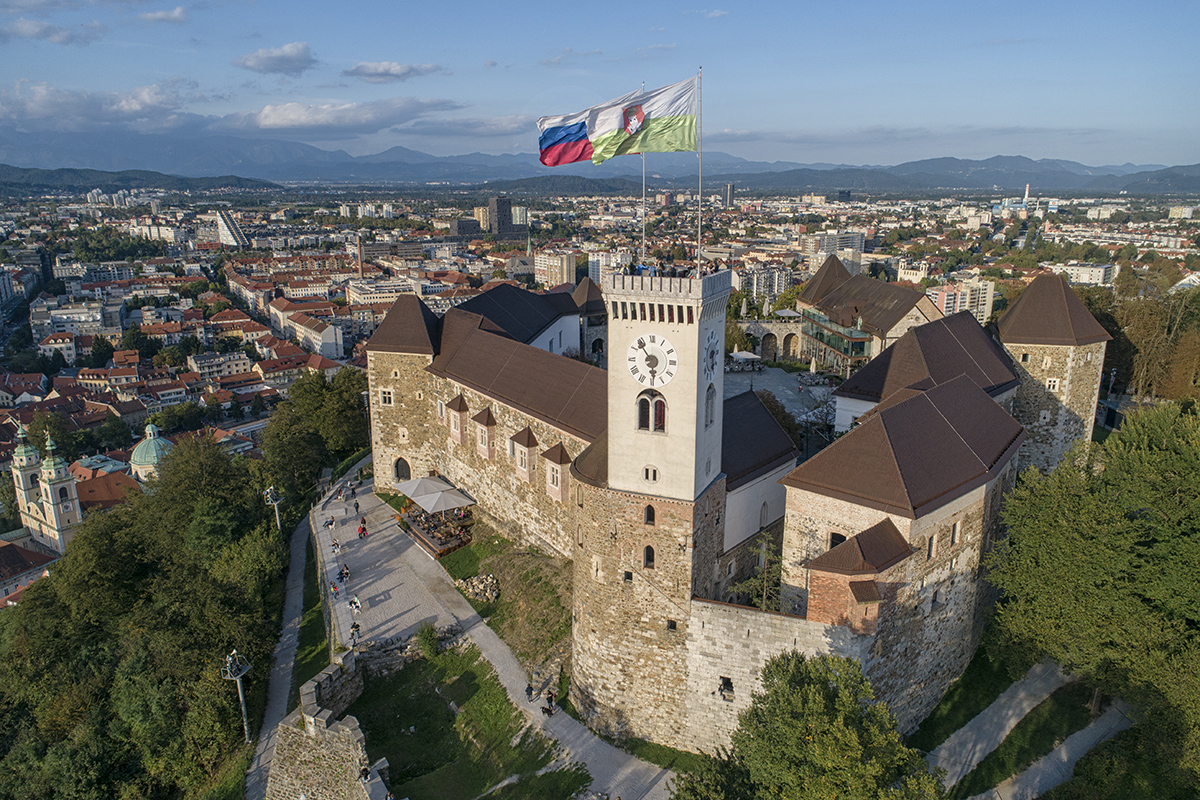
Bistra Castle
Bistra Castle, originally established as the Bistra Carthusian Monastery in 1255, stands as a significant medieval monument in Slovenia. It was the first monastery in the historical region of Carniola, marking an important religious and cultural milestone during the High Medieval period. The castle and monastery complex evolved over centuries, reflecting the religious, architectural, and social changes of the region.
The founding and early development of Bistra monastery
The monastery's foundation in the mid-13th century was a key event in Carniola's ecclesiastical history. As a Carthusian monastery, it followed the austere monastic order known for its strict adherence to solitude and contemplation. The original structures were built in a style typical of the High Medieval period, featuring fortified elements to protect the monastic community.
During the first half of the 14th century, the monastery underwent significant expansion. This period marked the peak of its influence and prosperity. The monastic library became a center of learning and manuscript production, where monks diligently copied and created original works. This intellectual activity contributed to the cultural richness of the region and preserved important medieval texts.
Architectural features and monastic functions
The complex combined religious, residential, and industrial functions. Architecturally, the monastery included a church, cloisters, living quarters, and various service buildings. Defensive features such as thick walls and limited access points were typical of monastic constructions of the era, offering protection against occasional raids or conflicts.
One of the notable aspects of Bistra Castle today is its preservation of water-driven workshops. These include a flour mill, blacksmith's workshop, fulling mill, and veneer sawmill. These facilities highlight the monastery's role not only as a spiritual center but also as a hub of local industry and craftsmanship, utilizing natural resources efficiently.
Decline and challenges through the centuries
After its medieval peak, the monastery experienced a gradual decline. It suffered damage from several fires and was severely affected by a strong earthquake in 1670. These events weakened the structure and diminished its monastic community. The decline was part of broader historical shifts affecting many religious institutions in the region.
The final blow came in the late 18th century when Emperor Joseph II issued decrees to dissolve monasteries that were deemed non-essential to the state's prosperity. This policy led to the dissolution of the Bistra monastery, with its property divided among various entities. Some lands were confiscated by the state, others returned to the Church, and some sold to private owners.
19th-century renovations and modern history
In the mid-19th century, the property was acquired by the Galle family, who undertook extensive renovations that shaped the castle's current appearance. These renovations incorporated elements of the period's architectural tastes while preserving the medieval character of the complex.
Following World War II, in 1945, the castle was nationalized. Since 1951, it has been recognized as a cultural monument of national importance in Slovenia. It now houses the Technical Museum of Slovenia, which attracts visitors interested in both the historical and technological heritage of the site.
Present-day attractions and cultural significance
Visitors to Bistra Castle can explore the preserved water-driven workshops that demonstrate traditional industrial techniques. The flour mill, blacksmith's workshop, fulling mill, and veneer sawmill offer insights into the monastic economy and medieval craftsmanship.
In addition to these, the museum displays an impressive collection of historic vehicles, including the oldest surviving car from Slovenia and limousines that belonged to President Tito, the former leader of Yugoslavia. These exhibits broaden the appeal of the site beyond medieval history to include 20th-century technological and political heritage.
Bistra Castle serves as a unique example of a medieval monastic complex that adapted through centuries of change, preserving layers of history from the High Medieval era to modern times. Its architectural features, historic workshops, and museum collections make it a valuable destination for those interested in Slovenian history, medieval monastic life, and industrial heritage.
Frequently asked questions (FAQ)
- What is the historical significance of Bistra Castle?
- Bistra Castle is a remarkable example of medieval architecture in Slovenia, dating back to the 13th century. It has served various roles throughout history, including as a noble residence and a military fortification, reflecting the region's rich cultural heritage.
- When was Bistra Castle built?
- Bistra Castle was originally constructed in the 13th century, with several renovations and expansions occurring over the centuries. The castle's design showcases the evolution of architectural styles from the medieval period through the Renaissance.
- What are the opening hours for Bistra Castle?
- Bistra Castle is typically open to visitors from 10 AM to 6 PM during the summer months and has reduced hours in the winter. It's recommended to check the official website for any seasonal changes or special holiday hours before planning your visit.
- Can I access Bistra Castle by public transport?
- Yes, Bistra Castle is accessible by public transport, with regular bus services operating from nearby cities. Visitors can also reach the castle by car, with parking facilities available on-site.
- What is the best time to visit Bistra Castle?
- The best time to visit Bistra Castle is during the spring and early autumn when the weather is pleasant and the surrounding landscapes are beautiful. Additionally, you can enjoy various cultural events and festivals held in the area during these seasons.
- Is there an admission fee to enter Bistra Castle?
- Yes, there is an admission fee to enter Bistra Castle, which helps maintain the site and its facilities. Ticket prices may vary, so it's advisable to check for the latest information on the official website before your visit.
- Are there any nearby attractions to visit along with Bistra Castle?
- Yes, nearby attractions include the picturesque town of Kamnik, known for its charming streets and historical sites, as well as the beautiful Velika Planina mountain plateau. Exploring these areas can enhance your experience of the region's rich cultural and natural offerings.
- How do I get a guided tour of Bistra Castle?
- Guided tours of Bistra Castle can be arranged through the castle's official website or at the ticket office upon arrival. These tours provide deeper insights into the castle's history, architecture, and the surrounding area, making your visit even more enriching.
Information
Loading map...
Visitor reviews
No reviews yet. Been here? Write the first review and help other travelers!
Write the first reviewVisited this castle? Share your experience
Your review helps other travelers and adds first-hand knowledge to our encyclopedia.