Birzai Castle
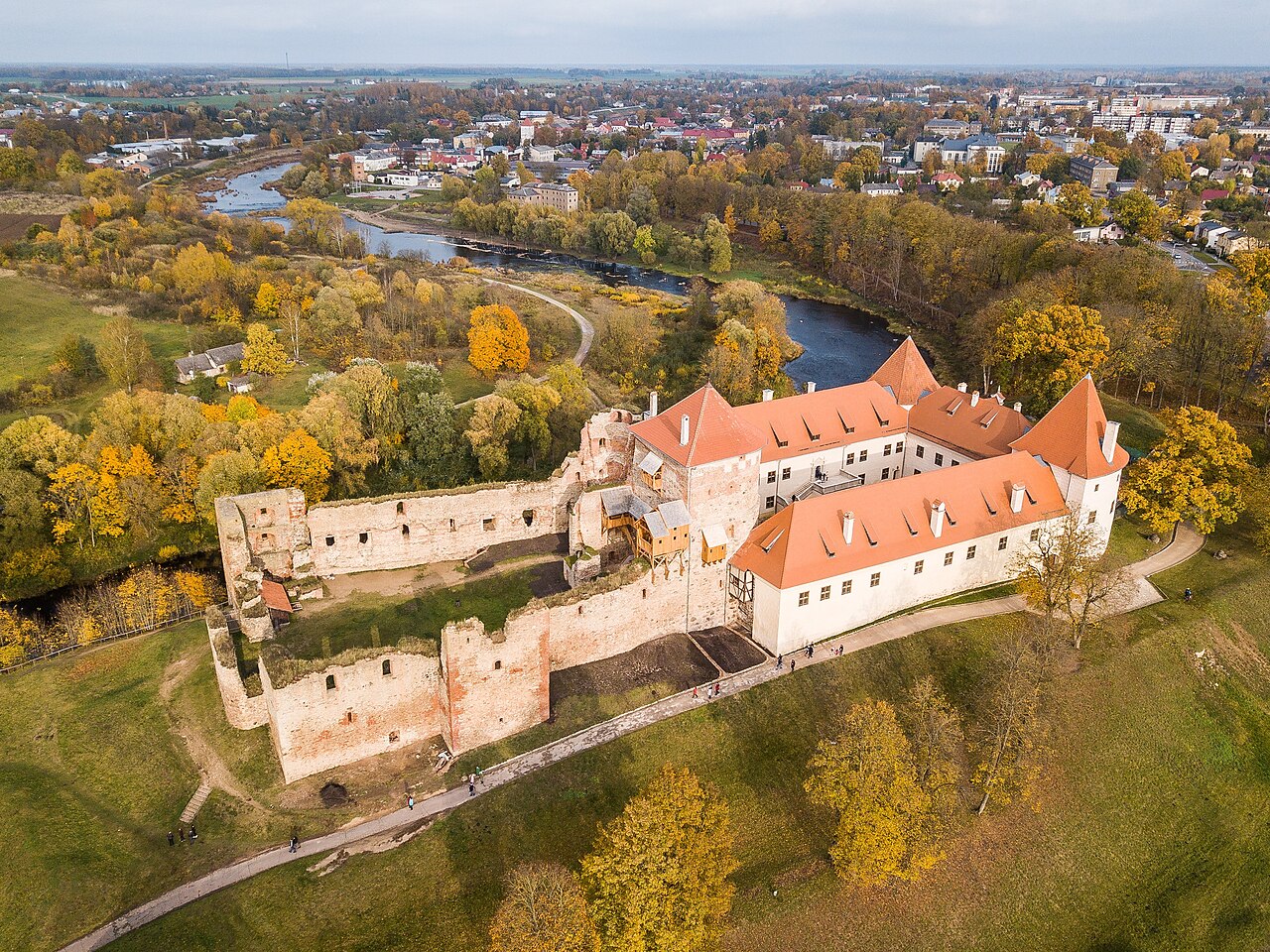
Biržai Castle, located in Biržai, northern Lithuania, is a remarkable example of a Renaissance-era earth bastion-type fortress. Constructed between 1586 and 1589 by order of Krzysztof Mikołaj Radziwiłł, the castle stands as the first Italian-style bastion fort in Lithuania and one of the earliest in North-Eastern Europe. Its strategic location at the confluence of the Agluona and Apaščia rivers was transformed through the creation of the artificial Lake Širvėna in 1575, which covers about 40 square kilometers. This lake not only enhanced the castle's natural defenses but also shaped the surrounding landscape significantly.
Historical context and construction
The castle was commissioned by the influential Radziwiłł family, specifically Krzysztof "Piorun" Radziwiłł, a notable military leader and nobleman of the Grand Duchy of Lithuania. The construction of Biržai Castle marked a significant shift in Lithuanian fortification architecture, introducing the Italian bastion system characterized by angular bastions designed to withstand cannon fire and provide overlapping fields of defensive fire. This innovative design reflected contemporary European military architectural trends of the Renaissance period.
The preparatory work for the castle’s construction involved significant hydrological engineering, including the damming of the Agluona and Apaščia rivers to create Lake Širvėna. This artificial lake acted as a natural moat, enhancing the castle's defensive capabilities by surrounding it with water, a common feature in bastion forts to deter attackers and complicate siege warfare.
Architectural features and design
Biržai Castle exemplifies the Renaissance military architecture style, blending functional defensive elements with the aesthetics of the period. The fortress features a series of earth bastions arranged in a star-shaped pattern, designed to eliminate blind spots and allow defenders to cover all approaches with cannon and musket fire.
The castle's walls were primarily constructed from earthworks reinforced with timber and stone, a typical method for bastion forts of the era, which absorbed artillery impacts better than traditional stone walls. The layout included curtain walls, bastions, and a central courtyard, with residential and administrative buildings housed within the fortified perimeter.
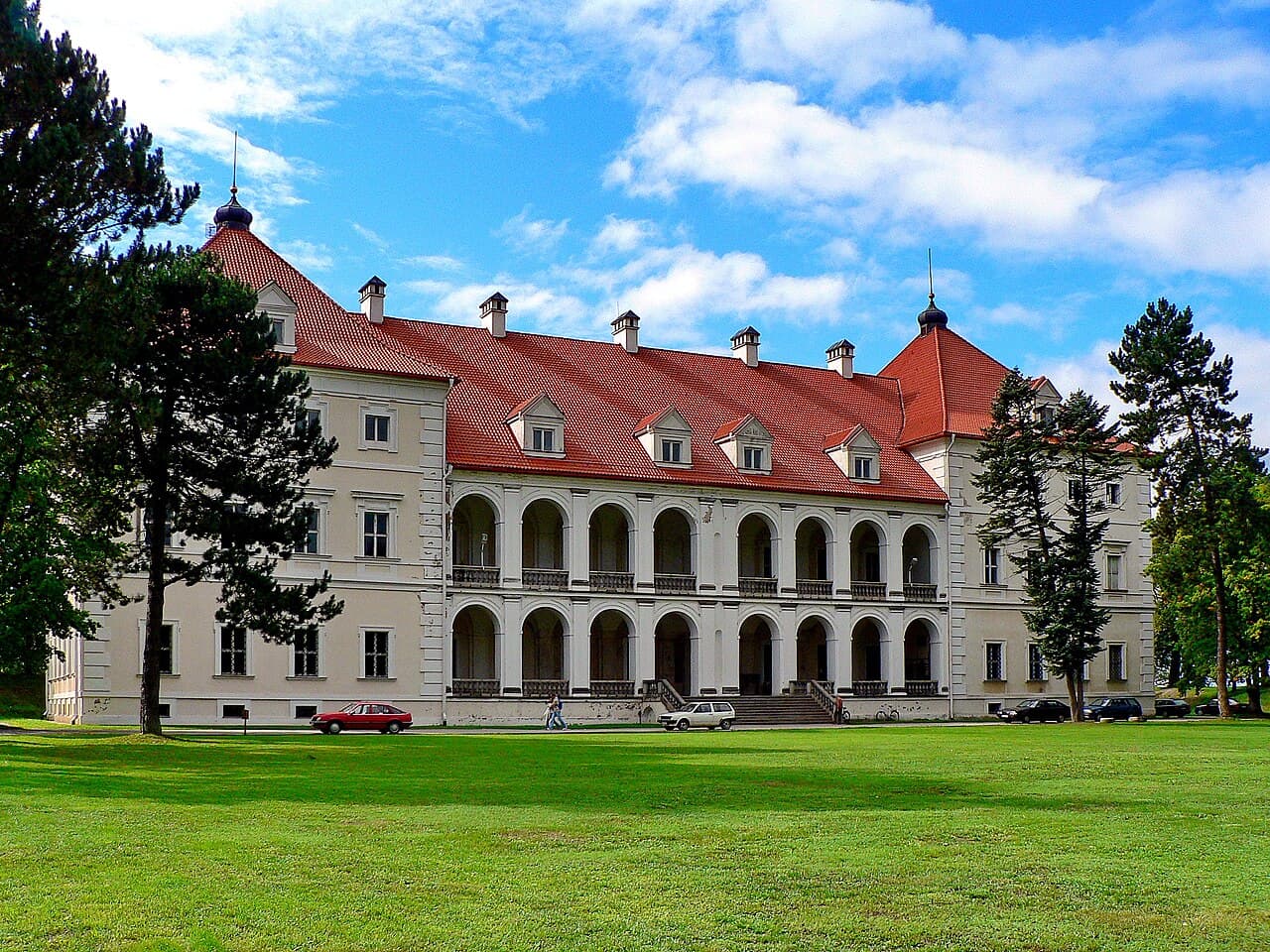
Inside the fortress, the residential manor served as the living quarters for the Radziwiłł family and their retinue. This manor combined Renaissance architectural elements with functionality, featuring spacious halls, chambers, and service areas. The castle complex also included storerooms, armories, and facilities necessary for sustaining a prolonged siege.
Role in Lithuanian history and conflicts
Since the second half of the 17th century, Biržai Castle became the main seat of the Biržai-Dubingiai line of the Radziwiłł family, who relocated from Dubingiai Castle. This transfer underscored Biržai's growing political and military importance within the region.
The castle played a crucial role during the series of conflicts known as the Wars with Sweden (mid-17th century), serving as a key defensive stronghold for the Lithuanian forces. Its bastioned fortifications were well-suited to withstand artillery sieges common in these wars, and the surrounding lake added a formidable barrier against enemy advances.
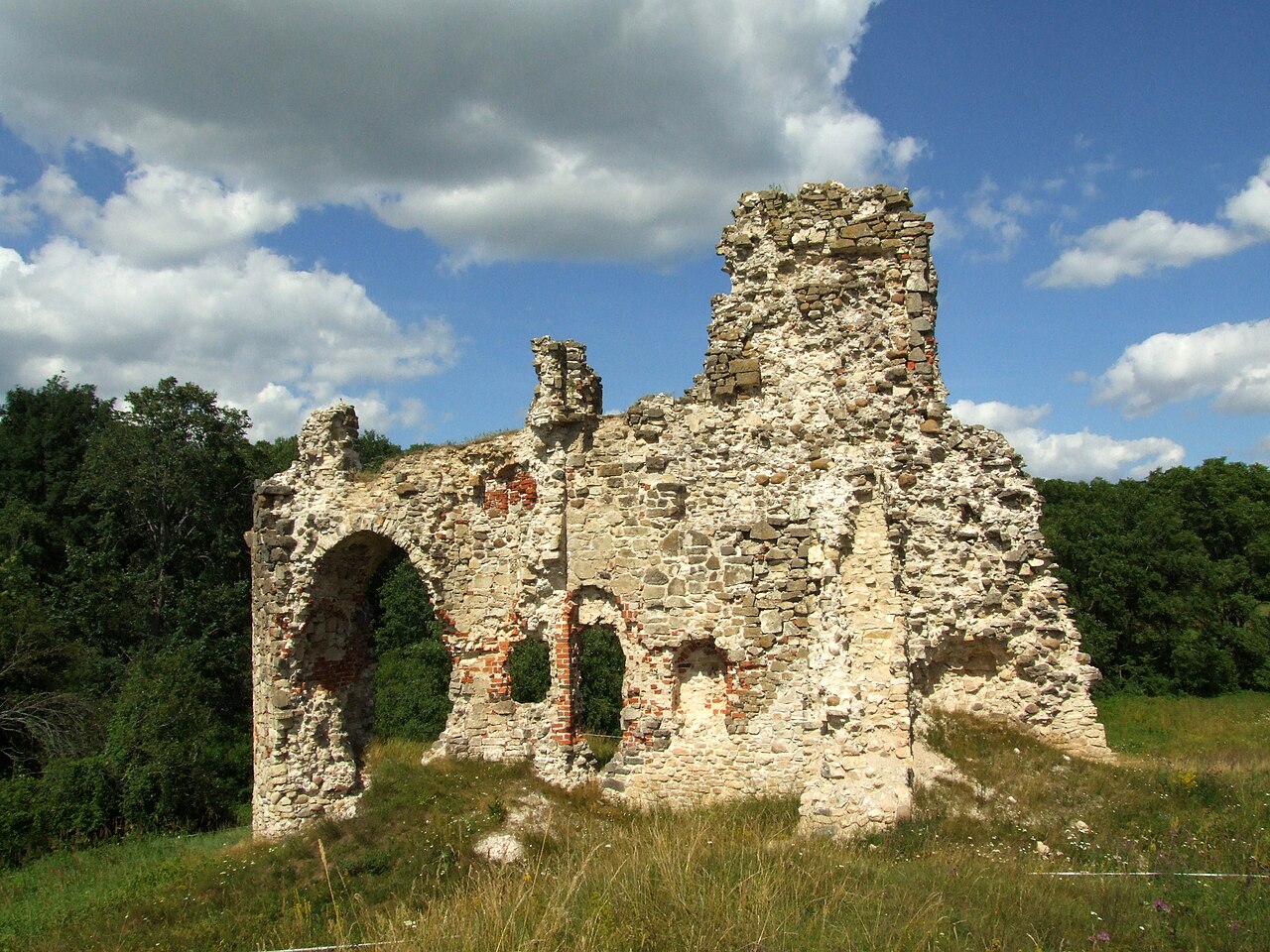
Despite its robust defenses, the castle suffered damage and periods of neglect during subsequent centuries, reflecting the turbulent history of the region and shifting political powers.
Restoration and modern use
By the 20th century, Biržai Castle had fallen into ruin. The castle underwent significant reconstruction during the 1980s, with efforts focused on restoring its Renaissance-Baroque character. This restoration was based on historical research and archaeological findings to faithfully recreate the castle's original appearance and defensive features.
Today, the castle complex houses a regional history museum called Sėla, established in 1928, which preserves and exhibits artifacts related to the castle's history and the broader cultural heritage of the region. The residential manor also contains a library and serves as a cultural center for the community.
The castle is well-preserved and open to visitors, offering insights into Renaissance military architecture and the historical legacy of the Radziwiłł family. Its location in the Aukštaitija region within Panevėžys County makes it a significant landmark and tourist attraction in northern Lithuania.
Visitor experience and cultural significance
Visitors to Biržai Castle can explore the restored bastions, walk along the defensive walls, and learn about the castle’s role in Lithuanian history through museum exhibits. The surrounding Lake Širvėna provides scenic views and opportunities for nature walks, enhancing the site’s appeal.
The castle's blend of military architecture and residential elegance reflects the dual purpose of Renaissance fortresses as both defensive structures and noble residences. Its preservation contributes to understanding the evolution of fortification design and the historical dynamics of the Baltic region.
Frequently asked questions (FAQ)
- When was Biržai Castle constructed?
- Biržai Castle was constructed between 1586 and 1589 under the order of Krzysztof Mikołaj Radziwiłł.
- What architectural style is Biržai Castle built in?
- The castle is built in the Renaissance style, featuring an Italian-style bastion fort design.
- What is the significance of Lake Širvėna?
- Lake Širvėna, an artificial lake created by damming rivers, serves as a natural moat enhancing the castle's defense.
- Can visitors access the museum inside Biržai Castle?
- Yes, the castle houses a regional history museum called Sėla, which is open to the public.
- What role did Biržai Castle play in wars with Sweden?
- Biržai Castle was a major Lithuanian defensive stronghold during the wars with Sweden in the 17th century.
Photo gallery

Information
Sources & official resources
Verify the information above using these authoritative references.
Loading map...
Visitor reviews
No reviews yet. Been here? Write the first review and help other travelers!
Write the first reviewVisited this castle? Share your experience
Your review helps other travelers and adds first-hand knowledge to our encyclopedia.