Berdkunk Fortress
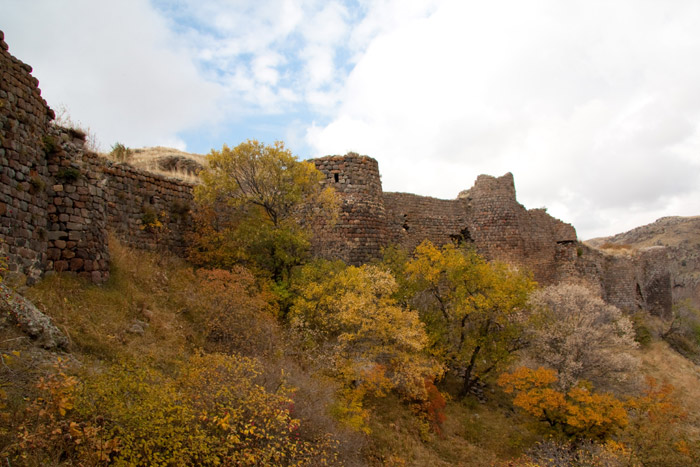
Berdkunk Fortress is a prominent example of an early medieval bastioned fortress located in Armenia, dating back to the 10th century. This fortress represents the military architectural advancements of its time, designed primarily for defense and control over the surrounding region. Its construction reflects the strategic importance of fortifications during the early medieval period in the South Caucasus.
Historical context and significance
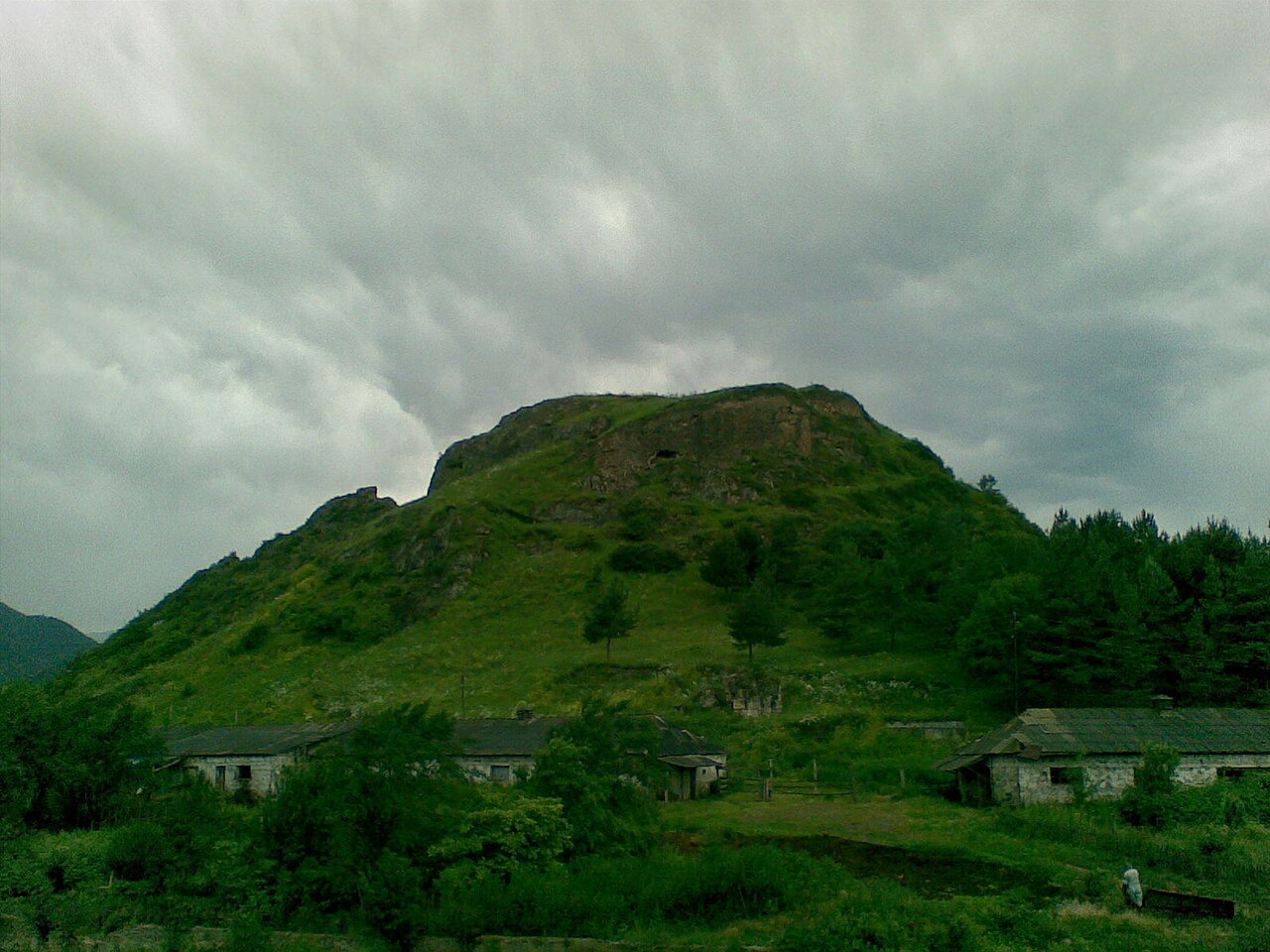
The 10th century marked a turbulent era in Armenian history, with frequent conflicts involving neighboring powers such as the Byzantine Empire, Arab Caliphates, and various local dynasties. Fortresses like Berdkunk were critical for securing territorial boundaries and protecting key routes. The fortress's location was likely chosen for its commanding views and natural defensive advantages, enabling surveillance and control over the surrounding landscape.
Although specific historical records about Berdkunk Fortress are limited, its architectural features align with the broader patterns of military construction in Armenia during the early medieval period. These fortifications were typically built to withstand sieges and to serve as strongholds for local rulers or military commanders.
Architectural features and design
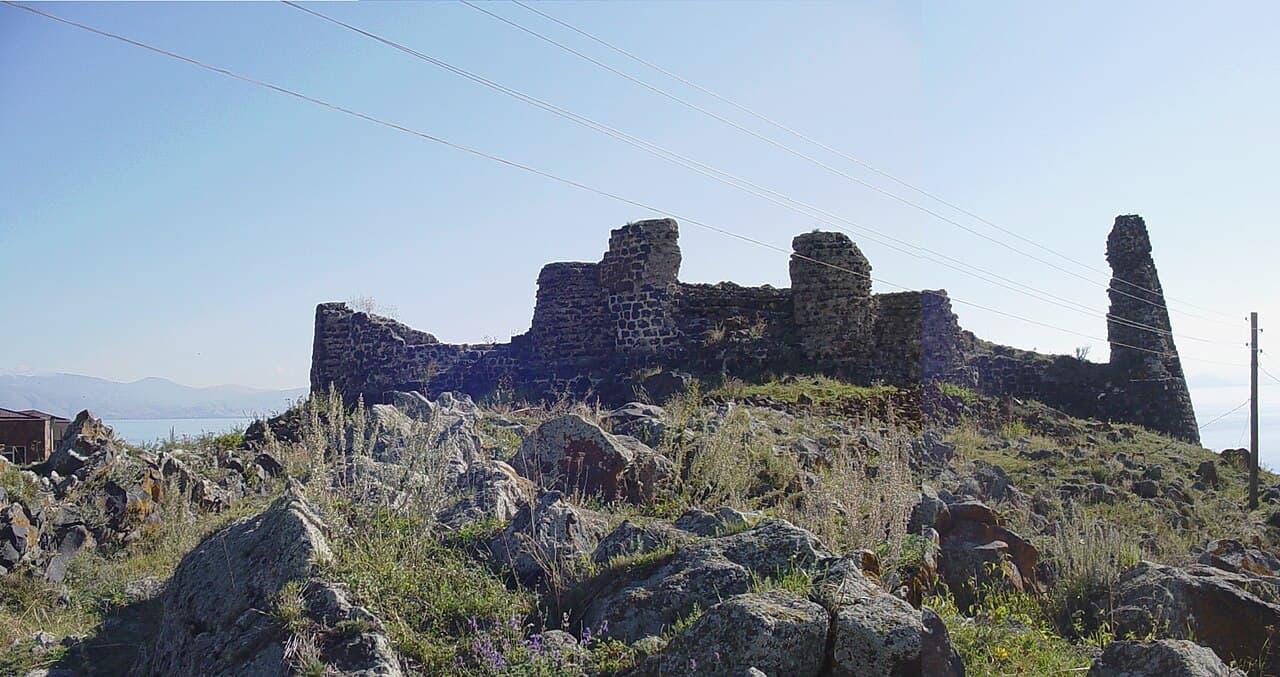
Berdkunk Fortress is classified as a bastioned fortress, a type of fortification characterized by projecting bastions or angular structures that allow defenders to cover adjacent walls with defensive fire. This design was a significant evolution in fortress construction, enhancing the ability to repel attackers and reducing blind spots along the curtain walls.
The fortress likely features thick stone walls constructed from locally sourced materials, designed to absorb and deflect attacks. The bastions would have been positioned at key points along the walls, providing overlapping fields of fire for archers or artillery. The layout probably includes a central courtyard, surrounded by defensive walls and towers, which served both military and administrative functions.
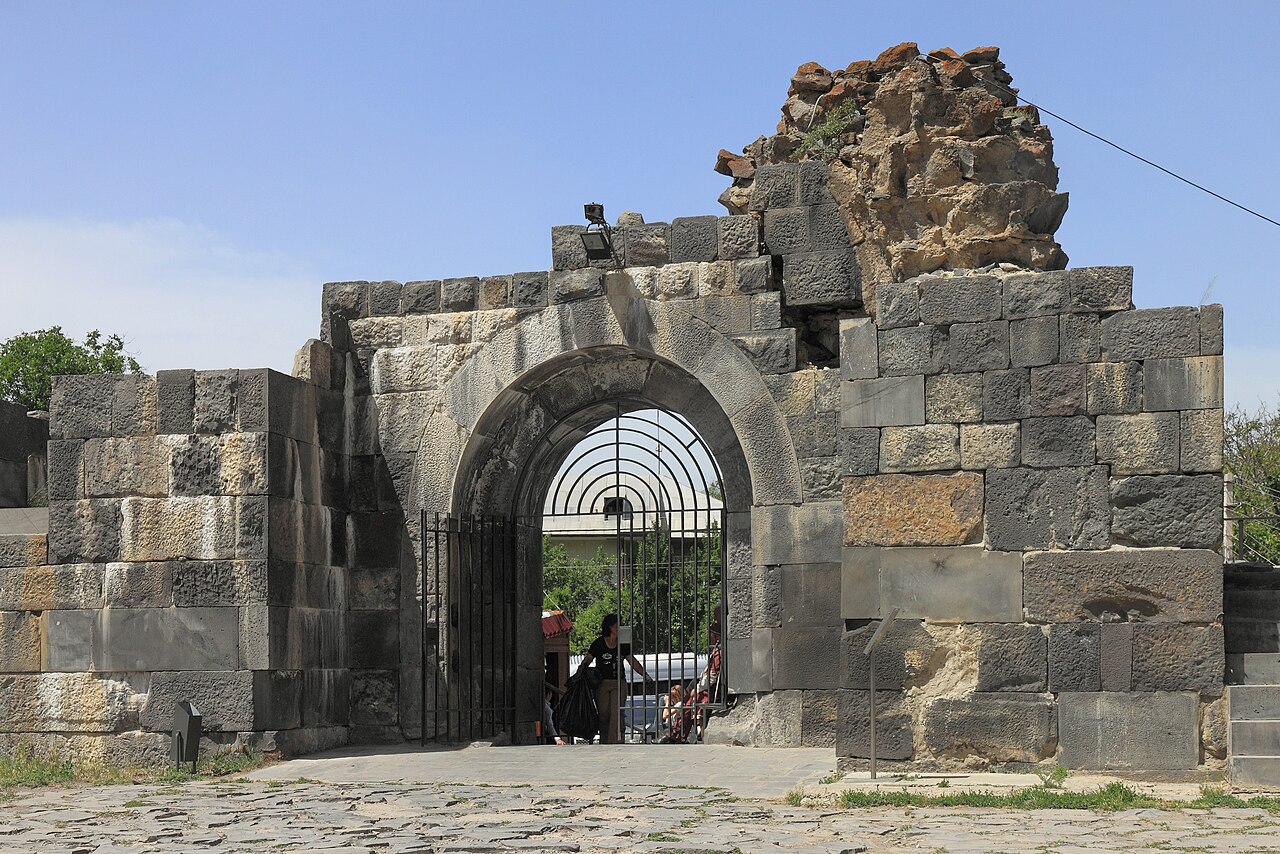
Entrances to the fortress were typically narrow and heavily fortified, often incorporating gatehouses with multiple defensive layers such as portcullises and murder holes. These features were intended to delay or prevent enemy access during assaults.
Defensive elements
The bastions at Berdkunk would have been designed to allow defenders to fire along the faces of the walls, covering the moat or ditch below if one existed. The presence of a moat or natural barriers such as steep slopes would have further enhanced the fortress's defensibility. Battlements or crenellations atop the walls provided cover for soldiers while allowing them to observe and attack advancing enemies.
Construction techniques and materials
Medieval Armenian fortresses like Berdkunk were typically constructed using robust masonry techniques. Large stone blocks were carefully cut and fitted together without mortar in some cases, relying on precise craftsmanship to ensure stability. In other instances, lime mortar was used to bind stones. The walls' thickness and the use of bastions reflect an understanding of the evolving military technology and siege tactics of the period.
Current state and preservation
Today, Berdkunk Fortress stands as a partially preserved structure, with some walls and bastions remaining visible. Natural weathering and centuries of neglect have caused deterioration, but the fortress still provides valuable insights into early medieval Armenian military architecture. Preservation efforts, if any, aim to stabilize the ruins and protect them from further decay.
Visiting berdkunk fortress
While Berdkunk Fortress is not among the most widely known Armenian castles, it attracts visitors interested in medieval fortifications and Armenian history. The site offers a glimpse into the strategic military designs of the 10th century and the role of bastioned fortresses in regional defense. Visitors should prepare for a site that is largely in ruins, with limited facilities but significant historical ambiance.
Accessibility and visitor tips
Access to the fortress may involve traversing uneven terrain, and visitors are advised to wear suitable footwear. There may be no formal visitor center or guided tours available on site, so prior research or local guides can enhance the experience. The best time to visit is during the warmer months when weather conditions are favorable for outdoor exploration.
Frequently asked questions (FAQ)
- How do I get to Berdkunk Fortress?
- Berdkunk Fortress is accessible by road from major cities in Armenia, particularly from Yerevan. Visitors can take a bus or hire a taxi to reach the fortress, which is located near the town of Berd. It's advisable to check local transport schedules for the best routes.
- What is the historical significance of Berdkunk Fortress?
- Berdkunk Fortress dates back to the 10th century and is an important example of medieval Armenian military architecture. It served as a strategic defense point against invasions and has witnessed numerous historical events throughout the centuries. The fortress is a symbol of Armenia's rich cultural heritage.
- When was Berdkunk Fortress built?
- Berdkunk Fortress was constructed in the 10th century during the period of the Kingdom of Armenia. Its construction reflects the architectural styles and military needs of the time, showcasing the ingenuity of Armenian builders. Various renovations and expansions have taken place over the centuries.
- Can I explore the fortress on my own?
- Yes, visitors can explore Berdkunk Fortress independently, as there are no guided tours typically required. However, it's recommended to take a map or guidebook to fully appreciate the site's historical context and architectural details. Always be mindful of safety while exploring the ruins.
- Why is Berdkunk Fortress a popular destination for tourists?
- Berdkunk Fortress attracts tourists due to its stunning views of the surrounding landscape and its rich history. The fortress provides a glimpse into Armenia's past and is an ideal location for photography and hiking. Additionally, its relatively remote location offers a peaceful escape from more crowded tourist spots.
- Is it possible to visit Berdkunk Fortress year-round?
- Yes, Berdkunk Fortress is open for visitors throughout the year, although accessibility may vary depending on weather conditions, particularly in winter. Spring and autumn are the most favorable seasons for visiting due to mild weather and beautiful natural surroundings. Be sure to check local conditions before planning your trip.
- What are the opening hours for Berdkunk Fortress?
- Berdkunk Fortress does not have set opening hours since it is an outdoor site. Visitors are generally welcome at any time, but daylight hours are recommended for safety and to fully enjoy the views. Arriving early in the morning or late afternoon can provide a more tranquil experience.
- Are there any nearby attractions to visit?
- Nearby attractions include the picturesque town of Berd, where visitors can explore local culture and cuisine. The region is also home to several other historical sites and natural wonders, such as hiking trails and scenic viewpoints. Combining a visit to Berdkunk Fortress with these attractions can make for an enriching day trip.
- What are the ticket prices to enter Berdkunk Fortress?
- There is no admission fee to enter Berdkunk Fortress, making it an accessible destination for all visitors. However, donations for the preservation of the site are appreciated. It's a great opportunity to enjoy Armenia's history without any cost barriers.
Photo gallery

Information
Loading map...
Visitor reviews
No reviews yet. Been here? Write the first review and help other travelers!
Write the first reviewVisited this castle? Share your experience
Your review helps other travelers and adds first-hand knowledge to our encyclopedia.