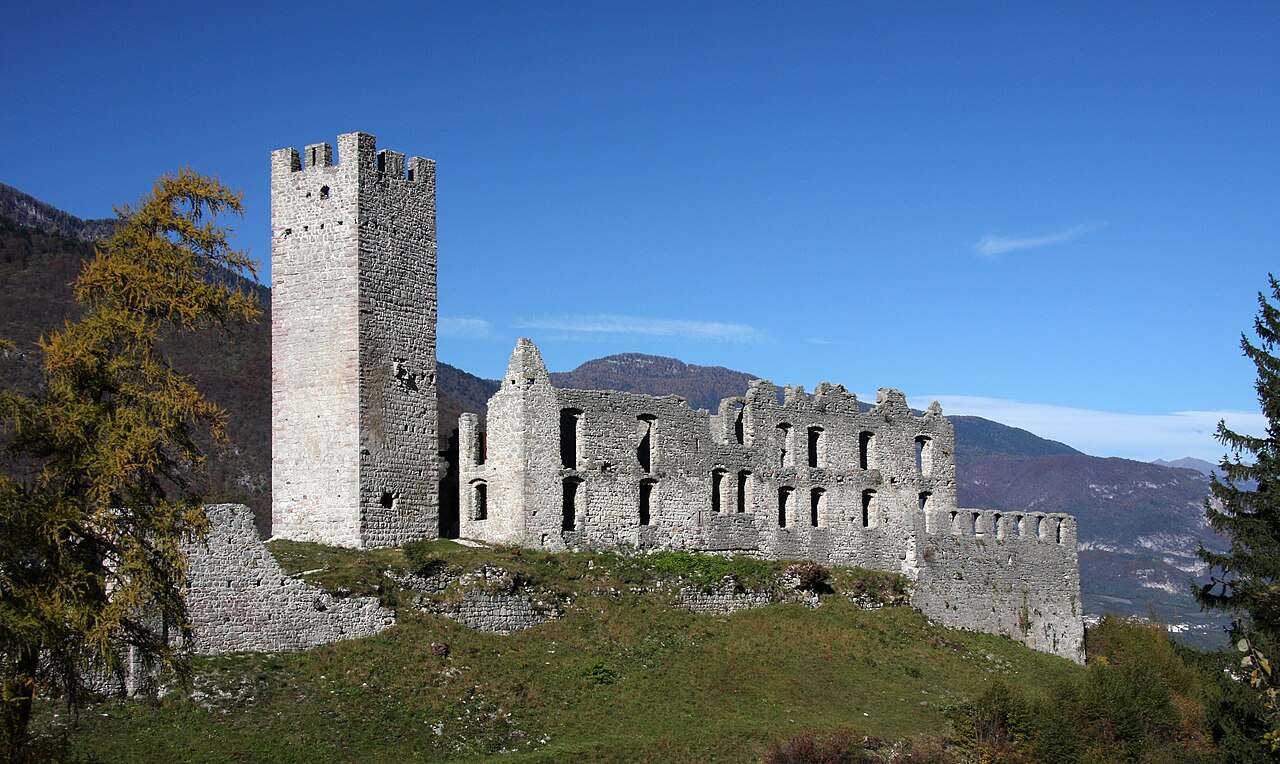
Belfort castle stands as a remarkable historical monument perched on a rocky hill in Spormaggiore, Italy. Its origins date back to 22 May 1311, when Henry, Count of Tyrol and Carinthia, granted permission to Tissone di Spora of Altspaur to construct the fortress along Via Nuova. The initial construction focused on a sturdy stone tower measuring 5.8 by 6.7 meters externally, with internal dimensions of 2.5 by 2.75 meters. This tower featured a small balcony used as a guard post, emphasizing its defensive purpose. Adjacent to the tower, a residential building was erected, marking the beginning of the castle's complex.
Medieval origins and architectural evolution
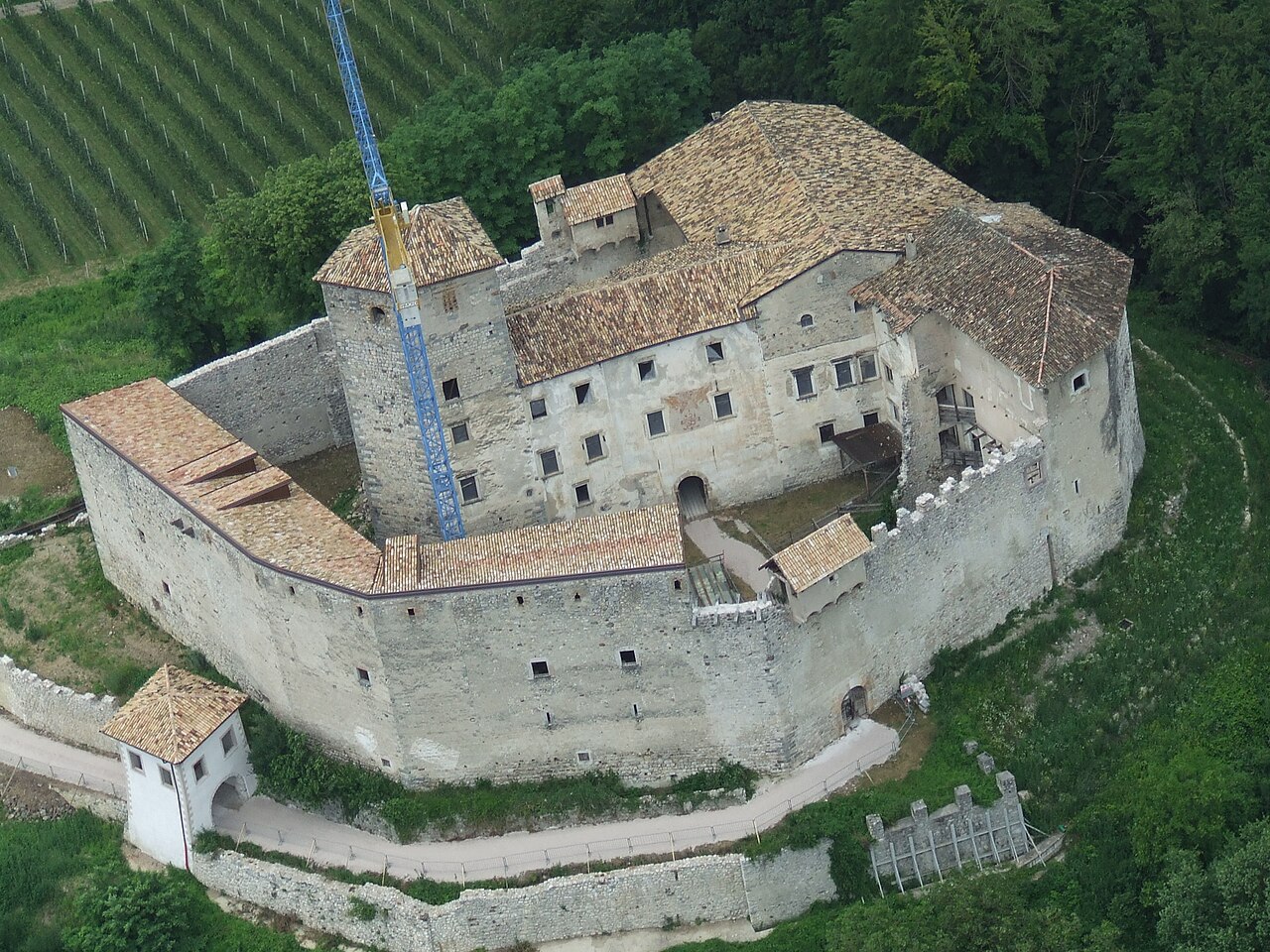
By 1350, the castle came under the ownership of Nicolò Reifer. Over the centuries, Belfort castle changed hands numerous times, earning the nickname "castle of a hundred families" due to its many proprietors. Successive owners expanded the fortress, which was laid out as an elongated rectangle surrounded by a double defensive wall and a small outer bailey. The castle was likely encircled by a dry moat spanned by a drawbridge, enhancing its defensive capabilities.
The 17th-century transformation and decline
In 1642, while under the possession of the Spaur family, Belfort underwent significant renovations. An inventory from 1645 lists several rooms including kitchens, halls, a small lounge, a large room, and a chapel dedicated to Saint Sebastian on the upper floor. The castle also featured practical spaces such as stables, a vegetable garden, and utility rooms. Despite these improvements, by 1668 reports described the fortress as ruined. The situation worsened when a devastating fire in 1670 destroyed much of the structure.
18th-century rebuilding and later history
The Saracini family undertook a reconstruction in 1742, demolishing the medieval buildings except for the original tower. They replaced them with a new rectangular residential structure designed for comfort rather than defense. By the late 18th century, Belfort castle had lost its military importance, becoming a summer residence. The Napoleonic wars accelerated its decline, and the castle gradually fell into ruin.
Modern preservation and visitor experience
Ownership remained with the Saracini family until 1996, when the municipality of Spormaggiore took possession. Starting in 2000, extensive conservation efforts began to stabilize the ruins. These works, completed by 2012, preserved the remains of the residential building, restored the medieval tower, and repaired the outer bailey walls and gate adorned with a limestone portal bearing the Saracini coat of arms. Visitors today access the castle via a ramp likely replacing the original drawbridge.
Architectural features and views
A metal staircase inside the tower allows visitors to ascend halfway up, where a viewing platform offers stunning panoramic views of the surrounding landscape and nearby castles. The site’s combination of medieval ruins and later post-Renaissance architecture provides a unique glimpse into the region’s layered history and evolving defensive and residential styles.
Historical significance and cultural heritage
Belfort castle embodies the turbulent history of northern Italy’s alpine region, reflecting changes in military technology, noble residence preferences, and regional power dynamics from the 14th century through the 18th century. Its nickname, "castle of a hundred families," highlights its role as a contested and inherited stronghold. Today, it stands as a protected heritage site, offering educational insights and cultural value to visitors and historians alike.
Frequently asked questions (FAQ)
- When was Belfort castle originally built?
- Belfort castle was originally constructed in 1311 after permission was granted by Henry, Count of Tyrol and Carinthia.
- What caused the major damage to Belfort castle in the 17th century?
- A devastating fire in 1670 severely damaged Belfort castle, leading to its decline and eventual rebuilding.
- Who owns Belfort castle today?
- Since 1996, Belfort castle has been owned and managed by the municipality of Spormaggiore.
- Can visitors access the tower at Belfort castle?
- Yes, visitors can climb a metal staircase to reach a viewing platform halfway up the tower, offering panoramic views.
- What architectural features remain at Belfort castle?
- The medieval stone tower, outer bailey walls, gate with a limestone portal, and remnants of the post-Renaissance residential building are preserved.
Information
Current owner
Municipality of Spormaggiore
Loading map...
Visitor reviews
No reviews yet. Been here? Write the first review and help other travelers!
Write the first reviewVisited this castle? Share your experience
Your review helps other travelers and adds first-hand knowledge to our encyclopedia.