Beaufort Castle
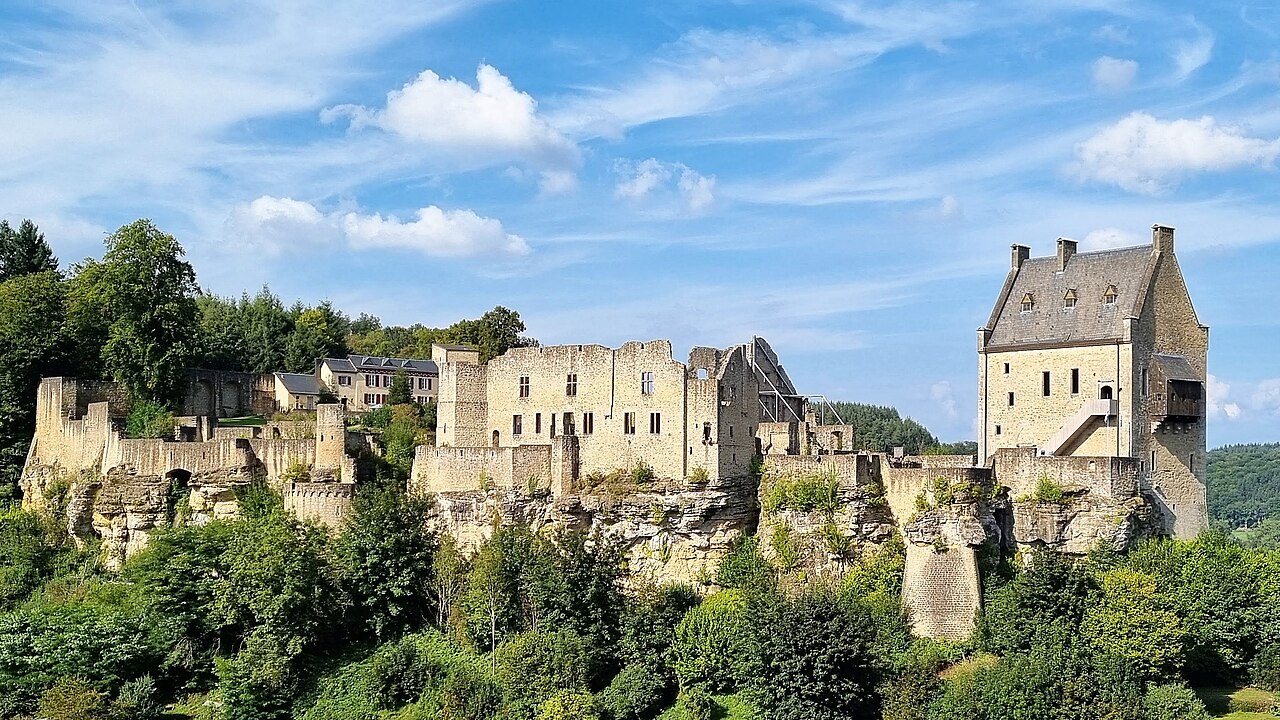
Beaufort Castle, located in the picturesque village of Beaufort in eastern Luxembourg, stands as a remarkable testament to medieval fortification and Renaissance architectural evolution. Perched on a large rock overlooking a valley, the castle's origins trace back to the 11th century, when it was initially constructed as a small, square-shaped fortress. This early stronghold was strategically protected by a moat and a secondary defensive wall, designed to guard the site’s commanding position above the valley floor.
The castle's earliest recorded lord was Wauthier de Wiltz et Beaufort, mentioned in 1192, marking the site’s significance in the High Medieval period. During the first half of the 12th century, Beaufort Castle underwent its first major expansion with the addition of a keep, a fortified tower serving as a secure residence and last defense point. The main gate was also relocated and enlarged to enhance accessibility and defense.
Medieval origins and early expansions
The initial fortress likely replaced or was built atop earlier fortifications, possibly dating back to the 9th century or even Roman times, underscoring the site's long-standing strategic importance. The castle was originally a modest rectangular stronghold, but over the centuries it expanded significantly, adapting to changing military and residential needs.
In 1348, through the marriage of Adelaide of Beaufort to William of Orley, the castle passed into the hands of the influential House of Orley. The Orley family undertook substantial enlargements, extending the castle's footprint further down the valley and enhancing its defensive structures and living quarters. This period saw the integration of Gothic architectural elements, reflecting broader stylistic trends of the late medieval era.
Confiscation and Renaissance transformation
In 1477, the castle was confiscated by Emperor Maximilian I of Austria due to a breach of trust by Johann von Orley-Beaufort. It was subsequently granted to Johann Bayer von Boppard. By the early 16th century, specifically in 1539, Bernard von Velbrück acquired the castle through marriage. Velbrück ushered in a new architectural phase by adding a large Renaissance wing atop the medieval walls. This addition featured characteristic cross-framed windows and other Renaissance stylistic details, symbolizing the castle's transition from purely defensive fortress to a noble residence reflecting contemporary tastes.
The castle later came into the possession of Gaspard de Heu, Velbrück's grandson-in-law, who was a notable supporter of the Dutch resistance and the House of Orange. His political activities led to his capture, accusation of heresy and treason, and execution in 1593. Following this, the castle was confiscated by Philip II of Spain and entrusted to Peter Ernst Graf von Mansfeld, the governor of Luxembourg.

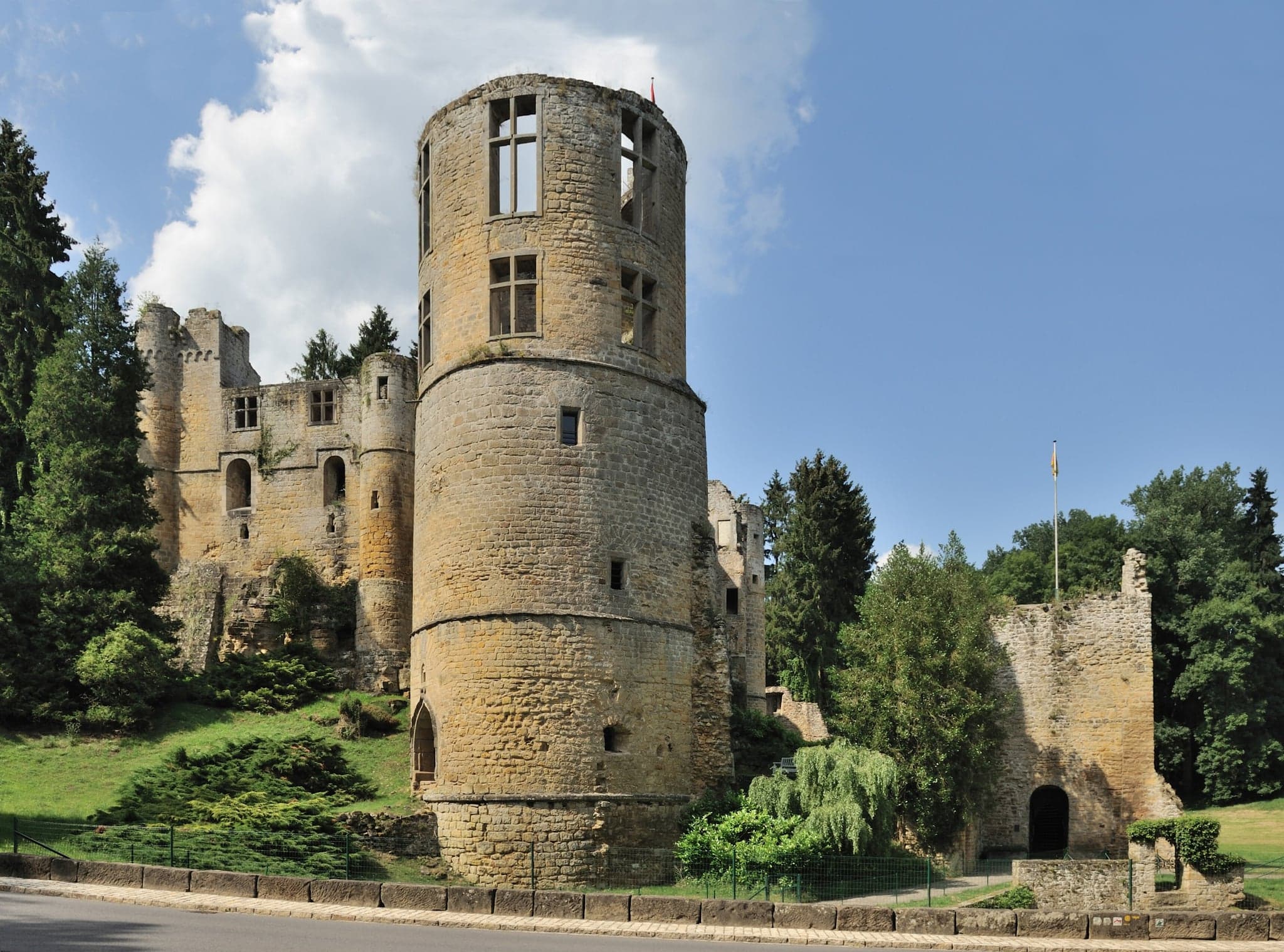
Photo by Donarreiskoffer • CC BY-SA 4.0
17th-century renaissance château construction
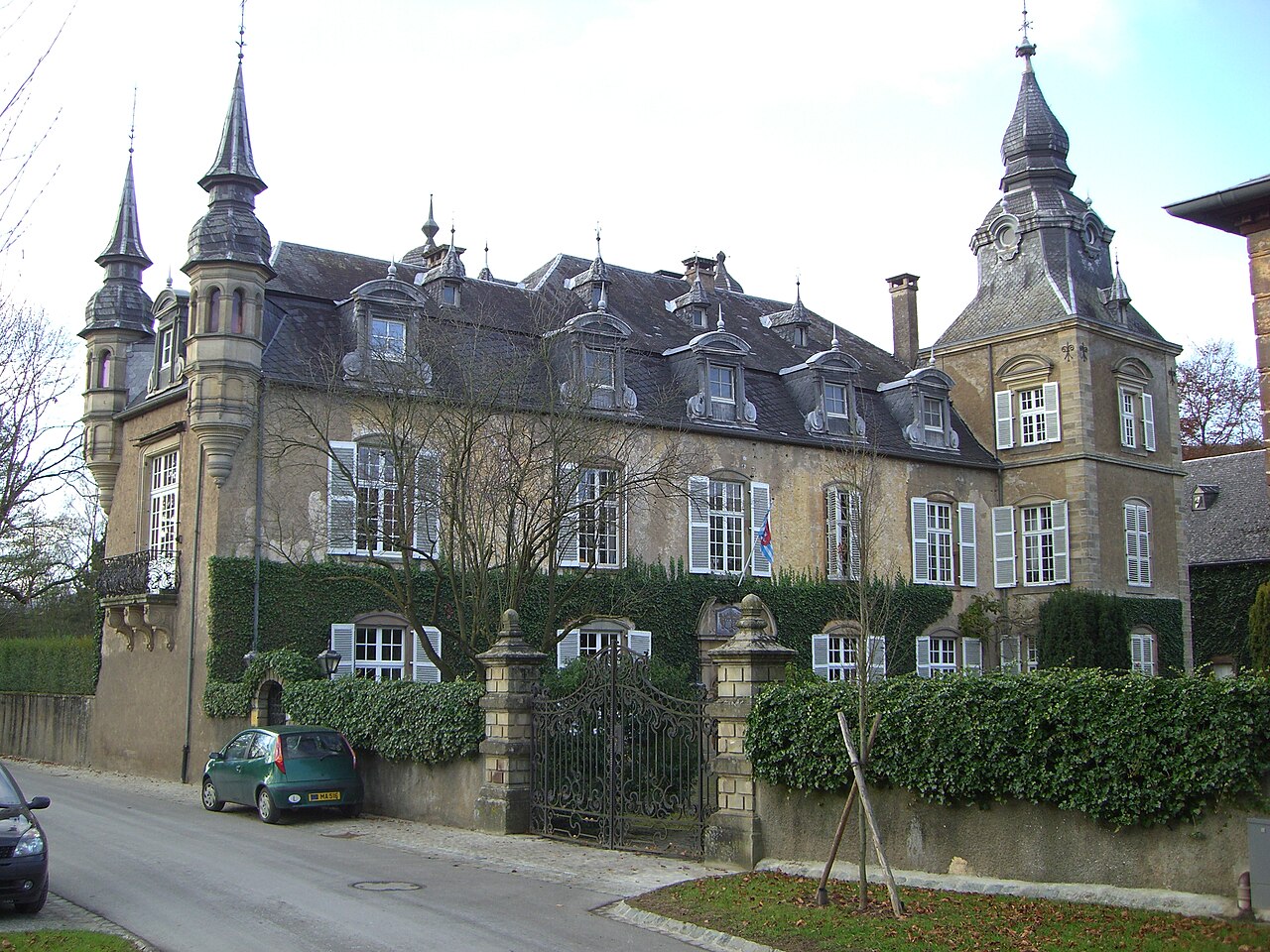
The Thirty Years War financially devastated several owners, leading to the sale of the castle in 1639 to Johann Baron von Beck, the governor of Luxembourg acting on behalf of the Spanish king. Von Beck initiated the construction of a new Renaissance château adjacent to the medieval fortress in 1643. This new residential building, completed in 1649 by his son after Johann's death from battle injuries, stood about 15 meters above the medieval ruins and exemplified Renaissance architectural principles with elegant proportions and refined details.
Following von Beck, the castle passed through various owners, including Pierre de Coumont in 1774 and Jean Théodore Baron de Tornaco-Vervoy in 1781. By the early 19th century, the castle was abandoned and fell into ruin. Portions of the structure were quarried for building materials, accelerating its deterioration.
Preservation and modern restoration efforts
Recognizing its cultural and historical value, the Luxembourg government declared Beaufort Castle a national monument in 1850, halting further destruction. Restoration efforts began in 1893 under the ownership of Henri Even, who focused on the Renaissance château. Later, in 1928, Edmond Linkels cleared rubble from the medieval ruins and opened the site to visitors, making Beaufort Castle accessible as a heritage attraction.
In 1981, the State of Luxembourg acquired the property, ensuring its ongoing preservation and public accessibility. The castle ruins and château are now maintained as a protected monument, with restoration and stabilization projects addressing structural challenges, including a significant retaining wall collapse in 2021 that fortunately caused no injuries.
Architectural features and layout
Beaufort Castle presents a fascinating juxtaposition of medieval defensive architecture and Renaissance residential design. The medieval fortress, built on a rock approximately 23 meters above the valley floor, features remnants of Romanesque and Gothic elements visible in the courtyard and surviving walls. The keep added in the 12th century served as a fortified refuge and symbol of lordly power.
The Renaissance wing, constructed in the 16th century, is distinguished by its large cross-framed windows and elegant masonry, illustrating the shift towards comfort and aesthetic appeal in castle architecture. The later Renaissance château built in the mid-17th century further embodies this transition with its refined architectural style and strategic placement overlooking the medieval ruins.
Defensive structures
- The original moat and secondary walls provided formidable defense against invaders.
- The keep functioned as a last line of defense and a residence for the lord.
- Gatehouses and curtain walls were modified over centuries to adapt to evolving military technology.
Residential and ceremonial spaces
- The Renaissance additions introduced larger windows and more spacious living quarters.
- The château served as a noble residence reflecting Renaissance ideals of symmetry and proportion.
- Interior spaces were adapted for comfort and display rather than solely defense.
Visiting beaufort castle today
Today, Beaufort Castle is a popular tourist destination, open to visitors from Easter until November 1st, typically from 9 am to 6 pm. The site offers a unique opportunity to explore both the evocative medieval ruins and the adjacent Renaissance château, providing insight into centuries of Luxembourg's noble history and architectural development.
Visitors can walk through the castle's courtyard, examine the remains of the keep, and appreciate the Renaissance enhancements that mark the evolution of castle design. The site’s elevated position offers scenic views of the valley and surrounding landscape, enhancing the visitor experience.
While the castle attracts many tourists, especially during peak season, its combination of historical significance and architectural diversity makes it a must-see for enthusiasts of medieval and Renaissance heritage.
Frequently asked questions (FAQ)
- How do I get to Beaufort Castle?
- Beaufort Castle is located in the picturesque village of Beaufort, Luxembourg. You can reach it by car, with ample parking available nearby, or by public transport via regular bus services from major cities like Luxembourg City. A scenic walk from the village center also provides a lovely approach to the castle.
- What is the historical significance of Beaufort Castle?
- Beaufort Castle dates back to the 11th century and has played a vital role in the region's history. It was originally built as a defensive structure and has seen various renovations over the centuries, reflecting the architectural styles of different periods. The castle is an important historical landmark, showcasing the evolution of medieval fortifications in Luxembourg.
- When was Beaufort Castle last renovated?
- The most recent significant restoration of Beaufort Castle occurred in the late 20th century, which aimed to preserve its medieval features while making it accessible to visitors. This restoration helped to highlight the castle's unique architectural elements, ensuring that it remains a key attraction in the region. Ongoing maintenance continues to protect its historical integrity.
- Can I enter Beaufort Castle?
- Yes, visitors are welcome to explore Beaufort Castle during its opening hours. Access to the castle grounds is free, but guided tours may be available for a fee, providing deeper insights into its history and architecture. It's recommended to check the official website for any specific access regulations or special events.
- Why is Beaufort Castle a popular tourist attraction?
- Beaufort Castle is popular due to its stunning architecture, rich history, and beautiful surrounding landscapes. Visitors are drawn to its dramatic ruins and the picturesque views of the surrounding countryside. Additionally, its proximity to other attractions in the region makes it an ideal stop for tourists exploring Luxembourg.
- Is it possible to take guided tours of Beaufort Castle?
- Yes, guided tours of Beaufort Castle are available and provide an informative experience about its history and architecture. These tours are typically led by knowledgeable guides who share interesting anecdotes and details that enhance your visit. It's advisable to check in advance for tour availability and any associated costs.
- What are the opening hours of Beaufort Castle?
- Beaufort Castle is generally open to visitors from April to October, with specific hours that may vary by season. During peak months, the castle may have extended hours to accommodate more visitors. Always check the official website for the most current information on opening times before your visit.
- What is the best time to visit Beaufort Castle?
- The best time to visit Beaufort Castle is during the spring and summer months when the weather is pleasant, and the gardens are in full bloom. This is also when the castle hosts various events, making your visit more enjoyable. Fall offers beautiful foliage, while winter can be quieter, offering a serene atmosphere.
- Are there any nearby attractions to visit?
- Yes, Beaufort is surrounded by several attractions, including the beautiful Müllerthal region, known for its hiking trails and rock formations. Nearby, you can also explore the charming village of Beaufort and its other historical sites. Visitors often enjoy combining their trip to the castle with a day of outdoor activities or local dining experiences.
- What are the ticket prices for Beaufort Castle?
- Entry to the grounds of Beaufort Castle is typically free, while guided tours may have a nominal fee. Prices may vary depending on the time of year and any special events being held. It's best to check the official website for detailed information on ticket prices and any available discounts.
Photo gallery


Information
Sources & official resources
Verify the information above using these authoritative references.
Loading map...
Visitor reviews
No reviews yet. Been here? Write the first review and help other travelers!
Write the first reviewVisited this castle? Share your experience
Your review helps other travelers and adds first-hand knowledge to our encyclopedia.