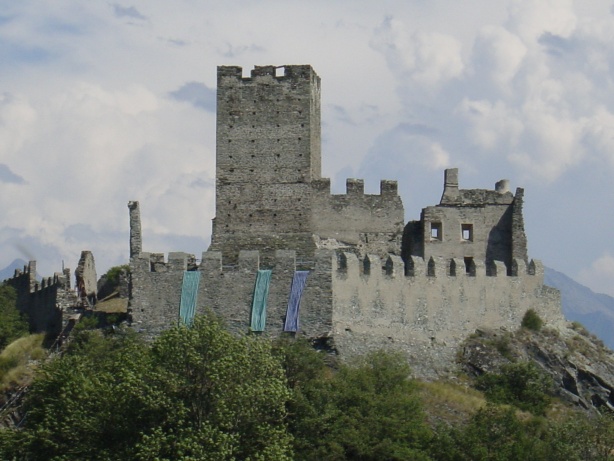
Battipaglia Castle
Battipaglia Castle is a striking example of Norman military architecture located in southwestern Italy, in the Campania region. Perched on a wooded hill above the city of Battipaglia, it commands panoramic views over the surrounding landscape, including the nearby Tusciano River and the fertile plains of the Piana del Sele. This strategic position was carefully chosen in the 12th century to protect the local population from invasions and natural threats such as flooding from the river.
The castle, also locally known as Castelluccio, is an important cultural and historical landmark that reflects the Norman influence in southern Italy during the High Medieval period. Although the modern city of Battipaglia was officially established in 1929, the area has a rich history dating back to ancient times, with significant archaeological findings nearby, including tombs from the 7th to 6th centuries BC and a Roman villa ruin known as San Giovanni.
Historical context and construction
The origins of Battipaglia Castle trace back to the Norman conquest of southern Italy, which began in the 11th century. The Normans built a network of fortifications to consolidate their control over the region, and the castle at Battipaglia was part of this defensive system. Constructed in the 12th century, the fortress was designed to serve both as a military stronghold and as a refuge for the local population.
The castle's location on a hill provided a natural defensive advantage, allowing defenders to monitor movements across the plain and along the river. This strategic siting was crucial during a period marked by frequent conflicts and power struggles among local lords and external invaders.
Architectural features
Battipaglia Castle exhibits typical elements of Norman castle architecture, characterized by robust stone construction and functional design aimed at defense. The fortress likely included a keep or donjon, which served as the last line of defense and residence for the lord or garrison commander. Surrounding the keep, there would have been curtain walls with battlements and possibly towers at key points for enhanced protection and surveillance.
The castle's walls were constructed from local stone, providing both strength and durability. The presence of preserved murals inside the castle indicates that it also had areas intended for habitation and ceremonial use, reflecting the dual military and residential function of the structure.
Defensive structures and layout
The design of the castle incorporated features typical of Norman fortifications, such as narrow arrow slits for archers, and a well-protected gatehouse to control access. The elevated position on the hill enhanced the castle's natural defenses, making it difficult for attackers to approach unnoticed or mount an effective siege.
Archaeological significance and surrounding sites
The area around Battipaglia Castle is rich in archaeological remains that provide insight into the long history of human settlement in this part of Campania. Excavations have uncovered over a hundred tombs dating from the 7th to 6th centuries BC, indicating the presence of ancient communities well before the castle's construction.
Additionally, the ruins of a Roman villa known as San Giovanni lie nearby, further attesting to the area's historical importance. Coins minted around 211 BC have also been found, highlighting the region's role in ancient trade and economy.
Battipaglia today: cultural heritage and tourism
Today, Battipaglia Castle stands as a prominent historical monument in the city, attracting visitors interested in medieval architecture and the rich cultural heritage of Campania. The castle overlooks the modern city, offering scenic views and a tangible connection to the region's past.
The city of Battipaglia itself is renowned for its agricultural products, particularly Mozzarella di Bufala, a fresh buffalo milk cheese celebrated for its distinctive taste. Visitors to the castle can combine cultural exploration with culinary experiences unique to this part of Italy.
The castle and its surroundings provide exceptional opportunities for cultural and historical tourism, with the site serving as a gateway to exploring the broader archaeological landscape of the region. Preservation efforts have maintained the castle's condition, allowing visitors to appreciate its Norman architectural features and the beautiful murals that remain within its walls.
Visiting information
Visitors to Battipaglia Castle can explore the hilltop fortress and enjoy the views over the city and the surrounding plain. The site offers a unique glimpse into medieval military architecture and the layered history of the Campania region. Nearby archaeological sites and local museums complement the visit, providing a comprehensive understanding of the area's historical development.
Frequently asked questions (FAQ)
- How do I get to Battipaglia Castle?
- Battipaglia Castle is located in the town of Battipaglia, Italy, easily accessible by car or public transportation. If you're traveling by train, the Battipaglia train station is a short distance away, and local buses can take you closer to the castle.
- What is the historical significance of Battipaglia Castle?
- Battipaglia Castle dates back to the Middle Ages and has played a crucial role in the region's defense against invasions. It reflects the architectural styles of its time and serves as a reminder of the area's rich history and cultural heritage.
- When was Battipaglia Castle built?
- The construction of Battipaglia Castle began in the 12th century, during a time of frequent conflicts in the region. Over the years, it has undergone several renovations, preserving its historical essence while adapting to modern needs.
- Can I visit Battipaglia Castle?
- Yes, visitors are welcome to explore Battipaglia Castle. Guided tours are often available, allowing you to learn about its history and architecture while enjoying scenic views of the surrounding area.
- Why is Battipaglia Castle an important architectural site?
- Battipaglia Castle showcases a blend of medieval military architecture and later renovations, making it a unique site for architectural enthusiasts. Its defensive structures and design provide insight into the historical context of the region's fortifications.
- Is it possible to access Battipaglia Castle with limited mobility?
- Access to Battipaglia Castle may be challenging for those with limited mobility due to uneven terrain and steps. It is advisable to check in advance for any accessibility options or accommodations that may be available for visitors.
- What are the opening hours for Battipaglia Castle?
- Battipaglia Castle typically opens to visitors from 10 AM to 5 PM, but hours may vary seasonally. It's always a good idea to check the official website or contact local tourism information for the most current opening times before your visit.
- What is the ticket price for visiting Battipaglia Castle?
- Ticket prices for Battipaglia Castle are generally reasonable, with discounts available for students and seniors. Group rates may also apply, so be sure to inquire about any special offers when planning your visit.
- When is the best time to visit Battipaglia Castle?
- The best time to visit Battipaglia Castle is during the spring and fall when the weather is mild and pleasant for outdoor exploration. Additionally, these seasons tend to see fewer crowds, allowing for a more enjoyable experience.
- Are there any nearby attractions to visit after Battipaglia Castle?
- Yes, after visiting Battipaglia Castle, you can explore nearby attractions such as the beautiful beaches of Battipaglia or the historic towns of Salerno and Paestum, known for their ancient Greek ruins. These sites offer a perfect complement to your castle visit, enhancing your experience of the region.
Information
Loading map...
Visitor reviews
No reviews yet. Been here? Write the first review and help other travelers!
Write the first reviewVisited this castle? Share your experience
Your review helps other travelers and adds first-hand knowledge to our encyclopedia.