Barxell Castle — Spain castle

Barxell Castle

Barxell Castle in Alcoy, Spain
Alcoy, Spain
High Medieval (11th–13th c.)
Ruins

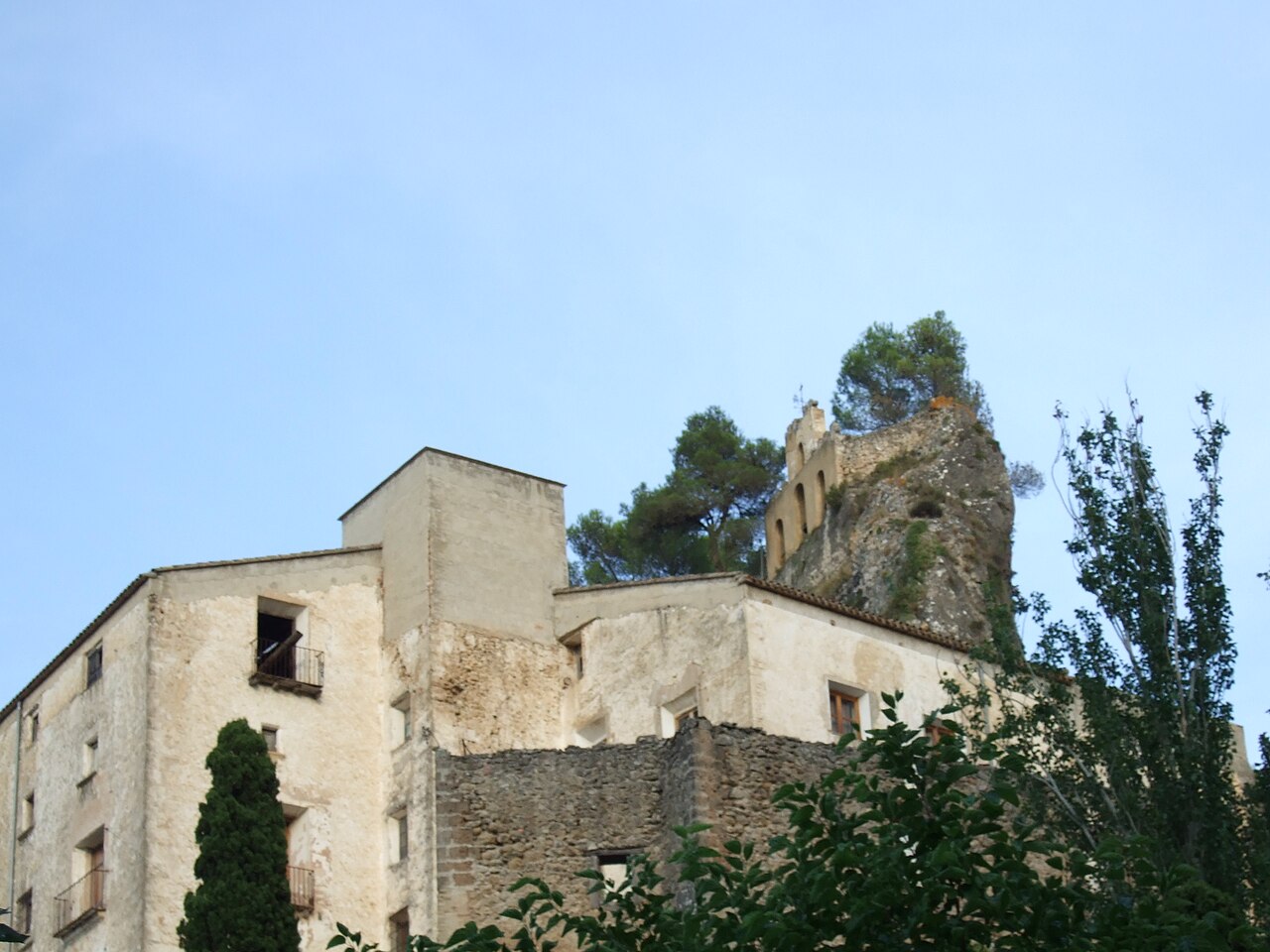
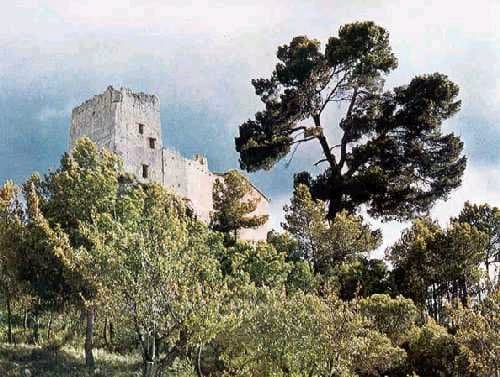
Barxell Castle is a 13th-century medieval fortress situated in the municipality of Alcoy, Alicante, Spain. Perched on a rocky mound at an altitude of approximately 800 metres, the castle commands a strategic position within a dense pine forest. It lies adjacent to the CV-795 road that connects Alcoy and Banyeres de Mariola, in the rural area known as Barxell. This location in the Valley of Polop offers a remarkable natural setting between two protected areas: the Font Roja and Serra Mariola natural parks.

Historical context and strategic significance

The castle was constructed during the High Medieval period, specifically in the 13th century, a time marked by frequent conflicts such as the Castilian-Aragonese war. Its primary function was to serve as a refuge for local inhabitants, particularly those from nearby farmhouses, offering protection during times of military tension and raids. The proximity to the "Solanetes" area, which had a small population during the Muslim era, further emphasizes the strategic importance of this site in controlling and monitoring the surrounding territory.

Architectural features and construction

Barxell Castle exemplifies the characteristics of a hill castle, utilizing the natural elevation of the rocky outcrop to enhance its defensive capabilities. The castle's design integrates with the rugged terrain, making it difficult for attackers to approach unnoticed. Although much of the original structure has not survived intact, remnants of the 13th and 14th-century walls remain in the nearby town of Alcoy, indicating the broader defensive network associated with the castle.

The fortress's construction materials primarily include local stone, which was typical for medieval fortifications in this region. The castle likely featured basic defensive elements such as curtain walls, battlements, and possibly a to oversee the surrounding landscape. Its location within a pine forest also provided natural camouflage and resources.

Geographical and environmental setting

The castle's position in the Valley of Polop places it within a landscape of significant ecological and scenic value. The surrounding pine forests contribute to the area's biodiversity and provide a striking contrast to the castle's stone ruins. The nearby Font Roja and Serra Mariola natural parks are notable for their varied flora and fauna, offering visitors an opportunity to combine cultural tourism with nature exploration.

Accessibility and location details

Barxell Castle is easily accessible via the CV-795 road, which links Alcoy and Banyeres de Mariola. Its rural setting means that visitors can experience a tranquil environment away from urban centers while exploring the castle's historic remains. The altitude of 800 metres affords panoramic views of the surrounding valleys and mountains, enhancing the visitor experience.

Cultural heritage and preservation

While the castle itself is largely in ruins, it remains an important cultural landmark within the Alcoy region. The preservation of the castle and its surrounding walls from the 13th and 14th centuries provides valuable insight into the medieval military architecture and the historical conflicts that shaped this part of Spain. Efforts to maintain the site contribute to the understanding of regional history and promote cultural tourism.

Nearby historical sites

The proximity to the "Solanetes" area, with its historical Muslim-era population, enriches the historical narrative of the region. Visitors interested in medieval history can explore both the castle ruins and the remnants of earlier settlements, gaining a comprehensive view of the area's past.

Visitor experience and tourism potential

Barxell Castle offers a unique opportunity for visitors to engage with Spain's medieval heritage in a natural setting. The combination of historical ruins and the surrounding natural parks makes it an attractive destination for hikers, history enthusiasts, and nature lovers alike. Although facilities at the site may be limited due to its rural location, the castle's scenic surroundings and historical significance provide a rewarding experience.

Visitors are encouraged to explore the nearby natural parks of Font Roja and Serra Mariola, which offer well-marked trails and diverse ecosystems. The castle's elevated position allows for impressive views that complement the cultural exploration with natural beauty.

Frequently asked questions (FAQ)

How do I get to Barxell Castle?
Barxell Castle is accessible via the CV-795 road, which connects Alcoy and Banyeres de Mariola. Visitors can reach the castle by car or on foot from nearby towns.
What is the historical significance of Barxell Castle?
Barxell Castle was built in the 13th century as a refuge during the Castilian-Aragonese war. It served to protect local farmhouses and control the surrounding territory.
Can I visit Barxell Castle year-round?
Yes, the castle is located outdoors in a natural setting and can be visited throughout the year. However, visitors should check local weather conditions and accessibility during winter months.
Are there any facilities at Barxell Castle?
Due to its rural location and ruinous condition, Barxell Castle has limited visitor facilities. It is recommended to bring necessary supplies and plan accordingly.
What natural parks are near Barxell Castle?
The castle is situated between the Font Roja and Serra Mariola natural parks, both offering hiking trails and diverse flora and fauna for visitors to explore.

Photo gallery

Barxell Castle
Click to view
1 photo • Click any image to view in full screen

Information

Hill Castle

Loading map...

Visitor reviews

No reviews yet. Been here? Write the first review and help other travelers!

Write the first review

Visited this castle? Share your experience

Your review helps other travelers and adds first-hand knowledge to our encyclopedia.
Write a review

(5/5)

0/2000 characters

Your review will be visible after admin approval

Nearby castles

9.5 km
Cocentaina Castle — Spain castle

Cocentaina Castle

Cocentaina, Spain

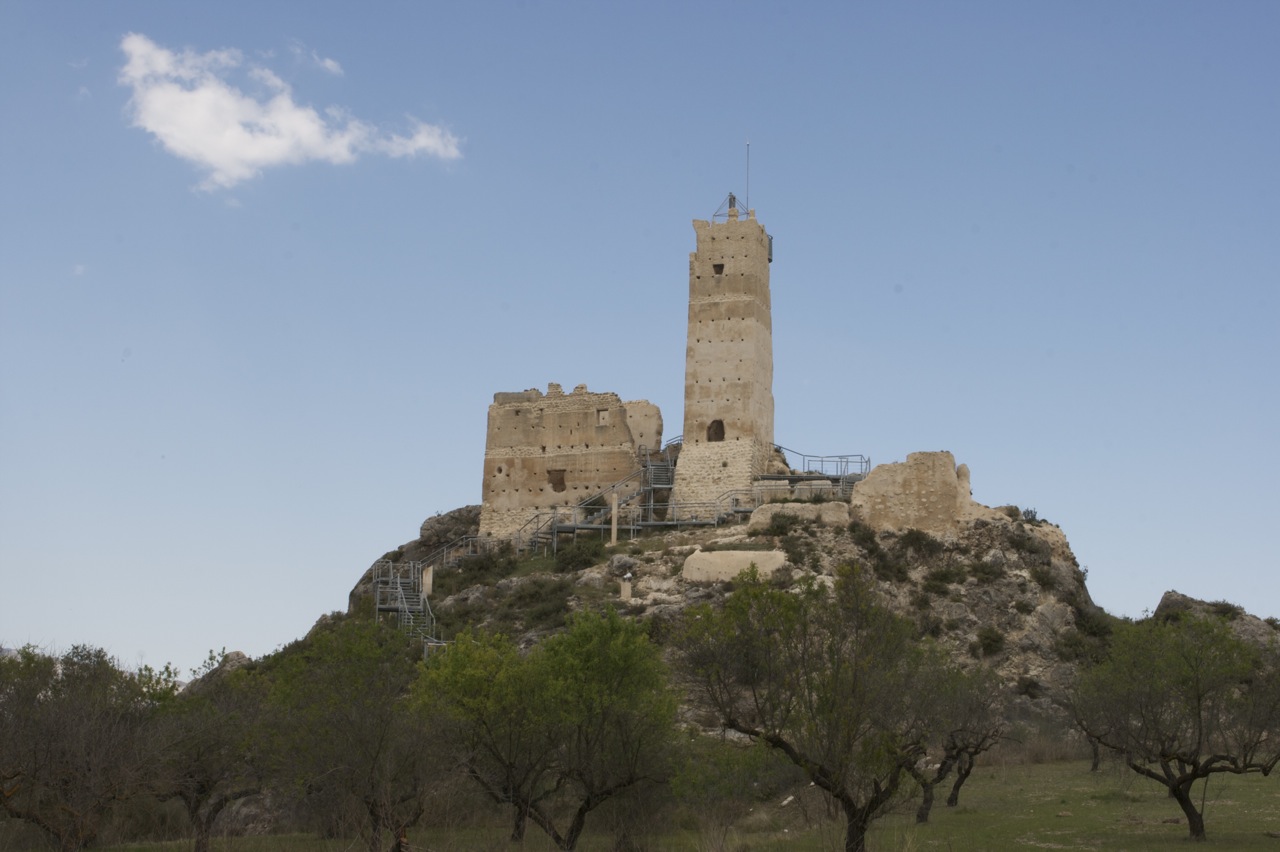
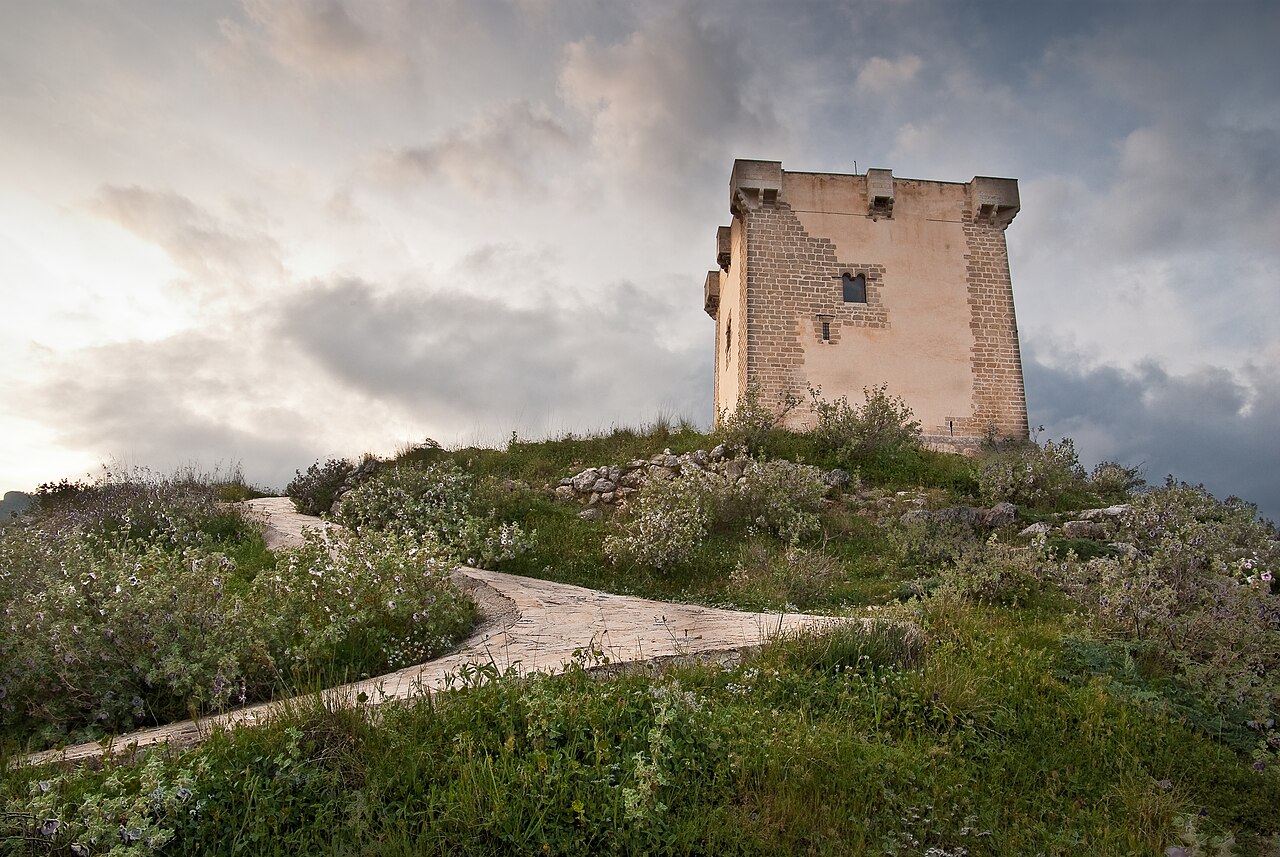
Cocentaina Castle stands prominently on the hill of San Cristóbal overlooking the town of Cocentaina in Spain. This hill castle was constructed in the late 13th and early 14th centuries by Christian forces following the Reconquista, which reclaimed the region from Muslim control. Built atop earlier Muslim defensive remains, the castle exemplifies the Valencian Gothic military architectural style that characterized fortifications of this era in the region. Historical context and significance The castle’s origins are deeply rooted in the turbulent power shifts of medieval Spain. After the Christian conquest of the area, the need for fortified structures to secure territorial gains was paramount. Cocentaina Castle was part of a broader network of fortifications designed to consolidate Christian rule and defend against potential Muslim counterattacks. In the early 14th century, the castle became a focal point during the Mudéjar revolt of 1303, a significant uprising by the Muslim population resisting Christian authority. During this revolt, Cocentaina Castle was besieged, looted, and deliberately set on fire, suffering extensive damage. This event marks a critical episode in the castle’s history, illustrating the ongoing religious and cultural conflicts that shaped the region’s medieval landscape. Following the revolt, the castle continued to serve as a defensive stronghold and administrative center, although detailed records of its later military or residential use are sparse. Over the centuries, like many medieval fortresses, it gradually lost its strategic importance and fell into disrepair until restoration efforts began in recent decades. Architectural features and layout The square tower The dominant feature of Cocentaina Castle is its imposing large square tower, measuring approximately 13.5 meters on each side and rising to a height of 12 meters. This tower is built upon a massive stone talus base, which slopes outward and ranges from 2 to 4 meters in height. The talus serves a defensive purpose, reinforcing the lower walls against battering and undermining attempts. Construction techniques for the tower reveal a combination of ashlar masonry and rubble masonry. The key structural components and important rooms are crafted from finely cut and dressed stones laid in precise courses, providing both strength and an impressive visual effect. The remainder of the tower walls utilize rubble masonry, made from irregular stones bound with mortar, a common medieval building practice for less critical sections. Interior arrangement The interior of the tower is organized across two floors centered around a light-filled patio. On the ground floor, this patio contains a cistern essential for water storage during sieges. Flanking the patio are two arrow slits, narrow vertical openings that allowed defenders to shoot projectiles while remaining protected. Adjacent to the patio on the ground floor are a square room and a rectangular room. Though their exact functions are not documented, such rooms typically served as storage areas, guard chambers, or living quarters. The first floor mirrors the ground floor’s layout with a square room, rectangular room, and the patio. Notably, this level features paired outward-facing windows that provided natural light and ventilation, as well as views of the surrounding terrain for surveillance and defense. Atop the tower is a flat terrace that functioned as a lookout point and platform for defensive actions or signaling to allied forces. Restoration and current use After centuries of decline, Cocentaina Castle has undergone comprehensive restoration to preserve its structural integrity and historical significance. The restoration has maintained the castle’s exterior and interior spaces, allowing visitors to safely explore the site. The castle now houses an exhibition of archaeological finds uncovered from the surrounding area, connecting the fortress’s medieval past with a broader historical context. This exhibition offers valuable insights into the region’s cultural heritage and the castle’s role within it. Visitor experience and accessibility Visitors can reach Cocentaina Castle by vehicle up to a point approximately 200 meters from the site, followed by a short walk along a paved path leading directly to the tower. The castle’s elevated position provides panoramic views of Cocentaina and the surrounding landscape, enhancing the visitor experience. The site’s preservation and informative displays make it an important destination for those interested in medieval military architecture, the history of the Reconquista, and the cultural interactions between Christian and Muslim communities in Spain.

Late Medieval (14th–15th c.)
Details
9.5 km
Castle of Agres — Spain castle

Castle of Agres

, Spain

The Castle of Agres is a notable example of a hill castle located in the region of Valencian Community, Spain. Perched atop a prominent hill, this castle was strategically positioned to oversee the surrounding landscape, providing both defense and control over the nearby territories. Its elevated location is characteristic of many medieval fortifications designed to maximize visibility and defensive advantage. Historical background and significance The origins of the Castle of Agres trace back to the medieval period, specifically around the 13th century, during the era of the Christian Reconquista in Spain. This period saw the construction of numerous castles as the Christian kingdoms advanced to reclaim territories from Muslim rule. The castle played a role in the military and political struggles of the time, serving as a defensive stronghold and a symbol of territorial control. Throughout its history, the castle underwent various phases of occupation and modification, reflecting the shifting power dynamics in the region. While detailed records of its builders and specific events are limited, the castle's architecture and location indicate its importance in regional defense networks. Architectural features and layout The Castle of Agres exhibits typical features of a hill castle with a compact, fortified structure adapted to the natural contours of the hill. The castle's defensive elements likely included thick stone walls, battlements, and a keep or donjon serving as the last line of defense. The layout would have been designed to optimize defense against sieges and attacks, with limited access points and elevated positions for archers and lookouts. Although much of the original structure is now in ruins, remnants of the walls and foundations provide insight into the castle's medieval construction techniques. The use of local stone materials and the adaptation to the rugged terrain are characteristic of Spanish hill castles from this period. Defensive structures The castle's defensive design would have included a combination of natural and man-made features. The hill itself provided a natural barrier, while the castle walls and towers enhanced protection. A possible moat or ditch may have been present to further deter attackers, although this feature is less common in hill castles compared to lowland fortifications. Cultural and heritage status Today, the Castle of Agres stands as a ruined hill castle that attracts visitors interested in medieval history and architecture. It is part of the cultural heritage of the Valencian Community and contributes to the understanding of medieval military architecture in Spain. Efforts to preserve the site focus on maintaining its structural remains and promoting awareness of its historical significance. Visiting the castle Visitors to the Castle of Agres can explore the ruins and enjoy panoramic views of the surrounding countryside. The site is accessible by hiking trails leading up the hill, offering an immersive experience of the castle's strategic location. While facilities may be limited due to the castle's ruinous state, the site provides valuable insight into medieval fortifications and the landscape of historic Spain. Nearby attractions The region around Agres also features other historical and natural attractions, including traditional villages, natural parks, and other medieval sites. These complement a visit to the castle and provide a broader context for exploring the history and culture of the Valencian Community. Frequently asked questions What is the best time to visit the Castle of Agres? The best time to visit is during spring and autumn when the weather is mild and the natural surroundings are particularly scenic. Is the Castle of Agres accessible for visitors with limited mobility? Due to its hilltop location and rugged terrain, access may be challenging for those with limited mobility. Visitors should prepare for a moderate hike. Are guided tours available at the castle? There are limited official guided tours, but local tourism offices may provide information or arrange private guides. Can I visit the castle year-round? The castle is generally open year-round as it is an open-air ruin, but weather conditions may affect accessibility. Is there an entrance fee to visit the Castle of Agres? Visiting the ruins is typically free, but it is advisable to check with local tourist information for any changes.

High Medieval (11th–13th c.)
Details
9.8 km
Penella Castle — Spain castle

Penella Castle

Cocentaina, Spain

Penella Castle stands as a remarkable example of a 13th-century hill castle located near Cocentaina in the province of Alicante, Spain. Perched atop a commanding limestone crag with steep vertical walls on its northern side, the castle's strategic position offered both natural defense and extensive views across the surrounding landscape. This medieval fortress is a notable representation of rural castles or fortified manor houses typical of the early Christian reconquest period in the Iberian Peninsula. The castle owes its origins to a royal decree by King James I of Aragon in 1271, who granted the villages of Peniella and Forminyàn to Ponç Guillem de Villafranca. The king authorized Ponç Guillem to construct a fortress on the rocky outcrop known as the "roca de Peniella," marking the foundation of the castle. This authorization reflects the broader context of territorial consolidation and Christian expansion during the late High Medieval period in the region. Historical significance and ownership The Castell de Penella served as the administrative and residential center for the lordship that combined the villages of Penella and Formigà under the stewardship of the Villafranca family. Its location between Cocentaina and Benilloba made it a strategically important site for controlling local territories during a period marked by frequent conflicts and shifting allegiances. Over the centuries, the castle remained closely tied to the history and identity of Cocentaina. Although it eventually fell into ruin, the castle's legacy endured in local folklore and cultural memory. It features prominently in the folktale "Els guants de la felicitat" by Enric Valor, where it is depicted as the home of Lord Raül de Mataplana and his son Carles. This literary connection highlights the castle's role beyond military and residential functions, embedding it in regional storytelling traditions. Architectural features and construction The keep and defensive structures The most prominent surviving feature of Penella Castle is its keep, also known as the tower of homage. This imposing square tower measures approximately 4 meters on each side and rises to a height of around 12 meters. Its top is crowned with crenellations, which provided defenders with protected positions from which to repel attackers. Adjacent to the keep is a quadrangular building that also features crenellated walls, forming part of the castle's defensive complex. The fortress was originally enclosed by walls and smaller towers, fragments of which still survive, outlining the perimeter of the fortified site. These architectural elements underscore the castle's dual function as a noble residence and a defensive stronghold. Construction techniques and materials The castle's construction showcases a combination of traditional medieval building methods. A base of stone masonry was used to level and stabilize the foundation on the uneven rocky terrain. Above this base, walls were constructed using rammed earth or tapial, a technique involving compacting earth within wooden frames to create sturdy and durable walls. This method was common in rural fortifications of the time, balancing resource availability and defensive needs. Archaeological findings and preservation Archaeological excavations around Penella Castle have uncovered artifacts and structural remains dating to the late 13th century, corroborating the historical timeline of its foundation. Despite its current ruined state, the castle's keep remains structurally intact enough to offer insight into its original design and strategic purpose. In the early 21st century, the local government of Cocentaina undertook restoration efforts to stabilize and preserve the ruins. These interventions aimed to safeguard the castle's primary architectural features for future study and public education, ensuring that Penella Castle continues to be a cultural landmark within the region. Penella Castle in the context of medieval fortifications in Spain Penella Castle exemplifies the characteristics of High Medieval rural castles in Spain, which often combined residential and defensive functions on naturally defensible sites. Its location on a limestone rock with sheer cliffs provided a formidable natural defense, enhanced by man-made fortifications such as the keep, walls, and towers. The use of tapial construction alongside stone masonry reflects regional building traditions that adapted to available materials and terrain. The castle's relatively modest size compared to larger royal fortresses highlights its role as a fortified manor house, serving local lords rather than acting as a major military bastion. Visiting Penella Castle today Today, visitors to Penella Castle can explore the remains of the keep and the adjoining crenellated structures, gaining a sense of the castle's historical importance and architectural ingenuity. The site offers panoramic views of the surrounding landscape, including the nearby towns of Cocentaina and Benilloba. While the castle is in a ruined but stabilized condition, it remains a significant cultural and historical monument. The restoration work has made the site safer and more accessible, allowing visitors to appreciate the medieval heritage of the Alicante region.

High Medieval (11th–13th c.)
Details