Barsebäck Castle
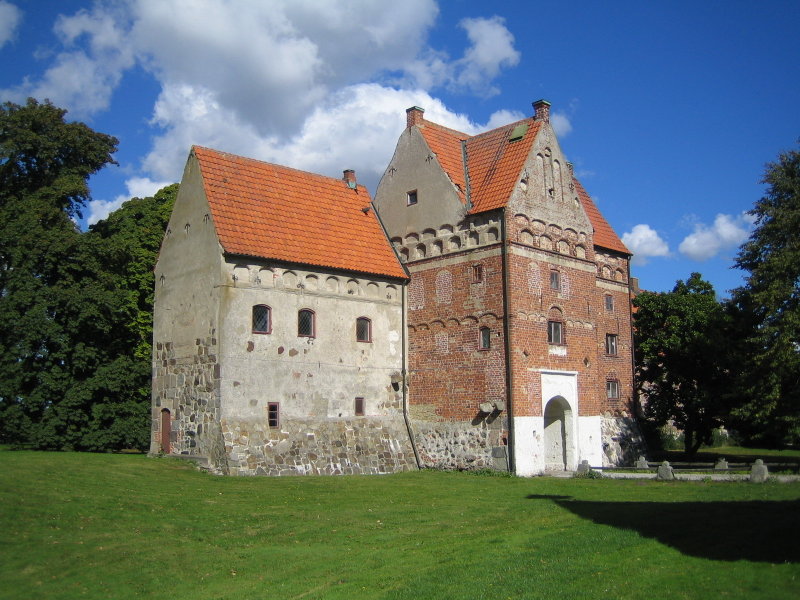
Barsebäck Castle, located in the village of Barsebäck within Kävlinge Municipality, is a notable historic castle near the shores of Öresund in Scania, southern Sweden. The castle's origins trace back to the 12th century, marking it as a site with a long-standing medieval heritage. Over the centuries, Barsebäck Castle has undergone multiple transformations, reflecting changing architectural styles and historical circumstances.
Medieval origins and early history
The earliest known versions of Barsebäck Castle date from the 12th century, situating it among the older fortified sites in the region. Originally, the castle would have been constructed primarily for defense and as a noble residence, typical of medieval hill castles in Scandinavia. Its strategic location near the coast of Öresund provided both a defensive advantage and control over maritime routes.
Renaissance rebuilding and architectural style
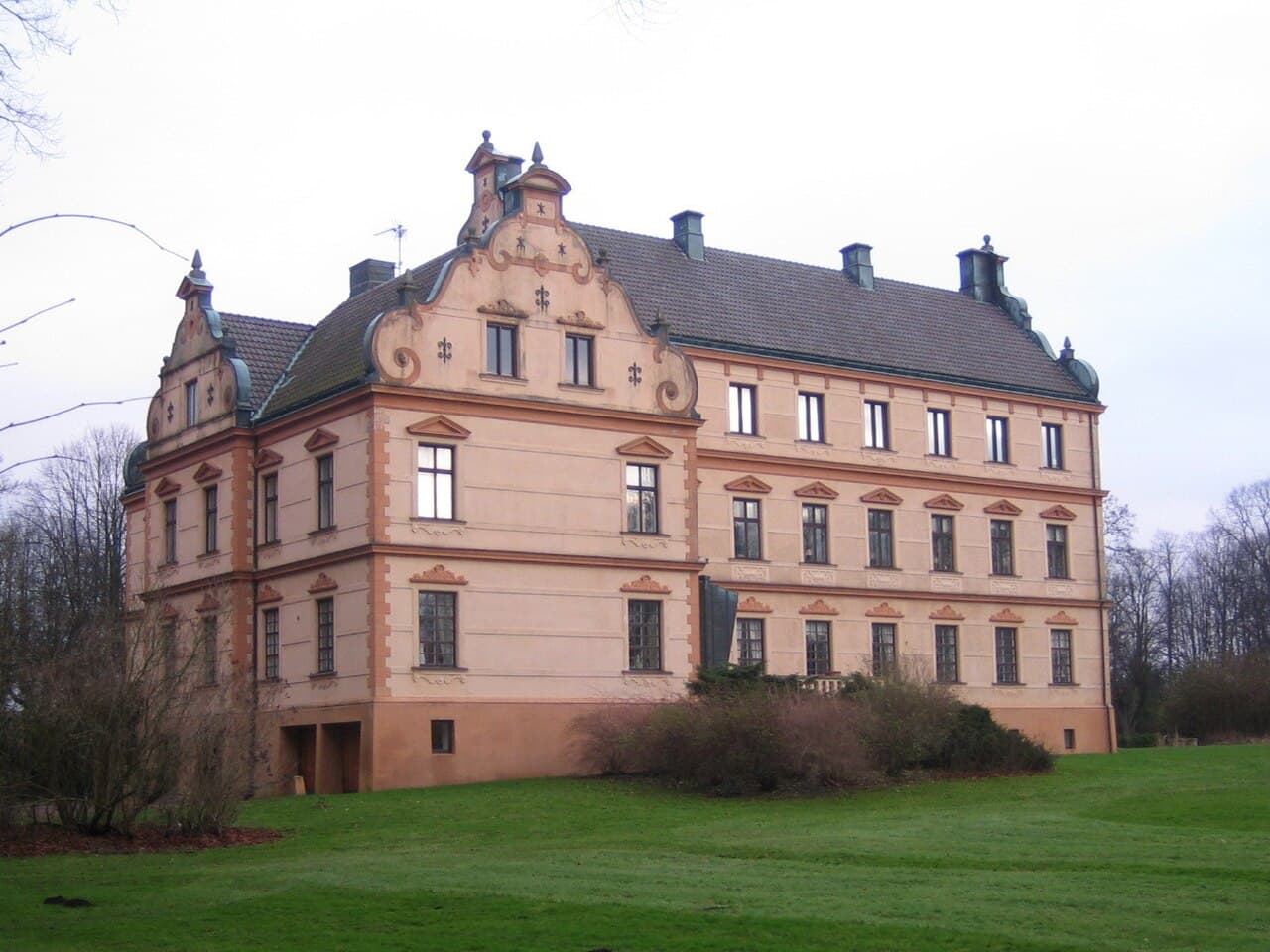
While the castle's foundations and early structures are medieval, its current form primarily reflects the Renaissance architectural style, specifically a Dutch Renaissance influence. This style is characterized by ornate gables, stepped roofs, and detailed brickwork, which were popular among Scanian noble estates during the 16th century. The castle was extensively rebuilt and remodeled during the 16th century to embody these Renaissance characteristics, aligning it with other prominent castles in the Scanian landscape.
19th and 20th-century renovations
Significant renovations in 1889 and again in 1940 gave Barsebäck Castle its present appearance. These reconstructions were not mere restorations but rather 19th-century interpretations aiming to revive the Dutch Renaissance style, which was a popular historicist trend at the time. The current main building is a three-story structure designed to emulate the original Renaissance castles of the region, blending historical authenticity with 19th-century architectural revivalism.
Historical ownership and significance
Barsebäck Castle was historically owned by the prominent Scanian noble family Thott. Following the Scanian War (1675–1679), the castle, along with other Thott family properties, was confiscated by the Swedish Crown as part of the political and territorial shifts in the region. This transition marked a significant change in the castle's ownership and its role within Swedish nobility.
In 1743, the castle was purchased by Gustaf David Hamilton, a Swedish Colonel and Regimental Commander based in Malmö. The Hamilton family has maintained ownership since then, linking the castle to a lineage of military and noble heritage. This continuity of ownership contributes to the castle's preserved historical narrative and its cultural significance in the region.
Architectural features and layout
Barsebäck Castle's layout is typical of a hill castle, positioned to maximize defensive advantage and visibility over the surrounding landscape. The castle features a robust main building with characteristic Dutch Renaissance elements such as ornate brick facades, decorative gables, and tall chimneys. The three-story structure includes numerous chambers, halls, and service areas arranged around a central courtyard, a common feature in Renaissance castles designed to facilitate both residential comfort and defensive needs.
The castle grounds also include ancillary buildings and gardens that reflect the estate's evolution over time. While the castle itself is not a water castle, its proximity to the Öresund strait historically enhanced its strategic importance and aesthetic appeal.
Cultural and heritage importance
Barsebäck Castle stands as an important cultural landmark in Scania, illustrating the region's architectural and noble history from medieval times through the Renaissance and into the modern era. Its Dutch Renaissance style reconstruction is a distinctive example of 19th-century historicism in Sweden, reflecting broader European trends in castle restoration and architectural revival.
Today, Barsebäck Castle remains privately owned by the Hamilton family, preserving its legacy and historical integrity. Its enduring presence offers insight into the noble estates of southern Sweden and the architectural transitions spanning several centuries.
Frequently asked questions (FAQ)
- How do I get to Barsebäck Castle?
- Barsebäck Castle is easily accessible by car and public transport. If you are traveling by car, it is located just off the E6 motorway, and there is ample parking available. For public transport, local buses connect to nearby towns and cities, making it convenient for visitors.
- What is the historical significance of Barsebäck Castle?
- Barsebäck Castle dates back to the late 16th century and has played a crucial role in Sweden's history, particularly during the era of the Danish-Swedish conflicts. The castle has served various purposes over the centuries, including as a noble residence and a military stronghold. Its rich history makes it a fascinating site for visitors interested in Swedish heritage.
- When was Barsebäck Castle built?
- Construction of Barsebäck Castle began in 1580 and was completed in 1586. The castle was commissioned by the noble family of Barsebäck, and its architectural style reflects the Renaissance influences of that period. Over the years, it has undergone several renovations while retaining its historical charm.
- Can I take photographs inside Barsebäck Castle?
- Yes, visitors are welcome to take photographs in designated areas of Barsebäck Castle. However, please respect any signs indicating areas where photography is not permitted, particularly in exhibitions or private rooms. Capturing the stunning architecture and scenic surroundings is encouraged!
- Why is Barsebäck Castle a popular tourist attraction?
- Barsebäck Castle is popular due to its stunning architecture, rich history, and beautiful surrounding landscapes. Visitors enjoy exploring the castle's grounds, learning about its historical significance, and participating in guided tours that highlight its fascinating stories. Additionally, the castle hosts various cultural events throughout the year, making it a vibrant destination.
- Is it possible to visit Barsebäck Castle year-round?
- Yes, Barsebäck Castle is open to visitors year-round, although opening hours may vary depending on the season. It is advisable to check the castle's official website for the most current information about visiting hours and any seasonal events. This allows you to plan your visit accordingly and enjoy all the castle has to offer.
- What are the ticket prices for Barsebäck Castle?
- Ticket prices for Barsebäck Castle vary based on age and group size, with discounts available for students and seniors. Children under a certain age may enter for free. It is best to purchase tickets in advance online, especially during peak tourist seasons to ensure availability.
- What are the opening hours for Barsebäck Castle?
- Barsebäck Castle typically opens at 10 AM and closes at 5 PM during the high season, but these hours can change in the off-season. It is recommended to check the official website for the most accurate and up-to-date information before planning your visit. This ensures you make the most of your time at the castle.
- Are there any nearby attractions to visit after Barsebäck Castle?
- Yes, there are several nearby attractions worth exploring after your visit to Barsebäck Castle. The picturesque coastal town of Barsebäck offers lovely beaches and walking trails, while the historic Lund Cathedral and the vibrant city of Malmö are also just a short drive away. These locations provide additional opportunities for sightseeing and cultural experiences.
Photo gallery

Information
Website
Visit websiteSources & official resources
Verify the information above using these authoritative references.
Loading map...
Visitor reviews
No reviews yet. Been here? Write the first review and help other travelers!
Write the first reviewVisited this castle? Share your experience
Your review helps other travelers and adds first-hand knowledge to our encyclopedia.