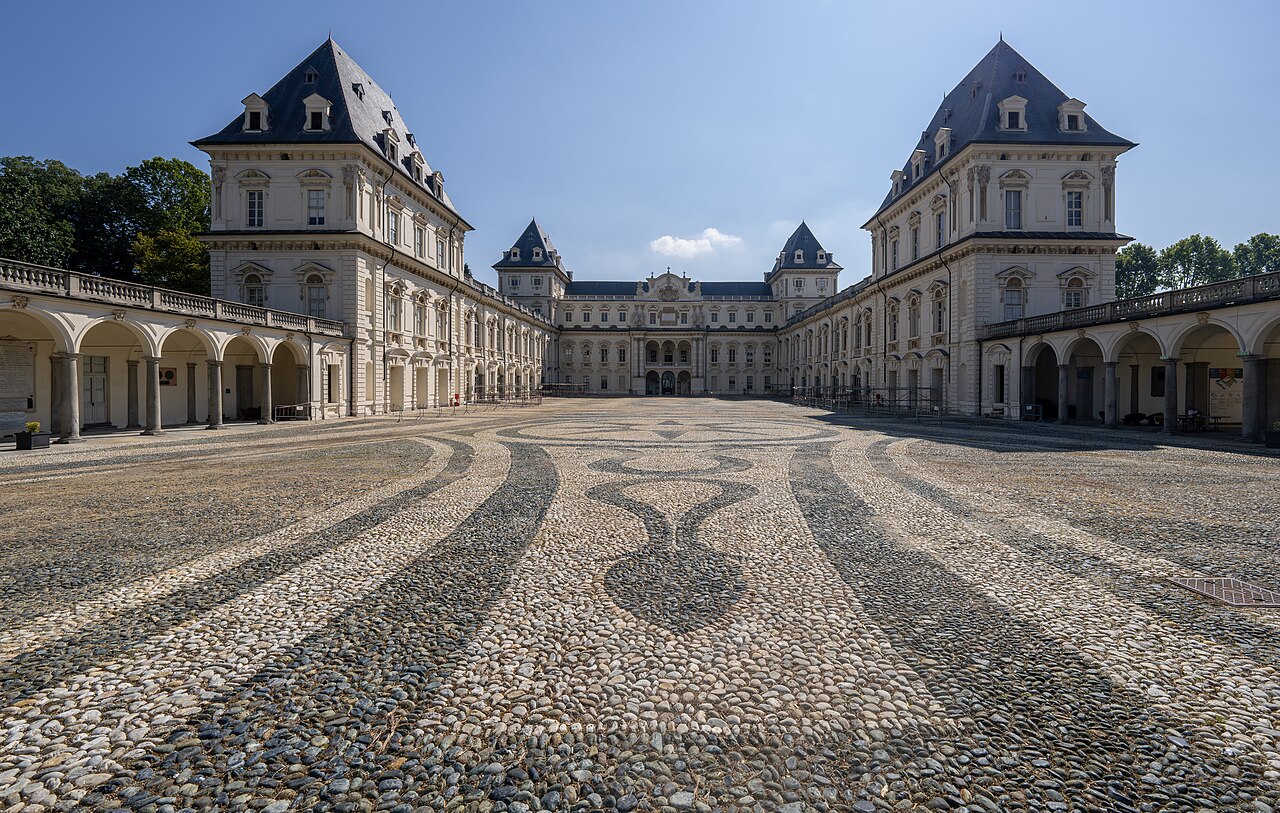
Bardassano Castle
Bardassano Castle, located in the hamlet of Bardassano within the municipality of Gassino Torinese, Italy, is a remarkable example of a high medieval hill castle that has evolved architecturally and functionally over several centuries. Originally constructed between the 11th and 13th centuries, this fortress stands as a testament to the region's turbulent history and the shifting roles of castles from military bastions to noble residences.
The castle's earliest origins date back to the 11th century, with the first documented mention occurring in 1290. At that time, Bardassano Castle was under the control of the Republic of Chieri, a significant medieval power in the Piedmont region. The castle's strategic position on a hill provided a commanding view of the surrounding landscape, making it a vital defensive stronghold against incursions, particularly from the neighboring Marquisate of Monferrat.
Historical significance and ownership
The castle's history is intertwined with the complex political and military conflicts of medieval northern Italy. It served a dual purpose as both a fortified prison and a military fortress. After disputes over ownership among aristocratic families, the Chieri Council converted the castle into a prison, highlighting its role in local governance and justice.
Local tradition holds that Emperor Frederick Barbarossa stayed at Bardassano Castle in 1156 following his campaign against Chieri. While this anecdote remains part of regional folklore without documentary confirmation, it adds a legendary aura to the castle's long-standing presence in the area.
Throughout the 14th century, Bardassano Castle endured regional conflicts, including threats from the forces of Monferrat. Nearby fortifications like the Castle of Tortondenito (Il Castellone) were destroyed during this period by troops under the condottiero Facino Cane, but Bardassano remained intact, underscoring its robust defenses and strategic importance.
Ownership of the castle passed through several prominent noble families, including the Sumont, Provana, Balbo Bertone, and Villa families. These families contributed to the castle's architectural and cultural heritage over the centuries. In modern times, the castle came under the stewardship of the Giriodi di Panissera di Monastero family, who have overseen preservation efforts.
Architectural features and evolution
Medieval core and fortifications
Bardassano Castle's construction primarily features robust brickwork, characteristic of the region's medieval architecture. The fortress is centered around a massive main building with round corner towers and a prominent keep integrated into the curtain walls. These elements represent the original medieval defensive design, typical of the 11th to 14th centuries, providing strong protection against sieges and attacks.
Renaissance modifications and residential adaptations
During the 17th century, Bardassano Castle underwent significant renovations that reflected a shift from purely military functions to more residential and aesthetic purposes. The castle's defensive walls were partly transformed into terraced gardens, blending the fortress into its landscape and enhancing its visual appeal.
A notable addition from this period is a marble staircase connecting the castle grounds to an internal courtyard. Inside, the ground-floor halls display wooden paneling and paintings from the Renaissance era, illustrating the castle's adaptation to noble domestic life.
An outward-extending wing, lacking towers, was also constructed, indicating a move toward less militarized architecture and greater emphasis on comfort and residence.
Preservation and current condition
Today, Bardassano Castle remains well-preserved, retaining much of its medieval fortifications alongside the Renaissance enhancements. The castle's structure offers a clear view of its architectural evolution, from a medieval fortress to a noble residence with landscaped gardens.
Modern restoration efforts, including those supervised by architect Carlo Nigra, have focused on maintaining the castle's historical integrity and architectural heritage. Visitors can appreciate the blend of medieval defensive features and Renaissance artistic details, which together tell the story of Bardassano's enduring significance.
Cultural and regional importance
Bardassano Castle is an important cultural landmark within the Piedmont region. Its history reflects the broader political dynamics of medieval Italy, including the conflicts between city-states and noble families. The castle's survival through centuries of warfare and political change makes it a valuable site for understanding regional history and medieval architecture.
The castle's location in Gassino Torinese places it within reach of Turin and other significant Piedmontese cities, making it accessible for visitors interested in exploring Italy's medieval heritage. Its combination of military and residential architectural elements provides a rich experience for those studying castle design and historical adaptations.
Visitor experience and accessibility
While specific visitor information such as opening hours and ticket prices may vary, Bardassano Castle's well-preserved state and historical significance make it a compelling destination for tourists and scholars alike. The castle's terraces, towers, and interior halls offer a tangible connection to Italy's medieval past and Renaissance transformations.
The castle's setting on a hill allows for scenic views of the surrounding Piedmont landscape, enhancing the visitor experience. Its preservation enables a detailed study of architectural techniques spanning several centuries.
Frequently asked questions (FAQ)
- When was Bardassano Castle built?
- Bardassano Castle was constructed primarily during the 11th to 13th centuries, with the first recorded mention in 1290.
- What architectural styles are present at Bardassano Castle?
- The castle features medieval brick fortifications with Renaissance modifications, including terraced gardens and interior decorative elements from the 17th century.
- Who were the historical owners of Bardassano Castle?
- The castle was owned by several noble families including the Sumont, Provana, Balbo Bertone, Villa, and currently the Giriodi di Panissera di Monastero family.
- Is Bardassano Castle open to visitors?
- Visitor information can vary, but Bardassano Castle is generally accessible for tours that showcase its medieval and Renaissance architecture and gardens.
- What is the significance of Bardassano Castle in regional history?
- Bardassano Castle played a strategic defensive role in medieval Piedmont and served as a prison under the Republic of Chieri, reflecting local power struggles and noble family disputes.
Information
Loading map...
Visitor reviews
No reviews yet. Been here? Write the first review and help other travelers!
Write the first reviewVisited this castle? Share your experience
Your review helps other travelers and adds first-hand knowledge to our encyclopedia.