Bam Citadel
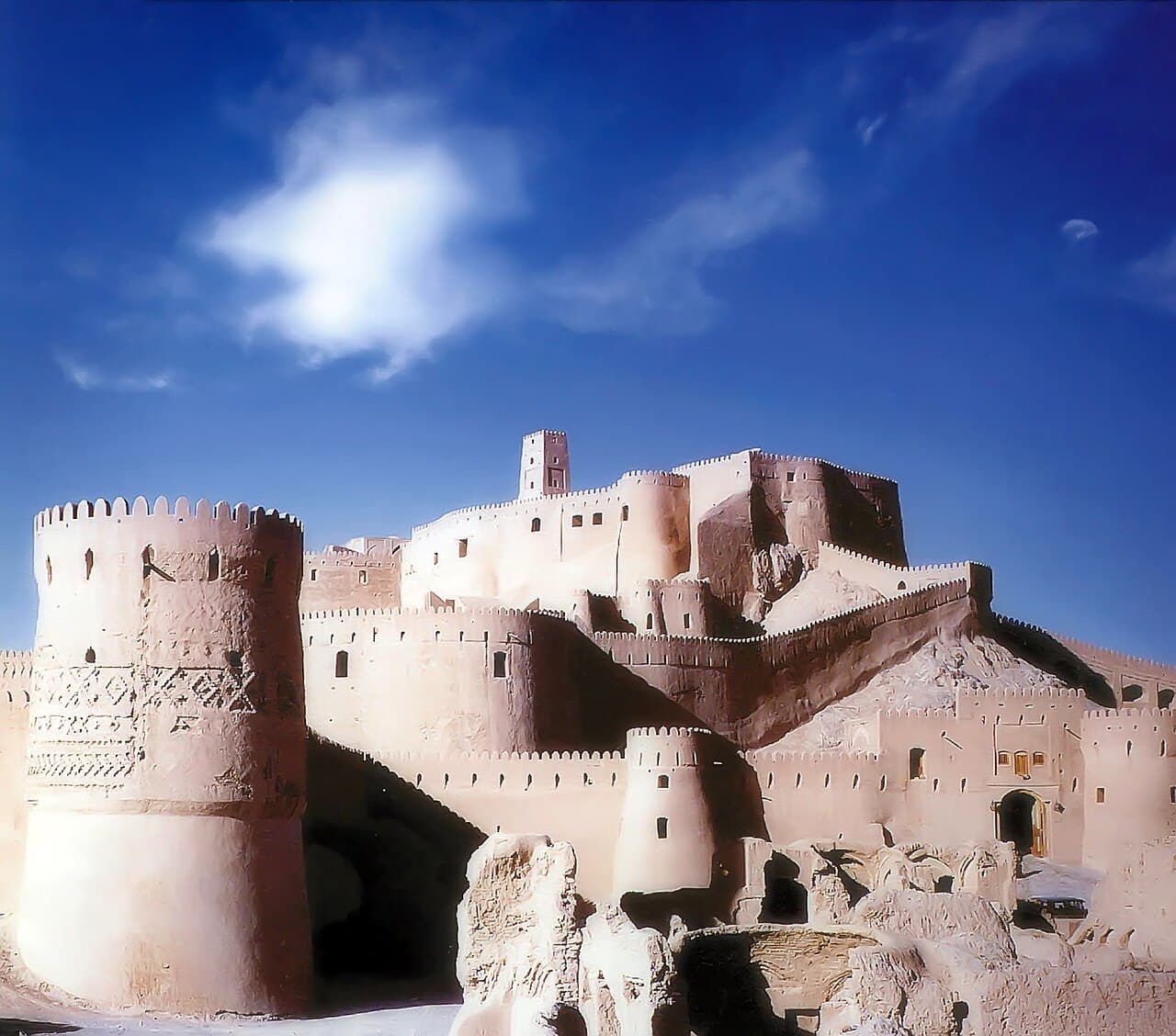
Bam Citadel, also known as Arg-e Bam, is located in the city of Bam in the Kerman province of southeastern Iran. It holds the distinction of being the largest adobe building in the world, a monumental example of ancient earthen architecture. The citadel is the dominant feature of a vast fortress complex, which historically included residential areas, military quarters, and commercial spaces. Today, the entire complex is commonly referred to as Bam Citadel.
Historical significance and origins
The origins of Bam Citadel can be traced back to at least the Achaemenid Empire period, spanning the 6th to 4th centuries BC. This places its initial construction in the early medieval era, making it one of the oldest known adobe structures still recognized today. Over centuries, the citadel evolved through various phases of expansion and fortification.
From the 7th to 11th centuries AD, Bam rose to prominence as a key crossroads on the Silk Road and other vital trade routes. This strategic location fostered its development into a thriving center for commerce and production, particularly noted for its silk and cotton garments. The citadel served as a protective stronghold for the city and its inhabitants, safeguarding trade caravans and local industries.
Architectural features and layout
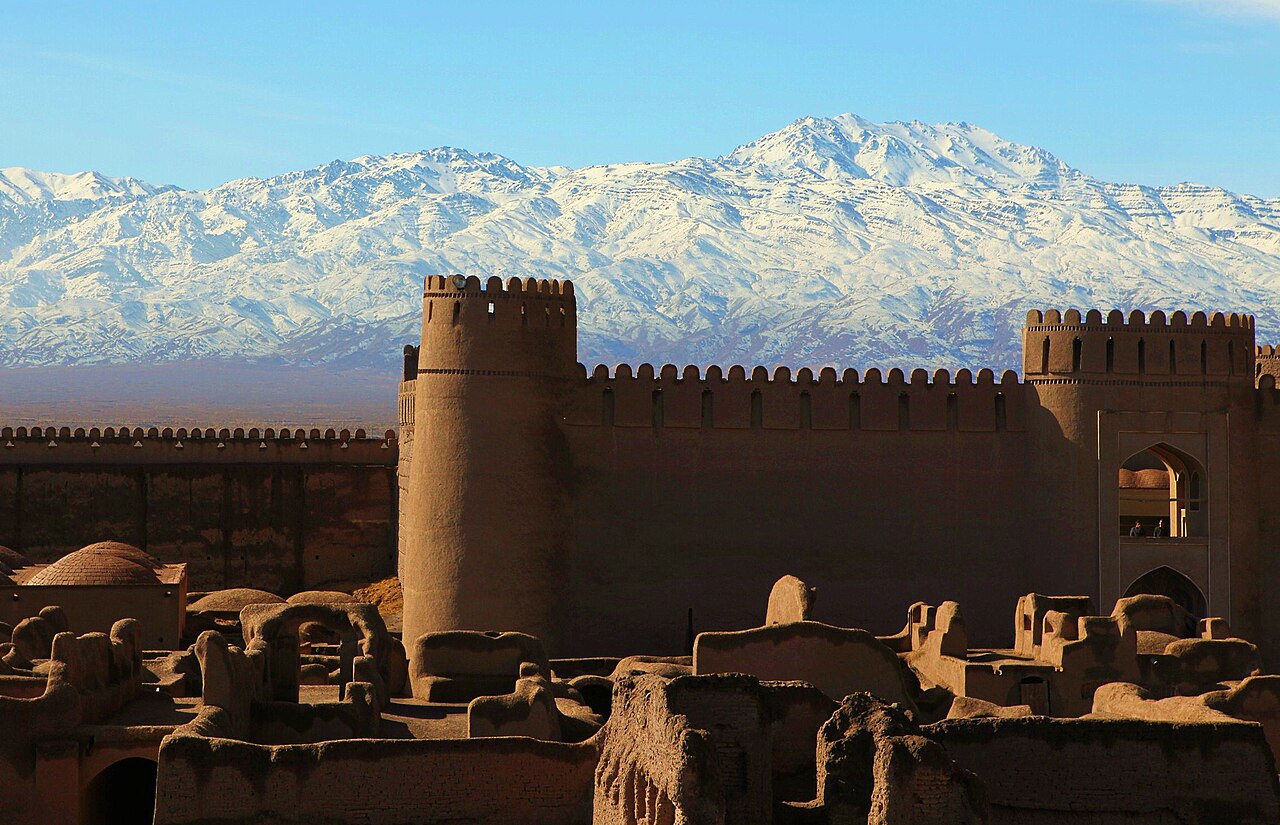
Bam Citadel is classified as a bastioned fortress, characterized by its massive mudbrick walls and defensive bastions designed to repel invaders. The fortress layout includes a complex system of towers, gates, and inner courtyards that provided both security and functional space for daily life.
The citadel's construction utilized adobe bricks, a traditional building material made from sun-dried mud, which was well-suited to the arid climate of the region. The walls, some reaching several meters in thickness, were designed to absorb heat during the day and release it at night, creating a natural climate control system.
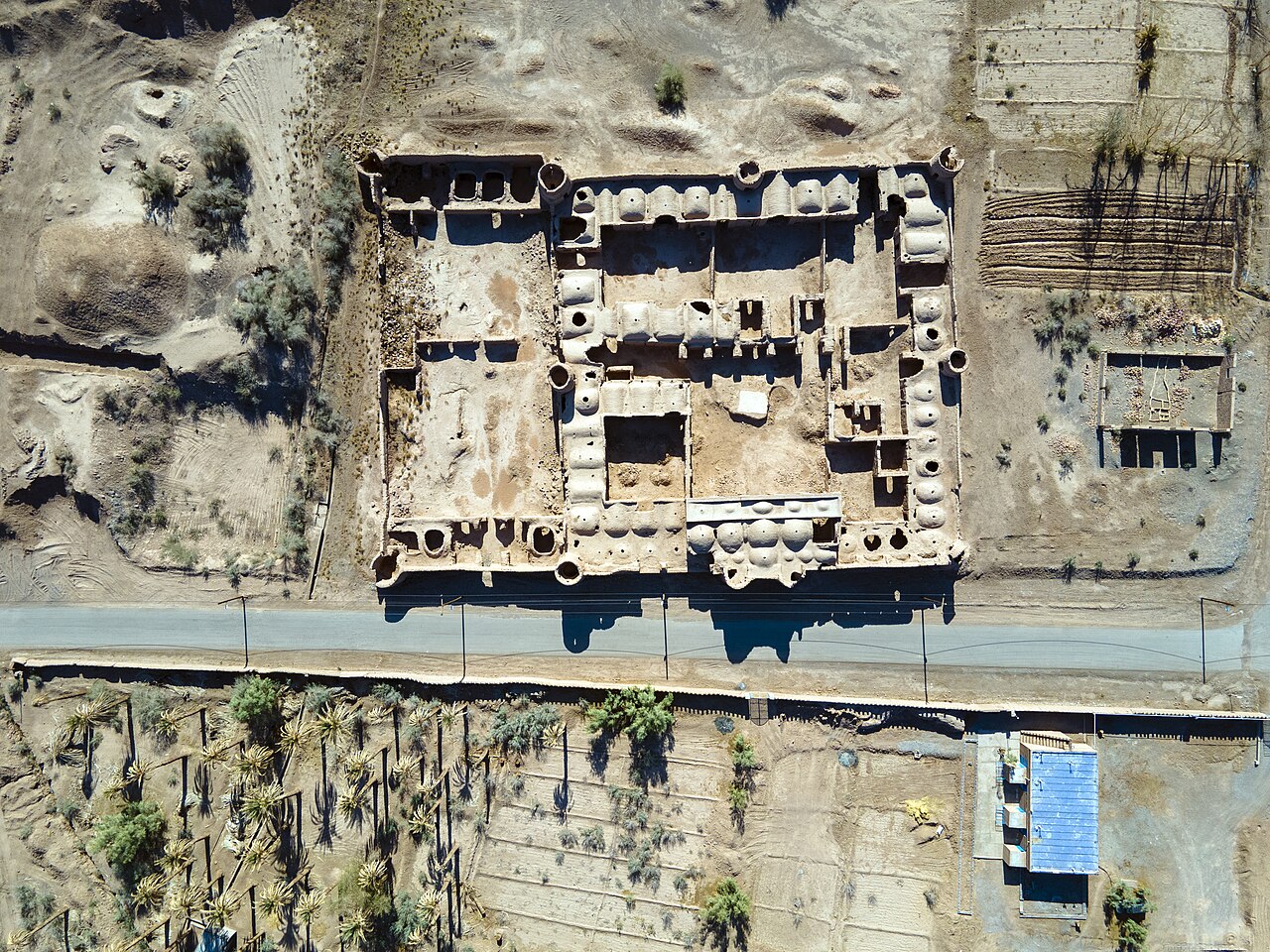
Within the fortress, there were distinct quarters for military, residential, and commercial uses. The central citadel housed the ruling elite and included palatial residences, administrative buildings, and storage facilities. Surrounding neighborhoods accommodated craftsmen, merchants, and farmers, reflecting the citadel's role as a self-sufficient urban center.
Destruction and restoration efforts
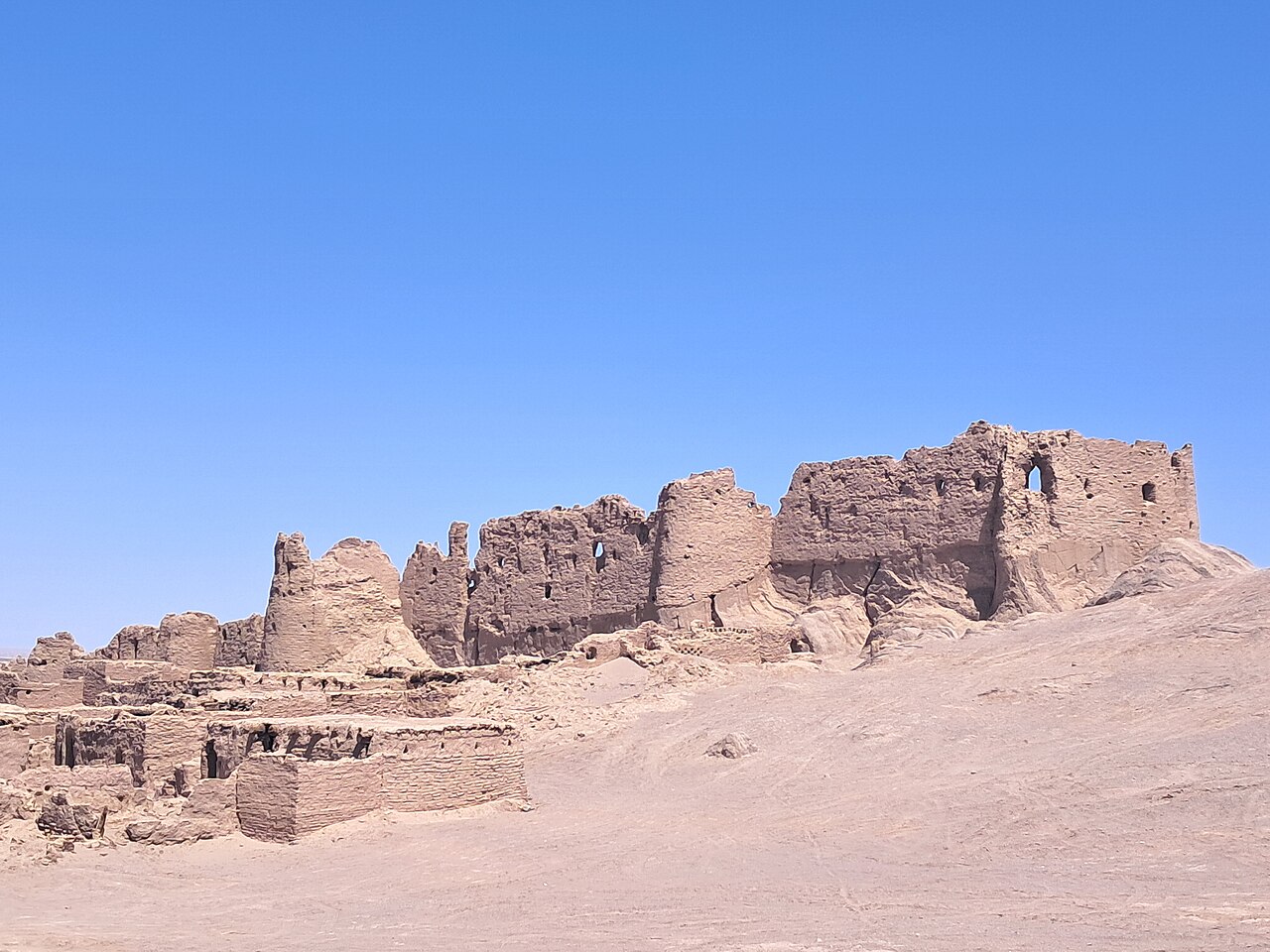
On 26 December 2003, a devastating earthquake struck Bam and its surroundings, causing catastrophic damage to the citadel and much of the city. The earthquake nearly obliterated the ancient adobe structures, leaving the site in ruins. This event was a significant cultural loss, as Bam Citadel was a unique example of ancient earthen architecture and a UNESCO World Heritage Site.
In the aftermath, the Iranian government, led by then-President Mohammad Khatami, committed to the reconstruction and restoration of the citadel. Extensive efforts have been made to stabilize the ruins, preserve surviving elements, and reconstruct key parts of the fortress using traditional materials and techniques. These efforts aim to restore Bam Citadel as a cultural landmark and tourist destination.
World Heritage status and cultural importance
Bam Citadel is inscribed on the UNESCO World Heritage List as part of the site "Bam and its Cultural Landscape". This designation recognizes the citadel's outstanding universal value as an architectural and historical treasure. The site exemplifies the ingenuity of ancient Persian urban planning and construction methods, especially in adapting to harsh desert environments.
The citadel continues to attract scholars, architects, and tourists interested in the history of the Silk Road, Persian culture, and adobe architecture. Its preservation is crucial for understanding the region's historical development and the legacy of ancient civilizations in Iran.
Visiting bam citadel today
Visitors to Bam Citadel can explore the extensive ruins and reconstructed sections, gaining insight into its historical significance and architectural complexity. The site offers panoramic views of the surrounding desert landscape and the modern city of Bam. Interpretive signage and guided tours help contextualize the fortress's role in regional history.
While the earthquake caused significant damage, ongoing restoration has made the citadel accessible and educational for tourists. The site is a testament to resilience and the importance of cultural heritage preservation in the face of natural disasters.
Frequently asked questions (FAQ)
- How do I get to Bam Citadel?
- Bam Citadel is located in the city of Bam, Iran, which is easily accessible by road. You can take a bus or hire a taxi from major cities like Kerman, which is about 200 kilometers away. The citadel is well-signposted, making it easy for visitors to find.
- What is the historical significance of Bam Citadel?
- Bam Citadel is an ancient fortress that dates back to the Achaemenid period and is one of the largest adobe structures in the world. It played a crucial role in trade along the Silk Road and has been recognized as a UNESCO World Heritage site for its architectural and historical value. The citadel is a symbol of the resilience of the local culture and architecture.
- When was Bam Citadel built?
- Construction of Bam Citadel began around the 6th century BC, with significant expansions and renovations occurring over the centuries. The fortress served as a military stronghold and a trading post until its decline following the Mongol invasions. Its impressive structure reflects various architectural styles developed over its long history.
- Can I visit Bam Citadel year-round?
- Yes, Bam Citadel is open for visitors year-round, but the best time to visit is during the spring (March to May) and autumn (September to November) months when the weather is mild and pleasant. Summer can be extremely hot, while winter temperatures may drop significantly at night. Always check local weather conditions before planning your visit.
- Why is Bam Citadel notable for its architecture?
- Bam Citadel is renowned for its unique adobe architecture, which has adapted over centuries to withstand the harsh desert climate. Its intricate design features include towers, walls, and living quarters, all made from sun-dried mud bricks. This architectural style is not only aesthetically pleasing but also demonstrates the ingenuity of ancient builders in creating sustainable structures.
- Is it possible to explore the interior of Bam Citadel?
- Yes, visitors can explore the interior of Bam Citadel, which includes various sections such as living quarters, watchtowers, and storage rooms. Guided tours are available to provide insight into the history and significance of different areas within the citadel. It's advisable to wear comfortable shoes as the terrain can be uneven.
- What are the opening hours for Bam Citadel?
- Bam Citadel is typically open to visitors from 8:00 AM to 6:00 PM, although hours may vary seasonally. It's recommended to check in advance or consult local resources for the most current opening times. Arriving early can help you avoid crowds and enjoy a more peaceful experience.
- What are the ticket prices for visiting Bam Citadel?
- The ticket prices for Bam Citadel are generally quite affordable, making it accessible for most visitors. As of the latest updates, entrance fees are around 200,000 IRR for adults, with discounts available for students and children. Always confirm the latest prices upon arrival, as they may change.
- Are there any nearby attractions to visit?
- Yes, there are several nearby attractions worth exploring, including the historic city of Bam, the Ziggurat of Bam, and the stunning desert landscapes surrounding the area. Additionally, the local markets offer a chance to experience traditional Iranian culture and cuisine. These attractions can complement your visit to Bam Citadel and provide a richer understanding of the region.
Photo gallery

Information
Loading map...
Visitor reviews
No reviews yet. Been here? Write the first review and help other travelers!
Write the first reviewVisited this castle? Share your experience
Your review helps other travelers and adds first-hand knowledge to our encyclopedia.