Ballyallaban ringfort
Ballyallaban ringfort, known in Irish as Baile Albóin and sometimes called An Rath ("The Rath"), is an ancient earthen ringfort located south of Ballyvaughan in the Burren region of County Clare, Ireland. This site is recognized as a National Monument due to its historical and archaeological significance.
Historical context and significance
Ringforts, also known as raths or cashels, are circular fortified settlements that were commonly constructed in early medieval Ireland, roughly between the 6th and 12th centuries AD. They served primarily as farmsteads or homesteads for families of some status, offering protection against raiders and wild animals. Ballyallaban ringfort is typical of these structures, providing insight into the rural settlement patterns of the period.
While the exact date of Ballyallaban ringfort's construction is not precisely known, its form and location suggest it was built during the early medieval period. The ringfort's designation as a National Monument underscores its importance as a well-preserved example of this type of fortification in the Burren, a unique karst landscape known for its rich archaeological heritage.
Architectural features and layout
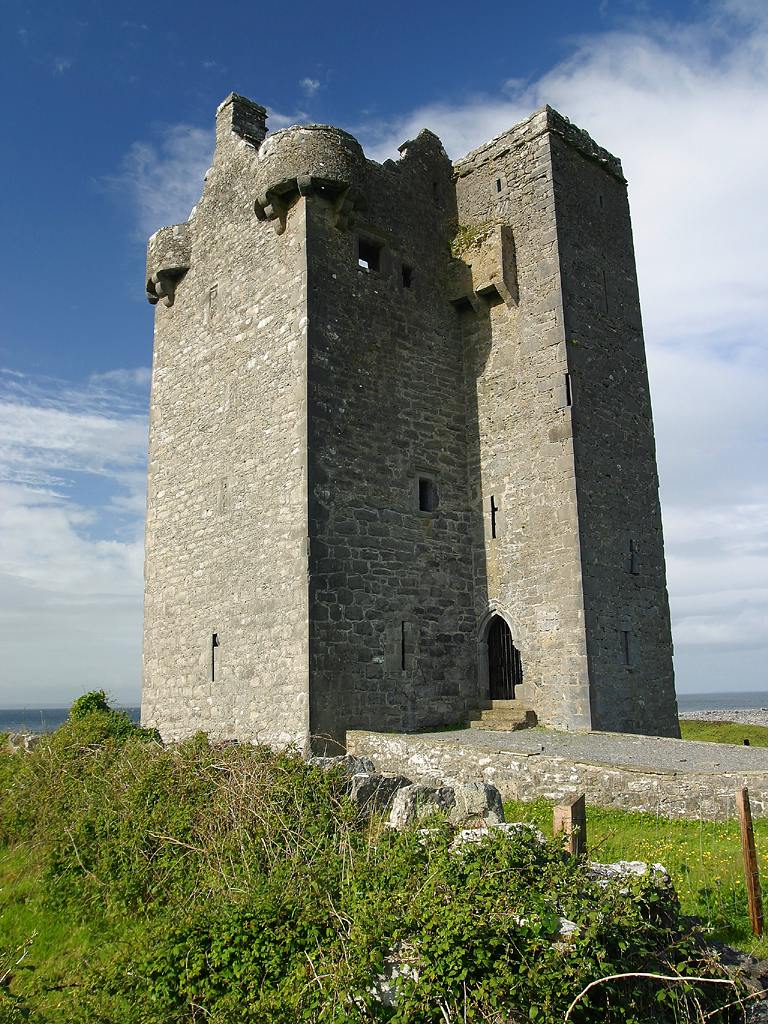
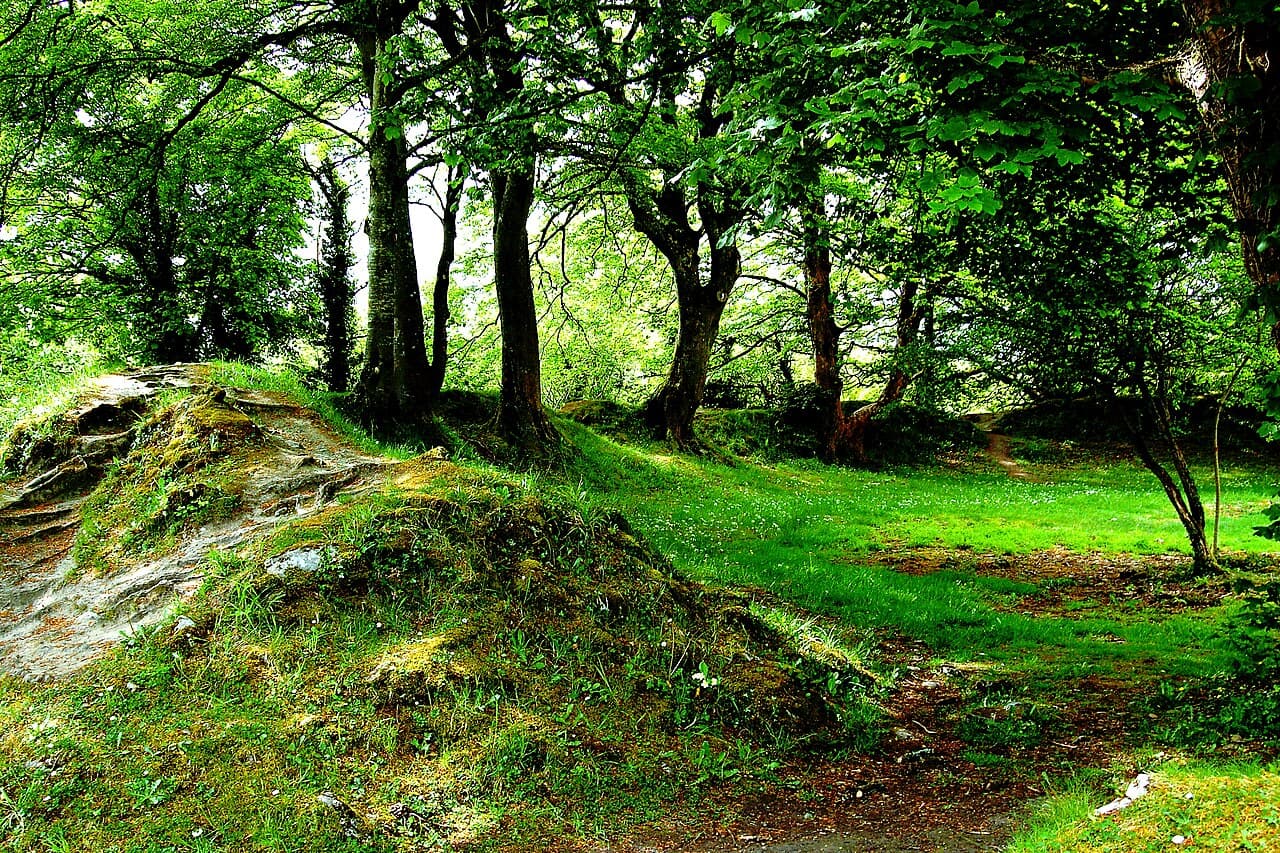
The Ballyallaban ringfort is an earthen fortification characterized by a roughly circular enclosure defined by a substantial earthen bank and an accompanying ditch or fosse. Unlike stone-built castles or towers, ringforts like Ballyallaban relied on earthworks for defense. The bank would have been topped with a wooden palisade, though no timber remains survive.
The enclosed area within the ringfort likely contained wooden structures such as houses, workshops, and animal pens. The entrance is typically a simple gap in the bank, sometimes reinforced with timber or stone features, though specific details for Ballyallaban's entrance are not well documented.
The Burren landscape and strategic location
Ballyallaban ringfort is situated within the Burren, an area renowned for its limestone pavements and unique flora. The ringfort's location south of Ballyvaughan would have provided its inhabitants with access to fertile land for farming and grazing, as well as proximity to trade routes along the western coast of Ireland.
The positioning of ringforts like Ballyallaban often reflects a balance between defensibility and access to resources, indicating the social and economic priorities of the early medieval rural communities.
Archaeological importance and preservation
Ballyallaban ringfort is classified as archaeological ruins and is in a state of ruins, with the earthen banks and ditches remaining as the primary visible features. There are no standing stone structures, but the site offers valuable information about early medieval settlement patterns and defensive architecture in Ireland.
As a National Monument, Ballyallaban is protected under Irish heritage laws, ensuring its preservation for future study and public education. Archaeological investigations in the Burren often highlight ringforts like Ballyallaban as key to understanding the region's historical landscape.
Visiting Ballyallaban ringfort
Visitors to the Burren region interested in early medieval archaeology can explore the Ballyallaban ringfort site, though facilities are minimal due to its nature as an earthen ruin. The site is accessible from nearby Ballyvaughan, and the surrounding landscape offers additional attractions such as prehistoric tombs, limestone formations, and other archaeological sites.
Visitors should respect the site's protected status by avoiding damage to the earthworks and adhering to any local guidelines or signage.
Frequently asked questions (FAQ)
- What is Ballyallaban ringfort?
- Ballyallaban ringfort is an ancient earthen ringfort located in County Clare, Ireland, dating to the early medieval period. It served as a fortified farmstead or homestead.
- When was Ballyallaban ringfort built?
- The exact construction date is unknown, but it likely dates from the early medieval period, between the 6th and 12th centuries AD.
- Can I visit Ballyallaban ringfort?
- Yes, the site is accessible to visitors and is located south of Ballyvaughan in the Burren region. There are minimal facilities, so visitors should prepare accordingly.
- What remains can be seen at Ballyallaban ringfort?
- The primary visible features are the earthen banks and ditches forming the circular enclosure. No standing stone structures remain.
- Why is Ballyallaban ringfort important?
- It is a well-preserved example of an early medieval ringfort, offering insights into rural settlement and defensive strategies in Ireland during that period.
Photo gallery

Information
Loading map...
Visitor reviews
No reviews yet. Been here? Write the first review and help other travelers!
Write the first reviewVisited this castle? Share your experience
Your review helps other travelers and adds first-hand knowledge to our encyclopedia.