Ballincollig Castle
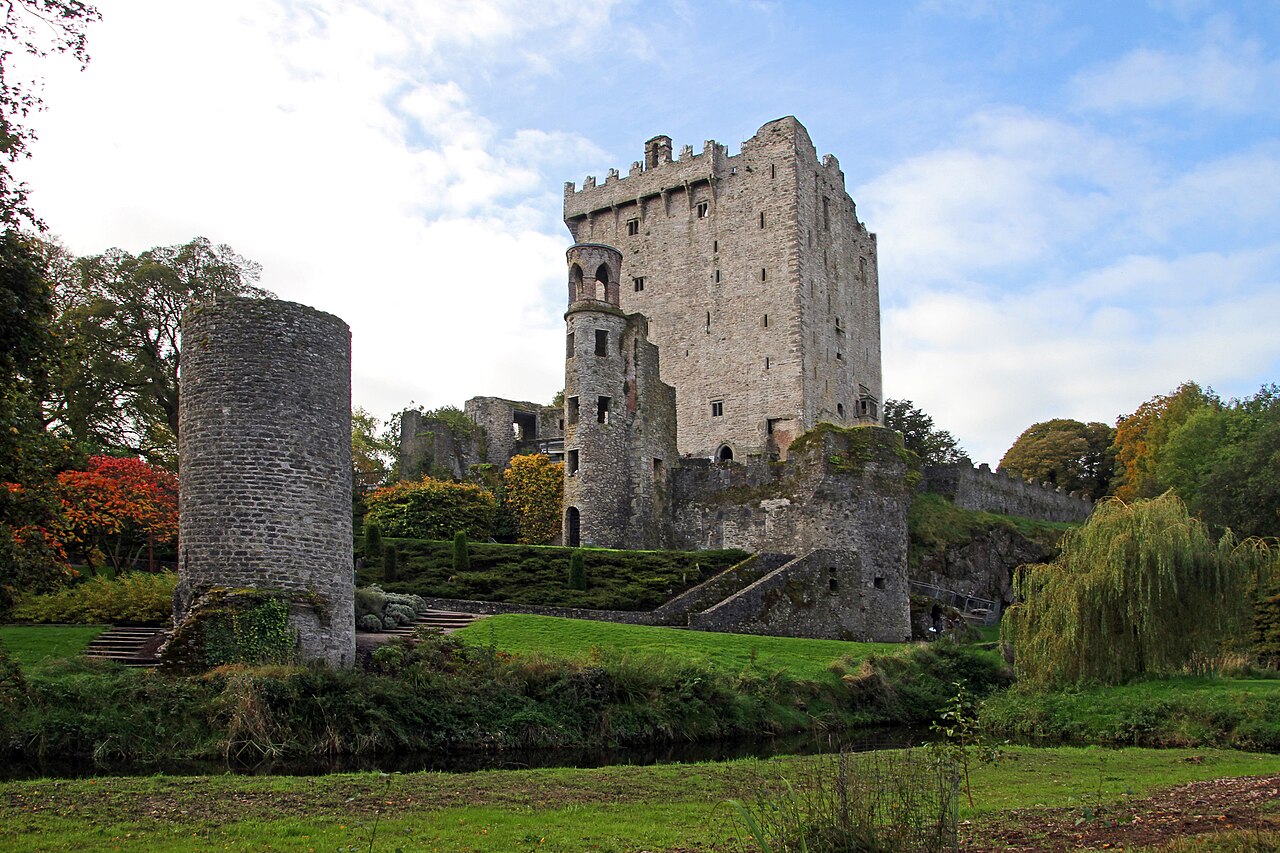
Ballincollig Castle is a striking Norman fortress located just south of the town of Ballincollig in County Cork, Ireland. Perched on a limestone outcrop overlooking the Maglin Valley, this hill castle exemplifies medieval military architecture and the complex history of Norman influence in Ireland. Its origins date back to the 13th century, shortly after the Norman invasion, with the oldest surviving structure being its tall and slender keep.
The castle's strategic position on a natural limestone hill provided formidable defensive advantages, including a cavern beneath the fortress and traces of a surrounding moat. The main castle complex consists of a large rectangular enclosure or bawn, with thick walls approximately 1.5 meters thick and up to 5 meters high. The walls are topped with a parapet and accessed by stairways, enhancing its defensive capabilities.
The origins and early history of Ballincollig Castle
Construction of Ballincollig Castle began in the late 12th or early 13th century, attributed to Sir Robert Coll, a Norman knight whose name likely influenced the naming of the town of Ballincollig. This early fortification marked the establishment of Norman authority in the region following their invasion of Ireland in 1169.
Throughout the High Medieval period, the castle served as a key stronghold in the area. The principal surviving structure from this era is the keep, a tall tower rising approximately 14 to 15 meters, featuring a vaulted stone ceiling on the ground floor and narrow staircases leading to upper chambers. The keep was designed primarily as a secure refuge rather than a comfortable residence, evident from its lack of windows and open fireplaces, and its original ground floor access only via a trapdoor from above, suggesting use as a prison.
The Barrett family and castle expansions
In 1458, the castle was purchased by the Barrett family from Robert Coil, marking a significant chapter in its history. The Barretts, themselves of Norman descent, transformed Ballincollig Castle into their principal stronghold. They expanded the castle's defenses by extending the enclosure southwards in the 16th century to occupy the entirety of the limestone outcrop.
The Barretts also added two defensive towers along the curtain wall of the bawn, one at the south-east corner (now in ruins) and another on the south wall, both dating from the 15th century. Within the enclosed courtyard, architectural evidence such as a fireplace, chimney, and a two-light window indicate the presence of a large hall used for domestic and administrative purposes.
Internal conflicts and ownership changes
The late 16th century saw internal disputes within the Barrett family, escalating into armed conflicts over control of the castle. Financial difficulties in the early 17th century forced the Barretts to mortgage the castle to the Coppinger family in 1618. By 1630, the Coppingers had full ownership, marking a shift in stewardship.
Ballincollig Castle in the 17th century conflicts
The castle played a role during the turbulent mid-17th century wars in Ireland. In 1644, it was captured by forces loyal to Oliver Cromwell during the English conquest of Ireland. Later, around 1689, Ballincollig Castle was garrisoned for supporters of James II during the Williamite War. After the decisive battles of the late 17th century, the castle fell into disuse and gradually deteriorated.
19th century restoration and current condition
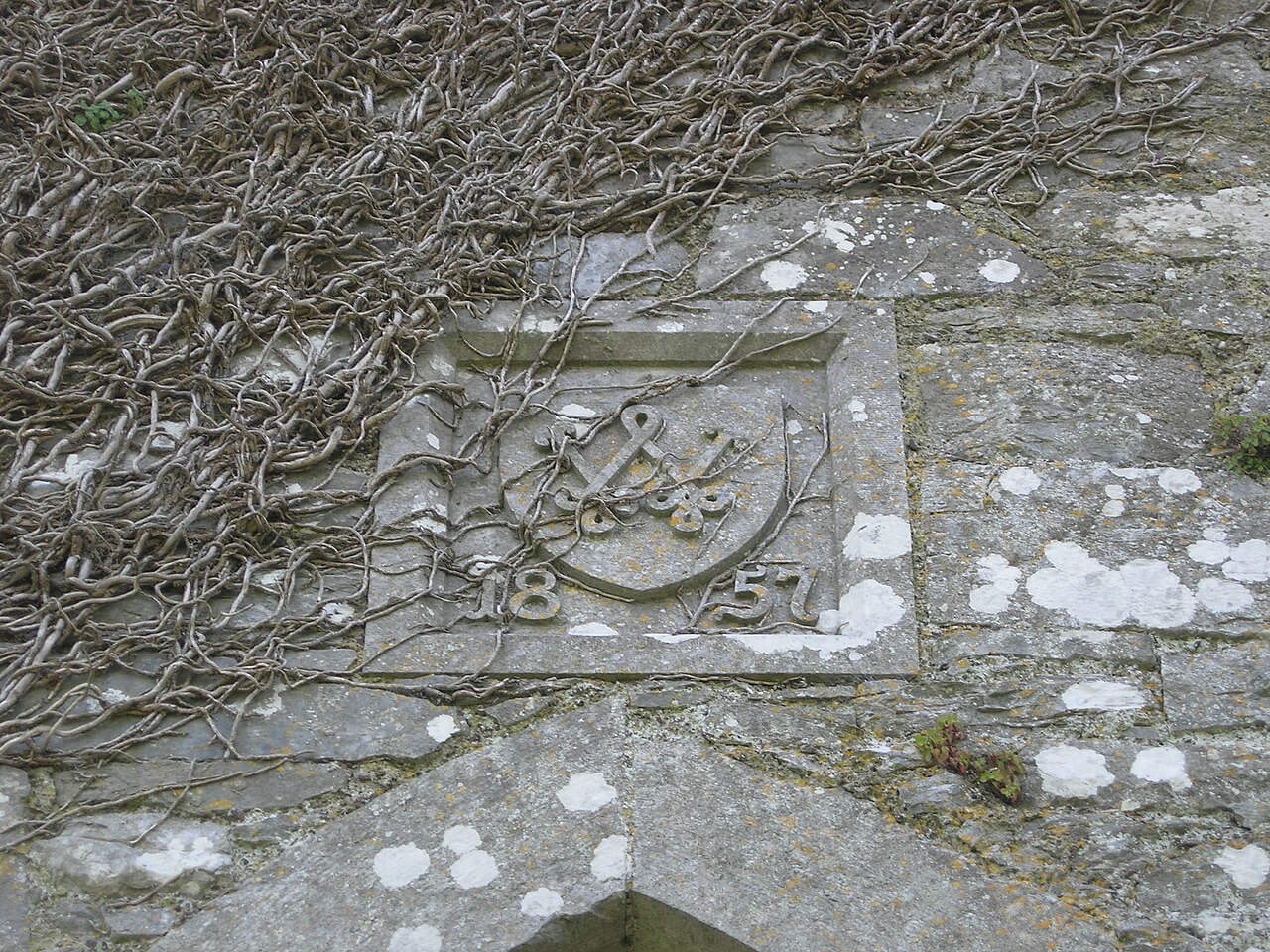
In 1857, the Wyse family undertook restoration efforts on the castle's keep. Their work included the insertion of new windows on all sides of the upper floor and the main chamber, allowing more natural light inside while preserving much of the original defensive architecture, such as loopholes and thick stone walls. A dated shield bearing the monogram "W" commemorates their restoration.
Today, Ballincollig Castle stands as a partially preserved medieval fortress with significant architectural and historical value. Its keep, curtain walls, and remnants of defensive towers offer insight into Norman military architecture and the complex socio-political history of medieval Ireland. The castle is freely accessible and remains a popular site for visitors interested in Ireland's Norman heritage.
Architectural features and defensive elements
The castle's design reflects typical Norman defensive priorities. The keep is the oldest and most prominent structure, characterized by its slender form and vaulted stone ceilings. The ground floor's lack of external access and secure trapdoor entry suggest its use as a dungeon or secure storage.
The surrounding bawn walls are robust, with parapets and stairways for defenders to patrol and repel attackers. The two surviving defensive towers along the curtain wall provided flanking fire and observation points, though one tower is now largely ruined.
Inside the courtyard, the remains of a large hall with a chimney and two-light window highlight the castle's role as a domestic center as well as a military fortress. The garderobe drain and stone seating in the keep's upper chambers illustrate the blend of functionality and defense.
Natural defensive advantages
Built on a limestone hill, the castle benefits from natural elevation, giving defenders a commanding view of the surrounding valley. The presence of a cavern beneath the fortress and traces of a moat further enhanced its defenses, creating obstacles for potential attackers.
Visiting Ballincollig Castle
Ballincollig Castle is freely accessible to the public, offering visitors the opportunity to explore a well-preserved example of a 13th-century Norman hill castle. Its location near the town of Ballincollig makes it an easily reachable destination for those interested in medieval history and architecture.
Visitors can appreciate the castle's imposing keep, extensive curtain walls, and the atmospheric remains of its defensive towers and courtyard structures. The site provides a tangible connection to Ireland's Norman past and the turbulent centuries that shaped its history.
Frequently asked questions (FAQ)
- What is the historical significance of Ballincollig Castle?
- Ballincollig Castle, dating back to the 17th century, served as a defensive fortification and residence for local nobility. Its strategic location offered protection and surveillance over the surrounding areas, making it an important site in the history of the region.
- When was Ballincollig Castle built?
- Construction of Ballincollig Castle began in the late 1600s, specifically around 1620. It was completed as a stronghold during a time of political unrest in Ireland, reflecting the architecture and defensive needs of that era.
- Can I visit Ballincollig Castle?
- Yes, visitors are welcome to explore the grounds of Ballincollig Castle. While the interior is not fully accessible, the exterior and surrounding parklands offer a scenic view of this historic site.
- What are the opening hours for Ballincollig Castle?
- Ballincollig Castle is open to the public year-round, with access generally from dawn until dusk. However, it is advisable to check local resources for specific seasonal hours or any special events that may affect access.
- Is it possible to access Ballincollig Castle with mobility aids?
- The Castle grounds are partially accessible, but visitors using mobility aids may encounter some difficulties due to uneven terrain and limited pathways. It is recommended to plan your visit and contact local guides for assistance regarding specific needs.
- When is the best time to visit Ballincollig Castle?
- The best time to visit Ballincollig Castle is during the spring and early autumn months when the weather is generally mild and pleasant. These seasons also offer beautiful scenery with blooming flowers and vibrant foliage, enhancing your experience.
- What are some nearby attractions to Ballincollig Castle?
- Nearby attractions include the scenic Ballincollig Regional Park, which offers walking trails and picnic spots, as well as various historical sites in the surrounding area. Visitors can also explore the bustling town of Ballincollig, which is rich in local culture and amenities.
- What are the ticket prices for visiting Ballincollig Castle?
- Entry to Ballincollig Castle is free, making it an accessible destination for all visitors. However, donations to support preservation efforts are appreciated and encouraged during your visit.
Information
Loading map...
Visitor reviews
No reviews yet. Been here? Write the first review and help other travelers!
Write the first reviewVisited this castle? Share your experience
Your review helps other travelers and adds first-hand knowledge to our encyclopedia.