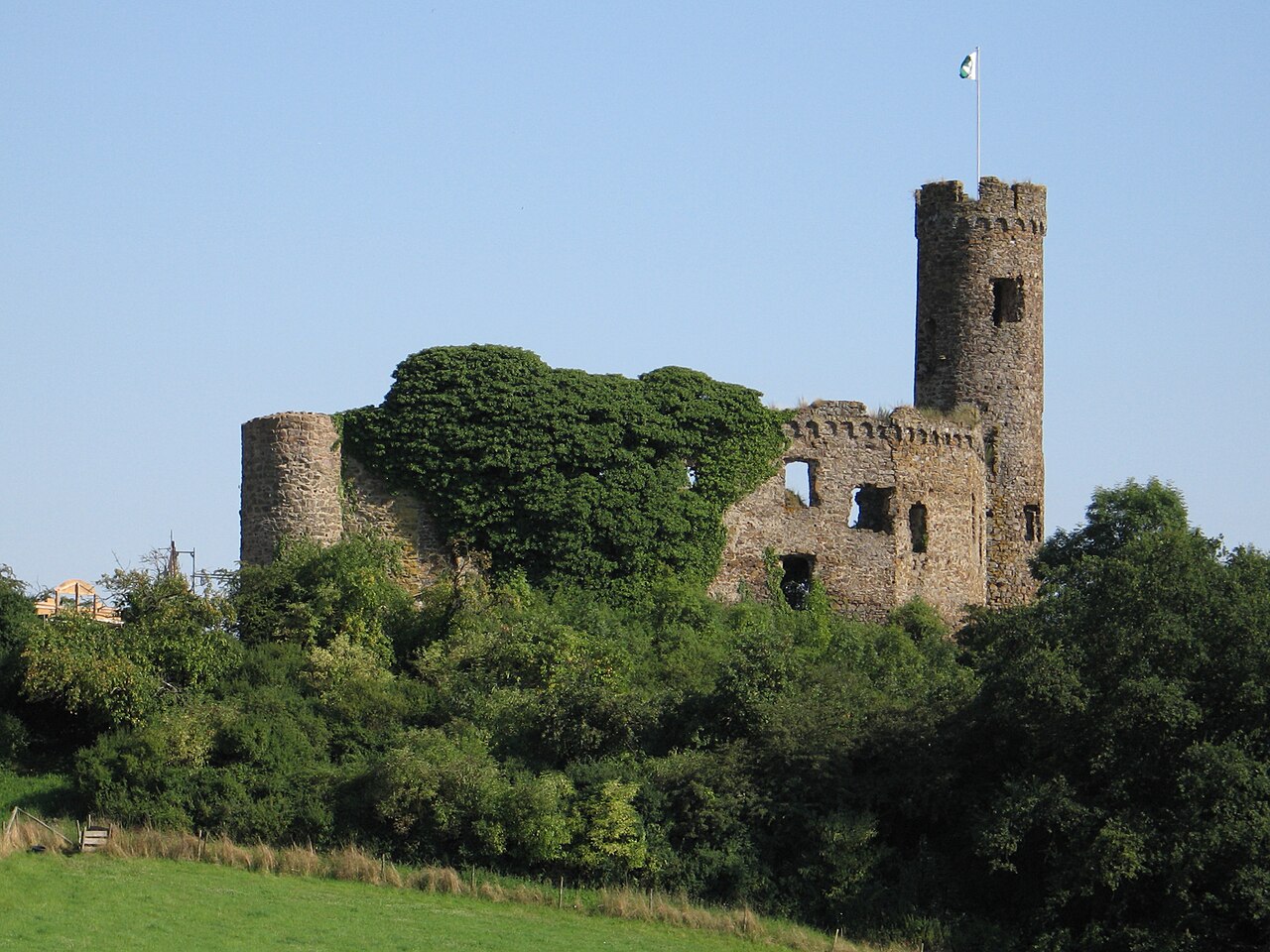
Balduinstein Castle
Balduinstein Castle was constructed in 1319 under the direction of the archbishop of Trier, a significant ecclesiastical and political figure during the late medieval period. This fortress was strategically positioned in the town of Balduinstein, Germany, overseeing important routes and local territories. Its establishment reflects the common practice of church authorities building fortified residences to assert control and protect their lands.
Historical significance and ownership
After its initial construction, Balduinstein Castle came under the ownership of the Staffel family from 1335 to 1683. The Staffel family were notable regional nobles who maintained the castle as their seat for several centuries. During this time, the castle served both as a defensive stronghold and a noble residence, reflecting the feudal system prevalent in the region.
The castle's prominence began to decline following the completion of Niederburg Castle, which became the preferred residence and administrative center for the ruling authorities. This shift diminished Balduinstein's strategic and residential importance.
Architectural features and layout
As a late medieval castle, Balduinstein likely featured typical defensive elements of the period, including thick curtain walls, towers, and possibly a moat or natural defensive terrain. Though detailed architectural records are scarce, castles built by ecclesiastical authorities often combined military functionality with residential quarters for the bishop or noble family.
The castle's design would have included a keep or donjon, serving as the last line of defense and the lord's residence. Surrounding buildings likely housed garrison troops, servants, and storage facilities. The layout would have been adapted to the local topography to maximize defensive capabilities.
Decline and current condition
By the mid-17th century, Balduinstein Castle had lost much of its strategic relevance. In 1665, it was deliberately demolished, a common fate for castles that were no longer militarily useful or that posed a threat if captured by enemies. The demolition left the castle in ruins, and today it remains a ruined site reflecting its historical past.
Visitors to Balduinstein can explore the remains, which offer insight into medieval fortification techniques and the region's feudal history. The ruins stand as a testament to the changing political and military landscape of the Rhineland area during the late medieval and early modern periods.
Location and cultural context
Balduinstein is situated in the German region known for its numerous castles and historical sites along the Lahn River valley. This area was a contested frontier during the medieval era, with many castles built to control trade routes and local populations.
The castle's proximity to other important fortifications, such as Niederburg Castle, illustrates the dense network of power centers in the region. Balduinstein Castle contributes to the cultural heritage of Rhineland-Palatinate, attracting historians and tourists interested in medieval architecture and history.
Frequently asked questions (FAQ)
- How do I get to Balduinstein Castle?
- Balduinstein Castle is easily accessible by car or public transportation. If you're driving, there is parking available nearby. For those using public transport, the nearest train station is just a short walk away from the castle.
- What is the historical significance of Balduinstein Castle?
- Balduinstein Castle dates back to the 13th century and played a crucial role in the region's defense during the Middle Ages. It has witnessed numerous historical events and has been a significant landmark in the area. Today, it serves as a reminder of the rich history and architectural heritage of Germany.
- When was Balduinstein Castle built?
- Balduinstein Castle was constructed in the year 1250. It was built by the Counts of Katzenelnbogen to protect their territory and to serve as a residence. Over the centuries, it has undergone various renovations, reflecting different architectural styles.
- Can I visit Balduinstein Castle year-round?
- Yes, Balduinstein Castle is open to visitors year-round, although specific access to certain areas may vary by season. It's advisable to check the castle's official website for any seasonal closures or special events. Guided tours are available to enhance your visiting experience.
- Why is Balduinstein Castle a popular tourist attraction?
- Balduinstein Castle attracts visitors due to its stunning architecture, rich history, and breathtaking views of the surrounding landscape. The castle's well-preserved structure and informative tours provide a unique insight into medieval life. Additionally, its picturesque setting makes it a favorite spot for photography enthusiasts.
- Is it possible to enter Balduinstein Castle with a wheelchair?
- Balduinstein Castle has made efforts to improve accessibility for visitors with mobility challenges. While some areas may be difficult to navigate due to historical architecture, there are accessible routes available. It is recommended to contact the castle in advance to inquire about specific accessibility options.
- What are the opening hours for Balduinstein Castle?
- Balduinstein Castle is typically open from 10 AM to 6 PM during the peak season, with shorter hours in the off-season. It’s best to check the official website for the most current information on opening hours, especially around holidays. Guided tours usually operate within these hours.
- What are the ticket prices for visiting Balduinstein Castle?
- Ticket prices for Balduinstein Castle are generally affordable, with discounts available for children, students, and seniors. Prices can vary depending on whether you choose a guided tour or self-guided visit. Always check the official website for the latest ticket information and any special offers.
- Are there any nearby attractions to visit after Balduinstein Castle?
- Yes, there are several nearby attractions worth exploring, including the charming village of Balduinstein and the scenic Lahn River. You can also visit other historical sites and castles in the region, making it a perfect day trip. Don't forget to enjoy the local cuisine at nearby restaurants to complete your visit.
Information
Loading map...
Visitor reviews
No reviews yet. Been here? Write the first review and help other travelers!
Write the first reviewVisited this castle? Share your experience
Your review helps other travelers and adds first-hand knowledge to our encyclopedia.