Baginton Castle
Baginton Castle is a historically significant medieval fortress located in the village of Baginton, Warwickshire, England. This site uniquely encapsulates over a millennium of occupation, beginning with an early medieval house from the 7th century, through Norman military architecture, and culminating in a late medieval stone keep. The castle's layered history offers rich insights into the evolution of English defensive structures and noble residences.
Early origins and Norman foundation
The earliest known structure on the Baginton Castle site dates back to the 7th century, when a house was established during the early medieval period. This indicates the long-standing strategic importance of the location, situated on relatively flat terrain approximately seventy-seven meters above sea level, surrounded by fertile farmland that has preserved the site's historical context.
In the 12th century, during the reign of King Henry I, Geoffrey Savage constructed the first fortification here. This initial castle was a typical Norman motte and bailey design, consisting of a raised earthwork or motte topped with a wooden or stone tower, accompanied by an enclosed courtyard or bailey. This design was prevalent across England following the Norman Conquest, serving both as a defensive stronghold and a residence.
The motte and bailey at Baginton included a dwelling house intended for the castle's inhabitants, reflecting the dual military and domestic functions of Norman castles. Although no visible earthworks or ruins from this original 12th-century structure survive above ground today, archaeological excavations have identified its probable location near a 19th-century garden gazebo, highlighting the site's complex stratigraphy.
Medieval reconstruction and the stone keep
By the late 14th century, the original Norman motte and bailey had fallen into disrepair. Around 1397, Sir William Bagot demolished the older timber structures and commissioned the construction of a new stone keep on the site. This keep exemplifies the late medieval architectural shift towards more durable and defensible stone fortifications, reflecting changes in military technology and residential needs.
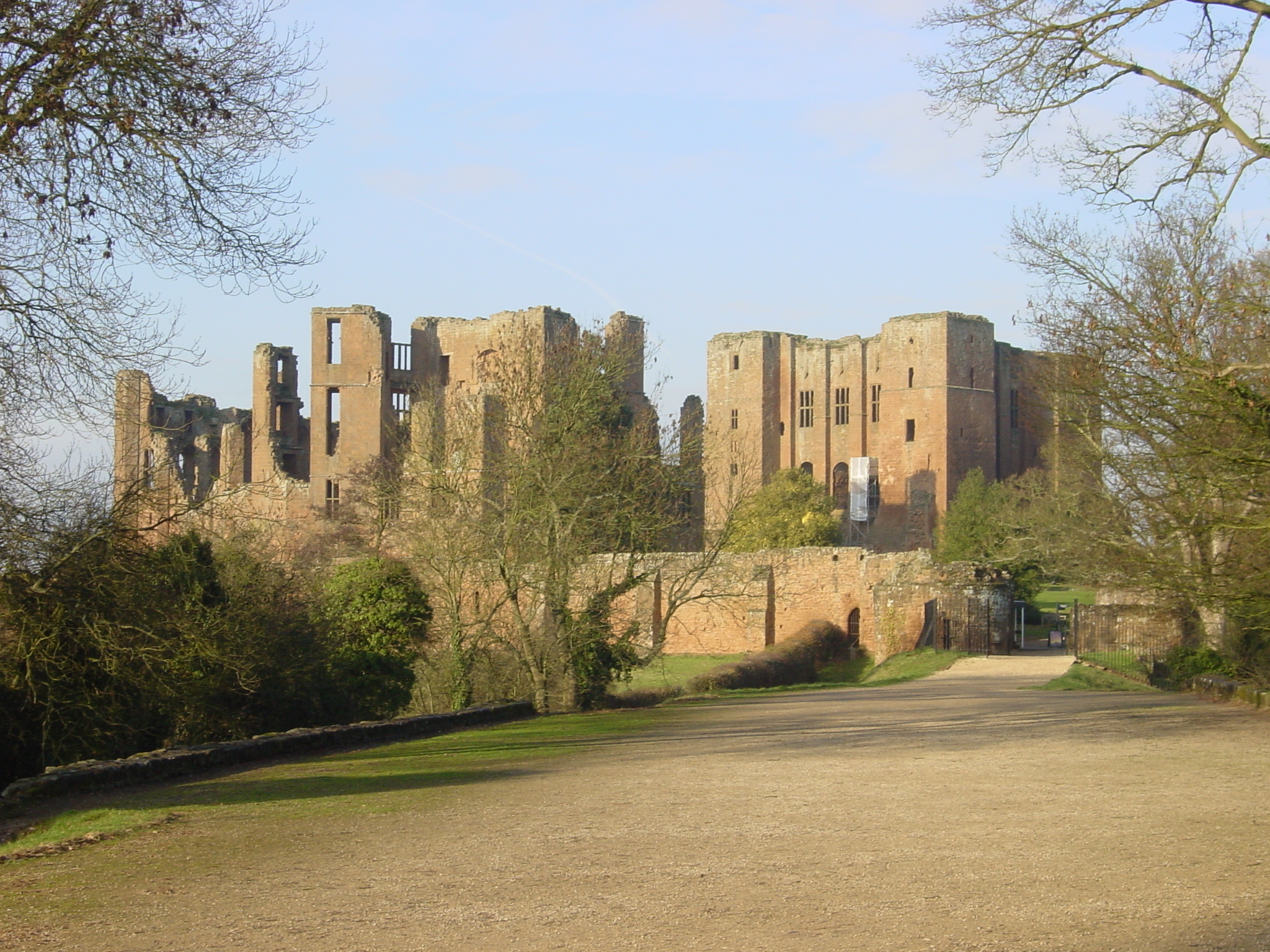
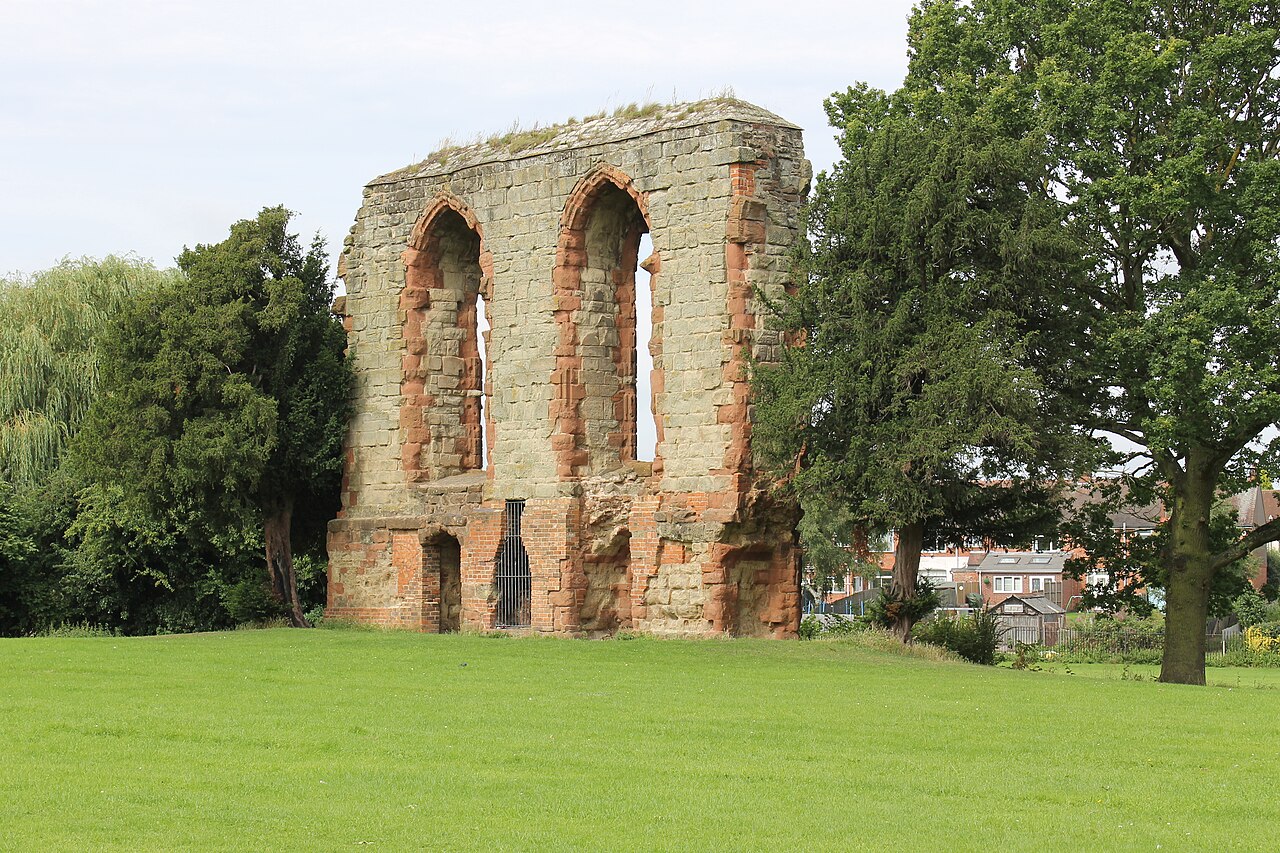
The stone keep remains the best-preserved element of Baginton Castle today. Built with robust stone walls, it provided a secure refuge and a comfortable residence for the Bagot family. The keep's design includes typical medieval defensive features such as thick walls and limited points of entry, enhancing its ability to withstand siege warfare prevalent during the period.
Surrounding the keep, part of the eastern ditch that once encircled the castle remains visible. This ditch would have served as a formidable obstacle to attackers, possibly functioning as a dry moat. Such earthworks were essential components of medieval fortifications, complementing the stone structures by impeding enemy advances.
Historical significance and political role
Baginton Castle played a notable role in the turbulent political landscape of early 15th-century England. Following the Battle of Shrewsbury in 1403, Henry Percy, 1st Earl of Northumberland, was imprisoned within the castle after his son, Henry “Hotspur” Percy, was defeated. This event ties Baginton Castle to the broader conflicts between powerful noble families and the crown during the medieval period.
Throughout the subsequent centuries, the castle's importance waned. By the 16th century, it was described as desolate by the antiquarian John Leland in 1540. The castle's stones were repurposed for other buildings, a common fate for many medieval structures as their military relevance declined.
Ownership passed through various hands, including the Goodere family and later Sir William Bromley in 1618. By the early modern period, the castle's motte was largely leveled and replaced by a pleasure garden, reflecting changing tastes and the site's diminished defensive function. By the 18th century, the remaining ruins had fallen into neglect, even being used as a pigsty, illustrating the dramatic shift from fortress to agricultural utility.
Archaeological investigations and preservation
Interest in Baginton Castle revived in the 20th century with archaeological excavations undertaken between 1933 and 1948. These digs focused on uncovering the 14th-century stone keep and other medieval features, although the site became overgrown again afterward. A more comprehensive excavation in 2009 clarified the castle's layout and historical phases, leading to improved public access and interpretation.
Archaeological efforts have revealed not only the medieval remains but also earthworks from the surrounding village dating to the 15th and 16th centuries. These include ditches and structural outlines that provide context for the castle's role within the local community and landscape.
Crucially, excavations have identified remnants of the original 7th-century house beneath the later castle structures, underscoring the site's continuous occupation. The probable location of the 12th-century motte and bailey has been pinpointed, enhancing understanding of the castle's Norman origins despite the absence of visible surface remains.
Today, Baginton Castle is recognized for its historical and architectural significance, protected as a Grade II listed building and a Scheduled Monument. These designations ensure the preservation of the site for future generations and acknowledge its importance within England's medieval heritage.
Architectural features and landscape context
The castle's most prominent surviving feature is the late medieval stone keep, which replaced earlier timber fortifications. Its construction reflects the architectural trends of the late 14th century, emphasizing stone's defensive advantages and residential comfort.
The remains of the eastern ditch help define the castle's defensive perimeter, while archaeological evidence suggests the presence of additional earthworks and fortifications now lost to time. The layering of medieval and post-medieval features, including the 15th and 16th-century village earthworks, illustrates the dynamic use of the landscape over centuries.
The castle stands on flat terrain, an unusual choice compared to many Norman motte and bailey castles typically built on elevated ground. This location may have been chosen for its proximity to local settlements and fertile lands rather than purely defensive advantages.
Surrounding farmland preserves the visual and historical context of the castle, allowing visitors to appreciate the site's setting much as it would have appeared in medieval times. The juxtaposition of the stone keep ruins with the subtle earthworks offers a tangible connection to England's layered medieval past.
Visiting baginton castle today
Baginton Castle is accessible to the public, offering a unique opportunity to explore a site that encapsulates Norman military architecture and late medieval stone fortification. Visitors can view the well-preserved stone keep ruins and discern the outlines of the surrounding ditch and earthworks.
The site is set within a peaceful rural landscape, enhancing the visitor experience with a sense of historical continuity. Interpretive signage and information panels help contextualize the castle's history, architecture, and archaeological discoveries.
While the castle remains are primarily ruins, their preservation and the archaeological insights gained make Baginton Castle a valuable destination for enthusiasts of medieval history, architecture, and archaeology.
Frequently asked questions (FAQ)
- When was Baginton Castle originally built?
- Baginton Castle was originally established in the 12th century as a Norman motte and bailey castle built by Geoffrey Savage during King Henry I's reign.
- What remains can visitors see at Baginton Castle today?
- Visitors can see the well-preserved late 14th-century stone keep, parts of the eastern defensive ditch, and earthworks from surrounding village settlements.
- Why is Baginton Castle historically significant?
- Baginton Castle is significant for its continuous occupation from the 7th century, its Norman motte and bailey origins, and its role in medieval political events such as the imprisonment of Henry Percy after the Battle of Shrewsbury.
- Is Baginton Castle accessible to the public?
- Yes, Baginton Castle is open to the public, with interpretive signage and pathways allowing visitors to explore the ruins and understand the site's historical context.
- What archaeological work has been done at Baginton Castle?
- Excavations took place between 1933 and 1948 and again in 2009, uncovering the stone keep, the motte and bailey location, and earlier 7th-century structures beneath the castle.
Information
Website
Visit websiteSources & official resources
Verify the information above using these authoritative references.
Loading map...
Visitor reviews
No reviews yet. Been here? Write the first review and help other travelers!
Write the first reviewVisited this castle? Share your experience
Your review helps other travelers and adds first-hand knowledge to our encyclopedia.