Attalens Castle

Attalens Castle: medieval fortress and concert venue in Switzerland
Attalens, Fribourg, Switzerland
High Medieval (11th–13th c.)
Well Preserved

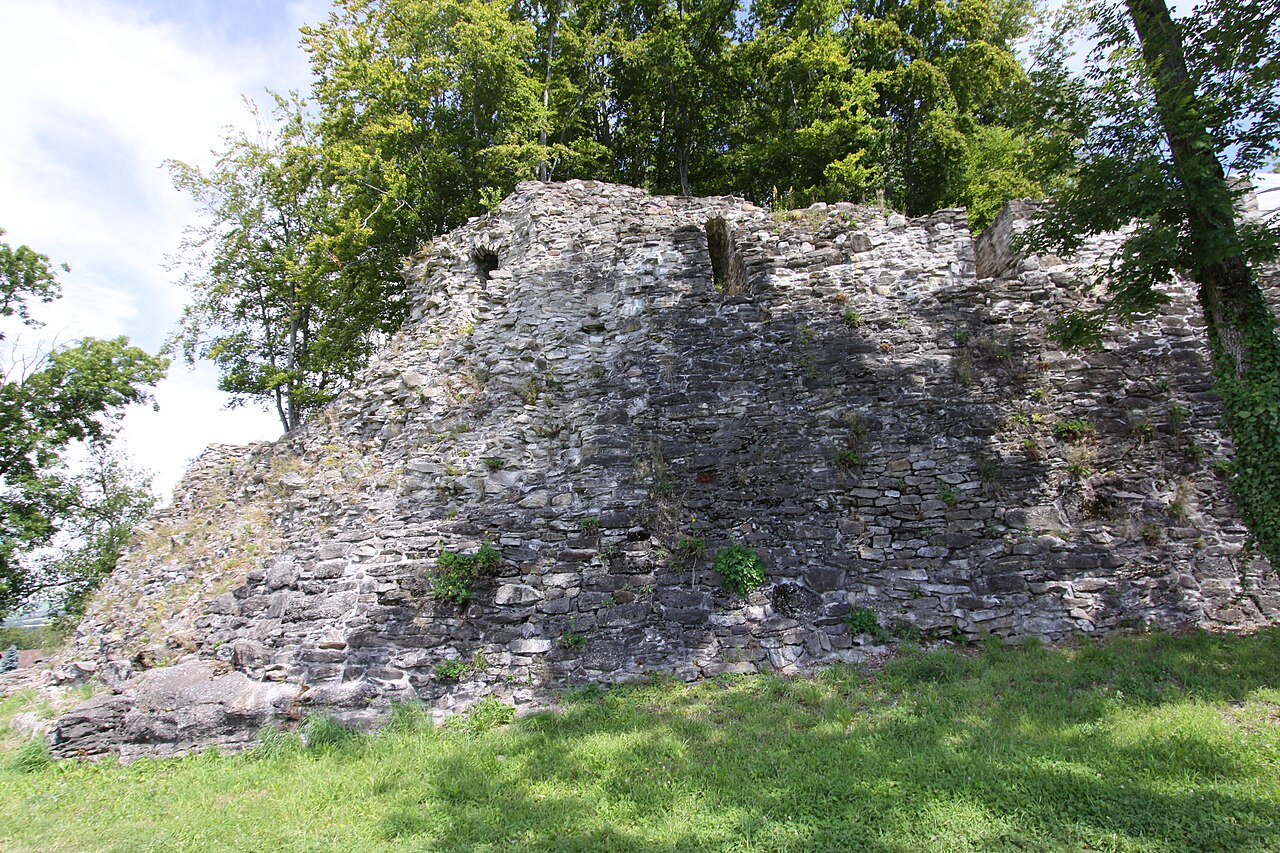
Attalens Castle is a historic fortress located in the municipality of Attalens in the canton of Fribourg, Switzerland. Originally constructed in the 12th century during the High Medieval period, the castle was built as a defensive stronghold to control the surrounding region and assert the authority of local nobility. Its strategic position allowed it to oversee important routes and protect the nearby settlements.

Medieval origins and architectural features

The castle's initial construction reflects typical High Medieval military architecture, characterized by robust stone walls, a fortified keep, and defensive elements such as battlements and narrow windows designed for archers. Though detailed records of the original layout are limited, the castle likely included a central courtyard, living quarters, and ancillary buildings necessary for sustaining its garrison.

Destruction during the Burgundian wars

In the late 15th century, Attalens Castle suffered significant damage during the Burgundian Wars (1474–1477), a conflict involving the Swiss Confederation and the Duchy of Burgundy. The castle was destroyed as part of the military campaigns that reshaped the political landscape of the region. This destruction marked a turning point for the castle, leading to a period of decline.

Reconstruction and later uses

After its destruction, the castle was rebuilt, though the exact timeline and extent of reconstruction are not extensively documented. The restored structure transitioned from a purely military fortress to a more residential function over the centuries. Since 1969, Attalens Castle has been adapted for modern use, serving as private residences as well as a venue for concerts and cultural events, blending its historical ambiance with contemporary functions.

Architectural evolution and preservation

The castle's architecture today reflects a mix of its medieval origins and later alterations. While much of the original defensive character has been softened by residential modifications, key features such as thick stone walls and elements of the original layout remain visible. The castle stands as a well-preserved example of medieval fortifications adapted for modern use.

Cultural significance and visitor experience

Attalens Castle holds cultural importance in the region, representing the medieval heritage of the canton of Fribourg. Its use as a concert venue allows visitors to experience the castle's historic atmosphere in a vibrant, communal setting. Though it is privately owned, public access during events provides an opportunity to appreciate its architecture and history firsthand.

Frequently asked questions (FAQ)

How do I visit Attalens Castle?
Attalens Castle is privately owned but open to the public during concerts and special events. Check local listings for event schedules and visiting opportunities.
What is the historical significance of Attalens Castle?
Built in the 12th century, Attalens Castle played a defensive role in the region until its destruction in the Burgundian Wars, after which it was rebuilt and repurposed.
Can I attend concerts at Attalens Castle?
Yes, since 1969 the castle has been used as a concert venue hosting various cultural events, providing a unique historic setting for performances.
When was Attalens Castle originally built?
The castle dates back to the 12th century, during the High Medieval period, reflecting medieval military architecture.
Is Attalens Castle accessible for people with disabilities?
Due to its historic structure and hilltop location, accessibility may be limited. Visitors with mobility concerns should inquire in advance about accommodations.

Information

Hill Castle

Current owner

Private owner

Loading map...

Visitor reviews

No reviews yet. Been here? Write the first review and help other travelers!

Write the first review

Visited this castle? Share your experience

Your review helps other travelers and adds first-hand knowledge to our encyclopedia.
Write a review

(5/5)

0/2000 characters

Your review will be visible after admin approval

Nearby castles

1.4 km
Bossonnens Castle Ruins — Switzerland castle

Bossonnens Castle Ruins

Bossonnens, Switzerland

Bossonnens Castle is a notable medieval fortress located in the municipality of Bossonnens in the Canton of Fribourg, Switzerland. Constructed in the 12th century, this castle played a significant role in the region's feudal history before its destruction in the late 15th century. Today, the site is recognized as a Swiss heritage site of national significance, attracting visitors interested in medieval architecture and Swiss history. Historical background and significance The castle was originally built during the High Medieval period, a time characterized by the construction of many fortifications across Europe to assert feudal control and defend territories. Bossonnens Castle was strategically placed to oversee and protect the surrounding lands in the Fribourg region. It was part of a network of castles that helped the local nobility maintain influence and control over trade routes and agricultural areas. In 1475, Bossonnens Castle suffered a devastating fire that led to its abandonment. The reasons behind the fire are not extensively documented, but it marked the end of the castle's active use as a defensive stronghold. Following the fire, the castle fell into ruin, leaving behind remnants that provide valuable insights into medieval military architecture. Architectural features and layout The ruins of Bossonnens Castle include distinct elements characteristic of Savoyard military architecture, particularly visible in its towers. The site contains both a square tower and a round tower, with the round tower dating approximately to 1260. This combination of tower shapes is typical of castles influenced by the House of Savoy, known for their innovative defensive designs during the 13th century. The square tower likely served as the main keep or donjon, providing a strong defensive position and a residence for the lord or castellan. The round tower offered advantages in defense, as its shape better deflected projectiles and resisted undermining attempts, a common siege tactic of the period. The coexistence of these towers reflects evolving military architectural trends during the castle's active use. Although much of the castle's walls and other buildings have not survived intact, archaeological studies have revealed the castle's layout, including its defensive walls and internal courtyards. The ruins sit on a hilltop, which provided natural defensive benefits, enhancing the castle's strategic position. Cultural heritage and preservation Bossonnens Castle is officially designated as a Swiss heritage site of national significance. This status underscores the cultural and historical importance of the ruins within Switzerland's rich medieval heritage. Preservation efforts focus on maintaining the structural remains and facilitating public access to the site for educational and tourism purposes. Visitors to the castle ruins can explore the remains of the towers and gain an understanding of medieval fortification techniques. Interpretive signage and guided tours often highlight the castle's history, architectural features, and its role within the broader context of Swiss medieval fortifications. Visiting bossonnens castle ruins The castle ruins are accessible to the public and offer a glimpse into medieval life and military architecture. The site is suitable for visitors interested in history, archaeology, and scenic views of the Fribourg countryside. While the ruins are stable, visitors should exercise caution as the remains are partially preserved and some areas may be uneven or fragile. Nearby, the municipality of Bossonnens provides additional cultural attractions and amenities, making a visit to the castle part of a broader exploration of the region's heritage. The best time to visit is during the warmer months when the weather allows for comfortable outdoor exploration.

High Medieval (11th–13th c.)
Details
5.3 km

Aile Castle

Vevey, Switzerland

Aile Castle, located in Vevey, Switzerland, stands as a remarkable example of 19th-century neo-Gothic architecture, embodying the romantic revival of medieval styles that swept across Europe during the Modern period. Constructed between 1840 and 1846, this castle was built to replace an earlier 17th-century structure, reflecting the changing tastes and cultural aspirations of its new owners. The transformation of the old castle into a neo-Gothic monument was heavily influenced by English architectural trends of the time, which sought to revive and reinterpret the grandeur and mystique of medieval castles.The architectural transformation and styleThe redesign of Aile Castle during the mid-19th century was characterized by the adoption of the neo-Gothic style, a movement that emphasized pointed arches, decorative tracery, and intricate stonework reminiscent of medieval Gothic architecture. This style was popular among the European aristocracy and bourgeoisie who desired to evoke a sense of history, nobility, and romanticism in their residences.The castle features typical neo-Gothic elements such as turrets, battlements, and ornate windows with pointed arches. The use of these architectural features not only enhanced the castle’s aesthetic appeal but also symbolized a connection to the medieval past, despite its relatively recent construction date. The influence of English Gothic Revival architecture is evident in the castle’s design, reflecting the widespread admiration for British medieval heritage during the 19th century.Historical context and ownershipThe original 17th-century castle that stood on the site was replaced as part of a broader trend during the 19th century, where many older fortifications and manor houses were either rebuilt or extensively remodeled to suit contemporary tastes and functions. The owners of Aile Castle sought to create a residence that was both a statement of prestige and a comfortable home, blending historical motifs with modern amenities of the time.Today, Aile Castle is recognized as a Swiss heritage site of national significance, underscoring its importance not only as an architectural landmark but also as a cultural emblem reflecting Switzerland’s historical evolution and artistic heritage.Location and surroundingsSituated in the picturesque town of Vevey on the northern shore of Lac Léman (Lake Geneva), Aile Castle benefits from a stunning natural setting. The castle’s elevated position offers panoramic views of the lake and the surrounding Alps, enhancing its romantic and majestic aura. The location has historically been strategic, providing both defense and scenic beauty, which continues to attract visitors and historians alike.Preservation and current statusAile Castle today is well preserved, maintaining much of its original neo-Gothic character and architectural integrity. Its status as a heritage site ensures ongoing conservation efforts to protect its unique features and historical significance. The castle serves as a tangible link to the 19th-century revivalist movements and the cultural milieu of that era in Switzerland.Visitors to Vevey can appreciate Aile Castle not only for its architectural beauty but also for its embodiment of the romantic ideals that shaped much of Europe’s historic preservation and architectural trends in the 1800s. The castle stands as a testament to the enduring appeal of medieval-inspired design and the cultural aspirations of its creators.

Modern (19th–20th c.)
Details
5.4 km

Blonay Castle

Blonay, Switzerland

Blonay Castle stands as a remarkable example of a high medieval fortress in the Swiss region of Blonay. Constructed around 1175 on the site of an earlier fortified building dating back to the 11th century, the castle was originally established by the noble Blonay family, who were vassals of the powerful Counts of Savoy. This strategic location highlights the castle's role in regional defense and control during the medieval period. Early history and construction The initial fortification on the site likely served as a defensive outpost in the 11th century, reflecting the turbulent political landscape of medieval Europe. The Blonay family, prominent local nobles, built the existing castle structure in the late 12th century, around 1175. Their allegiance to the Counts of Savoy positioned the castle as part of a broader network of fortifications securing Savoyard influence in the region. Architectural features and layout Blonay Castle features typical medieval defensive elements including thick stone walls, a central keep, and fortified gatehouses designed to withstand sieges. The castle's layout is adapted to the natural terrain, maximizing defensive advantages. Over the centuries, the castle underwent modifications reflecting evolving military architecture, yet many original elements remain intact. Ownership and historical significance The castle remained under the control of the Blonay family for nearly six centuries, until 1752. At that time, the property was sold to the Graffenried family, who continue to own the castle today. This continuity of ownership is notable, as it has helped preserve the castle's historical integrity and condition. Role in regional politics During its long history, Blonay Castle served as a symbol of feudal authority and local governance. Its occupants were influential in regional affairs, leveraging their connection to the Counts of Savoy. The castle's defensive capabilities also played a role in local conflicts and power struggles throughout the medieval and early modern periods. Preservation and current status Today, Blonay Castle is well preserved, retaining much of its medieval character. The castle remains a private residence of the Graffenried family, which has contributed to its maintenance and conservation. While not widely open to the public, the castle's exterior and surroundings attract interest for their historical and architectural value. Architectural style and influences The castle's design reflects high medieval architectural styles, with robust stone construction and defensive features typical of the period. Elements such as battlements, arrow slits, and a fortified gatehouse illustrate the military priorities of the time. The castle also exhibits adaptations to the local Swiss landscape, integrating natural defensive advantages. Visiting information and cultural importance Although Blonay Castle is privately owned and not regularly open for tours, it remains an important cultural landmark in the region. Its enduring presence offers insight into medieval noble life and feudal structures in Switzerland. Visitors to the area can appreciate the castle's exterior architecture and its picturesque setting within the Swiss countryside.

High Medieval (11th–13th c.)
Details

