Atalaião Tower
The Atalaião Tower, known locally as Torre do Atalaião, is a medieval fortification located in the town of Portalegre within the Alto Alentejo region of Portugal. This tower stands on a prominent hill overlooking the town, offering strategic views of the surrounding landscape. Though much about its history remains obscure, its architectural features suggest a construction period in the late 13th century, placing it firmly within the high medieval period and making it roughly contemporary with the nearby Portalegre Castle.
Historical context and significance
The Atalaião Tower was likely part of a broader network of defensive structures designed to protect the region during the turbulent medieval era. The town of Portalegre itself was an important frontier settlement during the Middle Ages, and fortifications such as this tower would have played a role in surveillance and defense against invasions or raids. Its location on a hilltop made it a natural lookout point, enabling early warning signals to be sent to the town and neighboring fortresses.
Although detailed records of the tower's history are limited, architectural analysis indicates that the tower underwent modifications during the Portuguese Restoration War in the mid-17th century. This conflict, which lasted from 1640 to 1668, saw Portugal reassert independence from Spanish rule, prompting the reinforcement of many defensive structures. Some sources suggest that the tower may have also been altered in the early 18th century, reflecting ongoing military needs and architectural trends of that period.
Architectural features and layout
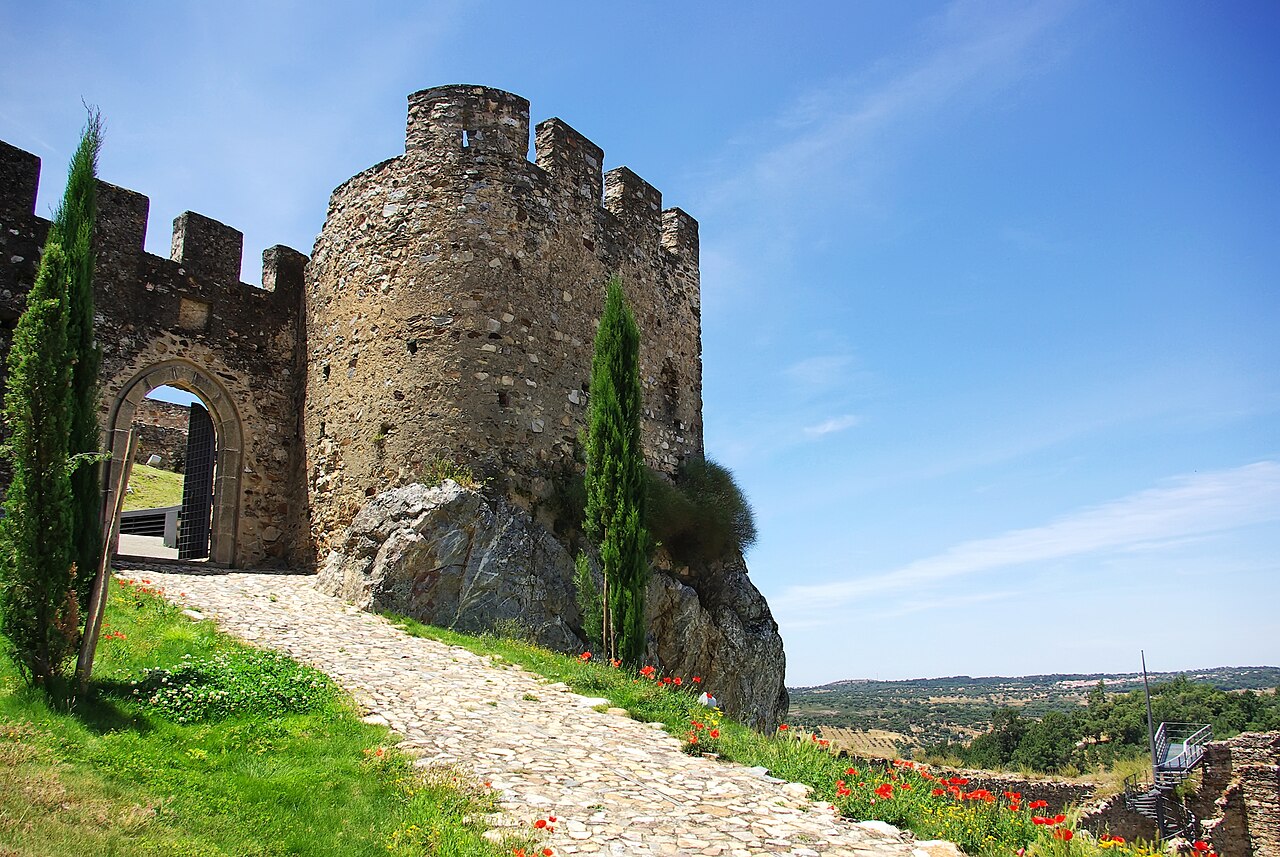
The Atalaião Tower is characterized by its square plan, a common feature in medieval military architecture that provided strong defensive capabilities. The tower's walls were constructed from local stone, typical of the region's building materials, and designed to withstand attacks and the elements. Its elevated position on the hill not only enhanced its defensive function but also symbolized feudal authority and control over the surrounding territory.
The tower originally had multiple floors, with the entrance located on an upper level accessible by a removable ladder or wooden stairs, a defensive feature intended to hinder attackers. Unfortunately, a significant portion of the tower collapsed in 1996, including the upper floor entrance, which has contributed to its current state of ruin.
Current condition and accessibility
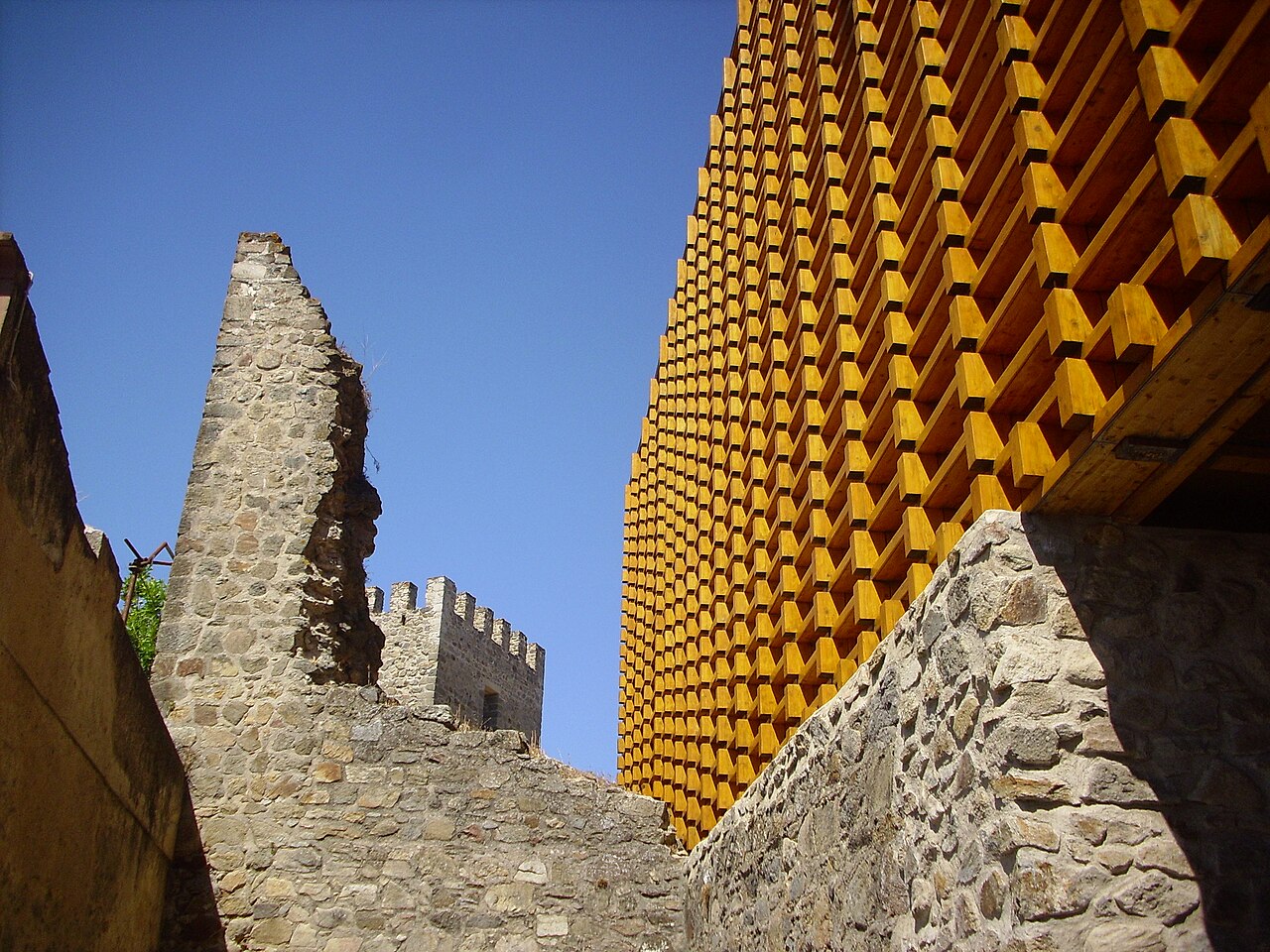
Today, the Atalaião Tower is in a ruined state, with parts of its structure having deteriorated significantly over time. The collapse in 1996 marked a major loss to the tower's integrity, and since then, no substantial restoration efforts have been undertaken. The tower is situated on what appears to be abandoned private property, restricting public access. Visitors can view the tower only partially from the adjacent public road, limiting opportunities for close inspection or exploration.
Relationship with Portalegre Castle and regional fortifications
The proximity of the Atalaião Tower to the Portalegre Castle suggests a complementary defensive system. While the castle served as the main stronghold and administrative center, smaller towers like the Atalaião functioned as lookout posts and early warning stations. This system was crucial for the defense of the region, especially given its location near the border with Spain, which was historically a contested frontier.
Portalegre Castle itself is a significant medieval fortress dating back to the 13th century, and the Atalaião Tower's construction during the same period indicates coordinated efforts to fortify the area. The tower's elevated position allowed it to monitor surrounding roads and terrain, providing strategic intelligence to the castle garrison.
Preservation challenges and heritage value
The Atalaião Tower faces considerable challenges in terms of preservation. Its location on private land complicates conservation efforts and public engagement. The lack of restoration and maintenance has left the tower vulnerable to natural decay and further collapse. Despite this, it remains an important cultural and historical monument, reflecting the medieval military architecture and regional defense strategies of Portugal.
Efforts to raise awareness about the tower's significance could help to promote its preservation and potentially enable future restoration projects. As a part of the heritage of Portalegre and the broader Alto Alentejo region, the Atalaião Tower contributes to understanding the medieval history and architectural traditions of the area.
Frequently asked questions (FAQ)
- What is the historical significance of Atalaião Tower?
- Atalaião Tower is a remarkable example of medieval military architecture in Portugal, dating back to the 13th century. It played a vital role in the defense of the region during conflicts, showcasing the strategic importance of Portalegre in historical battles.
- When was Atalaião Tower built?
- Atalaião Tower was constructed in the late 13th century, around the time of the Christian Reconquista. Its design reflects the military needs of the era, serving as both a lookout point and a defensive structure.
- Can I visit Atalaião Tower?
- Yes, Atalaião Tower is open to the public for visits. Guests can explore its historic architecture and enjoy panoramic views of the surrounding area.
- What are the opening hours for Atalaião Tower?
- Atalaião Tower typically opens from 9 AM to 6 PM from Tuesday to Sunday. It is advisable to check the official website for any seasonal changes or special holiday hours.
- Is it possible to access Atalaião Tower for people with mobility issues?
- While Atalaião Tower offers a fascinating experience, visitors with mobility issues may find access challenging due to uneven terrain and steep steps. It is recommended to contact the site in advance to inquire about specific accommodations.
- What is the best time to visit Atalaião Tower?
- The best time to visit Atalaião Tower is during the spring or autumn months when the weather is mild and pleasant. Visiting during these seasons allows for a more enjoyable exploration of the surrounding landscape.
- Are there any nearby attractions to visit along with Atalaião Tower?
- Yes, nearby attractions include the historic city center of Portalegre, the stunning São Mamede Natural Park, and the beautiful Convento de São Francisco. These sites offer a rich cultural experience and complement a visit to the tower.
- What are the ticket prices for visiting Atalaião Tower?
- Tickets for Atalaião Tower are affordable, generally priced at around €2 for adults and €1 for children and seniors. Group discounts may also be available, making it an economical choice for families and tour groups.
Information
Address
Estr. do Boletim Meteorológico, Portalegre, Portugal
Loading map...
Visitor reviews
No reviews yet. Been here? Write the first review and help other travelers!
Write the first reviewVisited this castle? Share your experience
Your review helps other travelers and adds first-hand knowledge to our encyclopedia.