Astrakhan Kremlin
Astrakhan Kremlin (Russian: Астраханский кремль, romanized: Astrakhanskiy kreml) is a prominent bastioned fortress located in the city of Astrakhan, in the southern part of the Russian Federation. Constructed in the 16th century during the Renaissance period, this fortress occupies a strategic position on a hill situated on an island in the Volga Delta, where the Volga River converges with the Kutum and Tsarev Rivers. Its location provided crucial control over river trade routes and defense against invasions from the south and east.
Historical context and construction
The Astrakhan Kremlin was built following the Russian conquest of the Khanate of Astrakhan in 1556, an important step in expanding Russian influence into the lower Volga region. The fortress was designed to secure newly acquired territories and protect the southern borders of the expanding Russian state. Construction began shortly after the conquest and continued through the latter half of the 16th century.
The Kremlin was constructed under the supervision of Russian architects who incorporated the latest military architectural principles of the Renaissance, especially the bastioned fortress design, which was becoming widespread in Europe at the time. This design included angled bastions allowing for overlapping fields of fire and better defense against artillery attacks.
Architectural features
Bastions and walls
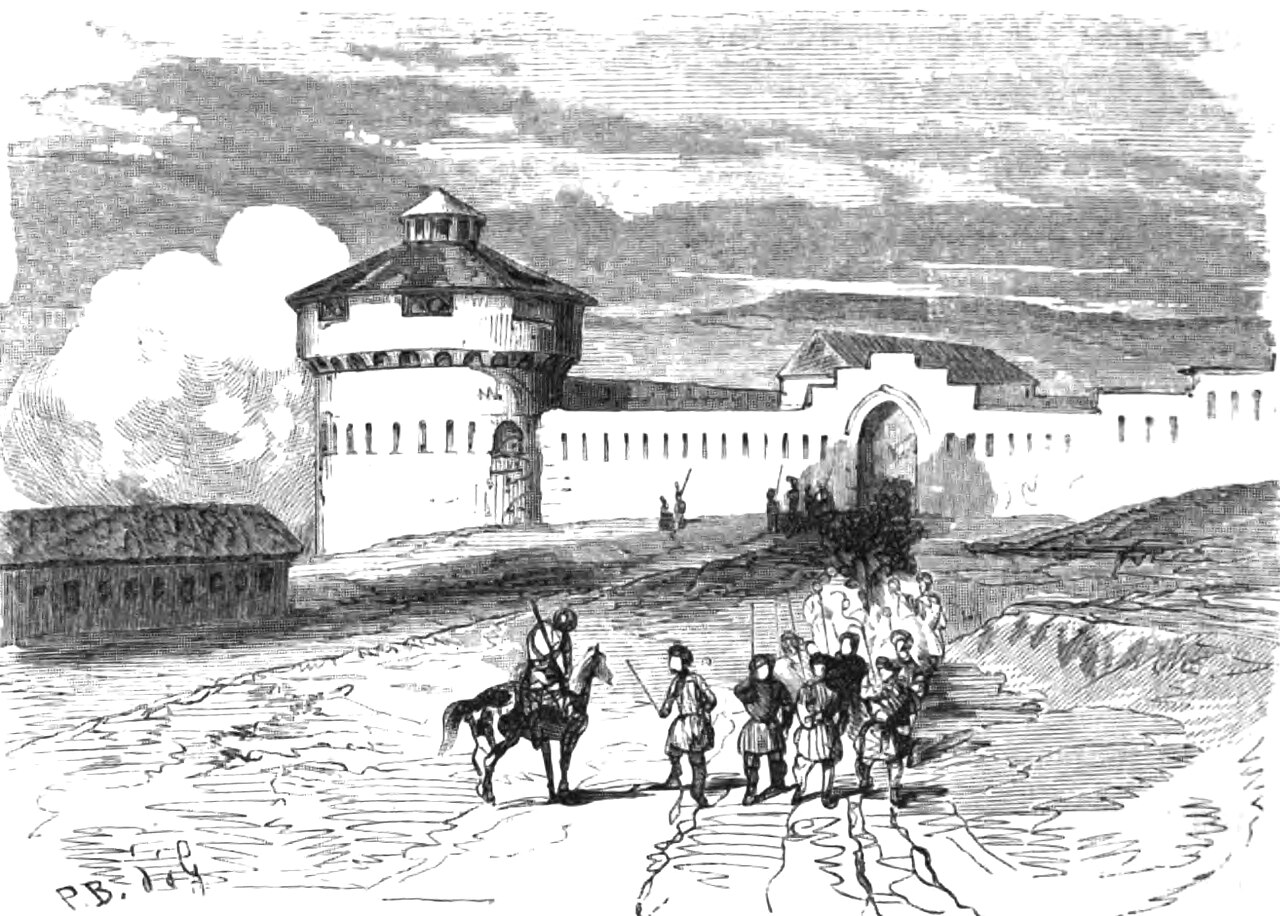
The fortress is characterized by its robust brick and limestone walls reinforced with five bastions arranged in a pentagonal layout. These bastions were designed to provide comprehensive defensive coverage, enabling defenders to repel attackers from multiple angles. The walls are thick and tall, with defensive walkways and battlements that allowed archers and artillerymen to defend effectively.
Towers and gates
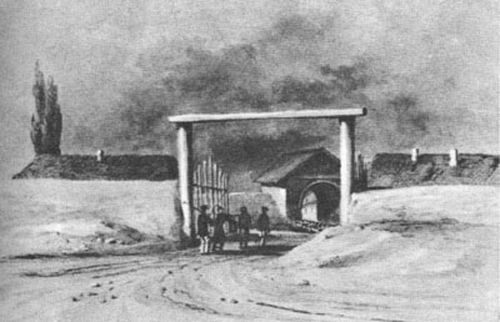
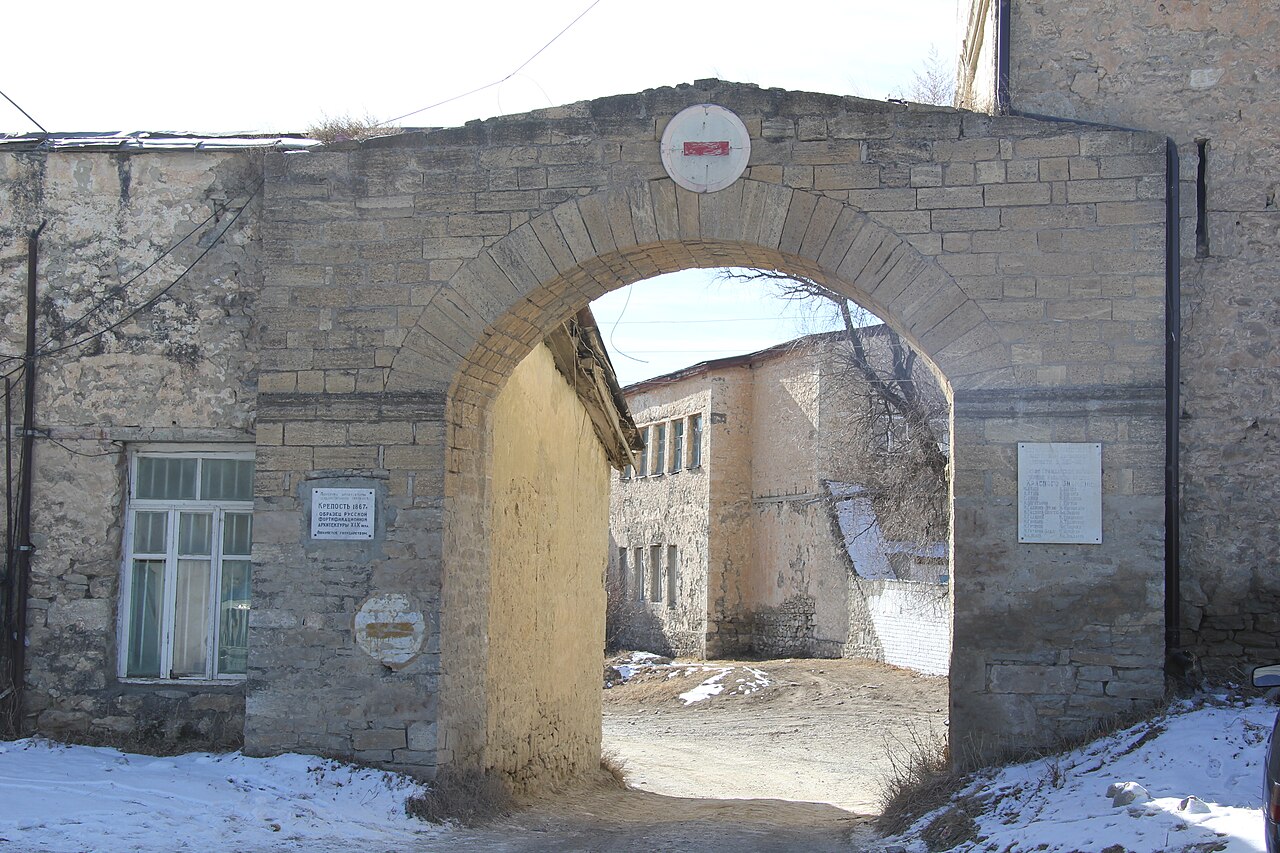
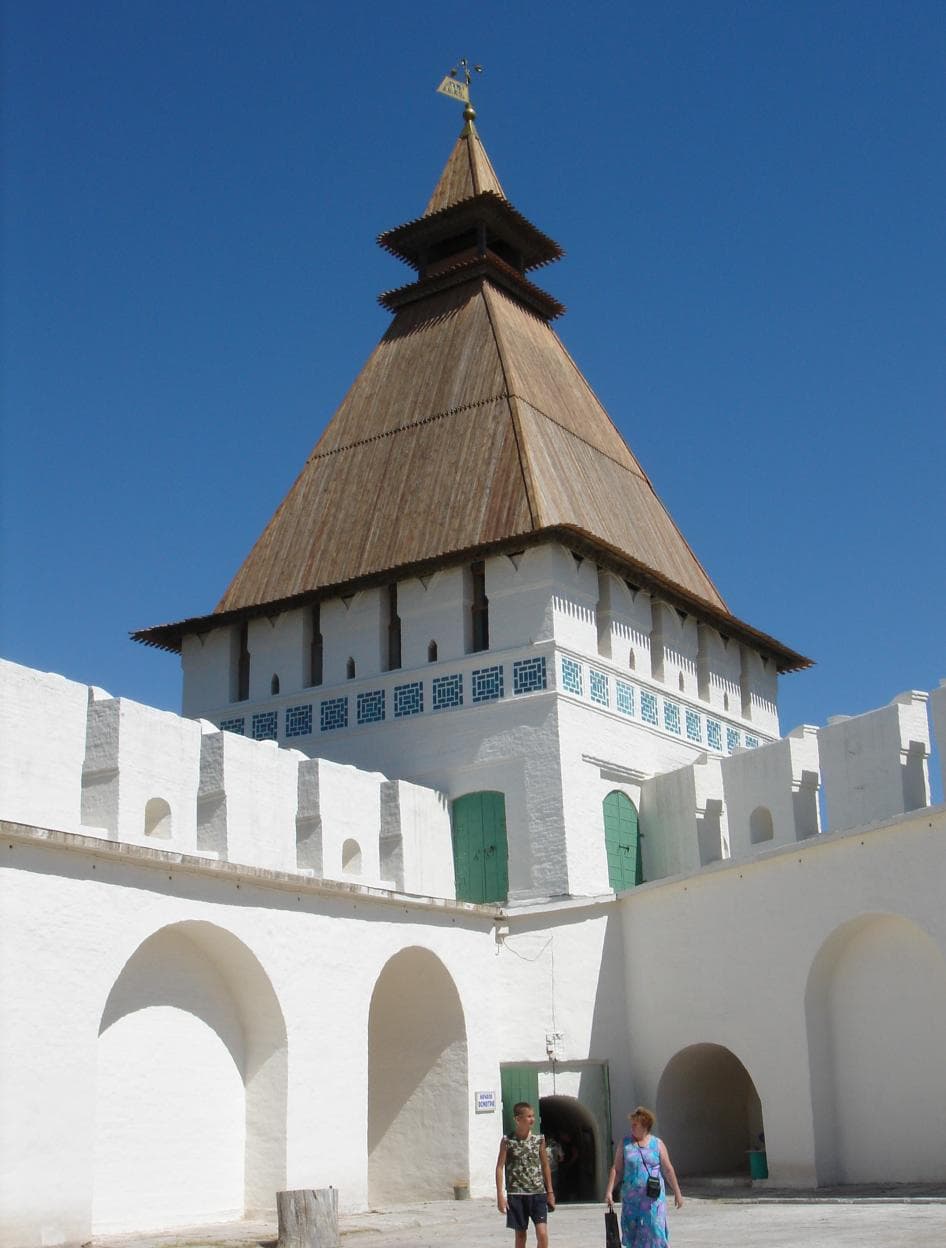
The Kremlin includes several towers, each serving specific defensive or administrative functions. The Trinity Tower and the Ivanovskaya Tower are among the most notable, acting as gateways and strongpoints within the fortress. These towers feature machicolations and arrow slits, typical of Renaissance military architecture, allowing defenders to launch projectiles while remaining protected.
Internal structures
Inside the Kremlin walls, there are several historic buildings, including the Assumption Cathedral, built in the traditional Russian Orthodox style with its distinctive onion domes, and various administrative buildings that served the ruling authorities. The cathedral is an important cultural and religious landmark, reflecting the integration of Russian Orthodox traditions within the fortress complex.
Strategic importance and historical role
The Astrakhan Kremlin played a vital role in securing the southern frontier of Russia during the turbulent times of the 16th and 17th centuries. It served as a military stronghold against incursions by nomadic tribes and rival states, as well as a center for administration and trade control along the Volga River.
Throughout its history, the fortress witnessed numerous military engagements and sieges, although it remained largely intact due to its strong fortifications. Its position on the Volga Delta allowed it to monitor river traffic and control access to the Caspian Sea, making it a key asset in Russia's expansionist policies.
Preservation and current status
Today, the Astrakhan Kremlin is a well-preserved historical monument and a major tourist attraction in Astrakhan. It stands as a testament to 16th-century Renaissance military architecture adapted to Russian needs and geography. Restoration efforts have maintained the structural integrity of the walls, bastions, and towers, allowing visitors to explore the fortress and its internal buildings.
The site also hosts cultural events and exhibitions that highlight its historical and architectural significance. Its location on an island in the Volga Delta offers scenic views and a unique setting that enhances its appeal to visitors interested in Russian history and fortifications.
Visiting the Astrakhan Kremlin
The Astrakhan Kremlin is accessible to the public, with guided tours available that provide insights into its construction, history, and role in regional defense. Visitors can explore the fortress walls, towers, and the Assumption Cathedral, gaining a comprehensive understanding of its multifaceted heritage.
The best time to visit is during the warmer months when the surrounding Volga Delta landscape is lush and the weather is conducive to outdoor exploration. The Kremlin's location within the city of Astrakhan makes it convenient for tourists to combine a visit with other local attractions.
Frequently asked questions (FAQ)
- How do I get to Astrakhan Kremlin?
- You can reach Astrakhan Kremlin by public transport, including buses and taxis, which are widely available in the city. If you're driving, there are parking options nearby, making it easy to access the castle. The Kremlin is centrally located, making it a convenient stop during your visit to Astrakhan.
- What is the historical significance of Astrakhan Kremlin?
- Astrakhan Kremlin is a UNESCO World Heritage Site and serves as a symbol of the city’s rich history. Built in the 16th century, it played a crucial role in the defense of the region and showcases the blend of Russian and Eastern architectural styles. The Kremlin is also a testament to the historical importance of Astrakhan as a trading hub along the Volga River.
- When was Astrakhan Kremlin constructed?
- Construction of the Astrakhan Kremlin began in 1558 and was completed in 1580. It was built under the orders of Tsar Ivan the Terrible to fortify the city against invasions. Over the years, the Kremlin has undergone several renovations, preserving its historical integrity while adapting to modern needs.
- Can I take guided tours of Astrakhan Kremlin?
- Yes, guided tours of Astrakhan Kremlin are available and highly recommended for a richer experience. Knowledgeable guides provide insights into the history and architecture of the site, highlighting its significance to Russian culture. Tours typically run throughout the day, so you can choose a time that fits your schedule.
- Why is the architecture of Astrakhan Kremlin unique?
- The architecture of Astrakhan Kremlin is unique due to its combination of Russian and Islamic styles, reflecting the cultural influences in the region. The white stone walls, colorful towers, and intricate decorative elements showcase the artistry of the time. This architectural fusion makes the Kremlin a remarkable example of historical construction in Russia.
- Is it possible to visit Astrakhan Kremlin with children?
- Yes, Astrakhan Kremlin is family-friendly and offers a variety of activities that children will enjoy. The spacious grounds provide plenty of room for kids to explore, and there are often events and exhibitions designed for younger visitors. Parents can also take advantage of guided tours tailored to families.
- What are the opening hours of Astrakhan Kremlin?
- Astrakhan Kremlin is open to visitors daily, typically from 9 AM to 6 PM, but hours may vary depending on the season. It’s recommended to check the official website for the most current information before your visit. Special events may also alter the regular schedule, so planning ahead is advisable.
- What are the ticket prices for Astrakhan Kremlin?
- Entrance to Astrakhan Kremlin is affordably priced, with tickets usually costing around 200 rubles for adults and discounts available for students and children. Special exhibitions may have additional fees, so it’s best to check in advance. Tickets can be purchased on-site or online for convenience.
- When is the best time to visit Astrakhan Kremlin?
- The best time to visit Astrakhan Kremlin is during the spring and early autumn months when the weather is mild and pleasant. Summer can be hot, while winter can be cold, but each season offers a unique perspective of the Kremlin. Visiting during festivals or special events can also enhance your experience.
- Are there nearby attractions to explore after visiting Astrakhan Kremlin?
- Yes, there are several nearby attractions, including the Astrakhan State Opera and Ballet Theatre and the local history museum. The charming streets of Astrakhan also offer shops and cafes where you can relax after your visit. Exploring the surrounding area provides a deeper understanding of the city's vibrant culture and history.
Photo gallery

Information
Loading map...
Visitor reviews
No reviews yet. Been here? Write the first review and help other travelers!
Write the first reviewVisited this castle? Share your experience
Your review helps other travelers and adds first-hand knowledge to our encyclopedia.