Asheri Fort
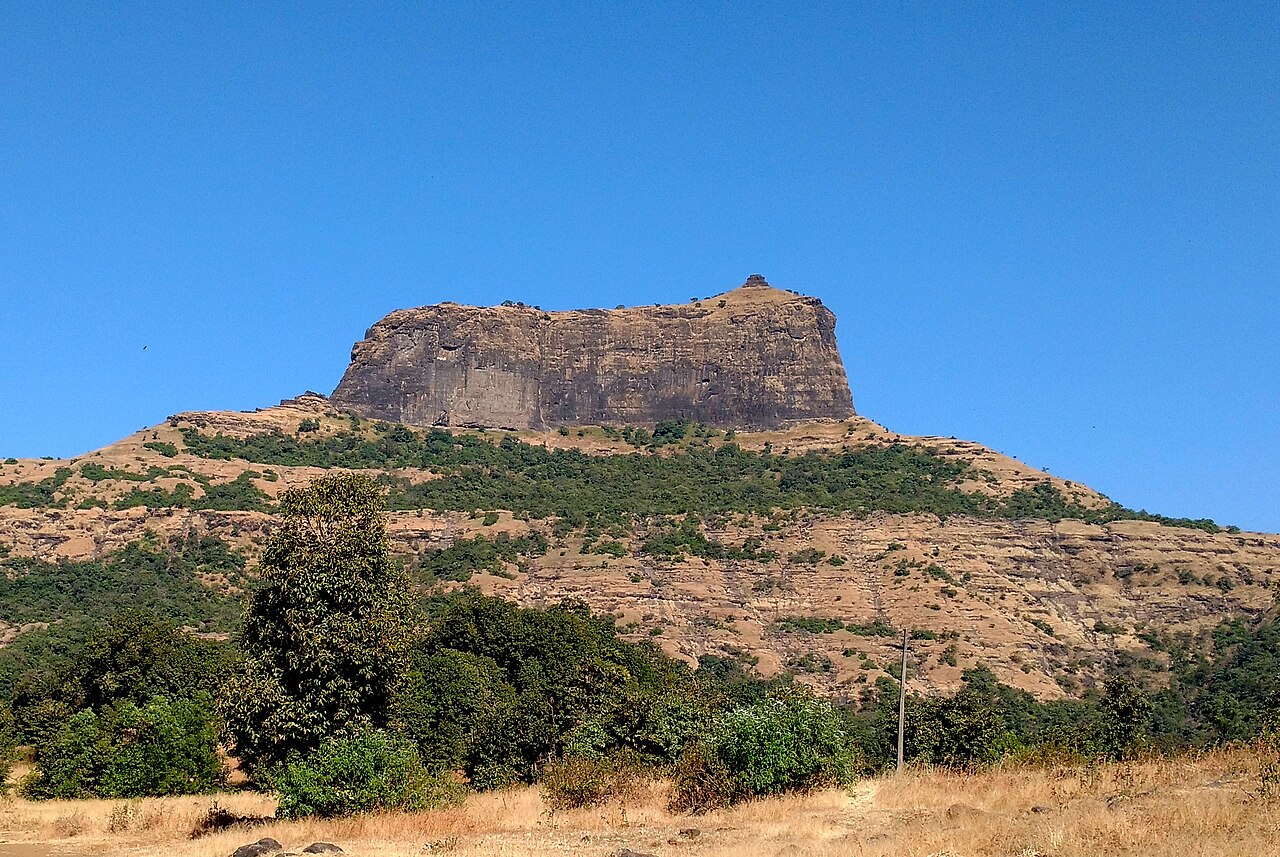
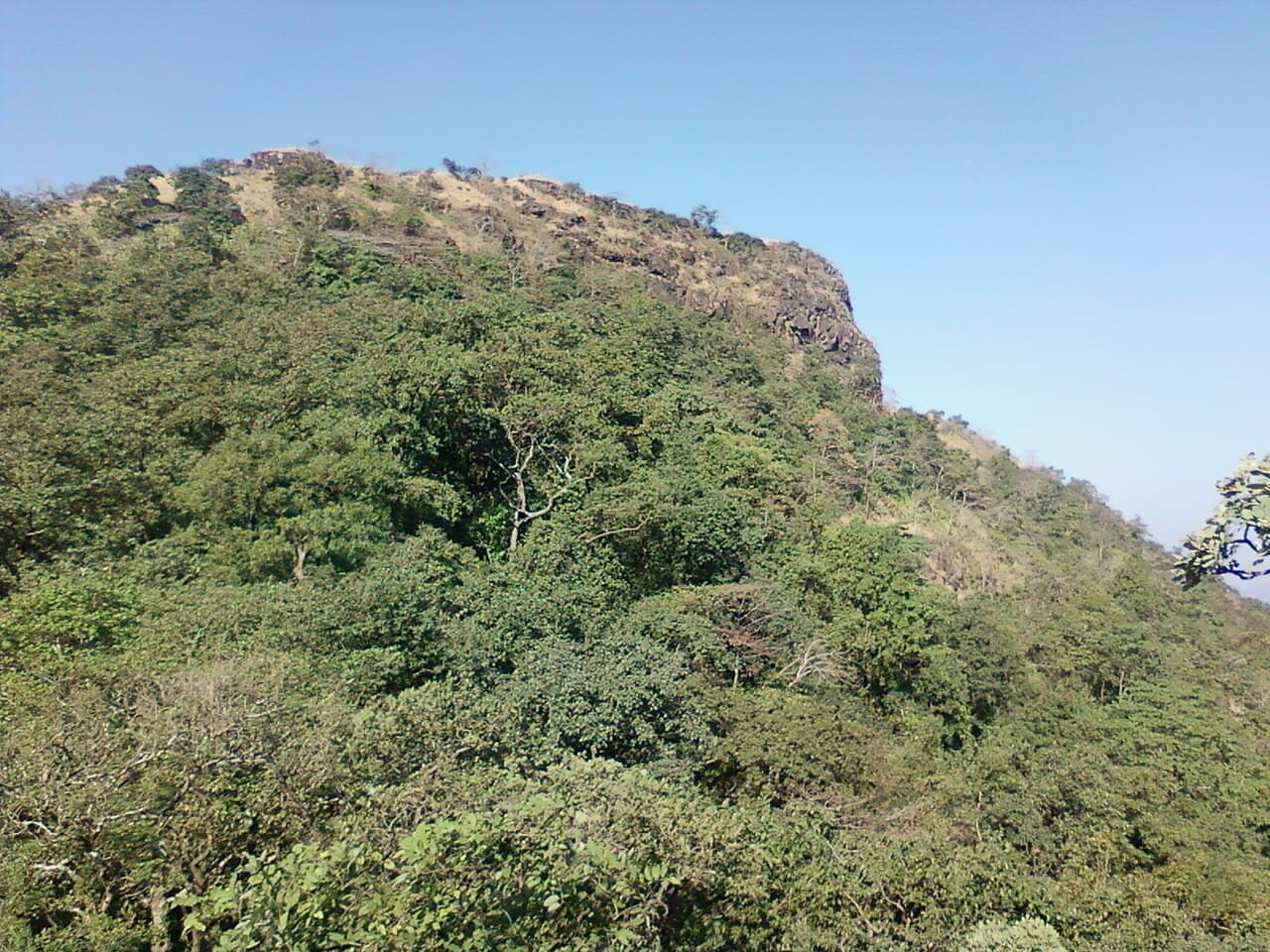
Asheri Fort is a significant bastioned fortress located in the Palghar district of Maharashtra, India. Situated approximately 102 km from Mumbai and 88 km from Thane, it occupies a strategic position on the hills near Mendhavan Khind along the Mumbai-Ahmedabad highway. The fort overlooks the surrounding landscape, providing a commanding view that was essential for military defense in its time.
Historical background and strategic importance
The fort has played an important role in the regional history of Maharashtra, especially during the Maratha period and earlier phases of Indian history. Its location on a hilltop made it a key defensive structure against invasions and local conflicts. The fort’s bastions and walls were designed to withstand artillery attacks, reflecting the military architectural advancements of the period.
Asheri Fort was part of a network of forts that secured the western coast of India, controlling trade routes and offering protection to local rulers. Its proximity to major cities like Mumbai and Thane added to its strategic value.
Architectural features and fortifications
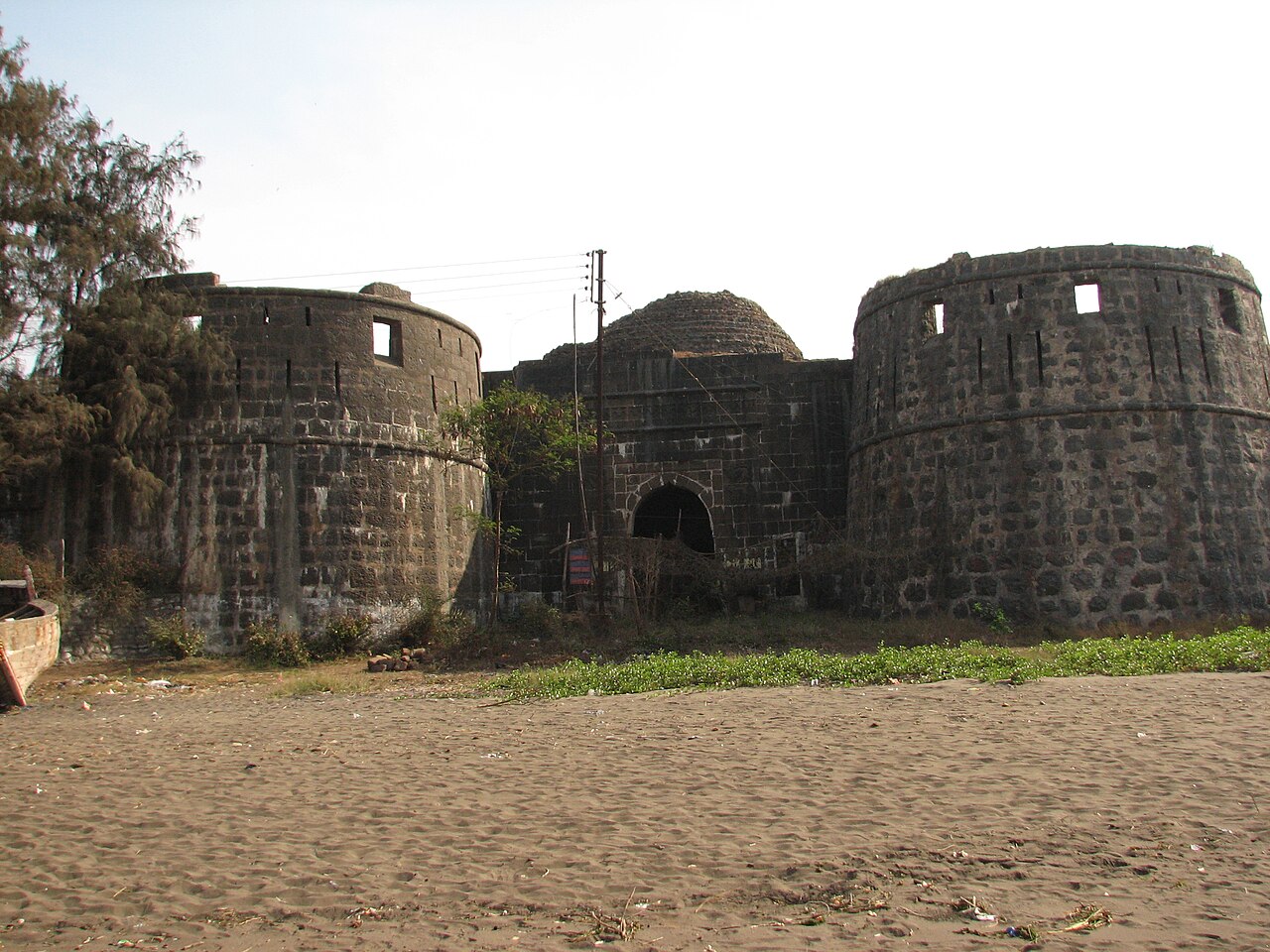
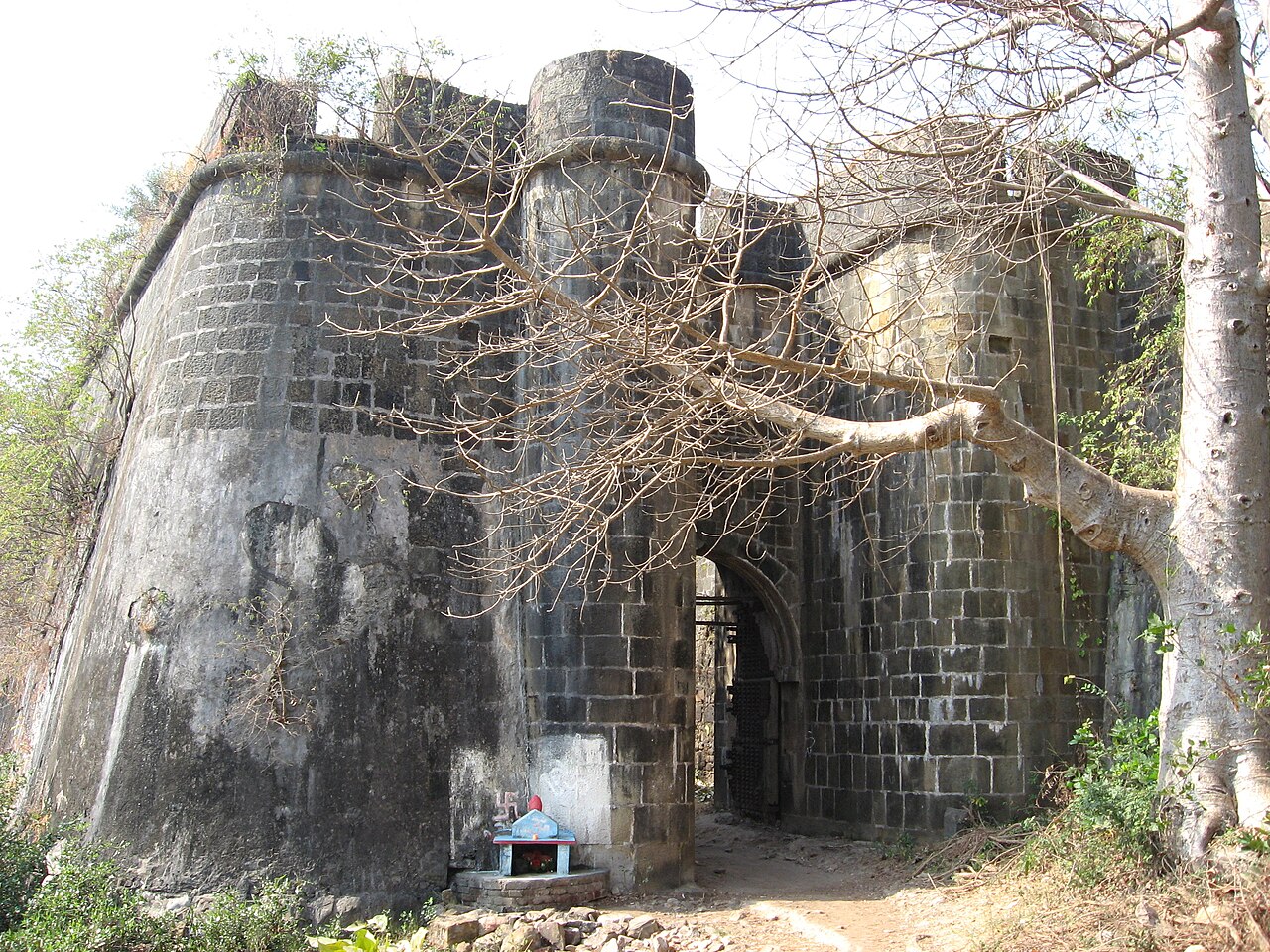
The fort is classified as a bastioned fortress, characterized by its robust defensive walls and bastions designed to mount cannons and other artillery. The fort’s walls are made of stone and mortar, typical of the military constructions in the region. The bastions are positioned to provide overlapping fields of fire, enhancing the fort’s defensive capabilities.
The entrance to the fort is fortified with a strong gate, often featuring guard rooms and defensive loopholes. Inside, the fort contains remnants of various structures including residential quarters, storage rooms, and water cisterns essential for sustaining a garrison during sieges.
The fort’s location on a hill not only provided military advantages but also required careful engineering to manage water supply and access. Several water tanks and cisterns carved into the rock helped collect and store rainwater, ensuring the fort’s occupants could survive extended periods without external supplies.
Current condition and restoration efforts
Today, Asheri Fort is partially preserved, with many of its original walls and bastions still standing, though some areas are in ruins. The fort has undergone restoration efforts led primarily by the local villagers of the nearby base village, Khodkona, a small tribal community. These restoration activities have helped stabilize the fort’s structure and maintain its accessibility for visitors.
The fort is accessible via trekking routes from Khodkona, offering visitors a chance to explore its historic ruins and enjoy panoramic views of the surrounding landscape. The restoration work by locals reflects the cultural importance of the fort to the community and their commitment to preserving their heritage.
Visiting Asheri Fort
Asheri Fort is a popular destination for history enthusiasts and trekkers. The trek to the fort is moderately challenging, passing through scenic hills and forests. Visitors can explore the fort’s bastions, gates, and water tanks, gaining insight into the military architecture of the region.
The best time to visit is during the cooler months from October to February, when the weather is pleasant for trekking. Visitors should carry adequate water and wear suitable footwear for the rocky terrain.
Nearby attractions
The fort’s location near the Mumbai-Ahmedabad highway makes it accessible for travelers interested in exploring other historical sites and natural attractions in the Palghar district. Nearby sites include other hill forts and tribal villages that offer a glimpse into the local culture and history.
Photo gallery

Information
Loading map...
Visitor reviews
No reviews yet. Been here? Write the first review and help other travelers!
Write the first reviewVisited this castle? Share your experience
Your review helps other travelers and adds first-hand knowledge to our encyclopedia.