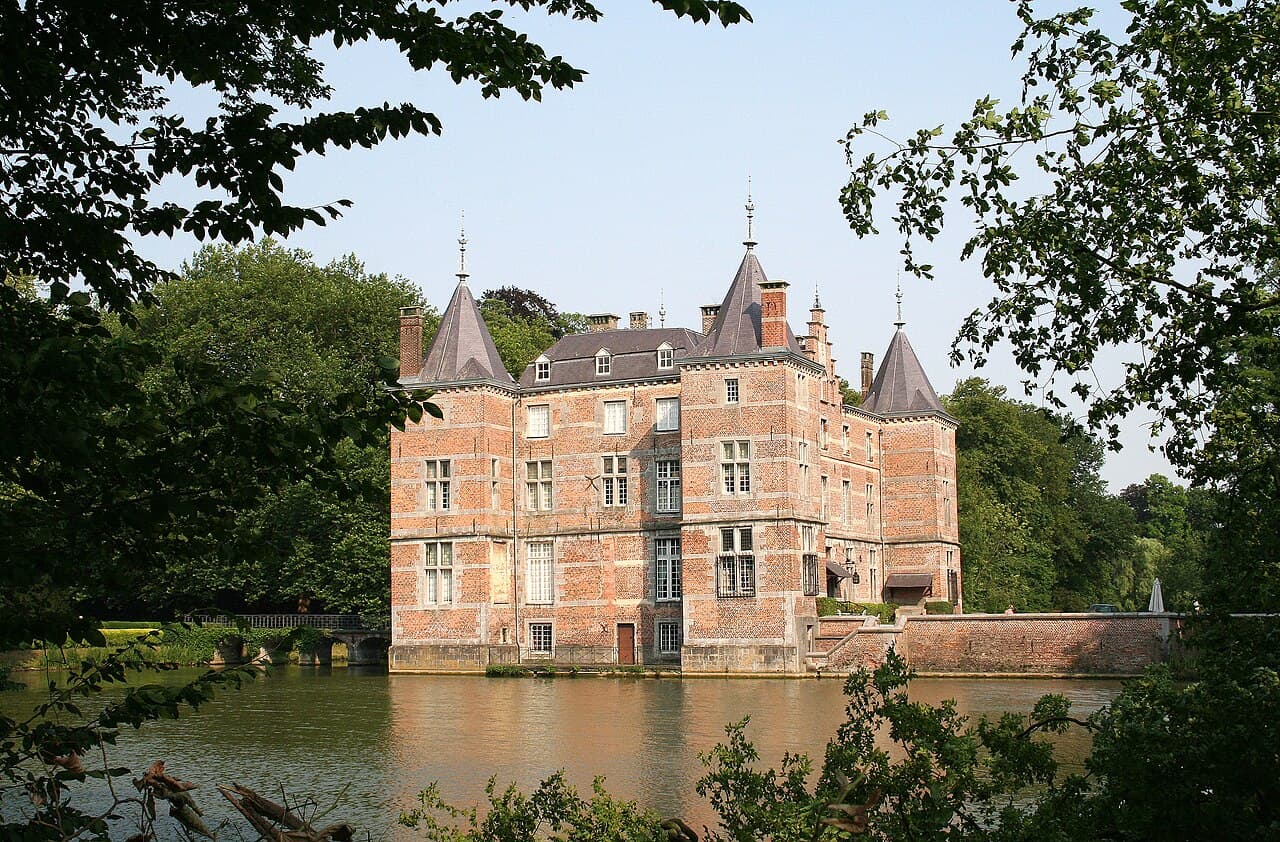
Anvaing Castle — Belgium castle

Anvaing Castle

Anvaing Castle: historic renaissance residence in Hainaut, Belgium
Anvaing, Belgium
Renaissance (15th–17th c.)

Anvaing Castle, also known as Château d'Anvaing or Château de Lannoy, is a distinguished historic residence located in Frasnes-lez-Anvaing, within the Hainaut region of Belgium. The site has a long-standing heritage as a castle location, with documented existence dating back to the early 12th century. The first known reference to a castle on this site appears in records from 1127, placing it in the context of the medieval era and the time of the First Crusade. Although the original medieval structures have not survived intact, the present castle primarily reflects Renaissance architectural influences from its significant reconstruction in the 16th century, with further modifications occurring around 1800.

Historical significance and lineage

The castle's early ownership is believed to have included the Roubaix family, as indicated by heraldic arms found on parts of the building. Subsequently, it became associated with the de Lannoy family, a noble lineage whose descendants continue to own the property to this day. This continuity of ownership adds to the castle's cultural and familial importance within the region.

Architectural evolution and features

The current structure of Anvaing Castle is the result of several phases of construction and renovation. The most notable rebuilding took place in 1561, during the Renaissance period, which introduced characteristic elements of that style, such as symmetrical layouts, classical proportions, and decorative stonework. Around 1800, further renovations adapted the castle to contemporary tastes and needs, though much of the Renaissance character remains prominent.

While detailed architectural plans and descriptions are scarce, the castle exemplifies a Renaissance residence that evolved from a medieval fortress site. It likely features typical elements such as fortified walls, towers, and a courtyard, although the defensive aspects have been softened over time to emphasize residential comfort and status.

Role in world war ii and the battle of the lys

Anvaing Castle holds a unique place in 20th-century history due to its role during World War II. On 28 May 1940, it was the site where the Belgian capitulation was signed following the Battle of the Lys, a key conflict during the German invasion of Belgium. At that time, the castle served as the headquarters for the German 6th Army.

The Belgian plenipotentiaries arrived early in the morning, and negotiations took place in the castle's dining room. The surrender document was officially signed at 10:00 am, marking the effective end of Belgian resistance in that battle. A notable anecdote from the event is that a German officer fired a gunshot into the ceiling in celebration, a mark that remains visible today, serving as a poignant historical reminder.

Cultural connections and notable residents

Beyond its military and architectural significance, Anvaing Castle is connected to contemporary European nobility. Stephanie de Lannoy, the Hereditary Grand Duchess of Luxembourg, spent her childhood at the castle, linking the residence to ongoing noble heritage and modern history.

Visiting and preservation status

While Anvaing Castle remains privately owned by the de Lannoy family, its historical and architectural importance is recognized within the region. The castle's preservation reflects its status as a well-maintained example of a Renaissance residence with deep historical roots. Visitors interested in Belgian history, Renaissance architecture, and World War II heritage find the castle a site of considerable interest, though public access details may be limited due to private ownership.

Frequently asked questions (FAQ)

How do I get to Anvaing Castle?
Anvaing Castle is located in the village of Anvaing, Belgium, easily accessible by car or public transport. If traveling by train, the nearest station is in the town of Enghien, from where you can take a bus or taxi to reach the castle.
What is the historical significance of Anvaing Castle?
Anvaing Castle dates back to the 12th century and has played a crucial role in the region's history, serving as a defensive stronghold. Its architecture reflects the evolution of medieval fortifications and has witnessed various historical events over the centuries.
When was Anvaing Castle last renovated?
The last significant renovations of Anvaing Castle took place in the early 20th century, aimed at restoring its medieval features while ensuring structural integrity. The ongoing preservation efforts focus on maintaining its historical authenticity for future generations.
Can I visit Anvaing Castle year-round?
Yes, Anvaing Castle is open for visitors year-round, but it's advisable to check the specific opening hours, which may vary depending on the season. Guided tours are available during peak tourist months, offering insights into the castle's rich history.
Why is Anvaing Castle considered an architectural gem?
Anvaing Castle is considered an architectural gem due to its blend of medieval and Renaissance styles, characterized by its impressive towers and fortified walls. The intricate details of its stonework and the scenic setting enhance its visual appeal, making it a must-see for architecture enthusiasts.
Is it possible to host events at Anvaing Castle?
Yes, Anvaing Castle offers facilities for hosting various events, including weddings and corporate gatherings. The stunning backdrop and historical ambiance make it a unique venue for special occasions.
What are the ticket prices for visiting Anvaing Castle?
Ticket prices for Anvaing Castle are quite reasonable, with discounts available for students and seniors. Children under a certain age may enter for free, making it an affordable outing for families.
What is the best time to visit Anvaing Castle?
The best time to visit Anvaing Castle is during the spring and early autumn when the weather is mild and the surrounding gardens are in bloom. These seasons also offer a variety of events and guided tours that enhance the visitor experience.
Are there any nearby attractions to explore after visiting Anvaing Castle?
Yes, after visiting Anvaing Castle, you can explore nearby attractions such as the charming village of Enghien and the beautiful Parc d'Enghien. Additionally, the region is rich in other historical sites and scenic parks, perfect for a full day of exploration.

Photo gallery

Anvaing Castle
Click to view

Photo by Jean-Pol GRANDMONT•CC BY 3.0

1 photo • Click any image to view in full screen

Information

Sources & official resources

Verify the information above using these authoritative references.

Loading map...

Visitor reviews

No reviews yet. Been here? Write the first review and help other travelers!

Write the first review

Visited this castle? Share your experience

Your review helps other travelers and adds first-hand knowledge to our encyclopedia.
Write a review

(5/5)

0/2000 characters

Your review will be visible after admin approval

Nearby castles

10.3 km
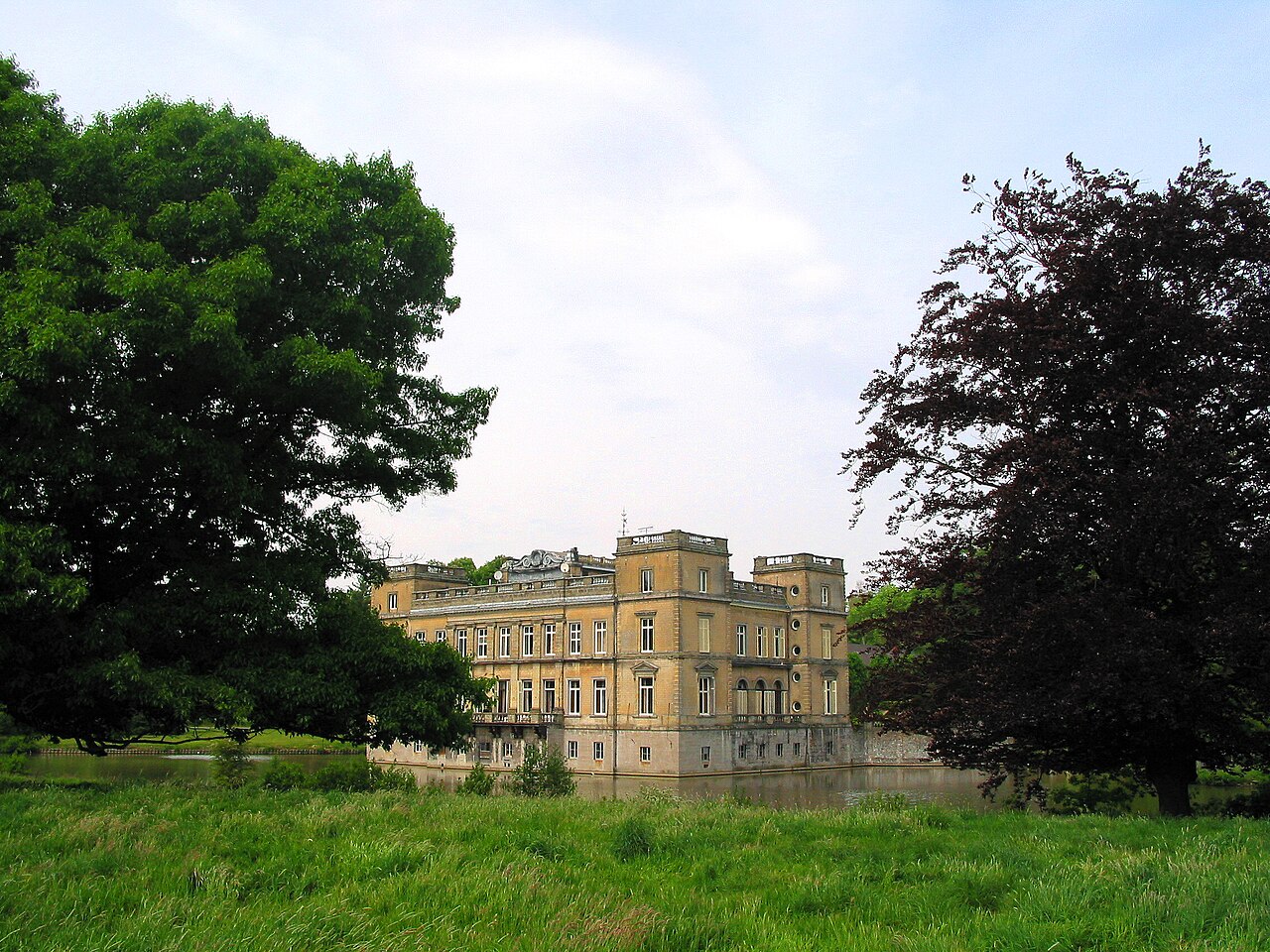
La Berlière Castle — Belgium castle

La Berlière Castle

Ath, Belgium

La Berlière Castle is located in the village of Houtaing, within the city of Ath in Belgium’s Wallonia region. This hill castle stands as a testament to the architectural evolution spanning centuries, with its current form primarily shaped during the post-Renaissance period between 1793 and 1835. Originally a medieval fortress, the site has undergone multiple reconstructions, reflecting changing styles and functions over time. Historical development and ownership The earliest known phase of the castle dates back to the medieval period, though precise details of its original construction remain undocumented. The first significant rebuild occurred in 1677, marking a shift towards more modern residential architecture while retaining defensive features typical of the era. The most extensive transformation took place from 1793 to 1835, when the castle acquired much of its current neoclassical appearance. Ownership records indicate that the Count of Oultremont family resided at La Berlière from 1845 until 1910. During this period, the castle was not only a noble residence but also a local economic hub, as the count provided employment opportunities for villagers and contributed to the development of Houtaing’s infrastructure. In 1910, the property passed to the Motte family, who maintained residence until 1945. Architectural features and style The castle’s current design blends elements of traditional Belgian architecture with Renaissance and neoclassical styles. Its symmetrical façade and harmonious proportions are characteristic of neoclassical influence, which emphasizes balance and refined ornamentation. The main building is complemented by carefully arranged gardens, extending the architectural unity into the landscape. Notable architectural features include a balanced layout with a central corps de logis flanked by wings, large sash windows, and classical decorative motifs such as pilasters and cornices. The castle’s structure reflects the transition from fortified medieval stronghold to elegant aristocratic residence. 20th-century transformation and educational use In 1946, La Berlière Castle was repurposed into a boarding school by the Congregation of the Josephite Fathers. The institution, known as Collège de la Berlière, was established as a free Catholic school for boys. The interior was adapted to accommodate classrooms, dormitories, social spaces, and sports facilities, integrating modern educational needs within the historic framework. By 1996, the school merged with the Institut de la Visitation in Lessines, forming Collège Visitation-La Berlière. This combined institution serves approximately 300 students, with the Houtaing campus focusing on general education and Lessines offering technical qualifications. In 2017, the school began enrolling female students, providing a dedicated pavilion on the castle grounds to offer a boarding experience tailored to them. Heritage status and cultural significance La Berlière Castle is a protected heritage site under the authority of the Wallonia region. Its preservation reflects the cultural and historical importance of aristocratic residences in Belgium’s architectural landscape. The castle exemplifies the layered history of noble estates transitioning through periods of military, residential, and educational use. Visitors and scholars alike value La Berlière for its architectural synthesis of post-Renaissance and neoclassical design, its role in local history, and its adaptive reuse as an educational institution. The castle’s gardens and harmonious proportions continue to attract interest as a representation of 18th and 19th-century Belgian aristocratic architecture. Architectural details and layout The castle’s layout centers on a symmetrical corps de logis with two lateral wings, creating a U-shaped plan that opens onto the formal gardens. The façades feature large windows that allow abundant natural light into the interior spaces, a departure from the defensive narrow openings of medieval predecessors. Classical elements such as pilasters, cornices, and balustrades adorn the exterior, enhancing the elegant aesthetic. The roofline is punctuated by chimneys and dormer windows, contributing to the castle’s balanced silhouette. Inside, the castle was reconfigured during its conversion into a school, with classrooms and dormitories occupying former reception rooms and chambers. Despite these changes, many original architectural details remain visible, offering insight into the castle’s aristocratic past.

Post-Renaissance (17th–18th c.)
Details
13.6 km

Moulbaix Castle

Moulbaix, Belgium

Moulbaix Castle, also known locally as Château de Moulbaix, Château de la Forêt, or Château du Chasteler, is situated within a private wooded park in the town of Moulbaix, part of the province of Hainaut in the Wallonia region of Belgium. This castle is notable for its blend of medieval heritage and 19th-century architectural revival, reflecting the layered history of the site and its aristocratic owners. Medieval origins and the chasteler family By the end of the Middle Ages, the Chasteler family had established ownership over much of the village of Moulbaix. They maintained a medieval castle on this site, which served as a fortified residence and a symbol of their local power. The original medieval structure would have featured typical defensive elements common to the period, such as thick stone walls, battlements, and possibly a moat, although detailed records of the medieval castle’s exact layout are scarce. 19th-century reconstruction in tudor revival style Around 1860, the medieval castle was replaced with a new building commissioned by Marquess Oswald du Chasteler. The new castle was designed by the architect Désiré Limbourg and executed in the Tudor Revival style, a popular architectural trend in the 19th century that sought to revive elements of English Tudor architecture. This style is characterized by steeply pitched gable roofs, decorative half-timbering, tall narrow windows, and ornate chimneys, all intended to evoke the romanticism of the Tudor period. The reconstruction reflected the 19th-century aristocratic taste for historicism and picturesque aesthetics, transforming the site into a stately country residence that combined medieval inspiration with modern comforts. The castle’s setting within a wooded park enhanced its picturesque qualities and provided a private retreat for the du Chasteler family. Fire damage and restoration In 1889, the castle suffered significant damage due to a fire. The restoration was again overseen by Désiré Limbourg, who carefully repaired the damaged sections to preserve the architectural integrity and style of the castle. This restoration ensured that the castle retained its distinctive Tudor Revival character while addressing the structural needs caused by the fire. 20th-century occupancy and decline The castle was last inhabited by Count Aymar d'Ursel and his wife, Countess Nadine de Spoelberch. Following the deaths of the count in 2005 and the countess in 2007, the castle remained fully furnished but uninhabited. The five children of the couple were unable to reach an agreement regarding inheritance, which led to the castle’s abandonment. Over the following decade, the castle experienced significant dilapidation due to neglect. Its empty and deteriorating state attracted urban explorers, who frequented the site despite warnings and police interventions. This activity earned the castle the nickname Château de la Police, reflecting the frequent arrests of trespassers. Local legends also suggest that the castle is haunted, adding a layer of folklore to its modern reputation. Recent sale and current status In 2016, the castle was sold at auction by the descendants of the d'Ursel family for 3.725 million euros to the Govaert family. The future plans for the castle remain undisclosed. The property remains private and is not open to public visitation. Architectural and cultural significance Moulbaix Castle represents a notable example of 19th-century Tudor Revival architecture in Belgium, blending historic medieval roots with the romantic architectural movements of the period. Its history reflects the evolution of aristocratic estates in Wallonia, from medieval strongholds to modern country residences. The castle’s setting within a wooded park adds to its historic ambiance and underlines its role as a private noble estate. Though currently inaccessible to the public, the castle’s story continues to attract interest from historians, architectural enthusiasts, and urban explorers. Its combination of architectural styles, historical layers, and modern folklore make it a distinctive landmark within the region.

Post-Renaissance (17th–18th c.)
Details
14 km

César Castle

Vaulx, Belgium

César Castle, also known locally as Château César or Château de Vaulx, is a notable example of a high medieval fortress situated in the village of Vaulx, near the city of Tournai in the province of Hainaut, Wallonia, Belgium. Positioned strategically beside the bridge over the Escaut river, this castle combines military architecture with residential elements typical of the 13th century. Historical context and significance Constructed in the 13th century, César Castle served as a fortified residence and defensive stronghold during a period marked by feudal conflicts and territorial disputes in the region. The castle's location near the Escaut river was of strategic importance, controlling river crossings and trade routes. While detailed historical records about the castle's original owners and specific role are scarce, its classification as a protected monument underlines its cultural and architectural value. Architectural features and layout The castle's design is characterized by a rectangular plan fortified with circular towers at each of its four corners. This layout is typical of high medieval military architecture, providing defensive coverage along all sides. The entrance likely faced the riverside, utilizing the natural barrier of the Escaut for added protection. Among the surviving architectural details are a vaulted cellar, which would have been used for storage, a well ensuring a water supply during sieges, and a garderobe (medieval toilet), indicating the castle's residential function. A bathroom sink feature is also present, an uncommon detail that highlights the castle's domestic aspects beyond pure defense. Construction materials and techniques The castle was built using local stone, typical of the region's medieval construction practices. The masonry work, though now in ruins, demonstrates the robust methods employed to withstand both military assaults and the passage of time. Current condition and preservation challenges Today, César Castle remains a ruined structure. The site has suffered from neglect, with protective fencing on the north side having disappeared, leaving the ruins freely accessible but vulnerable to further deterioration. Despite this, the castle retains enough structural elements to convey its original form and function. The lack of active maintenance poses risks to the preservation of the remaining architectural features, and the castle's condition highlights the challenges faced in conserving smaller medieval sites that are less prominent than major castles like the nearby Antoing Castle. Visitor information and surrounding attractions While César Castle does not currently have formal visitor facilities or guided tours, its accessibility allows history enthusiasts and tourists to explore the ruins firsthand. Its proximity to Tournai and the scenic Escaut river adds to its appeal as a quiet historical site. Only a short drive to the south-east lies Antoing Castle, a larger and better-preserved fortress, offering visitors a complementary experience of medieval fortifications in the Hainaut province.

High Medieval (11th–13th c.)
Details

