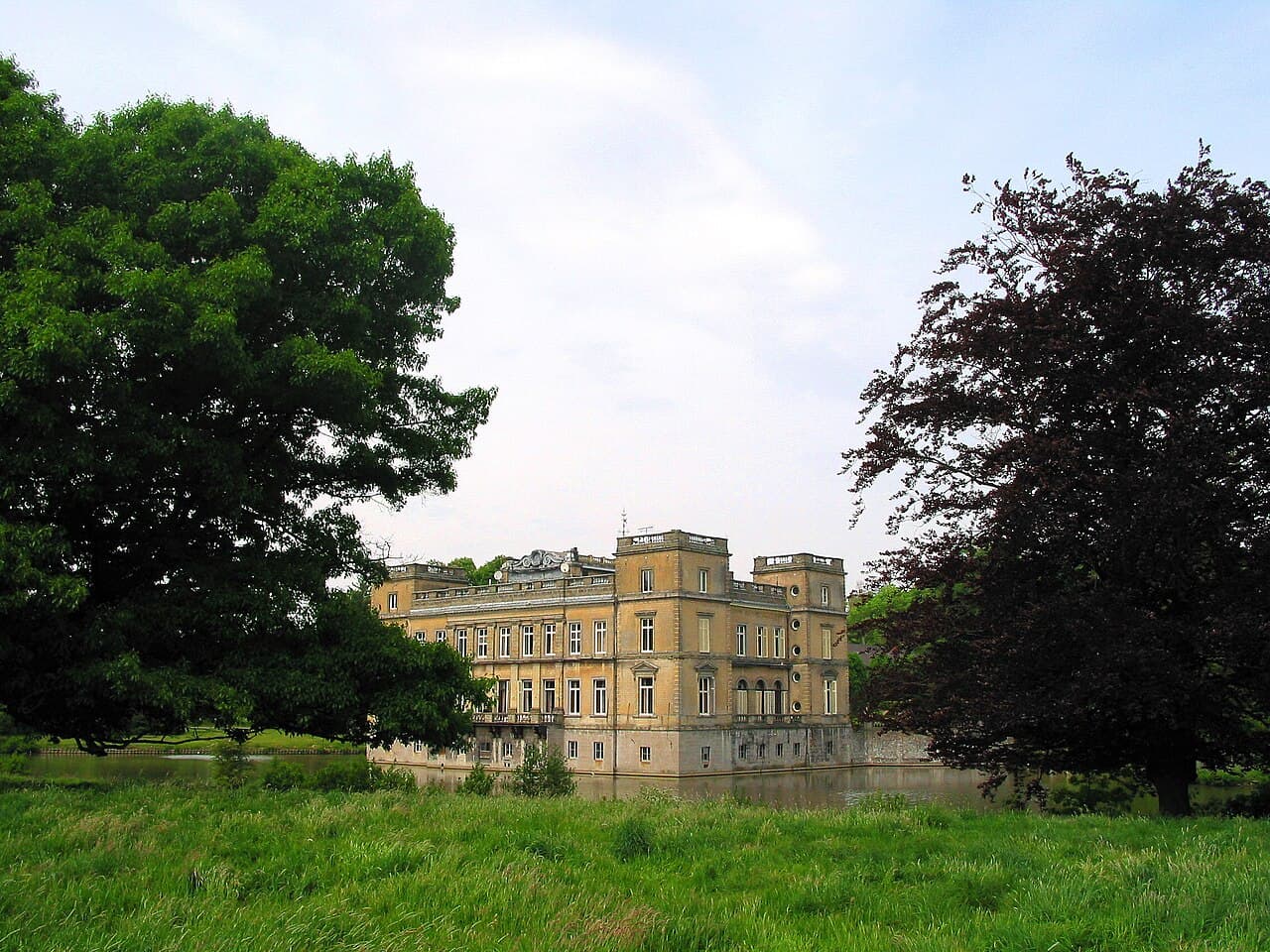
La Berlière Castle
La Berlière Castle is located in the village of Houtaing, within the city of Ath in Belgium’s Wallonia region. This hill castle stands as a testament to the architectural evolution spanning centuries, with its current form primarily shaped during the post-Renaissance period between 1793 and 1835. Originally a medieval fortress, the site has undergone multiple reconstructions, reflecting changing styles and functions over time.
Historical development and ownership
The earliest known phase of the castle dates back to the medieval period, though precise details of its original construction remain undocumented. The first significant rebuild occurred in 1677, marking a shift towards more modern residential architecture while retaining defensive features typical of the era. The most extensive transformation took place from 1793 to 1835, when the castle acquired much of its current neoclassical appearance.
Ownership records indicate that the Count of Oultremont family resided at La Berlière from 1845 until 1910. During this period, the castle was not only a noble residence but also a local economic hub, as the count provided employment opportunities for villagers and contributed to the development of Houtaing’s infrastructure. In 1910, the property passed to the Motte family, who maintained residence until 1945.
Architectural features and style
The castle’s current design blends elements of traditional Belgian architecture with Renaissance and neoclassical styles. Its symmetrical façade and harmonious proportions are characteristic of neoclassical influence, which emphasizes balance and refined ornamentation. The main building is complemented by carefully arranged gardens, extending the architectural unity into the landscape.
Notable architectural features include a balanced layout with a central corps de logis flanked by wings, large sash windows, and classical decorative motifs such as pilasters and cornices. The castle’s structure reflects the transition from fortified medieval stronghold to elegant aristocratic residence.
20th-century transformation and educational use
In 1946, La Berlière Castle was repurposed into a boarding school by the Congregation of the Josephite Fathers. The institution, known as Collège de la Berlière, was established as a free Catholic school for boys. The interior was adapted to accommodate classrooms, dormitories, social spaces, and sports facilities, integrating modern educational needs within the historic framework.
By 1996, the school merged with the Institut de la Visitation in Lessines, forming Collège Visitation-La Berlière. This combined institution serves approximately 300 students, with the Houtaing campus focusing on general education and Lessines offering technical qualifications. In 2017, the school began enrolling female students, providing a dedicated pavilion on the castle grounds to offer a boarding experience tailored to them.
Heritage status and cultural significance
La Berlière Castle is a protected heritage site under the authority of the Wallonia region. Its preservation reflects the cultural and historical importance of aristocratic residences in Belgium’s architectural landscape. The castle exemplifies the layered history of noble estates transitioning through periods of military, residential, and educational use.
Visitors and scholars alike value La Berlière for its architectural synthesis of post-Renaissance and neoclassical design, its role in local history, and its adaptive reuse as an educational institution. The castle’s gardens and harmonious proportions continue to attract interest as a representation of 18th and 19th-century Belgian aristocratic architecture.
Architectural details and layout
The castle’s layout centers on a symmetrical corps de logis with two lateral wings, creating a U-shaped plan that opens onto the formal gardens. The façades feature large windows that allow abundant natural light into the interior spaces, a departure from the defensive narrow openings of medieval predecessors.
Classical elements such as pilasters, cornices, and balustrades adorn the exterior, enhancing the elegant aesthetic. The roofline is punctuated by chimneys and dormer windows, contributing to the castle’s balanced silhouette.
Inside, the castle was reconfigured during its conversion into a school, with classrooms and dormitories occupying former reception rooms and chambers. Despite these changes, many original architectural details remain visible, offering insight into the castle’s aristocratic past.
Frequently asked questions (FAQ)
- What is the historical significance of La Berlière Castle?
- La Berlière Castle is a remarkable example of medieval architecture in Belgium, dating back to the 14th century. It played a crucial role in the defense strategies of the region and has witnessed numerous historical events, making it an important landmark in Ath.
- When was La Berlière Castle built?
- Construction of La Berlière Castle began in the late 1300s, with its completion occurring in the following decades. The castle has been well-preserved and retains many original features that showcase its historical architecture.
- Can I visit La Berlière Castle?
- Yes, visitors are welcome to explore La Berlière Castle during its opening hours. Guided tours are available to enrich your experience and provide deeper insights into the castle's history and architecture.
- What are the opening hours for La Berlière Castle?
- La Berlière Castle is open to the public from Tuesday to Sunday, with specific hours varying seasonally. It is advisable to check the official website for current opening hours before planning your visit.
- Is it possible to access La Berlière Castle by public transport?
- Yes, La Berlière Castle is accessible by public transport, with several bus routes servicing the area. Visitors can also opt for local taxis or ride-sharing services for a more convenient journey.
- What are the ticket prices for entering La Berlière Castle?
- Ticket prices for La Berlière Castle are generally affordable, with discounts available for children, students, and seniors. It's best to check the official website or visitor center for the most current pricing information.
- When is the best time to visit La Berlière Castle?
- The best time to visit La Berlière Castle is during the spring and early autumn months when the weather is pleasant for outdoor explorations. Additionally, special events are often held during these seasons, providing a unique experience for visitors.
- What nearby attractions should I visit while in Ath?
- While visiting La Berlière Castle, you can also explore the historic town of Ath, which offers various museums, parks, and charming streets. Don't miss the opportunity to visit the nearby St. Julien Church and the Museum of the City of Ath for a comprehensive experience.
Photo gallery

Information
Loading map...
Visitor reviews
No reviews yet. Been here? Write the first review and help other travelers!
Write the first reviewVisited this castle? Share your experience
Your review helps other travelers and adds first-hand knowledge to our encyclopedia.



