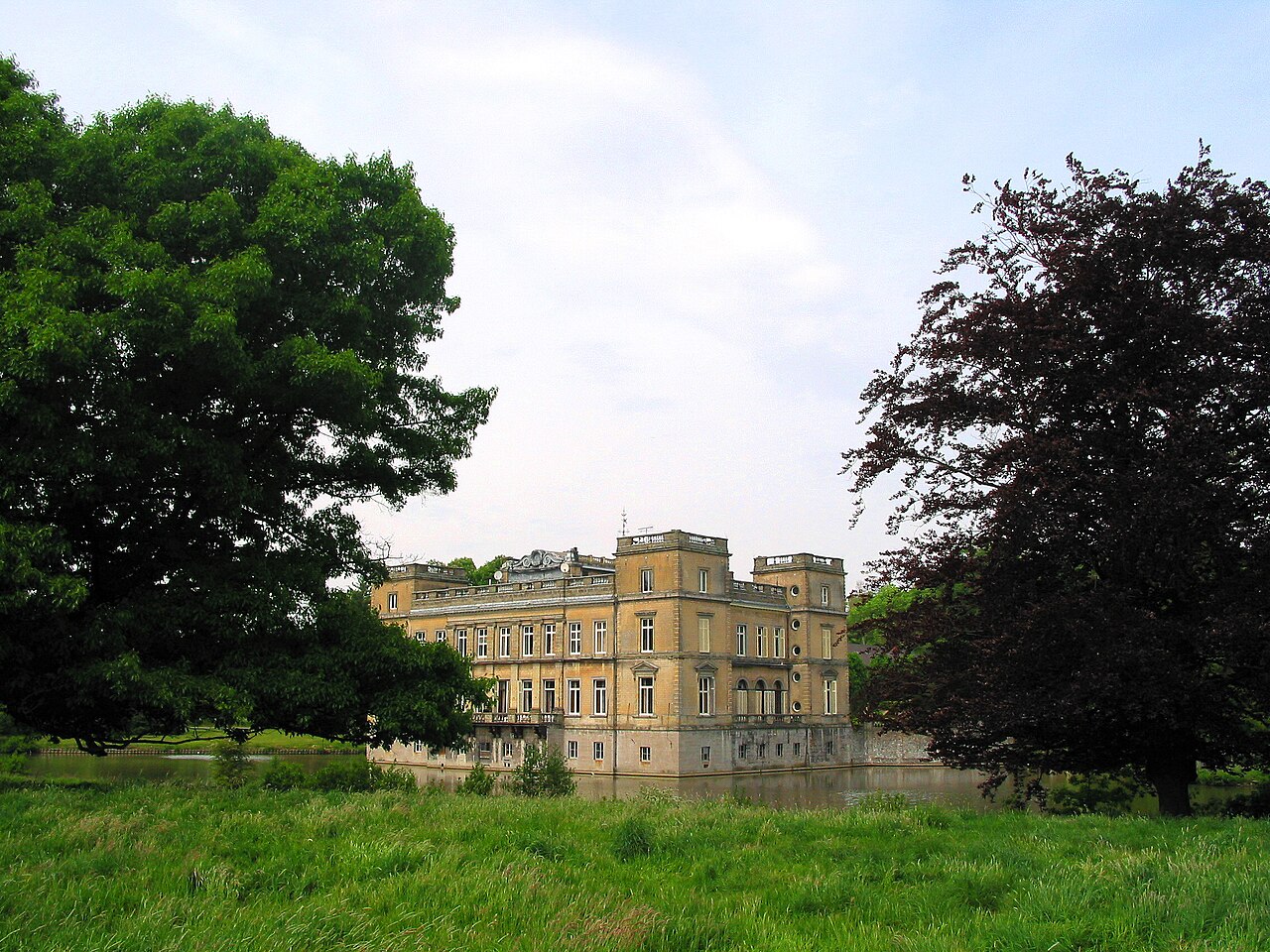
Moulbaix Castle
Moulbaix Castle, also known locally as Château de Moulbaix, Château de la Forêt, or Château du Chasteler, is situated within a private wooded park in the town of Moulbaix, part of the province of Hainaut in the Wallonia region of Belgium. This castle is notable for its blend of medieval heritage and 19th-century architectural revival, reflecting the layered history of the site and its aristocratic owners.
Medieval origins and the chasteler family
By the end of the Middle Ages, the Chasteler family had established ownership over much of the village of Moulbaix. They maintained a medieval castle on this site, which served as a fortified residence and a symbol of their local power. The original medieval structure would have featured typical defensive elements common to the period, such as thick stone walls, battlements, and possibly a moat, although detailed records of the medieval castle’s exact layout are scarce.
19th-century reconstruction in tudor revival style
Around 1860, the medieval castle was replaced with a new building commissioned by Marquess Oswald du Chasteler. The new castle was designed by the architect Désiré Limbourg and executed in the Tudor Revival style, a popular architectural trend in the 19th century that sought to revive elements of English Tudor architecture. This style is characterized by steeply pitched gable roofs, decorative half-timbering, tall narrow windows, and ornate chimneys, all intended to evoke the romanticism of the Tudor period.
The reconstruction reflected the 19th-century aristocratic taste for historicism and picturesque aesthetics, transforming the site into a stately country residence that combined medieval inspiration with modern comforts. The castle’s setting within a wooded park enhanced its picturesque qualities and provided a private retreat for the du Chasteler family.
Fire damage and restoration
In 1889, the castle suffered significant damage due to a fire. The restoration was again overseen by Désiré Limbourg, who carefully repaired the damaged sections to preserve the architectural integrity and style of the castle. This restoration ensured that the castle retained its distinctive Tudor Revival character while addressing the structural needs caused by the fire.
20th-century occupancy and decline
The castle was last inhabited by Count Aymar d'Ursel and his wife, Countess Nadine de Spoelberch. Following the deaths of the count in 2005 and the countess in 2007, the castle remained fully furnished but uninhabited. The five children of the couple were unable to reach an agreement regarding inheritance, which led to the castle’s abandonment.
Over the following decade, the castle experienced significant dilapidation due to neglect. Its empty and deteriorating state attracted urban explorers, who frequented the site despite warnings and police interventions. This activity earned the castle the nickname Château de la Police, reflecting the frequent arrests of trespassers. Local legends also suggest that the castle is haunted, adding a layer of folklore to its modern reputation.
Recent sale and current status
In 2016, the castle was sold at auction by the descendants of the d'Ursel family for 3.725 million euros to the Govaert family. The future plans for the castle remain undisclosed. The property remains private and is not open to public visitation.
Architectural and cultural significance
Moulbaix Castle represents a notable example of 19th-century Tudor Revival architecture in Belgium, blending historic medieval roots with the romantic architectural movements of the period. Its history reflects the evolution of aristocratic estates in Wallonia, from medieval strongholds to modern country residences. The castle’s setting within a wooded park adds to its historic ambiance and underlines its role as a private noble estate.
Though currently inaccessible to the public, the castle’s story continues to attract interest from historians, architectural enthusiasts, and urban explorers. Its combination of architectural styles, historical layers, and modern folklore make it a distinctive landmark within the region.
Frequently asked questions (FAQ)
- How do I get to Moulbaix Castle?
- Moulbaix Castle is accessible by car and is located near the village of Moulbaix in Belgium. If you're using public transport, the nearest train station is in the town of Enghien, from where you can take a taxi or local bus to the castle.
- What is the historical significance of Moulbaix Castle?
- Moulbaix Castle, dating back to the 15th century, is a remarkable example of medieval military architecture. It has served various purposes throughout history, including being a noble residence and a stronghold during conflicts, contributing to its rich historical narrative.
- When was Moulbaix Castle built?
- Moulbaix Castle was constructed in the late 15th century, with its foundations laid in 1480. The castle has undergone several renovations since then, preserving its historical charm while adapting to modern uses.
- Can I take guided tours of Moulbaix Castle?
- Yes, guided tours are available at Moulbaix Castle, allowing visitors to explore its fascinating history and architecture. Be sure to check the castle's official website for tour schedules and availability.
- Why is Moulbaix Castle considered an architectural gem?
- Moulbaix Castle is celebrated for its well-preserved medieval architecture, featuring impressive towers, fortified walls, and a picturesque moat. Its design reflects the typical style of the era, making it a significant site for architecture enthusiasts.
- Is it possible to host events at Moulbaix Castle?
- Yes, Moulbaix Castle offers facilities for hosting private events such as weddings, corporate gatherings, and cultural events. The beautiful setting and historical ambiance make it a unique venue for special occasions.
- What are the opening hours for Moulbaix Castle?
- Moulbaix Castle is typically open to visitors from April to October, with specific hours varying by day. It is advisable to check the castle's official website for the most current information on opening hours before planning your visit.
- What is the best time to visit Moulbaix Castle?
- The best time to visit Moulbaix Castle is during the spring and summer months when the weather is pleasant and the surrounding gardens are in full bloom. Special events and guided tours are also more frequent during this period, enhancing the visitor experience.
- Are there any nearby attractions to Moulbaix Castle?
- Yes, nearby attractions include the charming village of Moulbaix, the scenic landscapes of the Walloon region, and other historical sites such as the Enghien Castle. Exploring these sites can provide a fuller experience of the local culture and history.
- What are the ticket prices for Moulbaix Castle?
- Ticket prices for Moulbaix Castle vary based on age and whether you opt for a guided tour. Discounts may be available for children, students, and seniors, so it's best to check the official website for the latest pricing and any special offers.
Information
Loading map...
Visitor reviews
No reviews yet. Been here? Write the first review and help other travelers!
Write the first reviewVisited this castle? Share your experience
Your review helps other travelers and adds first-hand knowledge to our encyclopedia.