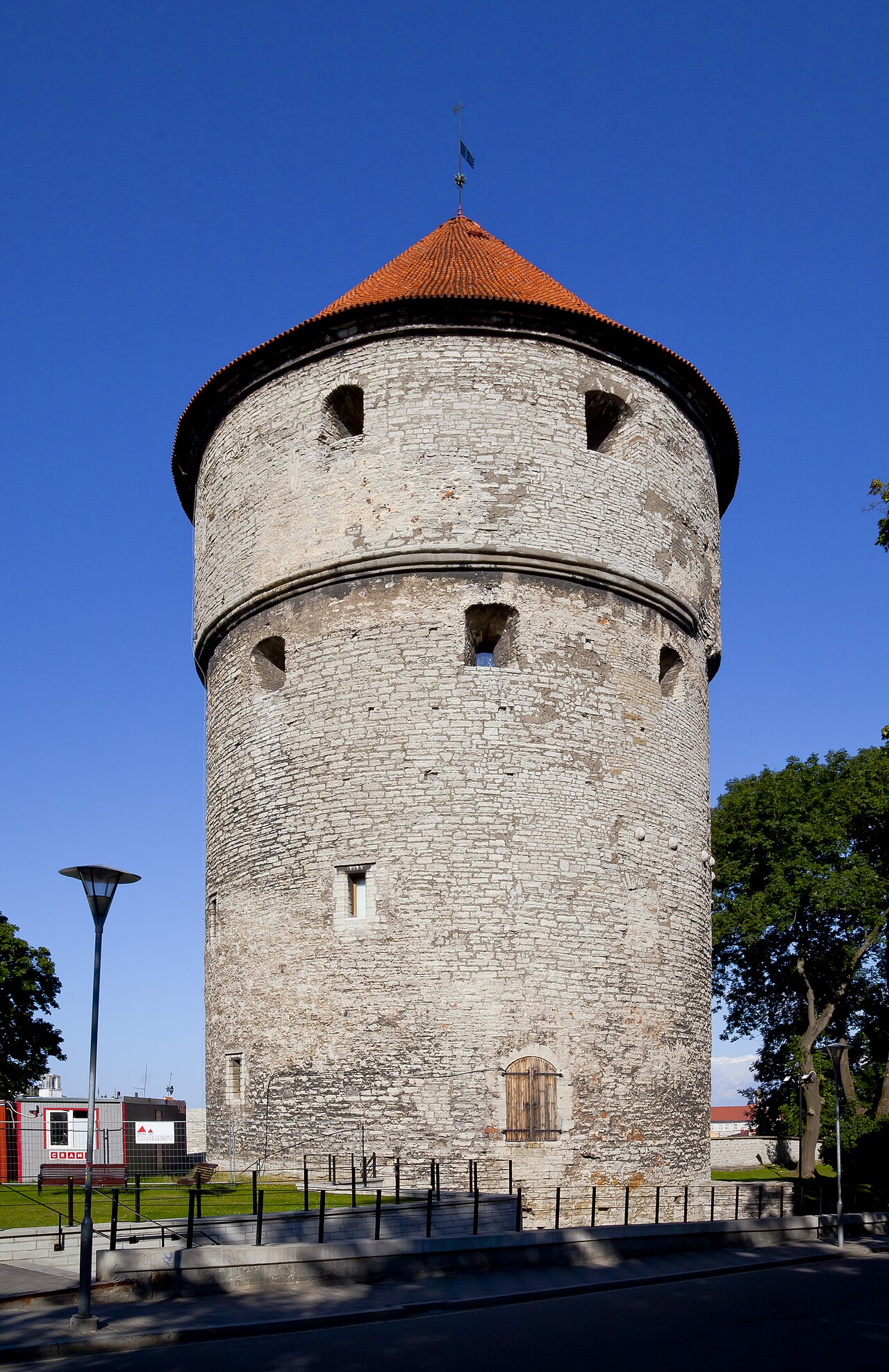
Angerja Castle Ruins
Angerja Castle ruins, located in Kohila, Estonia, represent the remains of a 14th-century late medieval vassal tower-stronghold. This fortress was constructed primarily from limestone and featured rectangular walls approximately two meters thick. The stronghold was surrounded by a moat, remnants of which are still visible today, providing insight into its defensive design.
The architectural features of Angerja Castle
The castle's design follows the typical pattern of vassal tower-strongholds built during the late medieval period in Estonia. These structures were relatively modest in scale compared to large castles but were robustly constructed to serve as fortified residences for local vassals. The rectangular limestone walls were built to withstand attacks and provide a secure refuge.
The two-meter-thick walls indicate a focus on defense, capable of resisting siege weaponry common in the 14th century. The surrounding moat further enhanced the castle's defensibility by creating a physical barrier against attackers and limiting access points.
Historical context and purpose
Angerja Castle was likely erected in the 14th century during a time of social unrest in the region. It served as a fortified residence for a vassal, a local noble or landholder who owed allegiance to higher feudal lords. The construction of such tower-strongholds was a common response to threats from peasant uprisings and other local conflicts.
One significant historical event influencing the building of these fortifications was the St. George's Night uprising of 1343, a major revolt by Estonian peasants against the ruling classes. Following the failed uprising, vassals sought to protect themselves against similar threats by constructing defensible strongholds like Angerja.
The fate of Angerja Castle
The castle is believed to have been destroyed during the Livonian War (1558–1583), a prolonged conflict involving various powers such as Russia, Poland, Sweden, and Denmark vying for control over the Baltic region. The war led to widespread destruction of many fortifications, including Angerja.
Today, only parts of the limestone walls remain standing, and the moat is still visible, marking the footprint of the former stronghold. These ruins offer valuable archaeological and historical insights into the defensive architecture and feudal society of medieval Estonia.
Significance of tower-strongholds in medieval Estonia
Tower-strongholds like Angerja were essential for local defense during the late medieval period. Built by vassals, they served to protect against peasant revolts and minor military threats. Unlike larger castles controlled by major nobility or military orders, these smaller fortifications were practical, focusing on security and control over local territories.
Their construction often reflected the political instability of the time and the need for localized protection. The presence of a moat and thick stone walls at Angerja illustrates the typical defensive measures employed to deter attackers.
Visiting Angerja Castle ruins today
Visitors to Kohila can explore the ruined walls and the remains of the moat at Angerja Castle. While the site is largely in ruins, it provides a tangible connection to Estonia's medieval past and the feudal systems that shaped the region's history.
The castle ruins are accessible year-round, offering a quiet historical site for those interested in medieval architecture and Estonian heritage. Interpretive signs or local guides may provide additional context about the castle's history and its role during the turbulent late medieval period.
Frequently asked questions (FAQ)
- What is the historical significance of Angerja Castle Ruins?
- Angerja Castle Ruins are remnants of a medieval fortress built in the late 15th century, showcasing the architectural styles of the time. It played a crucial role in the region's defense and was a significant structure during the Livonian War. Today, it stands as a testament to Estonia's rich history and attracts visitors interested in medieval architecture.
- When was Angerja Castle originally constructed?
- The construction of Angerja Castle began in 1470 and was completed shortly after. It served as a stronghold for local nobles and witnessed numerous battles and sieges throughout its history. The ruins you see today reflect the castle's storied past.
- Can I visit Angerja Castle Ruins year-round?
- Yes, Angerja Castle Ruins are open to visitors year-round, allowing exploration of the site at your convenience. However, it's advisable to check local weather conditions and accessibility, especially during winter months when snow may affect access. Guided tours may be available during the peak tourist season.
- What are the opening hours for Angerja Castle Ruins?
- The ruins are accessible to the public from dawn until dusk. While there may not be formal opening hours, visiting during daylight provides the best experience for exploring the site and its surroundings. It's recommended to plan your visit accordingly to fully enjoy the historical ambiance.
- Is it possible to take guided tours of Angerja Castle Ruins?
- While guided tours may not be regularly scheduled, local tourism offices often provide information on available tours during peak seasons. Additionally, self-guided exploration is encouraged, with brochures and signs available to help you learn about the castle's history. Check with local guides for special events or tours.
- What is the best time to visit Angerja Castle Ruins?
- The best time to visit is during the late spring to early autumn months when the weather is pleasant and the surrounding nature is vibrant. This period also sees more visitors and potential guided tours. Summer months can be particularly busy, so consider visiting in the shoulder seasons for a quieter experience.
- Are there any nearby attractions to visit after exploring Angerja Castle Ruins?
- Yes, there are several attractions nearby, including the picturesque landscapes of Kohila National Park and the charming town of Kohila itself. Visitors can also explore local hiking trails and experience Estonian rural life. These nearby sites complement your visit to the castle beautifully.
- What are the ticket prices for visiting Angerja Castle Ruins?
- Currently, there is no formal admission fee to visit Angerja Castle Ruins, making it an accessible destination for all. However, donations for the maintenance of the site are appreciated. It's advisable to check for any updates or changes regarding fees before your visit.
- How do I get to Angerja Castle Ruins from Tallinn?
- To reach Angerja Castle Ruins from Tallinn, you can take a bus or drive, which typically takes about 30-40 minutes. Buses run regularly from Tallinn to Kohila, and from there, it's a short walk to the ruins. Be sure to plan your route in advance for a smooth journey.
Information
Loading map...
Visitor reviews
No reviews yet. Been here? Write the first review and help other travelers!
Write the first reviewVisited this castle? Share your experience
Your review helps other travelers and adds first-hand knowledge to our encyclopedia.