Andernach Castle
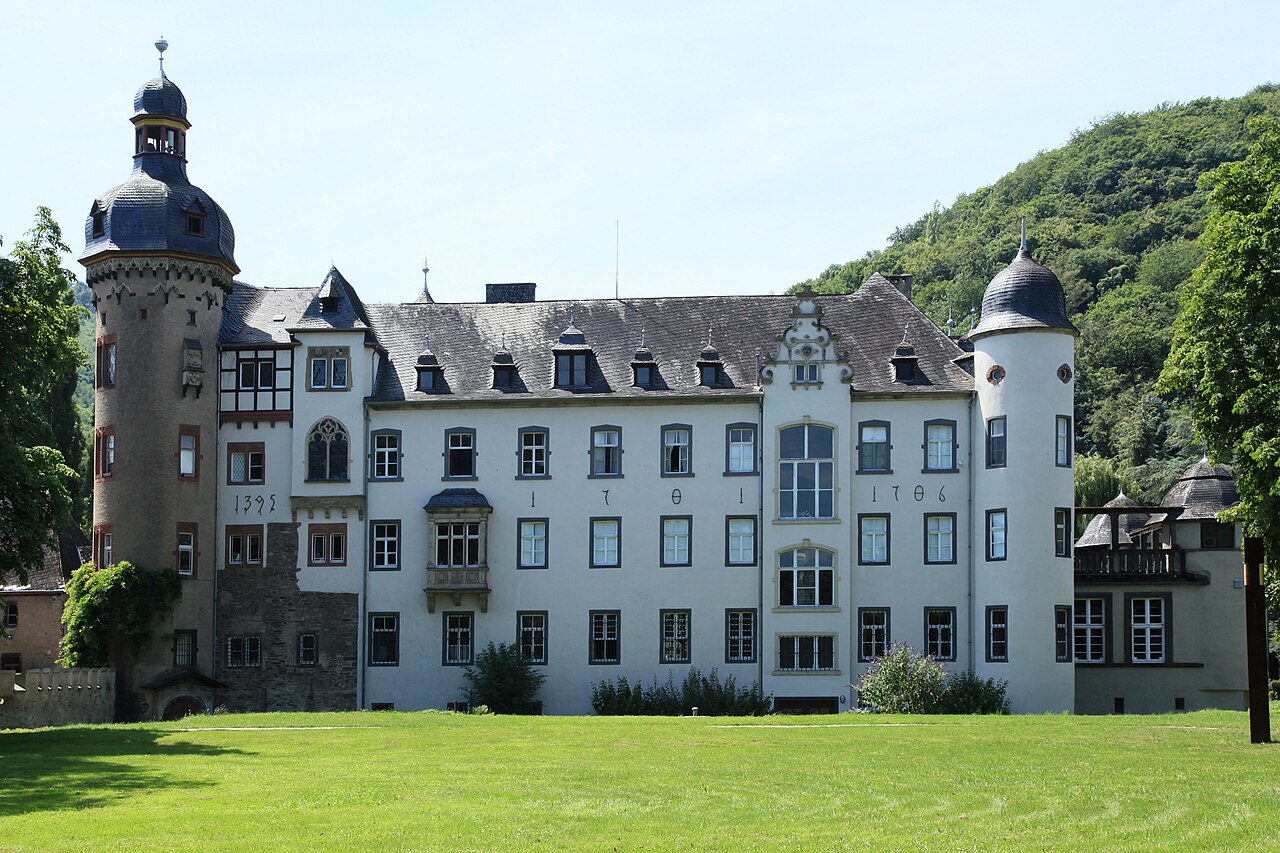
Andernach Castle is a significant high medieval fortress located in the town of Andernach, Germany. Constructed around 1200, it originally served as a strategic stronghold within the Electorate of Cologne, an important ecclesiastical principality of the Holy Roman Empire. The castle's location was chosen for its commanding position overlooking the Rhine River, providing both defensive advantages and control over river traffic.
History and strategic importance
The castle was built during a period of intense territorial consolidation and conflict in the Rhineland region. As part of the Electorate of Cologne's defensive network, Andernach Castle played a pivotal role in securing the Electorate's borders and asserting its influence in the region. The fortress was designed to withstand sieges and protect the town and surrounding lands from rival powers and marauding forces.
Throughout its history, the castle witnessed several military engagements, most notably during the Thirty Years' War (1618-1648) and the War of the Palatine Succession (1688-1697), also known as the Nine Years' War. The castle's cannonballs, now displayed in a pyramid formation outside the castle walls, are relics from the Thirty Years' War, underscoring its involvement in these turbulent conflicts.
In 1689, the castle suffered significant destruction at the hands of French troops during the War of the Palatine Succession. The assault led to the castle's ruin, marking the end of its active military use and transforming it into a historical monument.
Architectural features and layout
Originally, Andernach Castle featured typical high medieval fortification elements, including thick stone walls, defensive towers, and a fortified gatehouse. Its design emphasized strong defensive capabilities, with battlements and arrow slits allowing defenders to repel attackers effectively. The castle's position on elevated ground enhanced its defensive potential and visibility over the surrounding landscape.
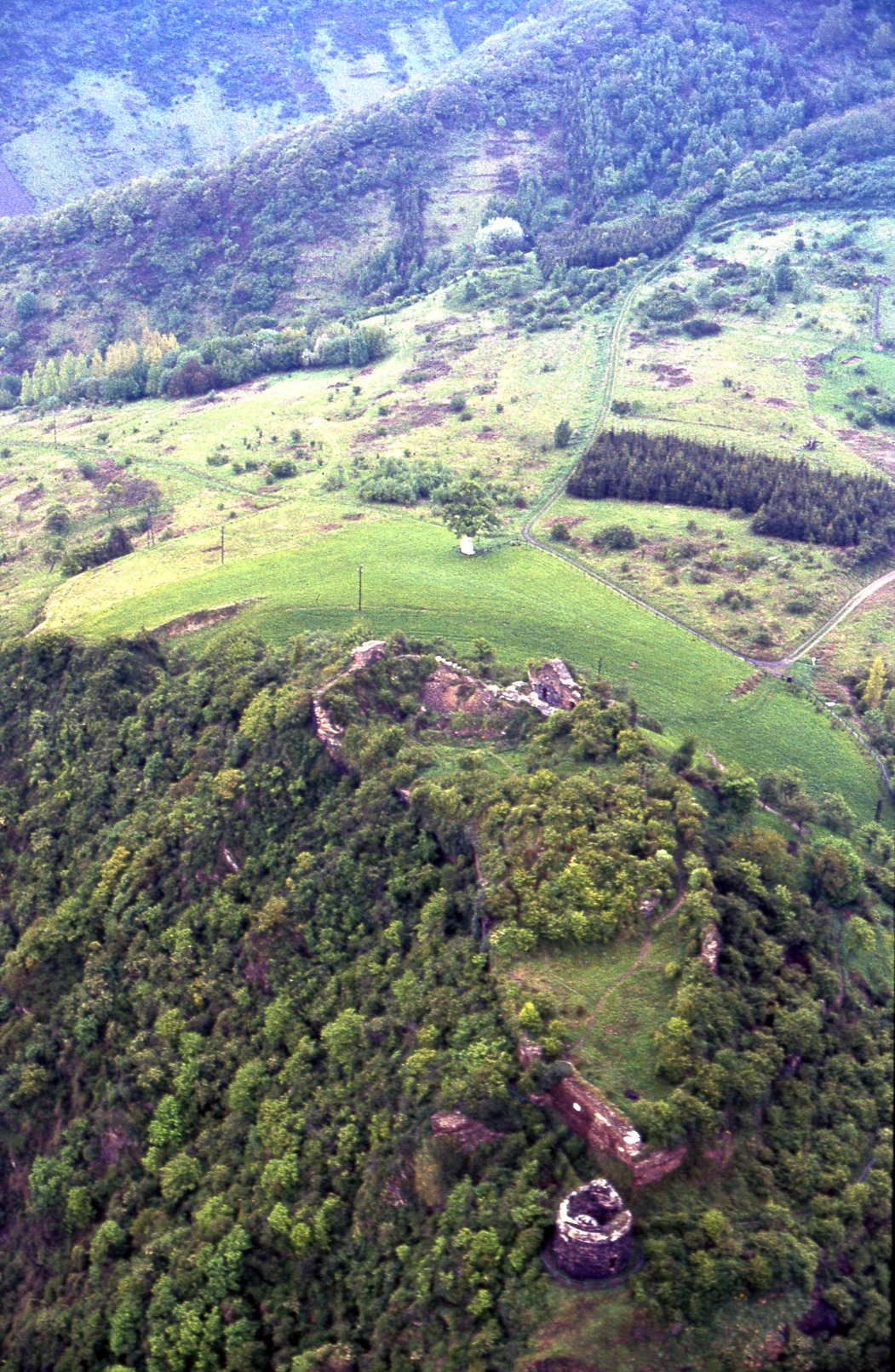
While much of the castle now lies in ruins, archaeological studies and remaining structures reveal the complexity of its original layout. The castle likely included a keep (donjon) serving as the last line of defense and residential quarters for the lord or garrison commander. Surrounding the keep, courtyards and ancillary buildings would have supported the daily functions of the fortress.
Cultural significance and preservation
Today, Andernach Castle stands as a partially preserved ruin and a cultural landmark within the town of Andernach. Its remains attract visitors interested in medieval history, military architecture, and the heritage of the Rhineland. The castle's cannonball pyramid serves as a tangible reminder of the conflicts that shaped the region's history.
Efforts to preserve the castle ruins focus on maintaining structural stability and facilitating public access. Interpretive signage and guided tours help visitors understand the castle's historical context and architectural features. The site contributes to the cultural tourism appeal of Andernach, complementing other historical attractions in the area.
Visiting and accessibility
Visitors to Andernach Castle can explore the ruins and appreciate the scenic views of the Rhine River valley. The site is accessible year-round, though specific opening hours and guided tour availability may vary seasonally. Visitors are encouraged to wear suitable footwear due to uneven terrain within the ruins.
The castle's location near the town center makes it convenient to combine a visit with other local attractions, including historic churches, museums, and the picturesque old town of Andernach. This accessibility enhances the castle's role as an educational and recreational destination.
Frequently asked questions (FAQ)
- When was Andernach Castle built?
- Andernach Castle was constructed around the year 1200 during the high medieval period.
- What historical events led to the castle's destruction?
- The castle was destroyed in 1689 by French troops during the War of the Palatine Succession, also known as the Nine Years' War.
- What remains can visitors see at Andernach Castle today?
- Visitors can explore the partially preserved ruins, including stone walls and a pyramid of cannonballs from the Thirty Years' War displayed outside the castle.
- Is Andernach Castle accessible to the public?
- Yes, the castle ruins are open to visitors year-round, though specific opening hours and guided tours may vary depending on the season.
- What architectural features characterized Andernach Castle?
- The castle featured thick stone walls, defensive towers, a fortified gatehouse, and a keep, typical of high medieval hill castles.
Information
Loading map...
Visitor reviews
No reviews yet. Been here? Write the first review and help other travelers!
Write the first reviewVisited this castle? Share your experience
Your review helps other travelers and adds first-hand knowledge to our encyclopedia.