Altenburg Castle
Altenburg Castle stands as a significant early medieval fortress located in Brugg, Switzerland. Its origins trace back to a strategic point above the Aar river, where it served as a defensive structure along the Limes Germanicus—the Roman frontier boundary. While the exact date of construction remains uncertain, archaeological evidence and coin hoards suggest the castle's foundation could date as early as the 4th century AD, possibly during the reign of Emperor Valentinian I around 370 AD. This early fortification was designed to protect a fordable section of the Aar river, a vital crossing point in the region.
Roman origins and early fortifications
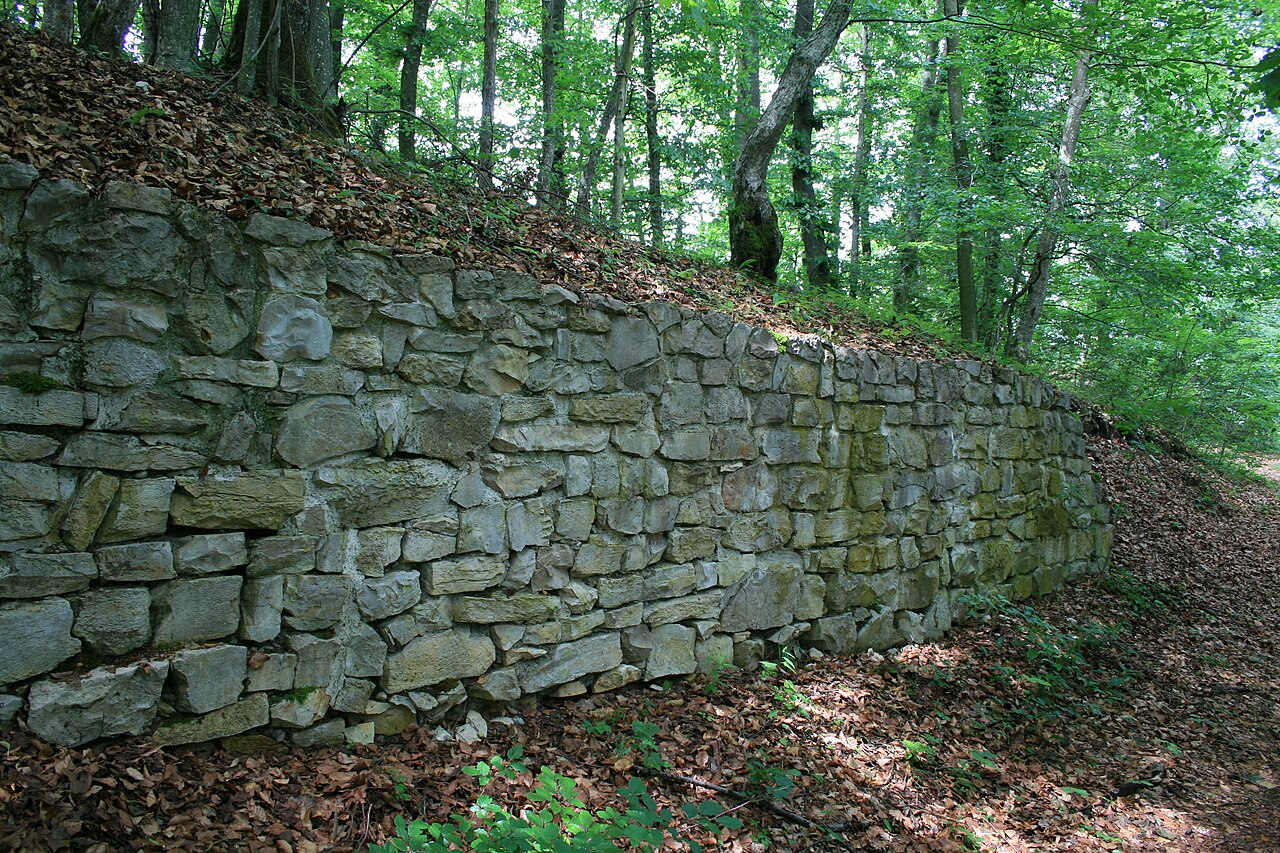
The castle's initial construction featured formidable walls 3 to 5 meters thick, reinforced by six to eight half-round towers. These defensive elements were typical of Roman military architecture aimed at securing important transport and communication routes. Although the precise layout and functions of the interior buildings remain unknown, the site likely included essential military and administrative structures typical of a Roman outpost. The castle formed part of the broader Limes Germanicus, a network of fortifications that marked the boundary of the Roman Empire in this region.
The Habsburg connection and medieval development
During the late 10th century, a structure known as the Schlössli was constructed within the ruins of the Roman fortress. This building is believed to have been established for an ancestor of the Habsburg family, one of Europe's most influential dynasties. Altenburg Castle served as the family's seat until the construction of the nearby Habsburg Castle in the 11th century. After relocating, the Habsburgs used Altenburg as the residence for their bailiffs and knights, maintaining its importance as a local administrative center.
Transition of ownership and religious influence
In 1397, the castle along with the village and the surrounding Habsburg Eigenamt was gifted to the Königsfelden Monastery in Windisch. This transfer marked a significant shift in the castle's role from a noble residence to ecclesiastical property. The monastery held extensive rights over the land and castle, reflecting the growing influence of religious institutions in the late medieval period.
Political turmoil and Bernese control
The early 15th century brought considerable upheaval. In 1414, Emperor Sigismund convened the Council of Constance to resolve the Western Schism, a division within the Catholic Church with multiple rival popes. Frederick IV of Habsburg supported John XXIII, who was later declared an antipope and fled with Frederick's assistance. In response, the emperor declared the Habsburg lands forfeited and called on neighboring powers to seize them.
The city-state of Bern, aligned with the emperor, invaded the region. By 1415, following a series of military victories by the Swiss Confederation, Bern controlled much of the Eigenamt, including Altenburg Castle. Despite this political shift, the Königsfelden Monastery retained many of its rights over the castle and lands.
Reformation and secularization
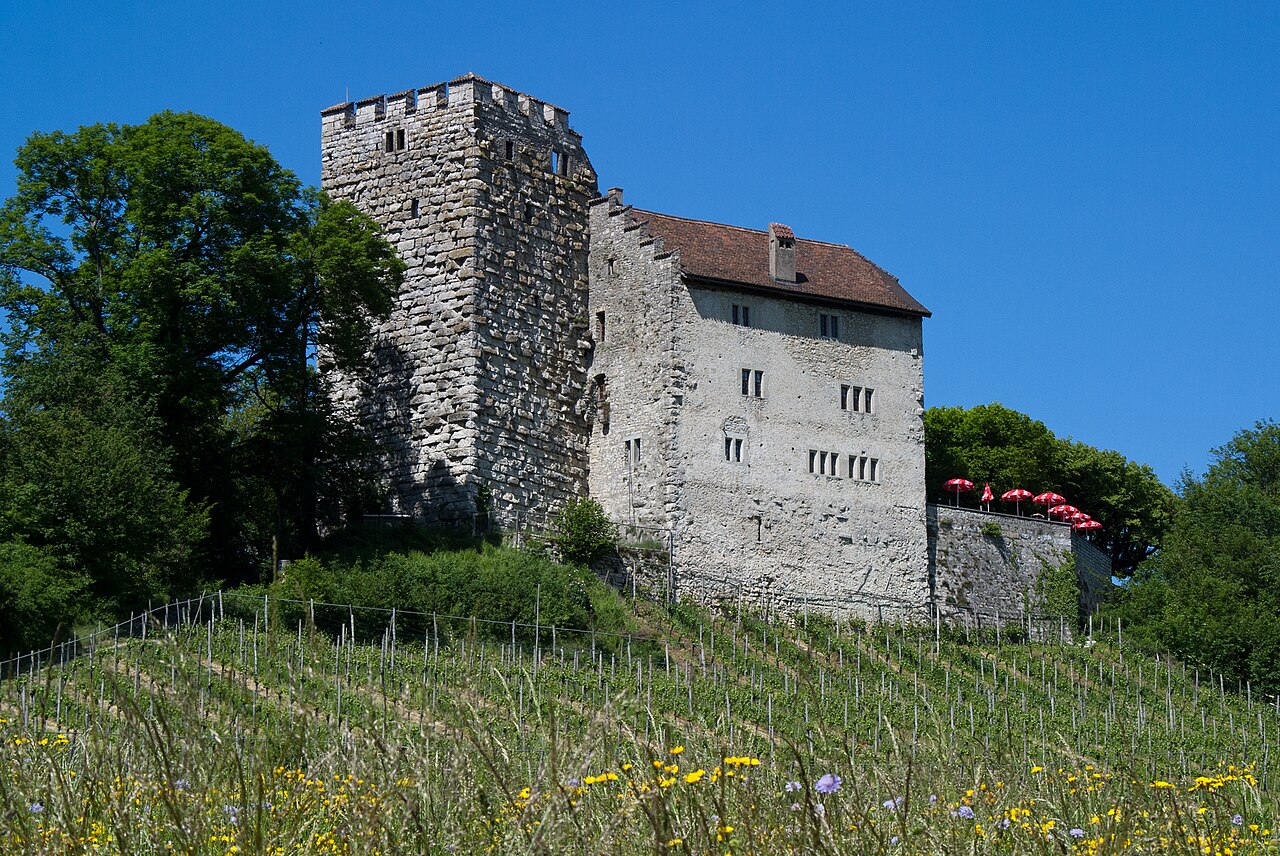
Bern's adoption of the Protestant Reformation in 1528 led to the seizure and secularization of monastic properties, including Altenburg. The castle's religious affiliations ended, and it transitioned into a minor manor house under Bernese administration. During the 16th century, a late Gothic tower house was added, distinguished by its crow-stepped gables, reflecting architectural trends of the period.
Later history and modern use
In the 20th century, Altenburg Castle underwent a significant functional transformation. In 1941, it was converted into a youth hostel, a role it continues to fulfill today. This adaptive reuse has helped preserve the castle's structure and maintain its relevance within the community.
Architectural features and preservation
The castle's surviving elements include the robust Roman walls and towers, the medieval Schlössli, and the distinctive late Gothic tower with its stepped gables. These features illustrate the site's long history of occupation and architectural evolution from Roman times through the medieval period to the early modern era. Altenburg Castle is a well-preserved example of a site that has adapted to changing political and social contexts while retaining key historical characteristics.
Visiting Altenburg Castle
Today, visitors to Altenburg Castle can explore its historic grounds and appreciate the blend of Roman military engineering and medieval architecture. The castle's location above the Aar river offers scenic views and insight into the strategic importance of the site. As a youth hostel, it also provides accommodation options for travelers interested in experiencing a historic setting.
Nearby attractions
The castle is situated in the canton of Aargau, near the town of Brugg, an area rich in cultural heritage and natural beauty. Visitors can combine a trip to Altenburg with explorations of the nearby Habsburg Castle, the historic town center of Brugg, and the surrounding Swiss countryside.
Frequently asked questions (FAQ)
- How do I get to Altenburg Castle?
- Altenburg Castle is located in Brugg, Switzerland, and is easily accessible by public transport. You can take a train to Brugg train station, and from there, it’s a short walk to the castle. Alternatively, if you're driving, there are parking facilities nearby.
- What is the historical significance of Altenburg Castle?
- Altenburg Castle dates back to the 11th century and has played a crucial role in the region’s history. It served as a strategic fortification and residence for various noble families throughout the centuries. The castle's rich history is reflected in its well-preserved architecture and artifacts.
- When was Altenburg Castle built?
- Altenburg Castle was constructed in the early 11th century, making it one of the oldest fortifications in the area. Over the years, it has undergone several renovations and expansions, reflecting the architectural styles of different periods. Its long history adds to its charm and significance as a historical site.
- Can I visit Altenburg Castle with children?
- Yes, Altenburg Castle is a family-friendly destination that welcomes visitors of all ages. The castle grounds offer plenty of space for children to explore, and there are informative displays that engage younger audiences. Special events and guided tours are often available that cater to families.
- Why is Altenburg Castle a popular tourist attraction?
- Altenburg Castle is popular for its stunning views of the surrounding landscape and its historical significance. Visitors are drawn to its impressive architecture, which showcases various styles from different eras. Additionally, the castle often hosts cultural events and exhibitions, enhancing its appeal.
- Is it possible to take guided tours of Altenburg Castle?
- Yes, guided tours of Altenburg Castle are available and highly recommended for a more in-depth experience. Knowledgeable guides provide insights into the castle's history, architecture, and significant events that took place there. Tours are typically offered in multiple languages to accommodate international visitors.
- What are the opening hours for Altenburg Castle?
- Altenburg Castle is open to visitors from April to October, typically from 10 AM to 6 PM. During the winter months, the castle may have reduced hours or be closed for maintenance. It’s best to check the official website for the most current opening hours before planning your visit.
- What are the ticket prices for Altenburg Castle?
- Ticket prices for Altenburg Castle are generally affordable, with discounts available for children, students, and seniors. Admission fees help support the maintenance and preservation of the castle. Special family packages are often available, making it a cost-effective outing for groups.
- What is the best time to visit Altenburg Castle?
- The best time to visit Altenburg Castle is during the spring and fall when the weather is mild and the crowds are smaller. Summer months can be busy, but the lush scenery surrounding the castle is particularly beautiful then. Additionally, special events are often held during these peak seasons, enhancing the visitor experience.
- Are there any nearby attractions to visit along with Altenburg Castle?
- Yes, there are several nearby attractions to explore, including the historic town of Brugg and the scenic Aare River. Visitors can also enjoy hiking trails in the surrounding area, which offer stunning views of the Swiss countryside. Museums and cultural sites are also within a short distance, making it easy to plan a full day of activities.
Information
Loading map...
Visitor reviews
No reviews yet. Been here? Write the first review and help other travelers!
Write the first reviewVisited this castle? Share your experience
Your review helps other travelers and adds first-hand knowledge to our encyclopedia.