Aldborough Roman Site
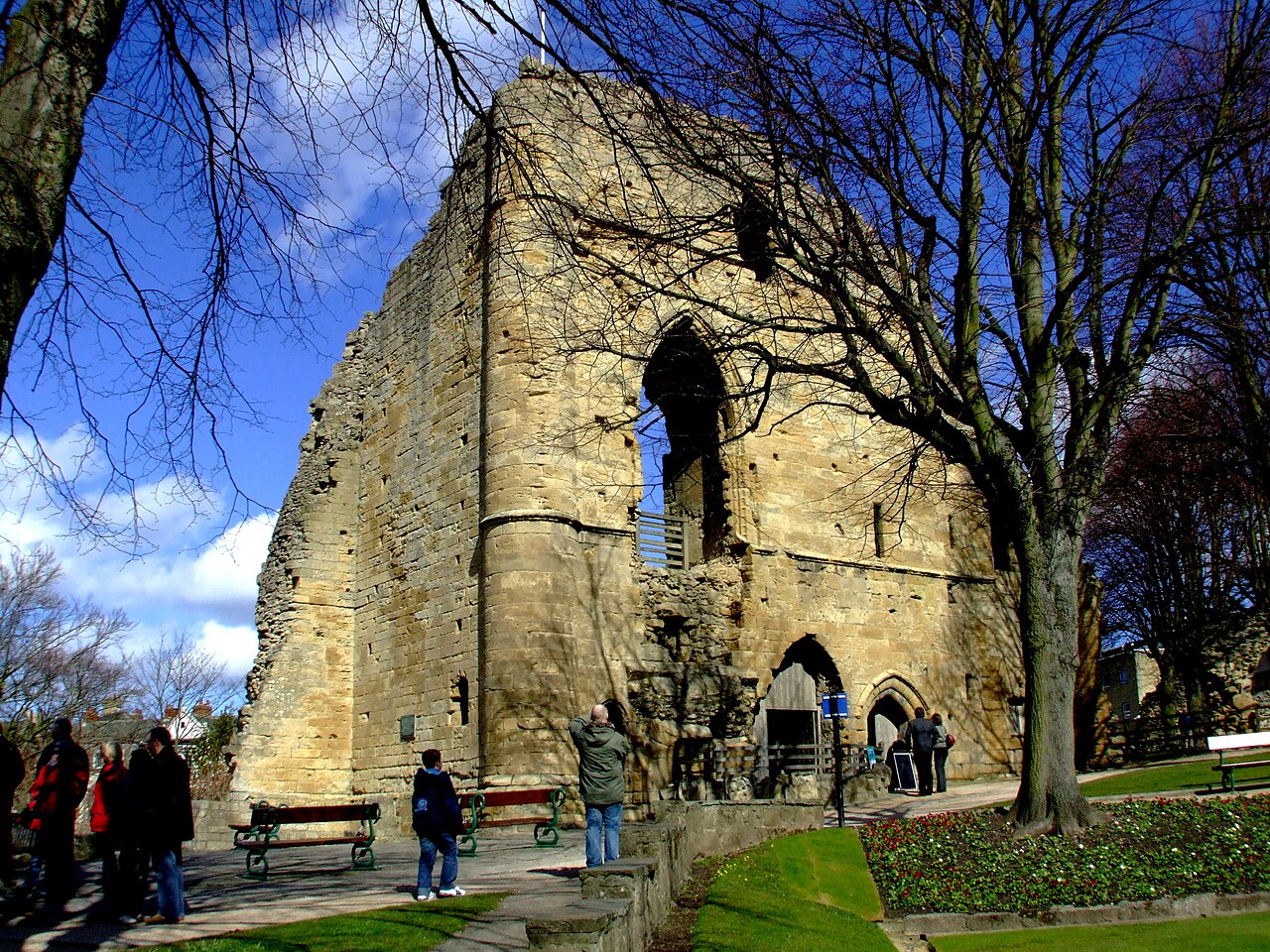
Aldborough Roman Site, historically known as Isurium Brigantum, was a significant Roman fort and town located in what is now North Yorkshire, England. It served as the administrative and military center for the Brigantes tribe during the Roman occupation of Britannia. The site is managed by English Heritage, preserving its archaeological remains and providing insight into Roman urban planning and military architecture in Britain.
Historical significance and location
Isurium was strategically positioned at the junction of two important Roman roads: Dere Street and the Roman equivalent of Watling Street. Dere Street connected the Roman provincial capital of Eboracum (modern York) to the Antonine Wall in Scotland, while Watling Street linked Eboracum with Luguvalium (modern Carlisle). This made Isurium a vital hub for military logistics, trade, and administration in northern Britannia.
The modern village of Aldborough retains elements of the original Roman street layout, reflecting the town's enduring urban footprint. The local parish church notably stands on the site of the Roman forum, the civic and commercial heart of the town.
Roman fort and town structure
The site began as a Roman fort constructed to control the Brigantes and secure the northern frontier. Over time, it developed into a substantial civitas capital with defensive walls and public buildings. The fort's design incorporated typical Roman military architecture, including bastioned defenses and a grid street plan.
Isurium's urban plan featured a rectangular layout with a central forum, surrounded by administrative buildings, temples, and marketplaces. Residential areas extended beyond the walls, indicating a thriving civilian population engaged in agriculture, crafts, and trade.
Archaeological remains and preservation
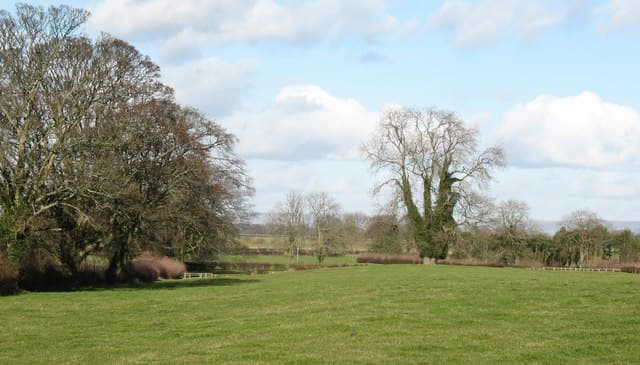
Today, the Aldborough Roman Site includes visible remains of the town's defensive walls, parts of the fortifications, and traces of the Roman street network. Excavations have uncovered mosaics, pottery, and inscriptions that illuminate daily life and governance in the Roman period.
The site is classified as an archaeological site rather than a standing castle, reflecting its primary importance as a Roman town and fort rather than a medieval fortress. English Heritage provides access to the site, with interpretative materials explaining its historical context.
Legacy and cultural importance
Aldborough Roman Site offers a rare glimpse into Roman urbanism in northern England. It illustrates the military and administrative strategies employed by Rome to control the Brigantes and maintain peace in the frontier regions. The preservation of the street plan and forum location within the modern village underscores the continuity of settlement from Roman times to the present.
The site contributes to our understanding of Roman Britain's provincial capitals and their role in integrating local populations into the empire. It remains a valuable destination for historians, archaeologists, and visitors interested in Roman history and architecture.
Frequently asked questions (FAQ)
- What is the historical significance of Aldborough Roman Site?
- Aldborough Roman Site is an important archaeological site that showcases the remnants of a Roman settlement known as Isurium Brigantum. This site provides valuable insights into Roman Britain, featuring well-preserved ruins, including a bathhouse and parts of the ancient street layout.
- When was Aldborough Roman Site opened to the public?
- Aldborough Roman Site has been open to the public since the mid-20th century, allowing visitors to explore its rich history and archaeological finds. The site continues to be an essential part of heritage tourism in the United Kingdom.
- What are the opening hours for Aldborough Roman Site?
- The site is typically open to visitors from 10 AM to 5 PM during the summer months, with reduced hours in the winter. It's advisable to check the official website for any seasonal changes or special event timings before planning your visit.
- Can I access Aldborough Roman Site with a wheelchair?
- Yes, Aldborough Roman Site is committed to accessibility and provides wheelchair access to the main areas. However, some uneven surfaces may exist due to the archaeological nature of the site, so visitors should exercise caution.
- What are the ticket prices for visiting Aldborough Roman Site?
- Admission to Aldborough Roman Site is generally free, making it an accessible destination for all visitors. Special guided tours or events may have associated fees, so it's worth checking in advance for specific activities.
- When is the best time to visit Aldborough Roman Site?
- The best time to visit Aldborough Roman Site is during the late spring and summer months when the weather is typically warm and conducive for outdoor exploration. Additionally, various events and activities often take place during this period, enhancing the visitor experience.
- Are there any nearby attractions to visit while at Aldborough?
- Yes, visitors to Aldborough can explore several nearby attractions, including the charming village of Aldborough itself, with its quaint shops and eateries. Additionally, the historic town of Boroughbridge and the scenic countryside of North Yorkshire are just a short drive away.
Photo gallery

Information
Loading map...
Visitor reviews
No reviews yet. Been here? Write the first review and help other travelers!
Write the first reviewVisited this castle? Share your experience
Your review helps other travelers and adds first-hand knowledge to our encyclopedia.