Aldborough Castle
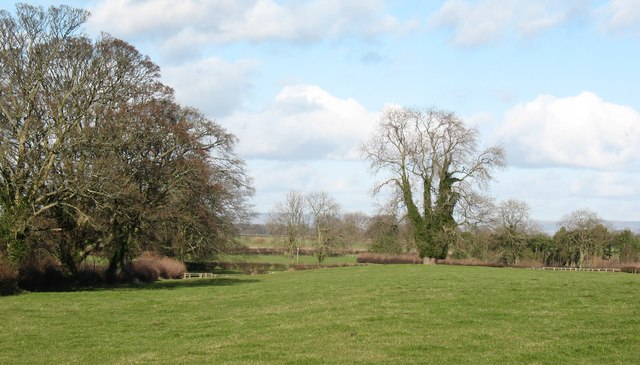
Aldborough Castle is a significant medieval site located in the village of Aldborough, North Yorkshire, England. Positioned on the outskirts of the ancient Roman town of Isurium Brigantum, the castle occupies a landscape rich with historical layers, blending Roman urban remnants with Norman defensive earthworks. The castle's remains primarily consist of a large circular earthwork known as Studforth Hill, which represents a typical example of early medieval fortification techniques in northern England.
Historical context and origins
The site of Aldborough Castle lies within the territory once controlled by the Brigantes, the largest Celtic tribe in Roman Britain. Isurium Brigantum, the Roman administrative center for this tribe, flourished from the 1st to the 4th centuries AD. By the late 11th or early 12th century, following the Norman Conquest of 1066, the strategic location was repurposed for medieval defense. The castle was likely established during this period as a timber fortification, either as a motte or a ringwork, reflecting common Norman military architecture designed to assert control over newly conquered territories.
Although documentary evidence is sparse, a royal charter from around 1115 mentions a "castello de Aldeburgo" granted to the monks of St. Martin of Albemarle. However, historians suggest this reference may pertain to Skipsea Castle rather than Aldborough, indicating some ambiguity in medieval records. Regardless, Aldborough Castle appears to have functioned as a minor stronghold rather than a major fortress, with no subsequent records indicating significant development or stone construction.
Architectural features and defensive structures
The defining feature of Aldborough Castle is the large circular earthwork known as Studforth Hill, measuring approximately 61 metres in diameter. This earthwork comprises a raised mound surrounded by a pronounced scarp or steep bank, which would have served as a defensive barrier. The earthwork's form is consistent with either a motte—a man-made hill topped by a wooden keep—or a ringwork, a circular fortified enclosure with banks and ditches.
The castle's builders ingeniously incorporated the existing Roman landscape into their design, situating the fortification just outside the southern edge of Isurium Brigantum. The proximity to the Roman amphitheatre suggests a strategic use of the terrain and available structures, blending medieval military needs with the remnants of the Roman town. The defensive banks and ditches were created by shaping and piling earth, a common practice in early medieval fortifications before the widespread use of stone.
There is no evidence of surviving stone or timber structures above ground, indicating that the castle's fortifications were primarily earthen and timber-based. This simplicity reflects the castle's role as a smaller, possibly temporary, military installation rather than a permanent royal residence or large fortress.
Later history and current condition
The castle's ownership appears to have passed between local or monastic authorities before reverting to the Crown. However, there is no indication that Aldborough Castle was significantly occupied or rebuilt after its initial construction phase. The absence of masonry buildings and the limited historical references suggest it was abandoned relatively early in its history.
Today, Aldborough Castle survives as an archaeological site dominated by its earthworks. The prominent mound and surrounding banks remain visible in the landscape, offering valuable insight into Norman military architecture and medieval land use. The site is a protected heritage location, appreciated for its historical significance and its connection to both Roman and medieval periods in northern England.
Archaeological investigations and heritage significance
Archaeological studies at Aldborough Castle have focused on understanding the relationship between the medieval fortification and the underlying Roman town. Excavations and surveys have confirmed that the earthworks are entirely composed of shaped soil, with no surviving above-ground stonework. These findings highlight the transitional nature of early Norman castles, which often relied on earth and timber before the later adoption of stone keeps and curtain walls.
The castle's location within the former Roman urban environment makes it an important site for studying the continuity and change in settlement patterns from antiquity to the medieval period. It also exemplifies the Norman strategy of establishing control through rapid construction of motte-and-bailey or ringwork castles across England.
Visiting Aldborough Castle today
While no buildings remain, the earthworks of Aldborough Castle provide a tangible link to England's medieval past. Visitors can explore the site to appreciate the scale and form of early Norman fortifications and their relationship with Roman heritage. The castle's setting in the picturesque village of Aldborough and its proximity to other archaeological sites make it a compelling destination for history enthusiasts and scholars alike.
Interpretive signage and local heritage organizations help contextualize the site, offering insights into the castle's construction, use, and eventual decline. The preservation of the earthworks ensures that Aldborough Castle remains an enduring symbol of the layered history of North Yorkshire.
Frequently asked questions (FAQ)
- What is the historical significance of Aldborough Castle?
- Aldborough Castle holds historical significance as a Norman-era timber fortification built near the Roman town of Isurium Brigantum, reflecting early medieval military strategies in northern England.
- Are there any visible structures remaining at Aldborough Castle?
- No stone or wooden buildings survive above ground at Aldborough Castle; the site is primarily known for its large circular earthwork called Studforth Hill.
- Can visitors access the Aldborough Castle site?
- Yes, visitors can explore the earthworks of Aldborough Castle, which are accessible to the public and provide insight into Norman fortification methods and medieval history.
- When was Aldborough Castle constructed?
- Aldborough Castle was likely constructed in the late 11th or early 12th century, following the Norman Conquest of England.
- How does Aldborough Castle relate to the Roman town of Isurium Brigantum?
- The castle is situated just outside the southern edge of Isurium Brigantum, incorporating the Roman landscape into its defensive design and illustrating the continuity of settlement in the area.
Information
Website
Visit websiteSources & official resources
Verify the information above using these authoritative references.
Loading map...
Visitor reviews
No reviews yet. Been here? Write the first review and help other travelers!
Write the first reviewVisited this castle? Share your experience
Your review helps other travelers and adds first-hand knowledge to our encyclopedia.