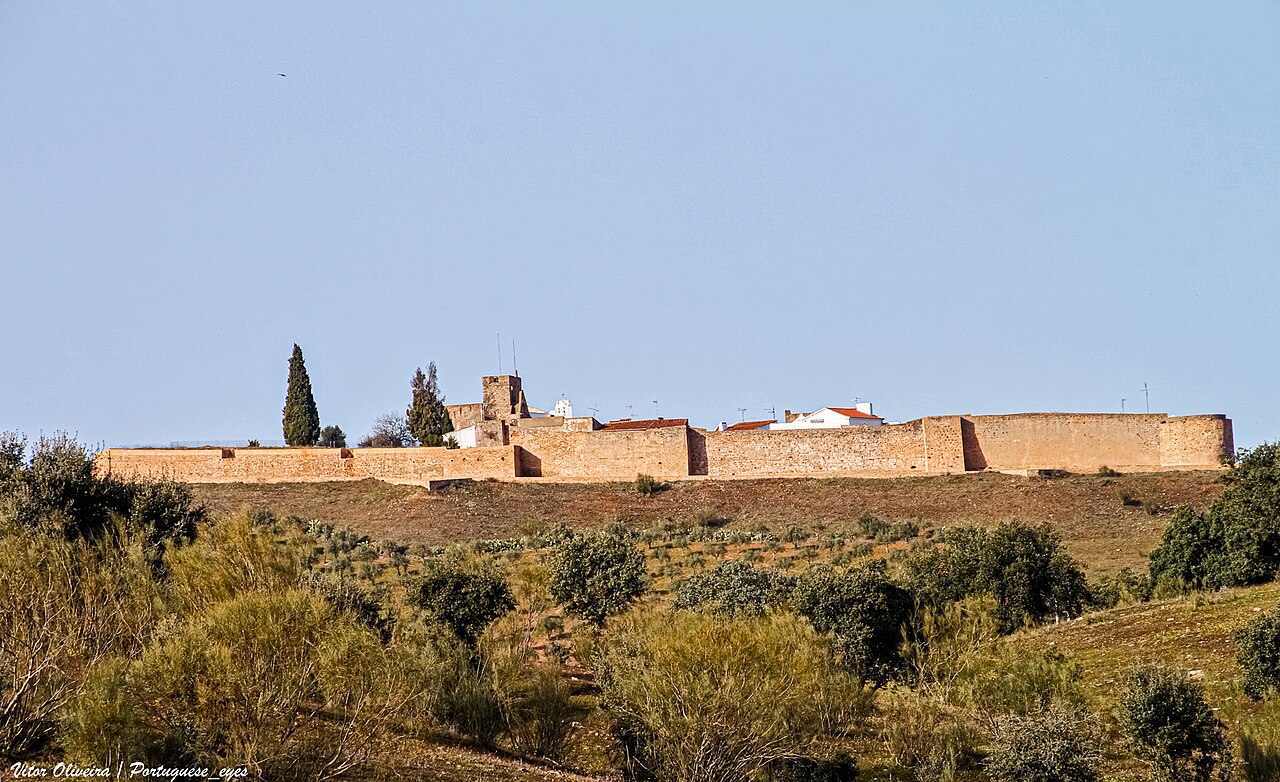
Alburquerque Castle
Alburquerque Castle is a significant high medieval fortress located in the town of Alburquerque, Spain. Its origins trace back to the turbulent period of the 12th and 13th centuries, a time marked by the Reconquista—the Christian campaigns to reclaim Iberian territories from Moorish control. The castle's site was initially conquered from the Moors by Ferdinand II of León in 1166. However, the fortress changed hands several times before finally coming under Christian control in 1217. The present castle structure was constructed in the late 13th century, reflecting the military architectural styles and defensive needs of that era.
Historical context and strategic importance
The castle's location near the border with Portugal made it a critical military and administrative center throughout the Middle Ages. Its position allowed control over important routes and served as a defensive bulwark against Portuguese incursions. The fortress played a vital role during various conflicts, including the Portuguese-Spanish wars, which influenced its architectural evolution over centuries.
Architectural features and construction phases
The 13th-century origins
The initial construction phase in the late 1200s established the castle's core defensive structures. The fortress was built with three concentric layers of walls equipped with numerous small towers, providing multiple lines of defense. These walls were punctuated by several fortified gates, controlling access to the inner areas. The use of scattered small towers along the walls enhanced the defenders' ability to surveil and repel attackers.
The 15th-century keep and palace buildings
In the mid-15th century, Álvaro de Luna, who was the Master of the Order of St. James, undertook significant enhancements to the castle. He commissioned the construction of the famous keep, a large fortified tower that served as both a stronghold and a symbol of power. This keep is one of the castle's most distinctive features, showcasing the transition from purely military architecture to incorporating residential and administrative functions.
Alongside the keep, several palace-style outbuildings were added within the castle complex. These structures reflect the dual military and noble residential purpose of the castle during this period, blending fortification with comfort.
Unique defensive elements
Alburquerque Castle includes a curious pentagonal tower, notable for its uncommon shape among Spanish fortifications. This tower is topped with battlements crowned with sharp points ending in balls, an ornamental yet defensive feature that distinguishes the castle's silhouette.
Additional outer defenses include a barbican, a fortified outpost or gateway that provided an extra layer of protection before the main walls. The barbican was essential for controlling access and delaying attackers.
18th-century modifications: Vauban bastions
During the early 18th century, when the city briefly fell under Portuguese control, the castle underwent further modernization. Influenced by the military engineering principles of Sébastien Le Prestre de Vauban, the renowned French military engineer, several Vauban-style bastions were added. These bastions featured angled walls designed to deflect artillery fire and improve defensive coverage, reflecting the evolution of siege warfare and the adaptation of medieval fortresses to early modern military technology.
Current condition and cultural significance
Today, Alburquerque Castle stands as a well-preserved example of a high medieval fortress that evolved through centuries of military and political change. Its multiple layers of walls, towers, and bastions offer a comprehensive view of the development of Spanish castle architecture from the 13th to the 18th century. The castle is a prominent cultural landmark in the region, attracting visitors interested in medieval history, military architecture, and Spanish heritage.
Architectural highlights and visitor experience
Visitors to Alburquerque Castle can explore its extensive defensive walls and the imposing 15th-century keep. The palace-style buildings within the complex provide insight into the lifestyle of the castle's noble occupants. The pentagonal tower and the unique battlements add architectural interest beyond typical military designs. The Vauban bastions illustrate the adaptation of the fortress to changing military technologies, making the site an educational experience for those interested in the history of fortification.
The castle's setting in the historic town of Alburquerque enhances its appeal, with the surrounding landscape offering views of the borderlands that shaped its strategic importance.
Frequently asked questions (FAQ)
- What are the opening hours for visiting Alburquerque Castle?
- Alburquerque Castle is generally open to visitors during daylight hours, typically from 10:00 to 18:00, but it is advisable to check locally for seasonal variations and special closures.
- Is there an entrance fee to visit Alburquerque Castle?
- Entrance to Alburquerque Castle may require a small fee, which helps with maintenance and preservation. Prices can vary, so visitors should verify current ticket costs before their visit.
- What architectural styles are represented in Alburquerque Castle?
- Alburquerque Castle showcases a blend of <strong>high medieval military architecture</strong> with later additions reflecting <strong>Vauban-style bastion</strong> fortifications from the early 18th century.
- Can visitors access the keep and towers of the castle?
- Visitors can explore many parts of the castle, including the <strong>15th-century keep</strong> and several towers, offering panoramic views and insight into medieval defensive design.
- Why does Alburquerque Castle have a pentagonal tower?
- The pentagonal tower is a unique architectural feature designed to enhance defense by providing wider angles of fire and reducing blind spots, a strategic choice uncommon in Spanish castles.
Information
Current owner
Municipality
Loading map...
Visitor reviews
No reviews yet. Been here? Write the first review and help other travelers!
Write the first reviewVisited this castle? Share your experience
Your review helps other travelers and adds first-hand knowledge to our encyclopedia.