Acropolis of Athens
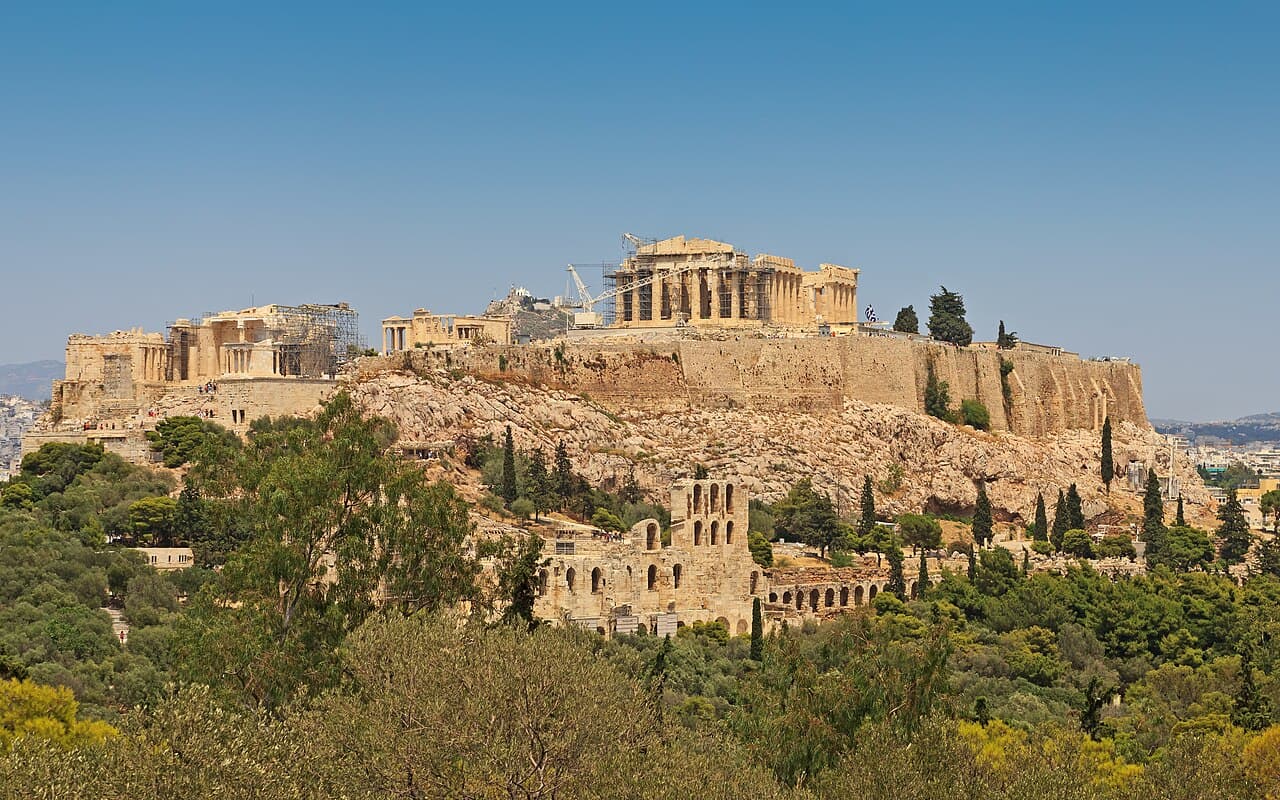
The Acropolis of Athens (Ancient Greek: ἡ Ἀκρόπολις τῶν Ἀθηνῶν, romanized: hē Akropolis tōn Athēnōn; Modern Greek: Ακρόπολη Αθηνών, romanized: Akrópoli Athinón) stands as one of the most significant ancient citadels in the world. Situated on a prominent rocky outcrop rising approximately 150 meters above the city of Athens, Greece, the Acropolis has served as a powerful symbol of ancient Greek civilization, culture, and architectural achievement. The term "Acropolis" means "highest city" or "city on the edge," referring to its commanding elevated position. While many Greek cities have their own acropoleis, the Acropolis of Athens is the most renowned and historically important.
Archaeological evidence indicates that the site was inhabited as early as the 4th millennium BC, making it a place of continuous human activity for millennia. However, its most famous structures date to the 5th century BC, during the height of the Classical period of ancient Greece. Under the leadership of the statesman Pericles (c. 495–429 BC), a grand building program was undertaken to construct monumental temples and public buildings that reflected the city's power, wealth, and religious devotion. This period is often considered the golden age of Athenian culture and democracy.
The architectural ensemble of the Acropolis
The Acropolis complex includes several iconic structures, each with unique architectural and historical significance. The centerpiece is the Parthenon, a temple dedicated to the goddess Athena, the patron deity of Athens. Built between 447 and 432 BC, the Parthenon is a masterpiece of Doric architecture with subtle Ionic elements and is renowned for its harmonious proportions, sculptural decoration, and innovative construction techniques. It housed a massive chryselephantine statue of Athena, crafted by the sculptor Phidias.
Flanking the Parthenon is the Erechtheion, an unusual temple known for its asymmetrical design and the famous Caryatid Porch, where six sculpted female figures serve as supporting columns. The Erechtheion was dedicated to multiple deities, including Athena and Poseidon, reflecting the complex religious traditions of Athens.
The Propylaea serves as the grand entrance gateway to the Acropolis. Constructed between 437 and 432 BC, it exemplifies Classical Greek architectural refinement with its majestic colonnades and carefully planned spatial arrangement, guiding visitors into the sacred precinct.
Another important structure is the Temple of Athena Nike, a small Ionic temple built around 427–424 BC on a bastion at the southwest corner of the Acropolis. It celebrates Athena as the goddess of victory and is notable for its elegant proportions and relief sculptures.
Historical significance and transformations
The Acropolis has witnessed numerous historical events, transformations, and uses over the centuries. Originally a religious center in ancient Athens, it later served various military and political functions. During the Hellenistic and Roman periods, the site remained a symbol of Athenian identity and culture, though some buildings underwent repairs and modifications.
In the Byzantine era, many of the temples were converted into Christian churches, reflecting changing religious landscapes. Later, during the Ottoman occupation, the Acropolis was fortified and used as a military garrison. The Parthenon itself was converted into a mosque.
A pivotal event in the site's history occurred in 1687 during the Morean War, when Venetian forces besieged the Ottoman-held Acropolis. A Venetian bombardment struck the Parthenon, which the Ottomans had been using as a gunpowder magazine, causing a massive explosion that severely damaged the structure and many of its sculptures.
Architectural features and preservation challenges
The Acropolis is not a single building but a complex of structures with various architectural styles predominantly from the Classical Greek period. The use of marble from Mount Pentelicus gives the buildings their distinctive white appearance with a golden tint. The construction techniques employed advanced methods of optical refinement, such as entasis on columns and subtle curvature of horizontal elements, to create visual perfection.
Preservation of the Acropolis has been an ongoing challenge due to centuries of exposure to natural elements, pollution, previous restorations, and wartime damage. Modern conservation efforts focus on stabilizing structures, restoring damaged sculptures, and protecting the site for future generations. The Acropolis remains a UNESCO World Heritage Site and a symbol of ancient architectural and cultural achievement.
Defensive structures and fortifications
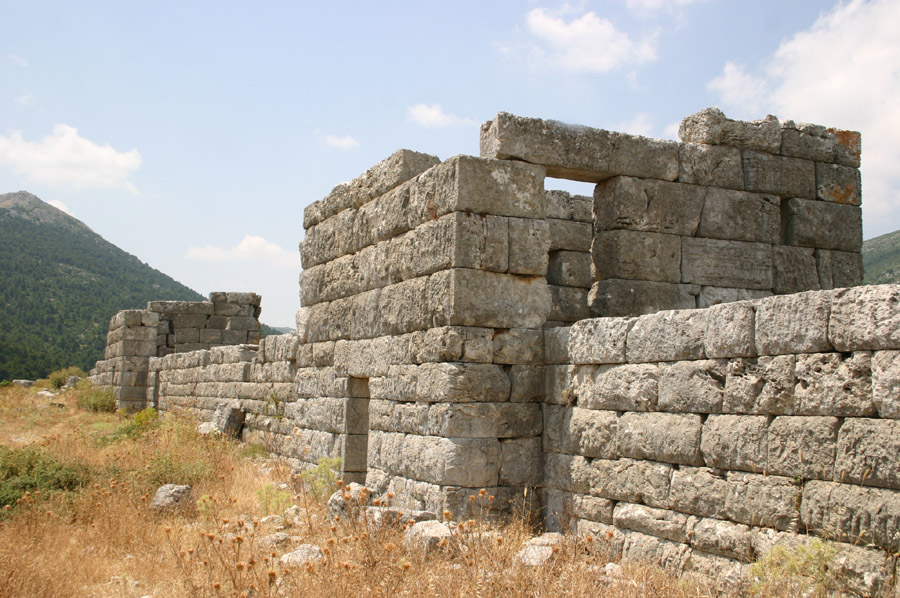
While primarily a religious and cultural complex, the Acropolis also functioned as a fortress. Its natural rocky elevation made it a strong defensive position. The site was enclosed by massive fortification walls that evolved from Mycenaean times through classical antiquity to the Byzantine period. These walls protected the sacred precinct and the inhabitants during times of conflict.
Sculptural and artistic heritage
The Acropolis is renowned for its rich sculptural decoration, including the Parthenon frieze, the metopes, and the pediments, which depict mythological scenes and religious ceremonies. These works are among the finest examples of ancient Greek art and have influenced Western art for centuries. Many original sculptures are now housed in the Acropolis Museum in Athens, which provides context and preservation for these masterpieces.
Visiting the Acropolis today
The Acropolis remains one of the most visited archaeological sites in the world. Visitors can explore the ruins, admire the architectural grandeur, and enjoy panoramic views of Athens from the elevated rock. The site is accessible year-round, with visitor facilities including the nearby Acropolis Museum, which offers extensive exhibits on the history and archaeology of the site.
Conservation and visitor management efforts ensure the protection of the Acropolis while allowing millions of tourists to experience this ancient landmark each year. It is a testament to the enduring legacy of ancient Greek civilization and its contributions to art, architecture, and democracy.
Frequently asked questions (FAQ)
- What is the Acropolis of Athens?
- The Acropolis of Athens is an ancient citadel located on a rocky outcrop above the city of Athens, Greece. It is home to several significant buildings, the most famous being the Parthenon, which represents the pinnacle of classical Greek architecture and is dedicated to the goddess Athena.
- When was the Acropolis built?
- The Acropolis has a long history, with its origins dating back to the Neolithic period. However, the most iconic structures, including the Parthenon, were constructed during the Golden Age of Athens in the 5th century BC, specifically between 447 and 432 BC.
- How do I get to the Acropolis of Athens?
- The Acropolis is easily accessible via public transportation, with the Acropolis Metro station located nearby. Additionally, it is within walking distance from many central hotels and other attractions in Athens, making it convenient for visitors.
- What are the opening hours of the Acropolis?
- The Acropolis is generally open to visitors from 8:00 AM to 8:00 PM during the summer months and has shorter hours in the winter. It is advisable to check the official website for any seasonal changes or special holiday hours before your visit.
- Can I purchase tickets in advance for the Acropolis?
- Yes, tickets for the Acropolis can be purchased online in advance, which is recommended to avoid long lines at the entrance. There are also combined tickets available that grant access to other archaeological sites in Athens.
- Is the Acropolis accessible for visitors with disabilities?
- The Acropolis has made efforts to improve accessibility, with ramps and pathways designed for easier access. However, due to the site's ancient nature, some areas may still pose challenges, so it's best to check specific accessibility options ahead of your visit.
- What is the best time to visit the Acropolis?
- The best time to visit the Acropolis is during the spring (April to June) and fall (September to October) when the weather is pleasant and crowds are smaller. Early mornings or late afternoons are ideal for a more serene experience and beautiful lighting for photography.
- Why is the Acropolis important historically?
- The Acropolis is a symbol of ancient Greek civilization and democracy, representing the cultural and political achievements of Athens during its golden age. It has been designated a UNESCO World Heritage site and continues to be a significant archaeological and historical landmark.
- What nearby attractions can I visit after the Acropolis?
- After visiting the Acropolis, you can explore the Acropolis Museum, which houses artifacts found at the site. Other nearby attractions include the Ancient Agora, the Temple of Olympian Zeus, and the picturesque Plaka neighborhood, offering a rich experience of Athenian history and culture.
Photo gallery

Information
Loading map...
Visitor reviews
No reviews yet. Been here? Write the first review and help other travelers!
Write the first reviewVisited this castle? Share your experience
Your review helps other travelers and adds first-hand knowledge to our encyclopedia.