A Famosa — Malaysia castle

A Famosa

A famosa fortress in malacca, malaysia
Malacca, Malaysia
Renaissance (15th–17th c.)
Ruins

A Famosa is a significant historical fortress located in Malacca, Malaysia, built by the Portuguese in the early 16th century. Constructed around 1512, it is one of the oldest surviving European architectural remains in Southeast Asia. The fortress was originally established to protect the strategic port city of Malacca, which was a vital hub for trade between the East and West during the Renaissance period.

Construction and architectural features

The fortress was designed as a robust military stronghold typical of Renaissance-era fortifications. Its most prominent original feature was a five-storey keep, which served as the central defensive tower and gave the fortress its name, A Famosa. The structure included thick stone walls, bastions, and a moat, all intended to withstand sieges and attacks by rival colonial powers and local forces.

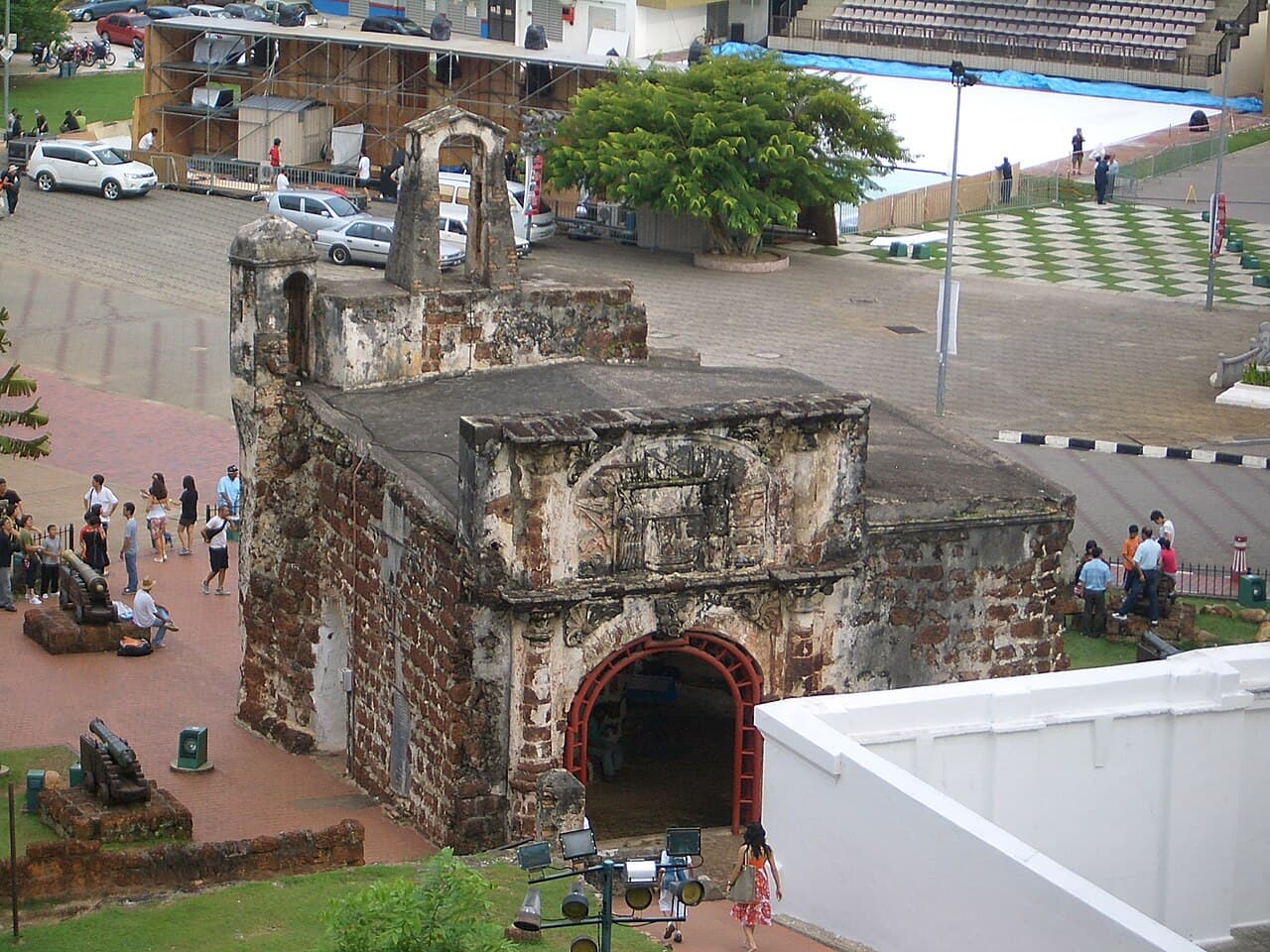
The fortress complex originally contained multiple bastions and gates, with the Porta de Santiago serving as the main entry point. This gate remains the most iconic surviving element of the fortress, showcasing the Portuguese military architectural style with its robust stone arch and battlements.

Historical significance and events

A Famosa played a pivotal role in the control of Malacca, which was a prized possession due to its strategic location on the Malacca Strait. The fortress witnessed various conflicts, including the Battle of Malacca in 1641, when the Dutch East India Company seized the city from the Portuguese. Following the Dutch occupation, the original keep was destroyed, but the outer walls were expanded to reinforce the fortress.

Later, in 1811, during British control of Malacca, most of the fortress was deliberately demolished to prevent its use by potential enemies. This demolition left only a few remnants, most notably the Porta de Santiago gate and the Middelburg Bastion, which was later rebuilt.

Current condition and preservation

Today, A Famosa stands as archaeological ruins, with only fragments of the original fortress still visible. The Porta de Santiago is the primary surviving structure, preserved as a cultural heritage site and a popular tourist attraction in Malacca. The ruins offer insight into the Portuguese colonial military architecture and the historical conflicts that shaped the region.

Preservation efforts focus on maintaining the remaining structures and educating visitors about the fortress's historical context and architectural significance. The site is accessible to the public, providing a tangible connection to the early colonial history of Southeast Asia.

Architectural legacy and cultural impact

The design of A Famosa reflects the adaptation of European fortress architecture to the tropical climate and local conditions of Southeast Asia. Its construction techniques and materials demonstrate the Portuguese approach to fortification during the Renaissance, combining functionality with imposing aesthetics.

As one of the oldest European fortresses in the region, A Famosa has influenced subsequent colonial military architecture in Malaysia and neighboring countries. The fortress remains a symbol of Malacca's rich multicultural heritage, representing the complex history of colonialism, trade, and cultural exchange.

Visitor information

Visitors to A Famosa can explore the ruins and learn about the fortress's history through onsite information panels and guided tours available in Malacca. The site is centrally located, making it accessible for tourists interested in historical architecture and Southeast Asian colonial history.

Frequently asked questions (FAQ)

What is A Famosa?
A Famosa is a historical fortress located in Malacca, Malaysia, built by the Portuguese in 1511. It is one of the oldest surviving European architectural remains in Asia and serves as a symbol of the colonial history of the region.
When was A Famosa constructed?
A Famosa was constructed in 1511 after the Portuguese captured Malacca. The fortress originally served as a defensive structure to protect the city from invasions.
Can I visit A Famosa?
Yes, A Famosa is open to visitors and is a popular tourist attraction in Malacca. Visitors can explore the ruins and learn about the site's rich history through informational plaques and guided tours.
What are the opening hours for A Famosa?
A Famosa is generally open daily from 9:00 AM to 6:00 PM. However, it's advisable to check for any seasonal changes or special events that might affect these hours.
Is there an entrance fee for A Famosa?
No, there is no entrance fee to visit A Famosa. This makes it an accessible option for tourists looking to explore Malacca's rich heritage without spending on admission.
What is the best time to visit A Famosa?
The best time to visit A Famosa is during the cooler months from December to February when the weather is more pleasant. Early mornings or late afternoons are also ideal to avoid the midday heat.
How do I get to A Famosa?
A Famosa is easily accessible by foot from the city center of Malacca, where many hotels and attractions are located. Visitors can also take a taxi or use ride-sharing services for convenience.
Are there any nearby attractions to A Famosa?
Yes, nearby attractions include St. Paul's Hill, where you can find the ruins of St. Paul's Church, and the Malacca Sultanate Palace Museum. These sites complement the historical experience of visiting A Famosa.
Is A Famosa wheelchair accessible?
While some areas around A Famosa are accessible, the terrain can be uneven and may pose challenges for wheelchair users. It's recommended to check in advance and plan accordingly for a comfortable visit.

Photo gallery

A Famosa
Click to view

Photo by User:Vmenkov•CC BY-SA 3.0

1 photo • Click any image to view in full screen

Information

Archaeological Site / Ruins

Loading map...

Visitor reviews

No reviews yet. Been here? Write the first review and help other travelers!

Write the first review

Visited this castle? Share your experience

Your review helps other travelers and adds first-hand knowledge to our encyclopedia.
Write a review

(5/5)

0/2000 characters

Your review will be visible after admin approval

Nearby castles

201.8 km
Fort Siloso — Singapore castle

Fort Siloso

Sentosa, Singapore

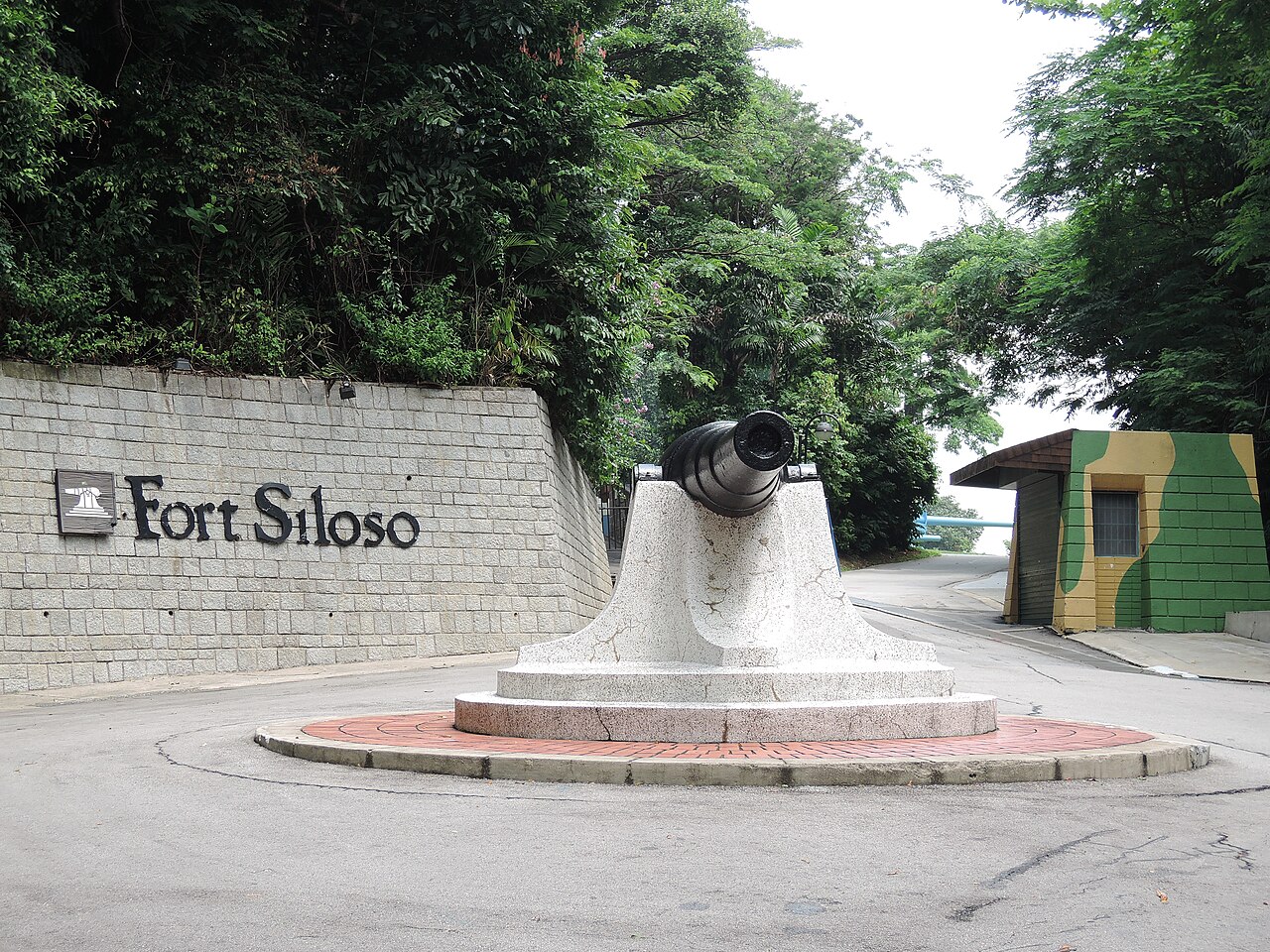
Fort Siloso is a prominent 19th-century bastioned fortress located on Sentosa Island, Singapore. It is the only preserved coastal artillery battery of the original twelve that formed part of "Fortress Singapore", a network of defenses constructed to protect the strategic port city during the British colonial period. Built primarily to defend against naval attacks, Fort Siloso played a significant role during the Battle of Singapore in World War II. Historical background and strategic importance The construction of Fort Siloso began in the late 19th century, as part of the British Empire's efforts to fortify Singapore, a key trading hub and naval base in Southeast Asia. The fort was designed to guard the western entrance to Singapore's harbor, providing artillery coverage against enemy warships attempting to enter the harbor from the Malacca Strait. Fort Siloso was equipped with coastal artillery guns mounted on bastions and gun emplacements, making it a classic example of a bastioned fortress adapted to modern artillery warfare of the time. Sentosa Island, formerly known as Pulau Blakang Mati, was selected for its strategic vantage point, allowing Fort Siloso to oversee and control maritime access. The fort was part of a larger defensive system that included other batteries and fortifications around Singapore, collectively known as Fortress Singapore. Architectural features and military design Fort Siloso's design reflects the military engineering principles of the 19th century, emphasizing strong defensive walls, bastions for mounting artillery, and underground magazines for ammunition storage. The fortress features a series of gun emplacements arranged to provide overlapping fields of fire, maximizing coverage of the sea approaches. The walls and structures were constructed using reinforced concrete and brick, materials chosen for their durability and resistance to bombardment. The fort also includes observation posts and command centers that coordinated the firing of the guns. These facilities were connected by a network of underground tunnels, allowing safe movement of personnel and supplies during combat. The layout allowed defenders to withstand prolonged attacks and maintain control of the surrounding waters. Role in World War II and the Battle of Singapore During World War II, Fort Siloso was a critical component of Singapore's coastal defense system. It saw action during the Battle of Singapore in early 1942, when Japanese forces launched a major assault to capture the island. Although the fort's artillery was primarily designed to counter naval threats, it was pressed into service against advancing ground forces as well. Despite the fortifications and determined defense, Singapore fell to the Japanese in February 1942. Fort Siloso was subsequently occupied by Japanese forces and used as a military installation throughout the occupation period. The fort's role during the war exemplifies the challenges faced by fixed coastal defenses in the face of modern combined arms warfare. Post-war history and preservation After World War II, Fort Siloso was decommissioned as a military facility, reflecting changes in defense technology and strategy. In the decades that followed, the site was preserved as a historical monument and converted into a military museum open to the public. The museum displays a collection of artifacts, photographs, and exhibits detailing the fort's history and Singapore's wartime experiences. A notable feature of the museum is the Surrender Chambers, which reopened in June 2017 with a refreshed exhibition. This exhibit focuses on the events surrounding the British surrender of Singapore to Japanese forces, providing visitors with immersive and educational insights into this pivotal moment in history. Admission to the museum is free, encouraging educational tourism and public engagement with Singapore's heritage. Visitor experience and educational value Today, Fort Siloso offers visitors a chance to explore preserved bastioned walls, gun emplacements, and underground tunnels. The site provides interpretive signage and guided tours that explain the fort's construction, military function, and historical context. Visitors can gain a deeper understanding of coastal defense strategies and the impact of World War II on Singapore. The museum's location on Sentosa Island also allows visitors to enjoy the natural surroundings and other attractions, making Fort Siloso a significant cultural and historical destination. The preservation of this modern period fortress offers valuable insights into the evolution of military architecture and the geopolitical history of Southeast Asia.

Modern (19th–20th c.)
Details
290.6 km
Dutch Fort — Malaysia castle

Dutch Fort

, Malaysia

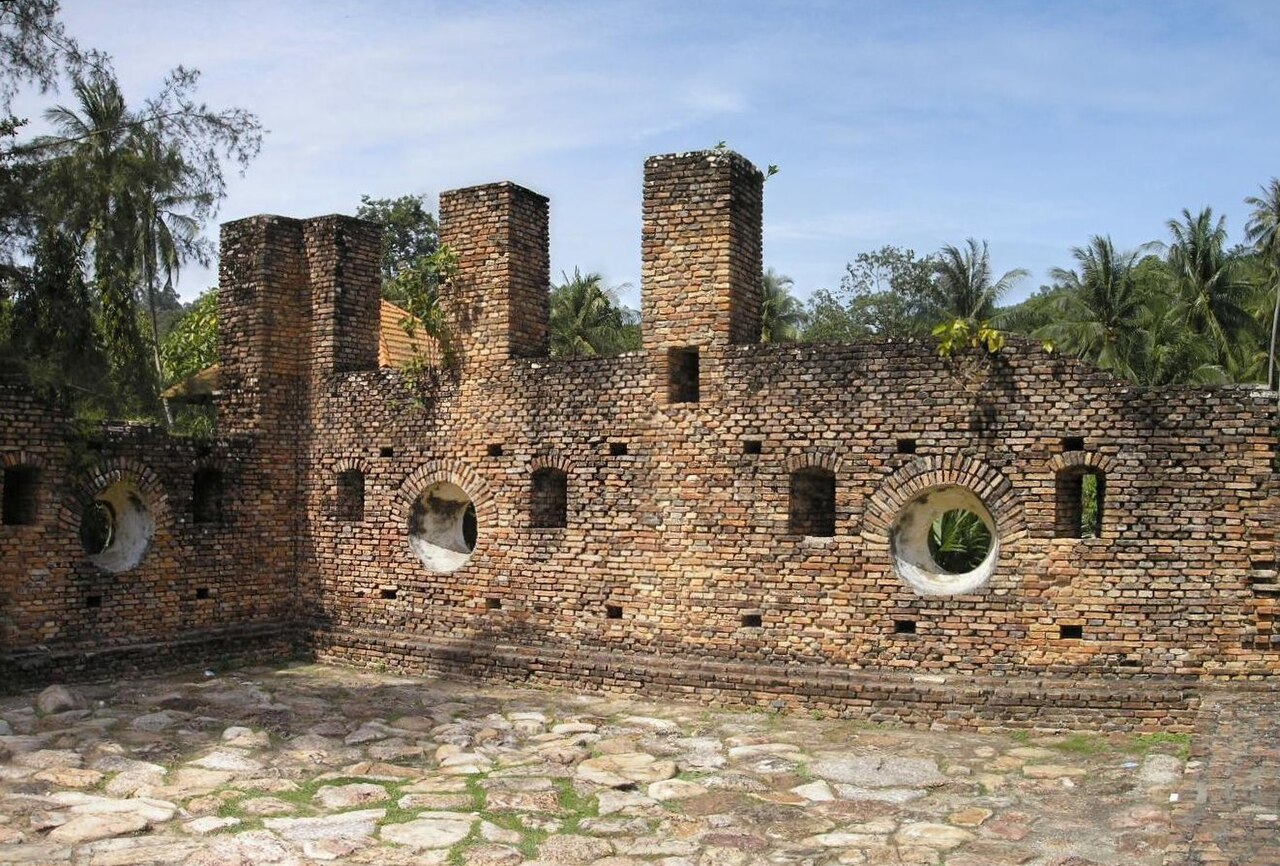
Dutch Fort, locally known as Kota Belanda, is a historic fortification situated on Pangkor Island in the Manjung District of Perak, Malaysia. This fort represents a significant chapter in the colonial history of the Malay Peninsula, serving as a strategic outpost for the Dutch East India Company during the 17th century. The fort was originally constructed in 1670 to secure and protect the valuable tin supplies obtained from the Sultanate of Perak, reflecting the intense competition among European powers for control over Southeast Asian trade routes and resources. Historical context and construction The Dutch Fort was named Fort Dindingh by the Dutch, after the nearby Dinding River on the Perak mainland. The fort's location on Pangkor Island was strategically chosen for its proximity to the tin-rich regions and its accessibility by sea. The original structure was built primarily for storage and defense purposes, allowing the Dutch to maintain a foothold in the region's lucrative tin trade. The fort's initial construction was characterized by robust brick walls designed to withstand attacks and protect the valuable mineral stockpiles. However, tensions with the local Malay population escalated due to the Dutch's aggressive methods of resource extraction. This unrest culminated in the fort's destruction in 1690 by Malay forces dissatisfied with Dutch control and exploitation. Rebuilding and decline Recognizing the fort's importance, the Dutch undertook a reconstruction effort in 1743. The rebuilt fort maintained its defensive purpose, and a garrison of approximately 60 soldiers was stationed there to guard the premises. This military presence lasted until 1748, when the Dutch abandoned the fort and disbanded the troops, marking the beginning of the fort's decline as a colonial stronghold. Architectural features and layout The remains of the Dutch Fort today consist primarily of three brick walls arranged to form a defensive enclosure. These walls feature round windows at regular intervals, which would have served as gun ports or observation points. The fort's position a short distance from the ocean allowed it to monitor maritime activity and protect the trading interests of the Dutch in the region. Although much of the fort lies in ruins, the surviving walls provide insight into the 17th-century military architecture employed by European colonial powers in Southeast Asia. The design reflects a practical approach focused on defense and functionality rather than ornate embellishments. Preservation and modern significance In 1973, the fort was reconstructed by Malaysia's museum department, which undertook efforts to stabilize and preserve the site. Subsequently, it was officially gazetted as an ancient monument and historical site under the Antiquities Act 1976 No. 242 Perak Gazette on 21 March 1978. This designation protects the site from vandalism and unauthorized alterations, with legal penalties including fines and imprisonment for offenders. Today, the Dutch Fort serves as a cultural and historical attraction for visitors to Pangkor Island. The surrounding area has been developed to include a small park and souvenir shops, enhancing the visitor experience while maintaining the site's historical integrity. The fort stands as a tangible reminder of the colonial struggles for control over the Malay Peninsula's resources and trade routes. Visiting the dutch fort The fort is accessible to the public and offers a glimpse into the colonial past of Malaysia. Visitors can explore the ruins, observe the surviving architectural elements, and learn about the fort's role in the region's history. Its location near the ocean provides scenic views and contextualizes the strategic importance of the site during the 17th and 18th centuries.

Renaissance (15th–17th c.)
Details
347.2 km
Fort van der Capellen — Indonesia castle

Fort van der Capellen

Batusangkar, Indonesia

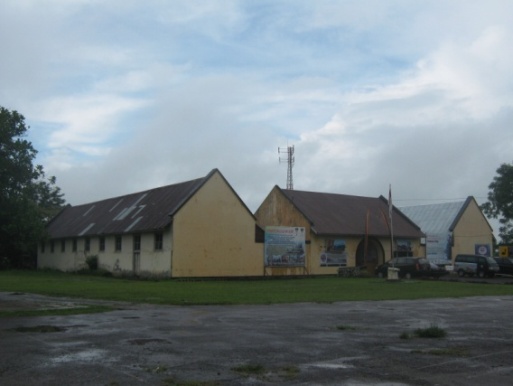
Fort van der Capellen is a notable 19th-century Dutch bastioned fortress located in Batusangkar, West Sumatra, Indonesia. Constructed during the period of Dutch colonial expansion in the Indonesian archipelago, the fort served as a strategic military installation and administrative center. It was named after Godert van der Capellen, the Governor-General of the Dutch East Indies from 1816 to 1826, who played a significant role in consolidating Dutch control over the region. Historical context and significance The fort was established in the early 19th century as part of the Dutch efforts to strengthen their presence in West Sumatra, a region known for its resistance against colonial rule. Batusangkar, the town where the fort is situated, developed considerably around the fortress, growing into an important administrative and commercial center. The construction of Fort van der Capellen marked a turning point in the Dutch military strategy in Sumatra, emphasizing fortified positions to control local populations and secure trade routes. Architectural features and design Fort van der Capellen exemplifies the bastioned fortress style, characterized by angular bastions designed to provide overlapping fields of fire and eliminate blind spots. This design was typical of European military architecture in the 17th to 19th centuries, adapted by the Dutch to the tropical environment of Indonesia. The fort's walls are constructed from local stone and brick, forming a roughly square or polygonal layout with bastions at the corners. The bastions allowed defenders to cover the curtain walls with cannon and musket fire effectively. The fort likely included typical components such as a central courtyard, armories, barracks, and storehouses for ammunition and supplies. The layout would have facilitated both defense and the daily functions of a military garrison. Adaptations to the tropical climate Given its location in West Sumatra, the fort's construction incorporated adaptations to the humid tropical climate. These may have included elevated floors, wide eaves, and ventilation features to reduce heat and moisture inside the buildings. Such adaptations were common in Dutch colonial military architecture to improve the comfort and health of the garrison. The role of Fort van der Capellen in regional history Throughout the 19th century, Fort van der Capellen played a key role in the Dutch colonial administration's efforts to maintain order and suppress local uprisings. The fort served as a base for military expeditions and a symbol of Dutch authority. Its presence helped facilitate the expansion of colonial governance and the integration of West Sumatra into the Dutch East Indies. After Indonesia's independence in the mid-20th century, the fort's military significance declined. However, it remains an important cultural and historical landmark in Batusangkar, reflecting the complex colonial history of the region. Preservation and current status Today, Fort van der Capellen is recognized as a heritage site, though its condition varies. The fort is partially preserved, with some original structures still intact while others have suffered from neglect or modifications over time. Efforts to maintain and restore the fort contribute to preserving the architectural and historical legacy of Dutch colonial military architecture in Indonesia. The site attracts visitors interested in colonial history, military architecture, and the cultural heritage of West Sumatra. It also serves as a reminder of the historical interactions between European colonial powers and local Indonesian societies.

Post-Renaissance (17th–18th c.)
Details