
Finland
Castle heritage and historical fortifications in Finland
Finland’s castle heritage offers a unique window into the nation’s turbulent past, shaped by its position between Sweden and Russia. Unlike many European countries with numerous medieval stone castles, Finland’s fortifications reflect its frontier status and evolving military needs across centuries. The country’s castle history intertwines with the broader story of Scandinavian and Eastern European geopolitics, revealing a landscape marked by wooden strongholds, stone castles, and later bastion fortresses.
The survival of these fortifications varies widely, with some castles preserved as cultural landmarks and others reduced to ruins. Together, they illustrate Finland’s adaptation to changing warfare tactics and architectural influences, from medieval times through the early modern period. Exploring these castles and fortresses provides insight into Finland’s historical defense strategies and architectural heritage.
Continue reading below — scroll for the full article.
Castles in Finland
Discover 3 magnificent castles across the country



Historical background and medieval period
During the medieval period, Finland was largely under Swedish control, which significantly influenced the development of its fortifications. The earliest castles were primarily built in the 13th and 14th centuries as part of Sweden’s efforts to consolidate power and defend its eastern borders. These castles often served as administrative centers and military outposts to secure trade routes and regional control.
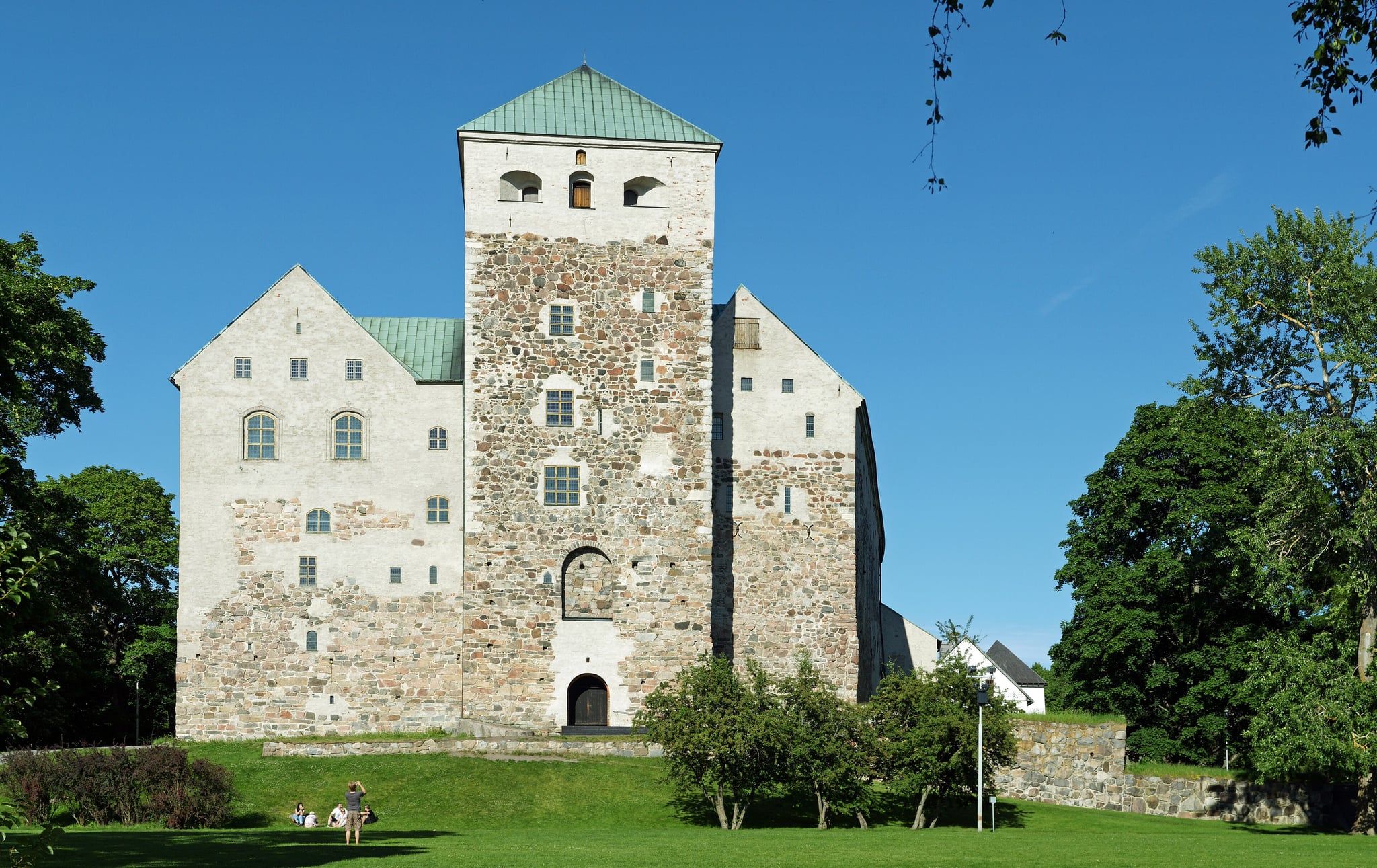
The medieval period saw the construction of several key fortifications, including the well-known Turku Castle. Founded in the late 13th century, Turku Castle functioned as a major military stronghold and administrative hub for the Swedish crown. Its strategic location on the southwestern coast facilitated control over maritime access and inland trade routes. The castle’s role evolved through centuries, reflecting shifts in political power and military technology.
Another significant medieval fortification is the Olavinlinna Castle, built in the 15th century. Situated in Savonlinna, Olavinlinna was designed to protect the eastern frontier against Russian advances. Its imposing stone walls and rounded towers exemplify medieval military architecture adapted for Finland’s challenging terrain and climate. Olavinlinna remains one of the best-preserved medieval castles in Finland.
Types of fortifications in Finland
Finland’s fortifications encompass a range of structures tailored to specific military and administrative needs. These include:
- Medieval stone castles: Primarily built by Swedish rulers, these castles served as military bases, residences for nobility, and administrative centers. Examples include Turku Castle and Olavinlinna.
- Wooden strongholds and hillforts: Before widespread stone construction, wooden fortifications and earthen ramparts were common, especially in inland areas. These early fortifications often protected local communities and trade routes.
- Bastion fortresses: From the 17th century onwards, the introduction of gunpowder warfare prompted the construction of star-shaped bastion fortresses, such as the Suomenlinna sea fortress near Helsinki. These were designed to resist artillery attacks and control strategic waterways.
- Defensive walls and ramparts: Many castles and fortresses were complemented by walls and earthworks to enhance their defensive capabilities. Some towns, like the medieval city of Vyborg (now in Russia), featured extensive fortifications reflecting their importance as border strongholds.
The Suomenlinna sea fortress
Constructed in the mid-18th century, Suomenlinna stands out as an exceptional example of bastion fortress architecture in Finland. Commissioned by Sweden to defend against Russian expansion, this sea fortress comprises multiple interconnected islands fortified with ramparts, bastions, and tunnels. It later played a critical role during Russian rule and remains a UNESCO World Heritage site, symbolizing Finland’s layered military heritage.
Architectural styles and influences
The architecture of Finnish castles and fortifications reflects a blend of Scandinavian, Russian, and broader European influences. Early stone castles such as Turku and Olavinlinna exhibit typical medieval Gothic features, including thick stone walls, tall towers, and narrow windows designed for defense. The use of local granite and other stones gave these castles a distinctive appearance suited to the Finnish environment.
In the Renaissance and early modern period, the introduction of artillery reshaped fortress architecture. The star-shaped bastion design of Suomenlinna illustrates the adoption of contemporary European military engineering principles, emphasizing angled walls and layered defenses to counter cannon fire.
Wooden fortifications and hillforts, more common in earlier periods, reflect vernacular construction techniques adapted to Finland’s forested landscape. These often combined natural terrain features with man-made earthworks, creating defensible positions without extensive stonework.
Regional variations in castle heritage
Finland’s castle heritage displays notable regional variations, shaped by geography and historical circumstances. The southwest coast, especially around Turku, features some of the oldest and most elaborate stone castles due to its role as a political and economic center during Swedish rule. Turku Castle exemplifies this concentration of medieval architecture.
In eastern Finland, near the Russian border, fortifications like Olavinlinna were built later and with a stronger military focus, reflecting ongoing border conflicts. These castles emphasize defensive strength and strategic positioning along waterways.
The archipelago and coastal regions show a distinct emphasis on maritime fortifications. Suomenlinna’s sea fortress complex is a prime example, designed to protect Helsinki and control access to the Baltic Sea. This coastal defense system illustrates how geography dictated the form and function of fortifications.
Notable periods of castle construction
The history of castle construction in Finland can be divided into several key periods:
- 13th–15th centuries: The medieval era saw the establishment of stone castles by Swedish authorities, including Turku Castle and Olavinlinna. These were primarily built for territorial consolidation and defense.
- 16th–17th centuries: This period involved the modernization of fortresses, adapting to gunpowder weaponry. Construction of bastion fortifications began, although large-scale building was limited due to political instability and warfare.
- 18th century: The Swedish-Russian conflicts prompted the construction of complex bastion fortresses like Suomenlinna, reflecting advances in military engineering and the strategic importance of maritime defense.
- 19th century and beyond: Fortifications were further modernized under Russian rule, but many medieval castles declined in military importance and were repurposed or preserved as historical monuments.
Preservation and current state of Finnish castles
Many of Finland’s castles have been well preserved, restored, or maintained as cultural heritage sites. Turku Castle, for instance, is a major tourist attraction and museum, showcasing medieval architecture and history. It has undergone extensive restorations to stabilize and present its historic structures to the public.
Olavinlinna Castle remains largely intact and is renowned for its robust medieval stone construction. It is still used as a venue for cultural events, including the famous Savonlinna Opera Festival, linking historical heritage with contemporary use.
Suomenlinna’s preservation as a living fortress community and historical site exemplifies successful heritage management. Its designation as a UNESCO World Heritage site has helped secure funding and attention for ongoing conservation efforts.
Conversely, many smaller or wooden fortifications have not survived or exist only as archaeological sites. Efforts to document and protect these remnants continue, emphasizing their value in understanding Finland’s early defensive history.
Castle tourism and accessibility in Finland
Finland’s castles and fortresses attract visitors interested in history, architecture, and cultural heritage. Turku Castle is easily accessible and offers guided tours, exhibitions, and educational programs. Its location near Turku city center makes it a convenient destination for tourists.
Olavinlinna Castle, accessible by boat in the summer months, provides a unique experience combining medieval architecture with natural beauty. The castle’s use as an event venue enhances its appeal and accessibility.
Suomenlinna is reachable by ferry from Helsinki and features walking trails, museums, and cafes within the fortress complex. Its accessibility and well-developed visitor facilities make it one of Finland’s most popular heritage sites.
Other fortifications may require more specialized visits, often organized through local heritage organizations or guided tours, highlighting the diversity of Finland’s castle tourism offerings.
Cultural significance and heritage
Castles and fortifications in Finland hold deep cultural significance as symbols of the nation’s resilience and historical identity. They represent Finland’s strategic role in Scandinavian and Baltic history, reflecting centuries of military conflict and political change.
These structures also serve as focal points for cultural events, education, and national pride. The preservation of sites like Turku Castle and Olavinlinna fosters public engagement with history and promotes awareness of Finland’s architectural heritage.
Moreover, the castles connect Finns to their medieval and early modern past, offering tangible links to stories of defense, governance, and everyday life. Their continued use in festivals, museums, and tourism underscores their enduring place in Finland’s cultural landscape.
Castle Locations in Finland
Explore all castle locations on an interactive map
Loading castle locations...