
Bahamas
Historical background and colonial fortifications in the Bahamas
The Bahamas, an archipelago of over 700 islands and cays in the Atlantic Ocean, is renowned primarily for its pristine beaches and vibrant marine life. However, its historical fortifications also offer a fascinating glimpse into the strategic importance of the islands throughout colonial times. Unlike many European countries with medieval castles, the Bahamas’ fortifications are largely a product of the colonial era, reflecting the geopolitical struggles between European powers in the Caribbean.
During the 17th and 18th centuries, the Bahamas served as a critical naval base and haven for privateers and pirates. European powers, particularly the British and Spanish, recognized the islands' strategic location near vital shipping lanes. As a result, several forts and defensive structures were constructed to protect settlements, trade routes, and the islands themselves from rival nations and pirate incursions.
The architectural heritage of these fortifications provides insight into the military priorities of the time and the adaptation of European defensive designs to the tropical environment of the Caribbean. Though the Bahamas does not boast medieval castles in the traditional sense, its colonial forts remain vital markers of its complex history of conflict and defense.
Continue reading below — scroll for the full article.
Types of fortifications in the Bahamas
The fortifications across the Bahamas primarily consist of forts, gun batteries, and defensive walls built to protect key harbors and settlements. Unlike medieval castles characterized by towering keeps and moats, Bahamian defensive architecture focuses on coastal defense and artillery placement.
Forts and batteries
Forts were typically constructed on elevated coastal locations to maximize visibility of approaching ships and provide optimal firing angles for cannons. These structures often include thick masonry walls, bastions, and artillery platforms. For example, Fort Charlotte on New Providence Island exemplifies such a design, featuring robust stone walls and strategically placed gun emplacements overlooking Nassau Harbour.
Gun batteries, smaller than full forts, were positioned to cover narrow channels or harbor entrances. These installations were crucial for deterring enemy ships and preventing unauthorized naval access. The remnants of such batteries can be found scattered around the islands, though many have succumbed to the elements or urban development.
Defensive walls and lookout posts
In addition to forts, some settlements incorporated defensive walls and lookout towers to monitor inland approaches and signal potential threats. While not as extensive as European medieval city walls, these structures provided a first line of defense against raids or land-based attacks.
Architectural styles and influences
The architecture of Bahamian fortifications reflects a blend of European military design adapted to the Caribbean context. British colonial influence is predominant, given the long period of British control over the islands. This influence is evident in the use of thick coral limestone walls, bastioned forts, and artillery embrasures designed to withstand cannon fire.
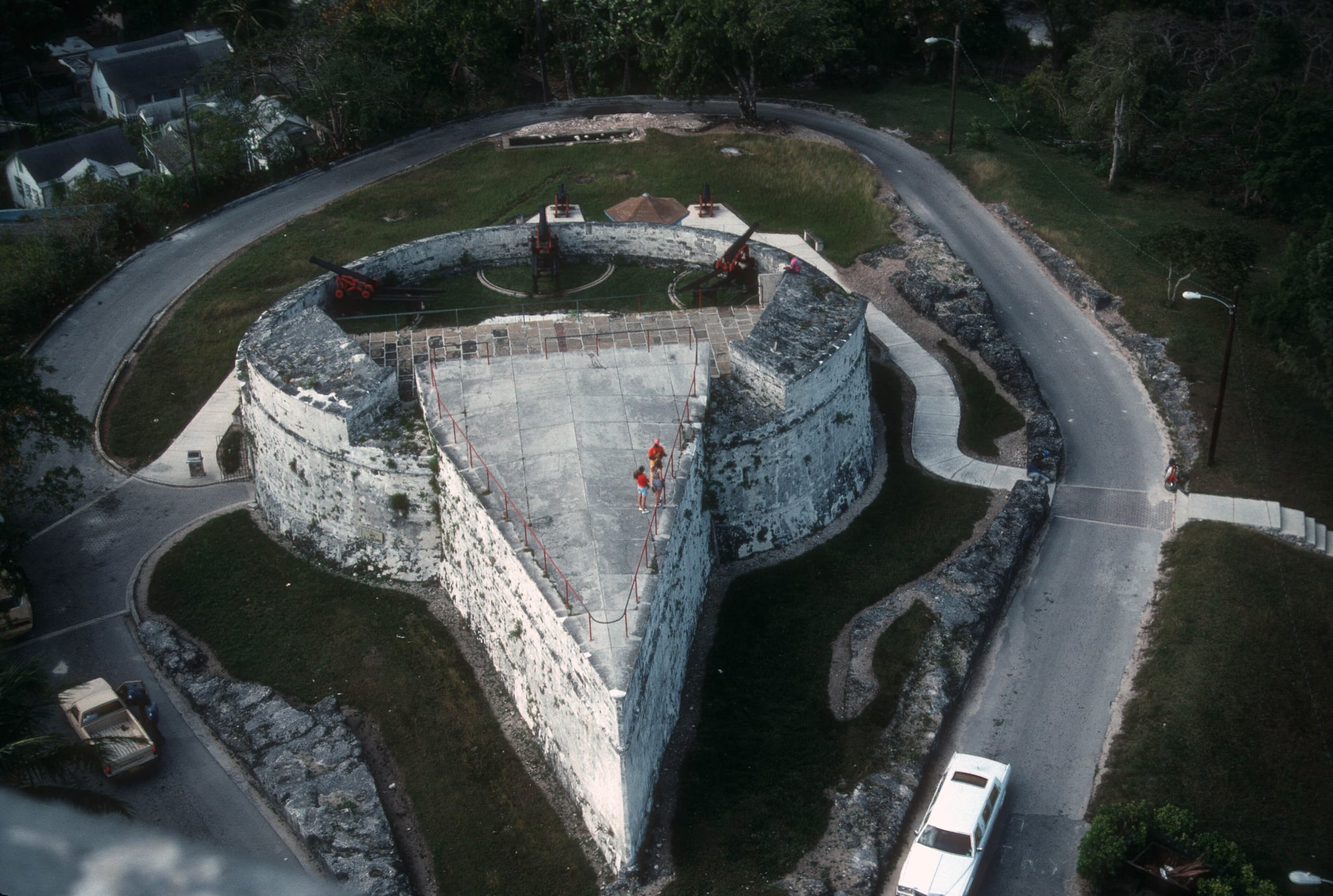
The design of Fort Fincastle, built in the late 18th century, showcases a classic British colonial style with a hexagonal shape and elevated position overlooking Nassau. Its construction illustrates the adaptation of European fortification principles to the island’s topography and tropical climate, including features for ventilation and protection against moisture damage.
Spanish and French fortification styles had less direct impact but influenced the general military architecture in the region. The necessity to defend against piracy and rival colonial powers led to the incorporation of pragmatic design elements, such as low-profile walls to reduce visibility and thick masonry to absorb cannon impact.
Notable periods of castle and fort construction
Most of the Bahamas’ significant fortifications date from the late 17th century through the early 19th century. This period coincides with heightened colonial rivalry in the Caribbean and the need to secure naval dominance and trade routes.
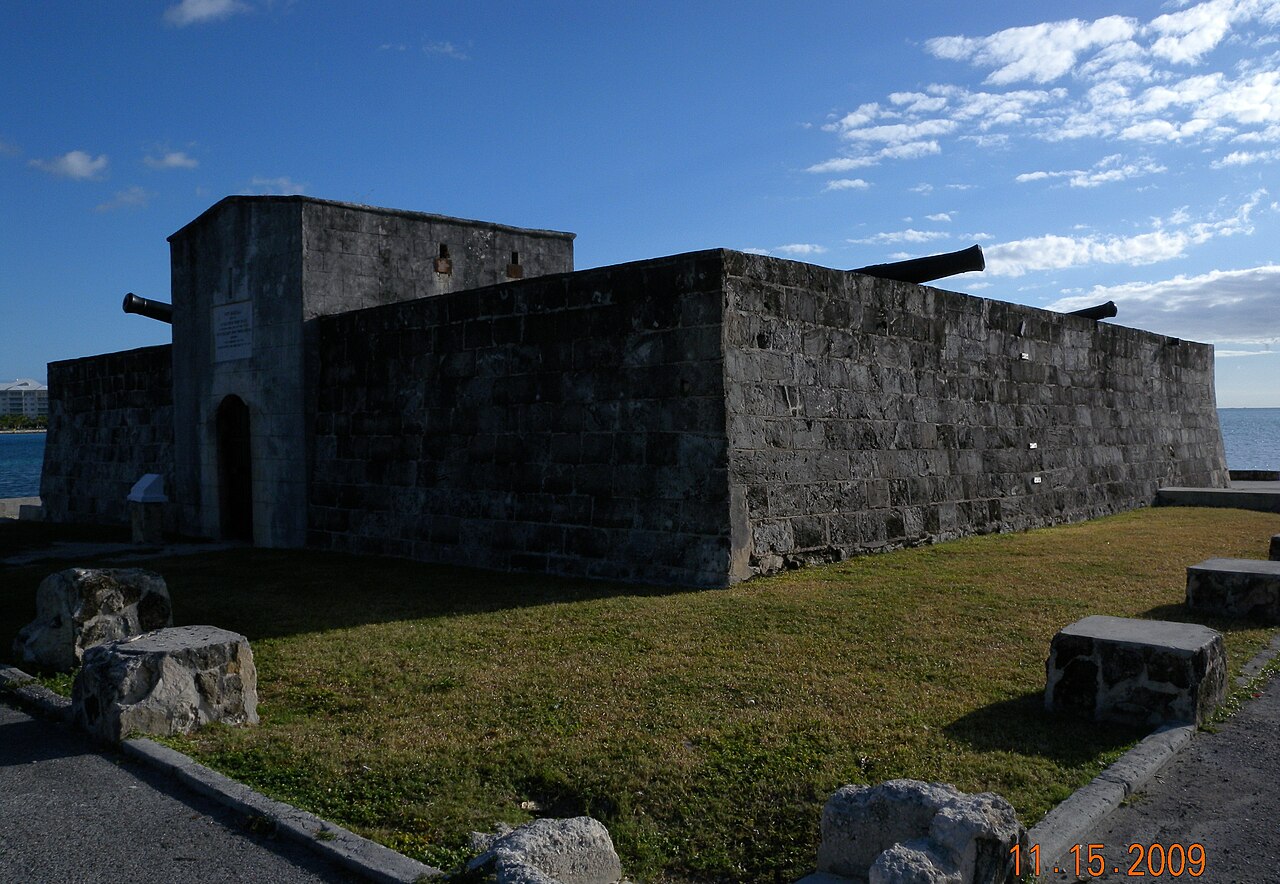
The late 1700s, in particular, saw increased fortification efforts under British colonial administration. The construction of Fort Montagu in Nassau during this time was part of a broader strategy to strengthen the island’s defenses following threats from Spanish forces and privateers.
After the American Revolution, the British further fortified the islands to prevent American privateers from using the Bahamas as a base. These efforts contributed to the expansion and improvement of existing forts and the establishment of new defensive positions.
Preservation and current state of Bahamian fortifications
Today, many of the Bahamas’ colonial fortifications are preserved as historical landmarks and tourist attractions. Fort Charlotte and Fort Fincastle remain among the best-preserved structures, offering visitors a direct connection to the islands’ colonial past.
Preservation efforts involve maintaining the structural integrity of these forts and providing educational information about their historical context. However, exposure to tropical weather, hurricanes, and urban development poses ongoing challenges to conservation.
Some smaller or less accessible fortifications have fallen into ruin, with only foundations or partial walls visible. Nonetheless, government and heritage organizations continue to prioritize the protection of these sites, recognizing their cultural and historical value.
Castle tourism and accessibility in the Bahamas
Fortifications such as Fort Charlotte and Fort Fincastle are prominent stops on cultural and historical tours in Nassau. Their accessibility and relatively intact condition make them popular destinations for tourists interested in the colonial history of the Bahamas.
Guided tours often include detailed explanations of the forts’ construction, military significance, and role in the defense of the islands. Additionally, these sites provide panoramic views of the surrounding harbors and cityscapes, enhancing their appeal.
While not castles in the medieval European sense, these fortifications offer a unique form of heritage tourism that highlights the Bahamas’ strategic maritime history. Efforts to improve visitor facilities and interpretative materials continue to enhance the educational experience.
Cultural significance and heritage of Bahamian fortifications
The fortifications of the Bahamas hold deep cultural significance as symbols of the islands’ colonial past and resilience. They reflect the complex interplay of European powers, piracy, and indigenous history that shaped the region.
These structures also serve as reminders of the strategic importance of the Bahamas in global maritime history. Their preservation and interpretation contribute to a broader understanding of Caribbean heritage and the legacy of colonial military architecture.
Moreover, the forts have become emblematic landmarks within Bahamian communities, fostering local pride and identity. They are frequently featured in cultural events, educational programs, and national heritage initiatives, reinforcing their role as vital links between the past and present.
Castles in Bahamas
Discover 2 magnificent castles across the country
Castle Locations in Bahamas
Explore all castle locations on an interactive map
Loading castle locations...