Fort Fincastle
Fort Fincastle stands as a prominent historical fortification in Nassau, the capital city of The Bahamas, located on New Providence Island. Constructed in 1793 under the direction of Lord Dunmore, the fort was designed primarily to protect Nassau from pirate attacks and potential naval threats during a turbulent period in Caribbean history. Its strategic position atop Society and Bennet's Hills offers commanding views over Nassau, the Queen’s Staircase, Paradise Island, and the eastern approaches to New Providence, making it a significant military installation of its time.
Historical context and construction
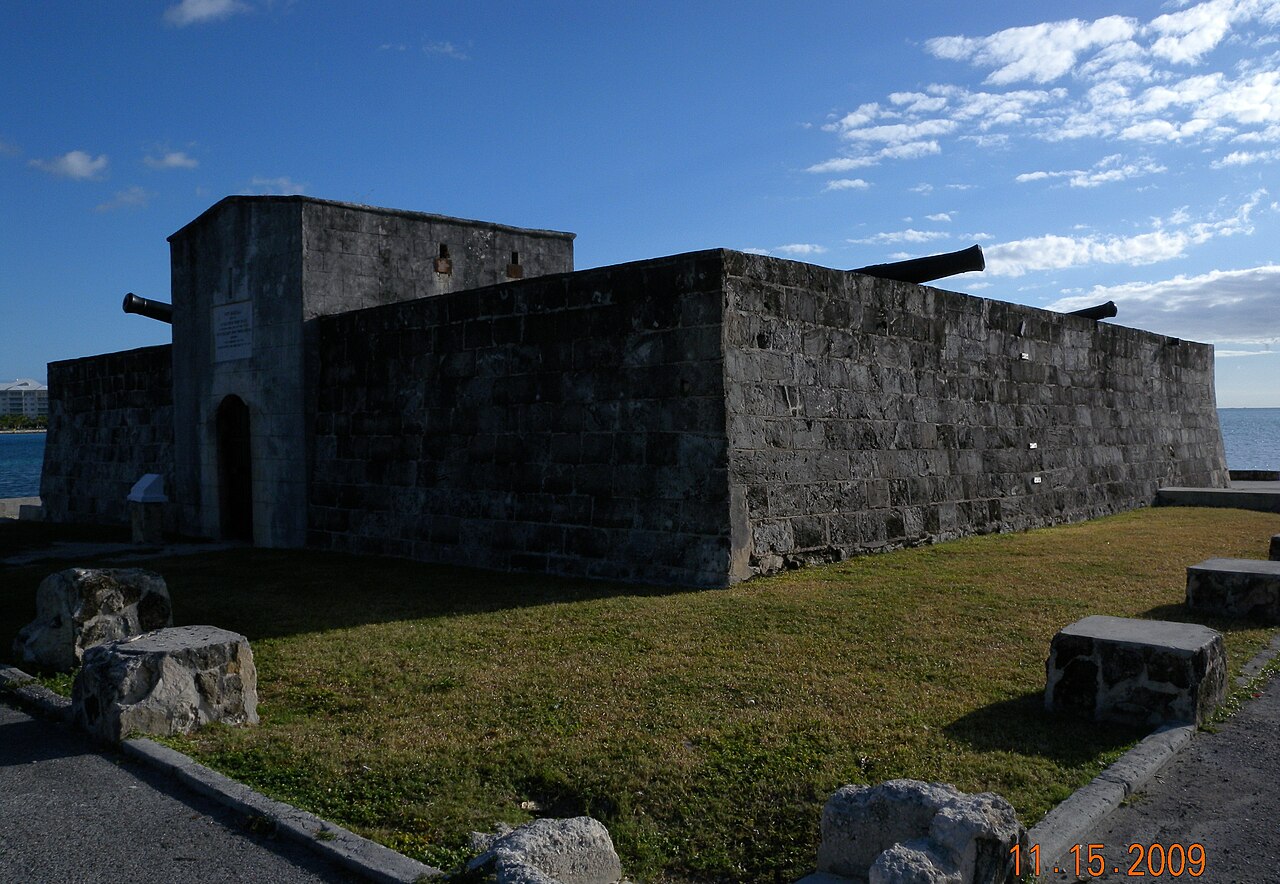
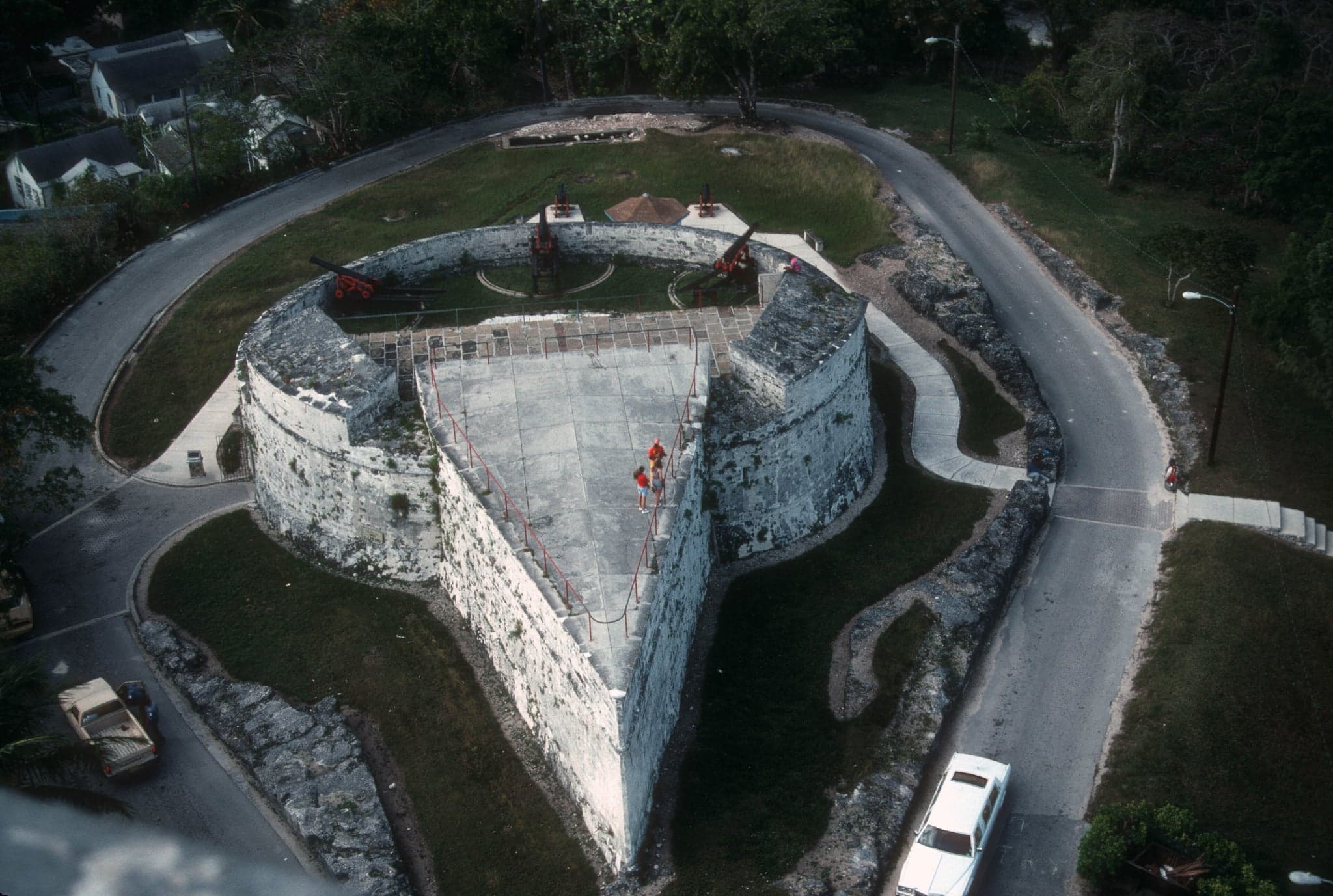
The late 18th century was marked by frequent piracy and colonial rivalries in the Caribbean. To safeguard Nassau, which was a vital port and commercial hub, Lord Dunmore, then governor of the Bahamas, commissioned the construction of Fort Fincastle. The fort's name honors Lord Dunmore's second noble title, Viscount Fincastle. Built primarily of limestone, the fort was completed in 1793 and designed in a unique shape resembling a paddle steamer, which is unusual among Caribbean fortifications.
Architectural features and armaments
Fort Fincastle’s distinctive paddle-steamer shape includes a narrow, elongated layout with rounded edges, which allowed for effective defense and broad fields of fire. The fort was equipped with a formidable array of artillery to defend Nassau’s harbor and surrounding waters. These included two 24-pounder cannons, two 32-pounders, two 12-pounder cannons, and one howitzer. The placement of these guns took full advantage of the fort's elevated position, enabling coverage of key maritime approaches and deterring hostile ships.
Design and materials
The fort’s construction utilized locally sourced limestone, a common building material in the Bahamas, which provided robust walls capable of withstanding cannon fire. The design also incorporated thick walls and bastions to maximize defense. Its elevated location on Society and Bennet's Hills was chosen to optimize surveillance and control over the surrounding landscape and sea routes.

Photo by BrokenSphere • CC BY-SA 3.0
Role as a lighthouse and signal station
Beyond its military function, Fort Fincastle served a critical role as a lighthouse. From its completion until September 1817, the fort's elevated position was used to guide ships safely into Nassau’s harbor. It was eventually replaced by a lighthouse on nearby Paradise Island, after which Fort Fincastle transitioned to serve as a signal station. This role involved communication with passing ships and other forts, further emphasizing its importance in maritime navigation and defense.
Tourism and cultural significance
Today, Fort Fincastle is a popular tourist attraction in Nassau, accessible primarily via the adjacent Queen’s Staircase, a historic staircase carved out of solid limestone by enslaved workers in the late 18th century. Visitors can explore the fort’s walls, cannons, and vantage points, which offer panoramic views of Nassau and the surrounding islands. The fort remains a symbol of Nassau’s colonial past and its strategic importance in Caribbean maritime history.
Visitor experience
Tourists often combine visits to Fort Fincastle with the Queen’s Staircase and other nearby heritage sites. The fort’s elevated position provides excellent photo opportunities and a tangible connection to the island’s defense history. Interpretive signage and guided tours help visitors understand the fort’s historical context, architectural features, and role in the protection of Nassau.
Frequently asked questions (FAQ)
- How do I get to Fort Fincastle in Nassau?
- Fort Fincastle is located on Society and Bennet's Hills and is commonly accessed on foot via the Queen’s Staircase in Nassau. The staircase provides a scenic and historical route to the fort.
- What is the historical significance of Fort Fincastle?
- Built in 1793 by Lord Dunmore, Fort Fincastle was constructed to protect Nassau from pirates and served as a lighthouse and signal station, playing a key role in the island's defense.
- Can I visit Fort Fincastle year-round?
- Yes, Fort Fincastle is open daily from 9:00 to 17:00 and does not charge an admission fee, making it accessible for visitors throughout the year.
- What architectural style is Fort Fincastle built in?
- While Fort Fincastle does not conform to a specific European architectural style, it features a unique paddle-steamer shape designed for strategic defense, constructed primarily from local limestone.
- Is Fort Fincastle suitable for families and children?
- Yes, the fort is family-friendly with open spaces to explore and educational signage. However, visitors should be prepared for some uneven terrain and stairs when accessing the site.
Photo gallery


Information
Opening hours
9:00-17:00 daily
Ticket prices
Free
Current owner
Government of The Bahamas
Loading map...
Visitor reviews
No reviews yet. Been here? Write the first review and help other travelers!
Write the first reviewVisited this castle? Share your experience
Your review helps other travelers and adds first-hand knowledge to our encyclopedia.