Zweibrücken Castle — Germany castle

Zweibrücken Castle

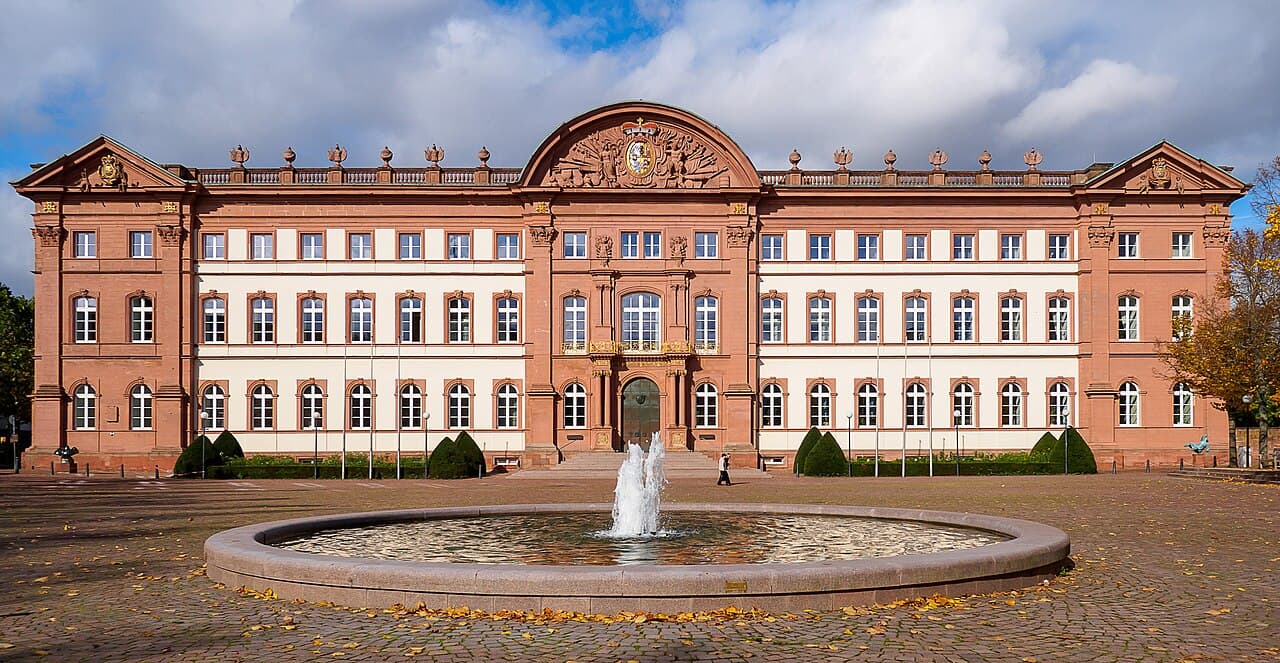
Zweibrücken Castle: baroque ducal palace and judicial seat in Germany
Zweibrücken, Germany
Post-Renaissance (17th–18th c.)
Restored

Zweibrücken Castle stands as the largest and one of the most impressive secular buildings in the Palatinate region of Germany. Originally constructed as a ducal residence, the castle today serves as the seat of the Palatine Higher Regional Court and the Zweibrücken law courts. Its history spans several centuries, reflecting architectural evolution, political upheaval, and cultural significance.

The origins and early development of Zweibrücken Castle

The site of Zweibrücken Castle was initially fortified in the 12th century by the Counts of Zweibrücken. Located on an important medieval trade route, the castle was strategically placed on the eastern side of an open triangular area that remains a defining feature of the town's layout. Throughout the 16th and 17th centuries, the ducal family undertook significant modernization and expansion efforts to reflect their rising status and the evolving architectural tastes of the time.

In 1585, a new palace was constructed on the northern side of the Schlossplatz, equipped with a water-mill and a library. However, the castle complex suffered extensive damage during the Franco-Dutch War (1672–1678), particularly in 1677, when both the old and newer buildings were badly damaged by military action.

Baroque reconstruction under Duke Gustav

In the early 18th century, Gustav, Duke of Zweibrücken, commissioned the construction of a new palace that would better reflect his rank and ambitions. Between 1720 and 1725, this new Baroque residence was erected on the northern side of the Schlossplatz. Due to the marshy nature of the site, extensive groundwork was necessary, involving the driving of numerous oak piles into the soil to ensure a solid foundation for the palace.

This Baroque palace was notable for its elegant design and grandeur, befitting a ducal residence. It underwent two cycles of destruction and rebuilding, with the current structure dating from its second reconstruction phase. The palace became a cultural hub during the reign of Christian IV, Duke of Zweibrücken (1735–1775), who hosted prominent artists such as the celebrated operatic composer Christoph Willibald von Gluck.

Historical events and transformations in the 18th and 19th centuries

The castle also played a role in the turbulent political landscape of the late 18th century. On 3 May 1793, during the War of the First Coalition, Zweibrücken was overrun and sacked by French troops, resulting in significant damage to the palace. Following this, in 1817, King Maximilian I of Bavaria (formerly Duke of Zweibrücken) transferred the ruined building to the town's Catholic community with instructions to convert it into a church.

The central section of the palace was separated from its wings and roofed with slate to serve as the Maximilianskirche, which was consecrated on 28 May 1820. A bell tower was later added, and the wings were repurposed: the east wing became a clergy residence, while the west wing served as a royal residence and later the seat of the Royal Court of Appeals of the Palatinate.

By 1867, the Maximilianskirche was deconsecrated, and the entire building was dedicated to judicial administration. The bell tower was removed, marking the end of the castle's ecclesiastical function.

Destruction and restoration in the 20th century

During the final stages of World War II, on 14 March 1945, Zweibrücken was heavily bombed by Allied forces. The castle was gutted, with only its outer walls left standing. Fortunately, a copy of the original architectural plans by Sundahl was discovered in Nancy, France, which enabled accurate reconstruction.

Between 1962 and 1964, the castle was rebuilt using authentic materials such as red sandstone from the northern Palatinate and yellow sandstone from Lorraine. The restoration faithfully followed the original Baroque design, and in 1965, the castle reopened as the seat of the Palatine Higher Regional Court and the Zweibrücken law courts, restoring its role as a center of regional governance and justice.

Architectural features and significance

Zweibrücken Castle exemplifies Baroque architecture with its balanced proportions, refined ornamentation, and stately presence. Its construction on a marshy site required innovative foundation techniques, including the use of oak piles to stabilize the structure. The palace's layout around the Schlossplatz integrates it into the urban fabric of Zweibrücken, emphasizing its prominence.

Throughout its history, the castle has served various functions—from ducal residence to church, and finally to a judicial building—reflecting the changing political and social landscape of the Palatinate. Its restoration after World War II preserved an important cultural landmark and architectural heritage site in the region.

Frequently asked questions (FAQ)

How do I get to Zweibrücken Castle?
Zweibrücken Castle is easily accessible by public transportation, with regular bus and train services connecting it to nearby cities. If you are driving, there is parking available near the castle, making it convenient for visitors traveling by car.
What is the historical significance of Zweibrücken Castle?
Zweibrücken Castle has a rich history dating back to the 16th century, serving as a residence for various noble families. It played a crucial role in the region's political and cultural development, and today, it stands as a testament to the architectural styles of its time.
When was Zweibrücken Castle built?
Construction of Zweibrücken Castle began in the early 16th century and was completed in the late 17th century. Over the years, the castle has undergone several renovations and restorations, preserving its historical charm and significance.
Can I visit the interior of Zweibrücken Castle?
Yes, visitors can explore the interior of Zweibrücken Castle during designated opening hours. Guided tours are available, providing insights into the castle's history and architectural features.
Why is Zweibrücken Castle considered an architectural gem?
Zweibrücken Castle showcases a blend of Renaissance and Baroque architectural styles, characterized by its ornate facades and intricate details. The castle's design reflects the grandeur of its era, making it a significant site for architecture enthusiasts.
Is it possible to host events at Zweibrücken Castle?
Yes, Zweibrücken Castle offers facilities for hosting various events, including weddings and corporate gatherings. The picturesque settings and historical ambiance make it a popular choice for memorable celebrations.
What are the opening hours of Zweibrücken Castle?
Zweibrücken Castle is typically open for visitors from Tuesday to Sunday, with specific hours varying by season. It is advisable to check the official website for the most current information on opening times before your visit.
What are the ticket prices for visiting Zweibrücken Castle?
Ticket prices for Zweibrücken Castle are generally affordable, with discounts available for students, seniors, and groups. Family tickets are also offered, making it a great value for visitors of all ages.
What is the best time to visit Zweibrücken Castle?
The best time to visit Zweibrücken Castle is during the spring and summer months when the weather is pleasant, and the gardens are in full bloom. Additionally, special events and festivals often take place during this time, enhancing the visitor experience.
Are there any nearby attractions to visit?
Yes, in addition to Zweibrücken Castle, there are several nearby attractions, including the beautiful gardens of the castle and the historic town center of Zweibrücken. Visitors can also explore local museums and parks, making it a perfect day trip destination.

Photo gallery

Zweibrücken Castle
Click to view

Photo by TeKaBe•CC BY-SA 4.0

1 photo • Click any image to view in full screen

Information

Hill Castle

Current owner

State administration

Loading map...

Visitor reviews

No reviews yet. Been here? Write the first review and help other travelers!

Write the first review

Visited this castle? Share your experience

Your review helps other travelers and adds first-hand knowledge to our encyclopedia.

Write a review

(5/5)

0/2000 characters

Your review will be visible after admin approval

Nearby castles

7.1 km

Merburg Castle

Kirrberg, Germany

Merburg Castle, located near the village of Kirrberg in the Saarland region of Germany, is a notable example of an early medieval fortress with a unique architectural footprint. Nestled in a forested area north of Kirrberg, the castle occupies a strategic position on a rocky outcrop known as 'Malafels' overlooking the Lambsbach stream valley. This location provided natural defensive advantages that were enhanced by man-made fortifications. Historical background and significance The origins of Merburg Castle are traditionally dated to the period between 1024 and 1080, placing its construction in the early medieval era, although documentary evidence about the castle and its occupants is scarce. The castle's lords, referred to as the Lords of Merburg, appear in historical records only between 1159 and 1180. Beyond this period, the castle's history fades into obscurity, with no subsequent owners clearly identified. By the early 13th century, Merburg Castle was apparently abandoned, possibly due to changing political or military circumstances, or the decline of its noble family. The site later served agricultural purposes, with a farm established on the grounds, last documented in 1479. By 1564, the castle was described explicitly as a ruin, marking its transition from a defensive stronghold to a historical relic. Architectural features and layout The castle's most distinctive architectural feature is its octagonal keep, which likely stood approximately 10 meters high. This octagonal design is relatively rare among medieval castles, indicating a sophisticated approach to fortification and possibly reflecting influences from contemporary castle-building trends in the region. The keep was situated atop the Malafels rock, providing commanding views of the surrounding valley and acting as a last line of defense. In front of the castle, a dry moat was ingeniously cut directly into the rock, enhancing the defensive perimeter by creating a formidable obstacle to attackers. Surrounding walls and other structural remains, though limited, suggest a compact castle complex adapted to the rocky terrain. The castle's small size and simple layout reflect its function as a local stronghold rather than a grand noble residence. Defensive design elements The use of natural rock formations combined with man-made fortifications exemplifies medieval military architecture's integration with the landscape. The rock-cut dry moat is a particularly notable feature, demonstrating the builders' efforts to maximize natural defenses. Current condition and visitor information Today, Merburg Castle exists as a small ruin that can be freely visited by the public. The site offers a peaceful, pastoral setting, allowing visitors to appreciate the castle's historical footprint amidst the natural beauty of the Saarland forest. The remaining ruins primarily consist of the octagonal tower base and fragments of defensive walls, providing a tangible connection to the region's medieval past. The castle's modest scale and serene environment make it a unique destination for those interested in early medieval fortifications and regional history. Merburg Castle in the context of Saarland's heritage As one of the oldest castles in Saarland, Merburg Castle holds cultural and historical significance. Its early medieval origins and distinctive octagonal tower contribute valuable insights into the architectural and feudal developments of the region during the 11th and 12th centuries. The castle's preservation as a ruin allows historians and visitors alike to study early medieval castle construction techniques and the strategic use of natural landscapes for defense. Despite its small size, Merburg Castle remains an important monument within Saarland's rich tapestry of historical sites.

Early Medieval (5th–10th c.)
Details
8.1 km

Hohenburg Castle Ruins

Homburg, Germany

Hohenburg Castle in Homburg, Germany, is a significant medieval fortress whose origins trace back to the 12th century. First documented in 1146, the castle was established by the Counts of Homburg, who lent their name to the town of Homburg at the castle's base. The town itself was granted official status in 1330 by Emperor Ludwig the Bavarian, marking an important milestone in the region's development.The castle's strategic location atop a rock plateau provided commanding views of the surrounding landscape, including the upstream plain and the historic Kaiserstrasse, named after Napoleon. The original medieval fortress was a classic example of a hill castle, designed primarily for defense and control over the region.Medieval origins and the counts of homburgThe Counts of Homburg ruled from this castle and played a pivotal role in the area's medieval history. The castle served as their residence and stronghold, reflecting the typical architectural style of the high medieval period. Its robust walls and defensive features were characteristic of the era, ensuring protection against rival lords and invaders.After the death of the last Count of Homburg in 1449, the castle and the town passed to the Counts of Nassau-Saarbrücken. This transition marked a new chapter in the castle's history, as the new owners sought to modernize and adapt the fortress to changing military and residential needs.Renaissance transformation under count johann ivIn the second half of the 16th century, Count Johann IV of Nassau-Saarbrücken undertook significant renovations, transforming the medieval fortress into a Renaissance palace. This conversion reflected broader architectural trends of the period, emphasizing comfort and aesthetics alongside defense. The castle was made more secure with updated fortifications while also serving as a prestigious noble residence.Vauban's fortress enhancements and subsequent destructionBetween 1680 and 1692, the castle and town were further fortified under the direction of the renowned French military engineer Vauban, commissioned by King Louis XIV. Vauban's work turned Hohenburg into a formidable fortress with complex defensive systems, including two gate systems integrated into the massive fortress walls.The fortress featured a market square enclosure and an intricate road system dating from this period, demonstrating advanced military urban planning. However, following the peace treaties of Rijswijk (1697) and Baden (1714), the fortress was deliberately dismantled to prevent its future military use.Architectural features and ruins todayThe ruins of Hohenburg Castle and its fortress remain impressive. Excavations since 1981 have uncovered and restored much of the site, allowing visitors to explore the remains of the castle walls, bastions, and other fortifications. The north bastion provides access to the rock plateau via a spiral staircase, offering panoramic views of the city and surrounding plains.Visitors can explore the caponier, leading to the first ravelin and onward to the glacis, now landscaped as a park. Below the ruins lie an extensive network of Europe's largest man-made mottled sandstone caves, spanning over twelve floors of corridors and domed halls, adding a mysterious subterranean dimension to the site.Cultural significance and visitor experienceHohenburg Castle is not only a site of historical and architectural interest but also a cultural landmark for Homburg and the wider Saarland region. The castle's layered history—from medieval fortress to Renaissance palace and Vauban fortress—reflects the complex political and military developments of southwestern Germany over several centuries.The site is accessible via well-marked walking trails, making it a popular destination for tourists and history enthusiasts. The combination of above-ground ruins and underground caves offers a unique experience, blending natural and man-made heritage elements.

High Medieval (11th–13th c.)
Details
9.7 km
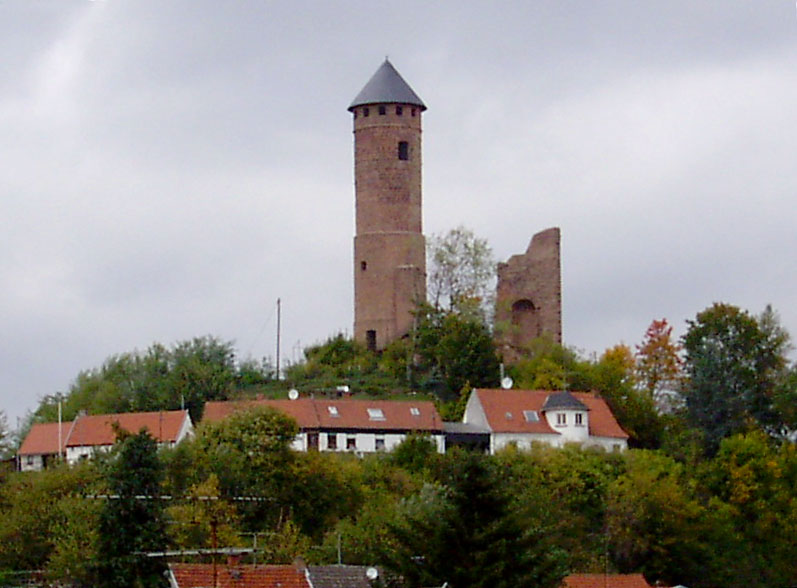
Kirkel Castle — Germany castle

Kirkel Castle

Kirkel-Neuhäusel, Germany

Kirkel Castle, locally known as Burg Kirkel, is a significant high medieval hill castle located in the village of Kirkel-Neuhäusel in the Saarland region of Germany. Perched on a prominent freestanding red sandstone rock, the castle's strategic position offered natural defense advantages and commanding views of the surrounding landscape. This location contributed to its historical importance as a fortified residence and military stronghold. The early history and medieval origins The first documented mention of Kirkel Castle dates back to 1075, placing its origins firmly in the high medieval period. Initially, the castle was held in fief by various noble families, including the Counts of Saarwerden and the Siersberg family, who controlled the fortress during the 12th and 13th centuries. The castle's early architecture likely featured typical medieval defensive elements such as curtain walls and small towers, which were added during the 13th century to enhance its fortifications. The Zweibrücken era and Renaissance transformation In 1410, ownership of Kirkel Castle passed exclusively to the Counts Palatine of Zweibrücken, who maintained control until the late 18th century. Under their stewardship, the castle underwent significant enlargement and strengthening, particularly during the second half of the 15th century. This period saw the addition of robust defensive structures designed to withstand emerging military threats. The most substantial reconstruction occurred between 1580 and 1596 under the direction of John I, Count Palatine of Zweibrücken. This extensive project transformed Kirkel Castle into a more modern fortress, incorporating Renaissance architectural elements while retaining its medieval character. The rebuilding enhanced both the defensive capabilities and residential comfort of the castle, reflecting the evolving needs of its noble occupants. Destruction and decline in the 17th century The 17th century was marked by a series of devastating conflicts that severely impacted Kirkel Castle. During the Thirty Years' War, in 1635, the castle suffered extensive damage from a fire. Although it was rebuilt afterward, the fortress faced further destruction during the Franco-Dutch War in 1677. Ultimately, the castle was destroyed for the third and final time in 1689 during the Nine Years' War. The repeated damage proved too great for restoration efforts, and Kirkel Castle was abandoned and left to fall into ruin. By the mid-18th century, specifically around 1740, the remains of the castle were used as a quarry by local inhabitants, further contributing to its deterioration. Architectural features and present condition Kirkel Castle was originally constructed as a hill castle on a distinctive red sandstone outcrop, which provided both a natural defensive advantage and a striking visual presence. Today, visitors can observe the partially preserved ruins that include the rebuilt round tower on the north side, which has been restored in the 20th century to serve as a lookout tower offering panoramic views of the surrounding countryside. The southern side of the castle features the remains of the former keep (donjon), a central fortified tower that was the heart of the medieval stronghold. Additionally, the foundations of an entrance building remain visible on the west side, providing insight into the castle's original layout and access points. Conservation and visitor experience In the 20th century, efforts were made to consolidate the ruins and preserve the remaining structures of Kirkel Castle. The restoration of the round tower as a lookout point has enhanced its appeal as a tourist destination. Today, the castle ruins are freely accessible to the public, offering a tranquil and evocative glimpse into medieval fortification architecture in a quiet village setting. Visitors to Kirkel Castle can explore the ruins at their leisure, enjoy the scenic views from the tower, and appreciate the historical significance of this high medieval fortress that witnessed centuries of European history, noble lineage, and military conflict. Historical significance and cultural heritage Kirkel Castle stands as a testament to the turbulent history of the Saarland region and the broader geopolitical struggles of medieval and early modern Europe. Its association with the Counts Palatine of Zweibrücken reflects the castle's role in the power dynamics of the Holy Roman Empire and the shifting alliances during the Renaissance and Baroque periods. The castle's repeated destruction during major European wars underscores the strategic importance of fortified sites in regional conflicts. Today, its ruins serve not only as a cultural monument but also as an educational resource, illustrating the evolution of castle architecture from the 12th to the 17th centuries.

High Medieval (11th–13th c.)
Details