Hohenburg Castle Ruins
Hohenburg Castle in Homburg, Germany, is a significant medieval fortress whose origins trace back to the 12th century. First documented in 1146, the castle was established by the Counts of Homburg, who lent their name to the town of Homburg at the castle's base. The town itself was granted official status in 1330 by Emperor Ludwig the Bavarian, marking an important milestone in the region's development.
The castle's strategic location atop a rock plateau provided commanding views of the surrounding landscape, including the upstream plain and the historic Kaiserstrasse, named after Napoleon. The original medieval fortress was a classic example of a hill castle, designed primarily for defense and control over the region.
Medieval origins and the counts of homburg
The Counts of Homburg ruled from this castle and played a pivotal role in the area's medieval history. The castle served as their residence and stronghold, reflecting the typical architectural style of the high medieval period. Its robust walls and defensive features were characteristic of the era, ensuring protection against rival lords and invaders.
After the death of the last Count of Homburg in 1449, the castle and the town passed to the Counts of Nassau-Saarbrücken. This transition marked a new chapter in the castle's history, as the new owners sought to modernize and adapt the fortress to changing military and residential needs.
Renaissance transformation under count johann iv
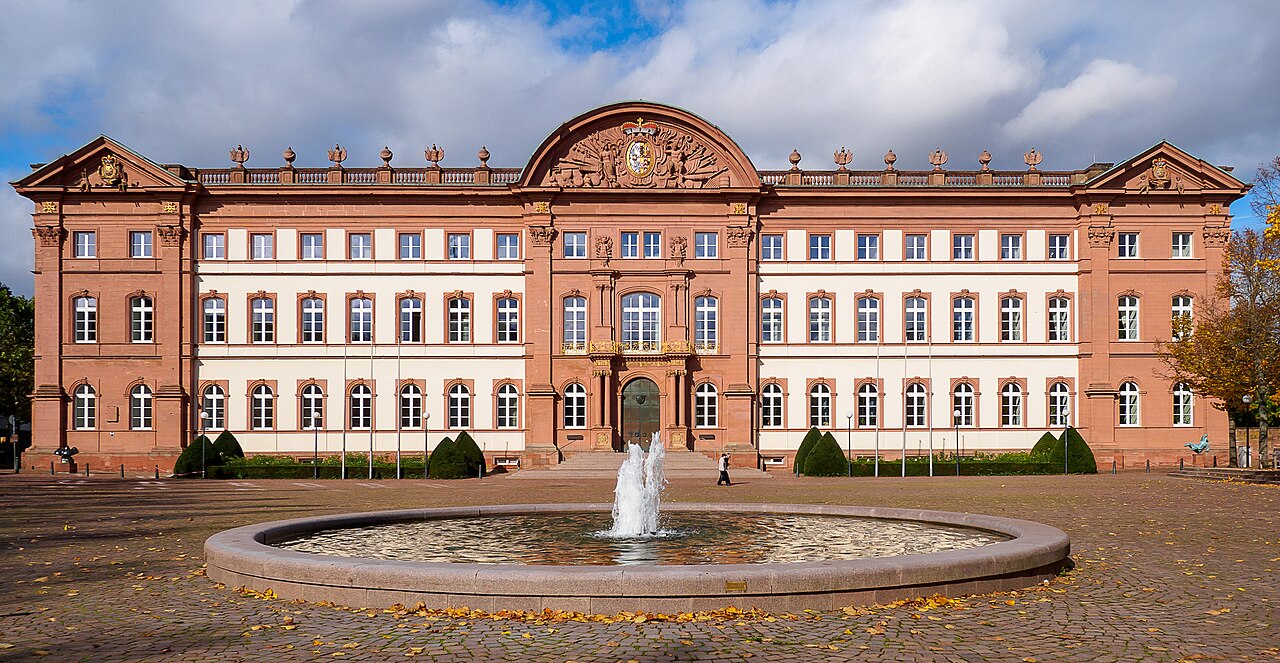
In the second half of the 16th century, Count Johann IV of Nassau-Saarbrücken undertook significant renovations, transforming the medieval fortress into a Renaissance palace. This conversion reflected broader architectural trends of the period, emphasizing comfort and aesthetics alongside defense. The castle was made more secure with updated fortifications while also serving as a prestigious noble residence.
Vauban's fortress enhancements and subsequent destruction
Between 1680 and 1692, the castle and town were further fortified under the direction of the renowned French military engineer Vauban, commissioned by King Louis XIV. Vauban's work turned Hohenburg into a formidable fortress with complex defensive systems, including two gate systems integrated into the massive fortress walls.
The fortress featured a market square enclosure and an intricate road system dating from this period, demonstrating advanced military urban planning. However, following the peace treaties of Rijswijk (1697) and Baden (1714), the fortress was deliberately dismantled to prevent its future military use.
Architectural features and ruins today
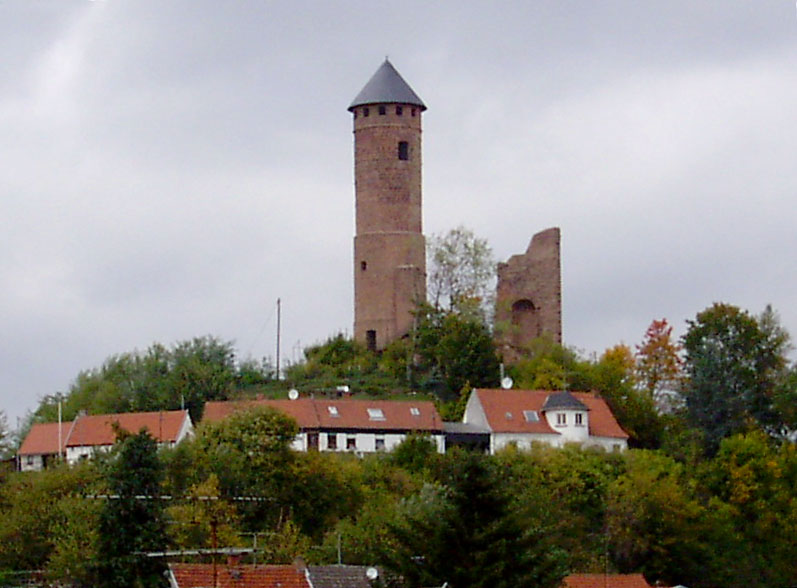
The ruins of Hohenburg Castle and its fortress remain impressive. Excavations since 1981 have uncovered and restored much of the site, allowing visitors to explore the remains of the castle walls, bastions, and other fortifications. The north bastion provides access to the rock plateau via a spiral staircase, offering panoramic views of the city and surrounding plains.
Visitors can explore the caponier, leading to the first ravelin and onward to the glacis, now landscaped as a park. Below the ruins lie an extensive network of Europe's largest man-made mottled sandstone caves, spanning over twelve floors of corridors and domed halls, adding a mysterious subterranean dimension to the site.
Cultural significance and visitor experience
Hohenburg Castle is not only a site of historical and architectural interest but also a cultural landmark for Homburg and the wider Saarland region. The castle's layered history—from medieval fortress to Renaissance palace and Vauban fortress—reflects the complex political and military developments of southwestern Germany over several centuries.
The site is accessible via well-marked walking trails, making it a popular destination for tourists and history enthusiasts. The combination of above-ground ruins and underground caves offers a unique experience, blending natural and man-made heritage elements.
Frequently asked questions (FAQ)
- How do I get to Hohenburg Castle ruins in Homburg?
- The Hohenburg Castle ruins are accessible by well-signposted walking trails from the town center of Homburg, making for an easy and scenic hike to the site.
- What historical periods are reflected in the architecture of Hohenburg Castle?
- Hohenburg Castle features architectural elements from the high medieval period, Renaissance modifications from the 16th century, and fortress enhancements by Vauban in the late 17th century.
- Is it possible to explore the underground caves beneath Hohenburg Castle?
- Yes, visitors can explore Europe's largest man-made mottled sandstone caves beneath the castle, which include multiple floors of corridors and impressive domed halls.
- When was Hohenburg Castle transformed into a Renaissance palace?
- The castle was transformed into a Renaissance palace in the second half of the 16th century by Count Johann IV of Nassau-Saarbrücken.
- Why was the fortress at Hohenburg Castle razed?
- The fortress was razed following the peace treaties of Rijswijk and Baden to prevent its future military use and maintain regional stability.
Information
Loading map...
Visitor reviews
No reviews yet. Been here? Write the first review and help other travelers!
Write the first reviewVisited this castle? Share your experience
Your review helps other travelers and adds first-hand knowledge to our encyclopedia.