Živánska Veža Castle — Slovakia castle

Živánska Veža Castle

Živánska Veža Castle
High Medieval (11th–13th c.)
Ruins

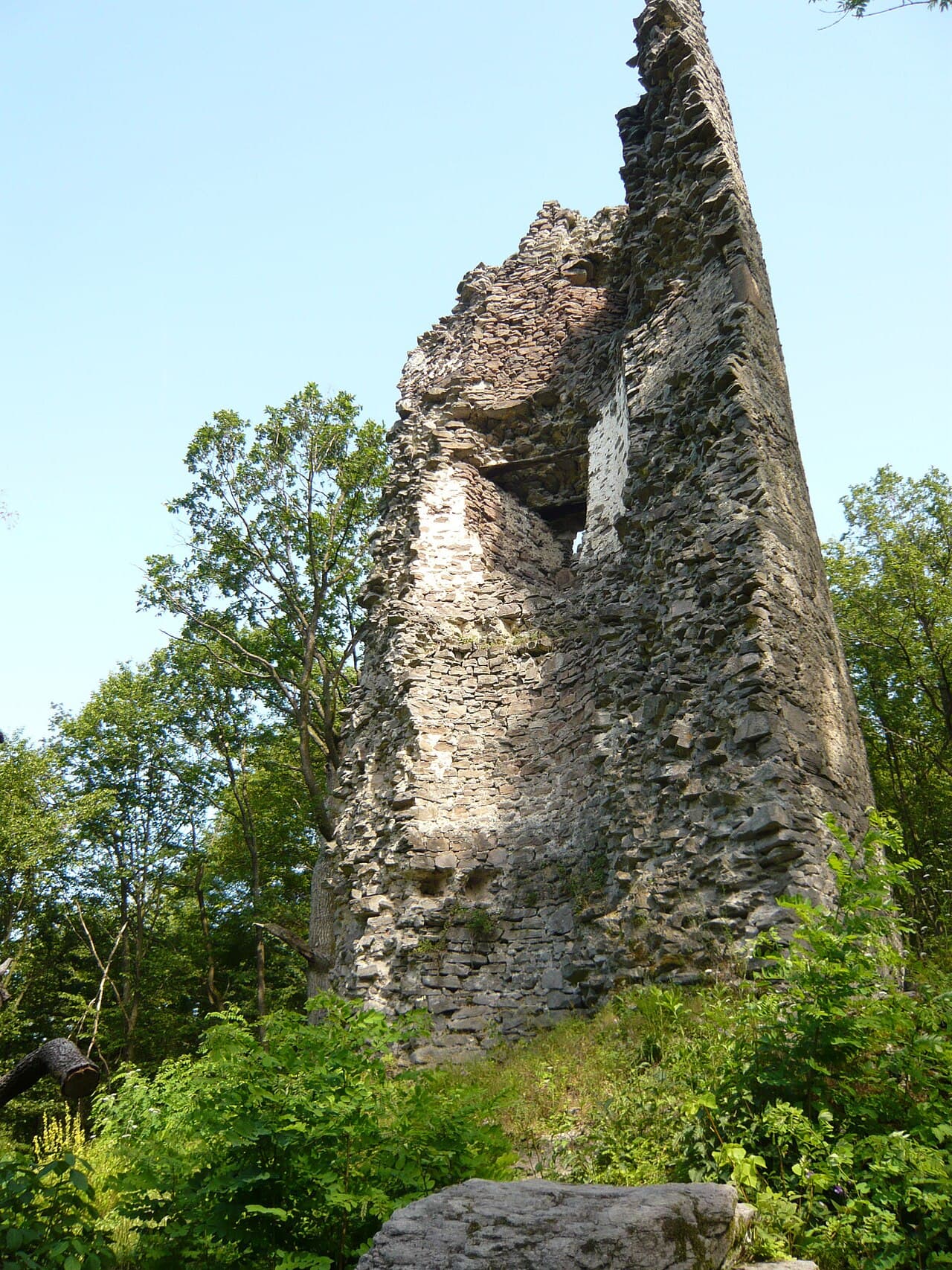
Živánska Veža Castle is a historic hill castle located in Slovakia, notable for its medieval defensive architecture and strategic position. Although the exact city location is not well-documented, the castle's remains are situated on elevated terrain, typical of hill castles designed to oversee and control surrounding lands.

Historical background and significance

The castle dates back to the High Medieval period, a time characterized by the construction of numerous fortifications across Central Europe to secure territories and assert noble power. While specific records about the founding and ownership of Živánska Veža Castle are limited, it likely served as a local stronghold for a noble family or a military garrison during the medieval era. Its location on a hill provided tactical advantages for surveillance and defense against invaders.

Architectural features and layout

As a hill castle, Živánska Veža was constructed to utilize the natural topography for defense. The castle's design would have included a central keep or donjon, surrounded by defensive walls and possibly a bailey or courtyard area. The elevated position allowed defenders to spot approaching enemies from a distance and use the terrain to their advantage during sieges.

Today, the castle remains are mostly in a ruined state, with partial walls and foundational structures still visible. These remnants provide insight into the castle's original defensive purpose and construction techniques typical of the High Medieval period. The masonry work reflects the use of local stone materials and medieval building methods.

Strategic location and environment

Živánska Veža Castle's placement on a hilltop is characteristic of many medieval fortifications in Slovakia, chosen to maximize visibility over trade routes and surrounding settlements. This location would have been essential for controlling movement through the region and providing refuge during conflicts. The natural defenses of the hill complemented the man-made fortifications, making the castle a formidable obstacle.

Current condition and preservation efforts

Presently, Živánska Veža Castle is classified as ruins. The site has not undergone extensive restoration, which means visitors can observe the authentic remains of medieval architecture. Preservation efforts focus on stabilizing the ruins to prevent further deterioration while maintaining the site's historical integrity. The castle is accessible to the public, often attracting enthusiasts of medieval history and castle architecture.

Visiting Živánska Veža Castle

Visitors to Živánska Veža Castle can explore the ruins and enjoy panoramic views of the surrounding Slovak countryside. Due to its hilltop location, reaching the castle may involve a hike or walk through natural terrain. The site offers a glimpse into medieval defensive structures and the historical landscape of the region. It is advisable to wear appropriate footwear and bring water when visiting.

Nearby attractions

The castle is part of a broader network of medieval sites in Slovakia, many of which feature similar hilltop fortifications. Visitors interested in medieval history can explore other castles and ruins in the region, often combined with hiking and nature experiences.

Frequently asked questions (FAQ)

What is the historical significance of Živánska Veža Castle?
Živánska Veža Castle is a remarkable example of medieval architecture in Slovakia, dating back to the 14th century. It served as a strategic lookout point and a fortress protecting the region from invasions. The castle's rich history and well-preserved structures offer a glimpse into the past of Slovak nobility.
When was Živánska Veža Castle built?
Živánska Veža Castle was constructed in the 14th century, specifically around the year 1360. It was commissioned by local lords to serve both defensive and residential purposes, reflecting the architectural styles of its time. The castle has undergone various renovations throughout the centuries, preserving its historical essence.
Can I visit Živánska Veža Castle year-round?
Yes, Živánska Veža Castle is open to visitors year-round, though certain areas may have restricted access during winter months. It’s advisable to check the official website for seasonal opening hours and any special events. This ensures that you can plan your visit effectively and enjoy all the attractions the castle has to offer.
What are the opening hours for Živánska Veža Castle?
The opening hours for Živánska Veža Castle vary by season. Typically, the castle is open from 10 AM to 5 PM during the summer months, with reduced hours in the winter. Always check the castle's official website for the most accurate and current information before your visit.
Is it possible to book guided tours at Živánska Veža Castle?
Yes, guided tours are available at Živánska Veža Castle, providing visitors with an in-depth understanding of its history and architecture. It's recommended to book these tours in advance, especially during peak tourist seasons. Tours are led by knowledgeable guides who can share fascinating stories about the castle's past.
What are the ticket prices for visiting Živánska Veža Castle?
Ticket prices for Živánska Veža Castle are generally affordable, with discounts available for students and seniors. Children under a certain age may enter for free. It’s best to check the castle’s official website for the latest pricing information and any special promotions.
When is the best time to visit Živánska Veža Castle?
The best time to visit Živánska Veža Castle is during the spring and early autumn months when the weather is mild and the surrounding scenery is vibrant. These seasons also see fewer crowds, allowing for a more enjoyable experience. Additionally, many local events and festivals take place during these times, enhancing your visit.
Are there any nearby attractions to Živánska Veža Castle?
Yes, there are several nearby attractions that complement a visit to Živánska Veža Castle. The surrounding area features beautiful hiking trails, picturesque villages, and other historical sites. Exploring these attractions can provide a fuller experience of the rich cultural heritage of the region.
How do I get to Živánska Veža Castle?
Živánska Veža Castle is accessible by car and public transport, with nearby bus stops serving the area. If driving, there are parking facilities available close to the castle. For those using public transport, it’s advisable to check local schedules to plan your journey effectively.

Photo gallery

Živánska Veža Castle
Click to view

Photo by Railfort•Public domain

1 photo • Click any image to view in full screen

Information

Hill Castle

Loading map...

Visitor reviews

No reviews yet. Been here? Write the first review and help other travelers!

Write the first review

Visited this castle? Share your experience

Your review helps other travelers and adds first-hand knowledge to our encyclopedia.
Write a review

(5/5)

0/2000 characters

Your review will be visible after admin approval

Nearby castles

7 km
Hrusov Castle Ruins — Slovakia castle

Hrusov Castle Ruins

Topoľčianky, Slovakia

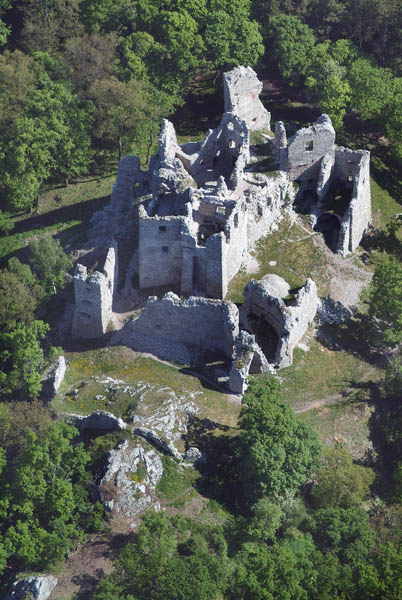
Hrušov Castle stands as a striking example of a High Medieval hill castle perched atop the quartzite hill known as Skalka near the village of Hostie, in the region of Topoľčianky, Slovakia. Its origins trace back to the aftermath of the devastating Mongol invasions of the mid-13th century, with the first written mention dating to 1253. Though the exact founding date remains uncertain, it is widely accepted that the castle was constructed in the 13th century to serve as a strategic fortification guarding the important trade route connecting the Požitavie and Ponitrie regions. Historical context and ownership transitions Initially, the castle was under the control of the Levických family from 1321 to 1344. Following this period, it reverted to royal possession, with King Louis I of Hungary granting it in 1347 to the governor Hrušov, from whom the castle derives its name. Over subsequent centuries, Hrušov Castle witnessed numerous changes in ownership, passing through prominent noble families such as the Perényi, Bebek, Kanizsai, and Szapolyai. These transitions often reflected the shifting political landscape of the Kingdom of Hungary and involved complex legal disputes over land and rights, including conflicts with local entities such as the Knezsicz and Maholány families. 15th and 17th century conflicts and renovations The 15th century was marked by regional strife, with Hrušov Castle becoming a focal point of power struggles, including a notable lawsuit initiated by the nearby Saint-Benoît monastery over territorial claims. In the 17th century, the castle underwent significant fortification efforts under the direction of Count László Rákóczi, reflecting the military demands of the era, particularly concerning the rise of artillery warfare. Despite these efforts, the castle suffered a devastating blow in 1708 when it was destroyed by the Imperial army during the suppression of Prince Francis II Rákóczi’s kuruc uprising. This event led to the castle’s abandonment and gradual decay, leaving it in ruins ever since. Architectural features and layout Hrušov Castle originally combined Gothic architectural elements with practical defensive features typical of medieval fortresses. The core of the castle consisted of a main residential area surrounded by a first outer bailey, an enclosed courtyard that provided an additional layer of protection. This bailey housed various functional buildings and spaces necessary for daily life and defense. A second outer bailey was later constructed as an artillery fortification, demonstrating the castle’s adaptation to the evolution of military technology, particularly the introduction of cannons. Although this second enclosure no longer survives in its entirety, remnants indicate its former extent and purpose. The castle’s defensive system was reinforced by multiple towers and bastions. One prominent tower, marking the entrance to the second outer bailey, features rectangular windows and embrasures—narrow slits designed for archers and later firearm use, allowing defenders to observe and attack while remaining protected. Strategically situated on a quartzite hill, the castle commanded expansive views of the surrounding landscape, enabling surveillance of the vital trade route it was built to protect. This natural elevation was a critical factor in its defensive capabilities. Preservation and current state Today, the Hrušov Castle ruins offer visitors a glimpse into medieval fortification techniques and regional history. The site is accessible via marked hiking trails from nearby villages, making it a popular destination for history enthusiasts and hikers alike. Efforts to preserve the ruins began in the early 20th century, notably between 1928 and 1930 under the guidance of Ing. K. Kühn from the National Heritage Institute in Prague, with support from President Tomáš Masaryk. Further restoration and conservation projects have continued into the 21st century to maintain the site’s structural integrity and historical significance. The remaining walls and towers evoke a romantic atmosphere, offering panoramic views of the surrounding countryside. The ruins stand as a testament to the castle’s historical role as a military stronghold, administrative center, and symbol of regional power throughout the centuries. Regional significance and cultural heritage Hrušov Castle played a vital role not only militarily but also administratively, as evidenced by medieval records such as a 1504 contract listing numerous villages and domains under its jurisdiction. This highlights the castle’s importance as a center of regional governance and land management in medieval Slovakia. Its strategic location and historical legacy contribute to its status as a cultural heritage site, attracting visitors interested in medieval history, architecture, and the turbulent political history of the Kingdom of Hungary and later Slovakia. Visitor experience and accessibility Visitors to the Hrušov Castle ruins can explore the remains of the outer baileys, towers, and curtain walls, gaining insight into the castle’s defensive architecture and historical context. The site’s natural setting atop a quartzite hill provides opportunities for hiking and enjoying scenic views. Interpretive signage and guided tours may be available seasonally, enhancing understanding of the castle’s history and architectural features. The site is open year-round, though weather conditions can affect accessibility.

High Medieval (11th–13th c.)
Details
9.2 km
Topoľčianky Castle — Slovakia castle

Topoľčianky Castle

, Slovakia

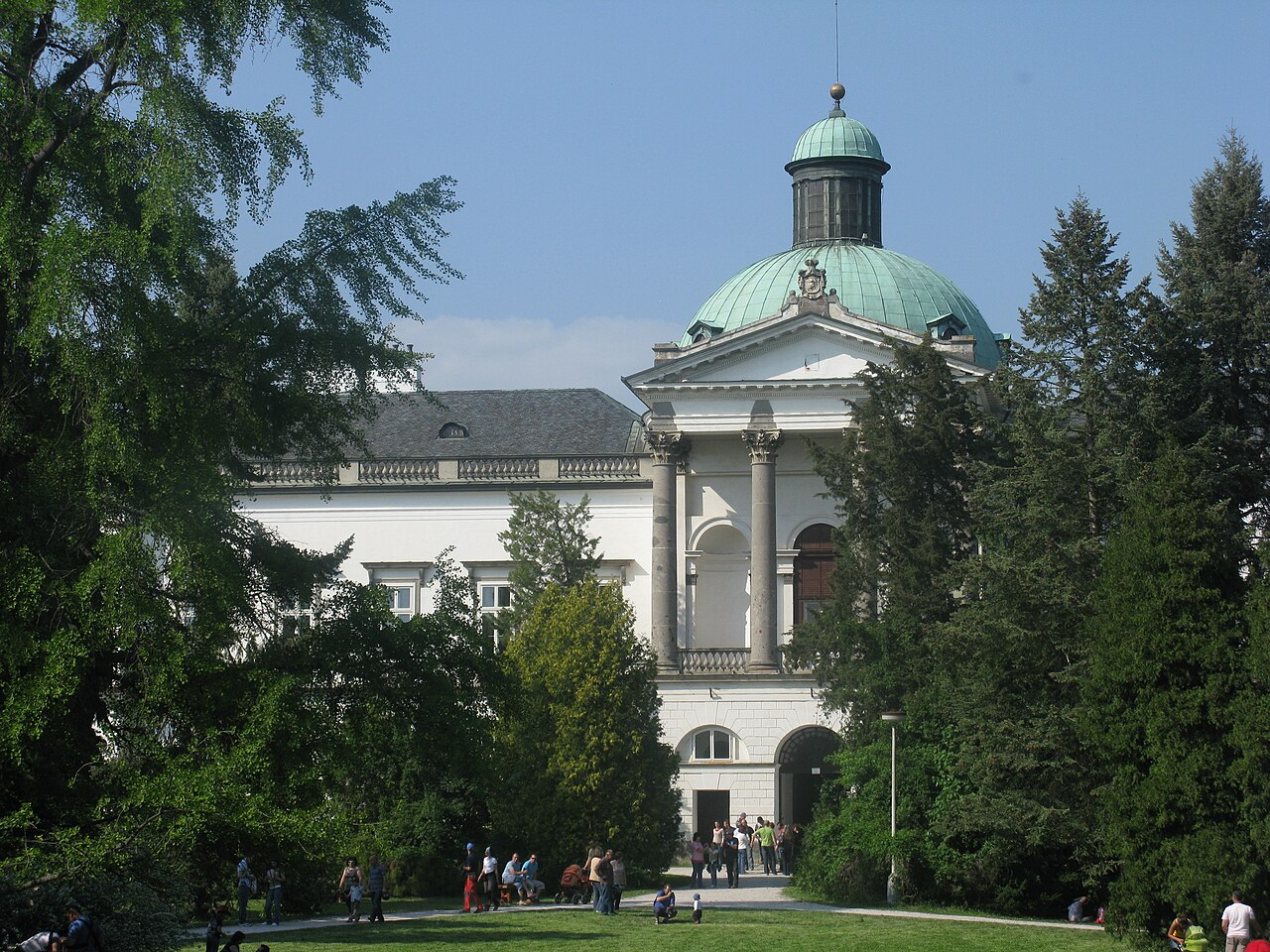
Topoľčianky Castle is a prominent hill castle located in the western part of Slovakia, near the village of Topoľčianky. This castle is renowned for its rich history that spans several centuries and its architectural evolution that reflects the styles of the Renaissance and Baroque periods. Situated on a hill overlooking the surrounding landscape, Topoľčianky Castle offers a commanding view and strategic position that was typical for fortifications built to defend territories in medieval Europe. Historical background and significance The origins of Topoľčianky Castle date back to the 16th century, when it was initially constructed as a Renaissance fortress. Its location on a hill was chosen for defensive advantages, allowing surveillance over the surrounding region. Over the centuries, the castle underwent significant transformations, especially during the Baroque period in the 18th century, when it was remodeled into a more comfortable noble residence rather than a purely military stronghold. One of the most notable chapters in the castle's history is its connection to the Hungarian aristocracy and later the Czechoslovak state. The castle served as a summer residence for several noble families and was famously used by Tomáš Garrigue Masaryk, the first president of Czechoslovakia, who spent time there in the early 20th century. This association adds a layer of national historical importance to the site. Architectural features and style Topoľčianky Castle exhibits a blend of Renaissance and Baroque architectural styles. The original Renaissance fortress elements include robust defensive walls, bastions, and a keep that reflect the military architecture of the time. The later Baroque renovations introduced elegant facades, ornamental details, and spacious interiors designed for comfort and representation. The castle complex includes distinctive features such as arcaded courtyards, ornate gates, and decorative stucco work, which highlight the Baroque influence. The interiors are known for their richly decorated halls, frescoes, and period furnishings that give insight into the lifestyle of the nobility during the castle's peak usage. Gardens and surrounding landscape In addition to the castle itself, the surrounding grounds are an important part of the estate. The castle is set within extensive landscaped gardens and parklands, which were developed in the 18th and 19th centuries. These gardens feature a mix of formal Baroque garden design and naturalistic English-style park elements, including tree-lined avenues, ornamental ponds, and walking paths. Cultural and touristic importance Today, Topoľčianky Castle is a significant cultural monument and tourist attraction in Slovakia. It is well-preserved and open to the public, offering guided tours that showcase its architectural beauty and historical exhibits. Visitors can explore the castle's interiors, view period art and furniture, and enjoy the scenic views from the hilltop location. The castle also hosts cultural events, exhibitions, and educational programs that promote the history and heritage of the region. Its combination of historical architecture, royal connections, and picturesque setting make it a valuable destination for those interested in Central European history and castle architecture. Preservation and current status Topoľčianky Castle is classified as a well-preserved historic site. It has undergone careful restoration efforts to maintain its structural integrity and aesthetic features. The castle is managed by a state or regional heritage organization responsible for its upkeep and public accessibility. These preservation activities ensure that Topoľčianky Castle remains a vibrant part of Slovakia's cultural landscape.

Renaissance (15th–17th c.)
Details
12.6 km
Breznica Castle — Slovakia castle

Breznica Castle

Tekovská Breznica, Slovakia

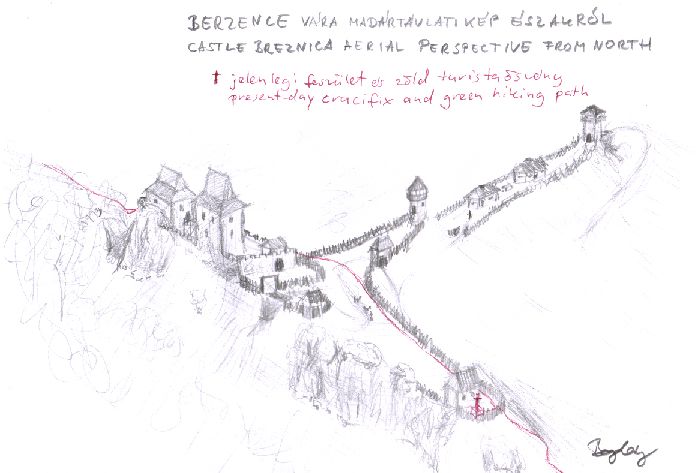
Breznica Castle, also known by its historical names Berzenche, Berzentehe, or Berzencze, is a 13th-century castle ruin located near the village of Tekovská Breznica in the Banská Bystrica Region of Slovakia. This high medieval fortress stands as a significant archaeological site, reflecting the turbulent history and architectural evolution of medieval fortifications in Central Europe. Historical background and early construction The origins of Breznica Castle trace back to a period before the Tatar invasion of 1241-1242, with the castle first documented between 1273 and 1276. It was constructed under the auspices of the Archbishop of Esztergom, a powerful ecclesiastical figure whose influence extended into the region. The castle's initial purpose was to serve as a defensive stronghold and administrative center within the archbishopric's territories. The castle's location near Tekovská Breznica was strategically chosen to control important routes and oversee the surrounding landscape. Its early structure likely consisted of typical medieval defensive features, including a keep, curtain walls, and possibly a moat, though much of these early elements survive only in archaeological form. Gothic reconstruction and military significance In 1423, Breznica Castle underwent significant reconstruction, transforming it into a Gothic fortress. This architectural upgrade reflected the evolving military technologies and aesthetic preferences of the late medieval period. The Gothic style introduced pointed arches, ribbed vaults, and fortified towers, enhancing both the castle's defensive capabilities and its symbolic stature. The castle played a notable role during the 15th century conflicts in the region. It was seized by the forces of John Jiskra of Brandýs, a Bohemian military leader and supporter of the Hussite movement, who used it as a base for operations. Later, in 1471, the castle was captured by King Casimir IV of Poland during his campaigns in the area, underscoring its strategic importance in Central European power struggles. Decline and ruin Following its military use, Breznica Castle gradually lost its strategic relevance. After 1732, it was abandoned and fell into disrepair. The castle's stones were quarried as building material for local construction projects, accelerating its decline into ruins. Today, the site remains an archaeological ruin, with remnants of walls, foundations, and defensive structures visible. It offers valuable insights into medieval castle construction and the historical dynamics of the region. Architectural features and archaeological significance While much of Breznica Castle is in ruins, archaeological studies have revealed key features typical of a high medieval fortress. The castle's layout included a central keep, surrounded by curtain walls with defensive towers. The Gothic reconstruction introduced more complex fortifications, including improved battlements and gatehouses. Excavations have uncovered artifacts and structural remains that provide evidence of the castle's occupation phases and its role in regional defense. The site contributes to the understanding of medieval fortification techniques and the adaptation of ecclesiastical castles during periods of military conflict. Visiting Breznica Castle ruins Though in ruins, Breznica Castle is accessible to visitors interested in medieval history and archaeology. Its location near Tekovská Breznica offers scenic views of the surrounding countryside, making it a point of interest for cultural tourism in the Banská Bystrica Region. Visitors can explore the remains of the castle's walls and towers, gaining a tangible connection to the region's medieval past. As an archaeological site, it is important to respect preservation efforts and follow local guidelines during visits. Frequently asked questions When was Breznica Castle built? Breznica Castle was constructed in the 13th century, before the Tatar invasion of 1241-1242, and first mentioned in records between 1273 and 1276. What architectural style characterizes Breznica Castle? The castle features Gothic architectural elements introduced during a significant reconstruction in 1423, typical of late medieval fortifications. Who controlled Breznica Castle during its history? The castle was originally built by the Archbishop of Esztergom, later held by John Jiskra of Brandýs's Hussite forces, and briefly captured by King Casimir IV of Poland in 1471. What is the current condition of Breznica Castle? It is an archaeological ruin, with visible remains of walls and foundations but no intact structures. Can visitors access the site? Yes, the ruins are accessible to the public, offering insights into medieval architecture and history.

High Medieval (11th–13th c.)
Details