Spiska Biała
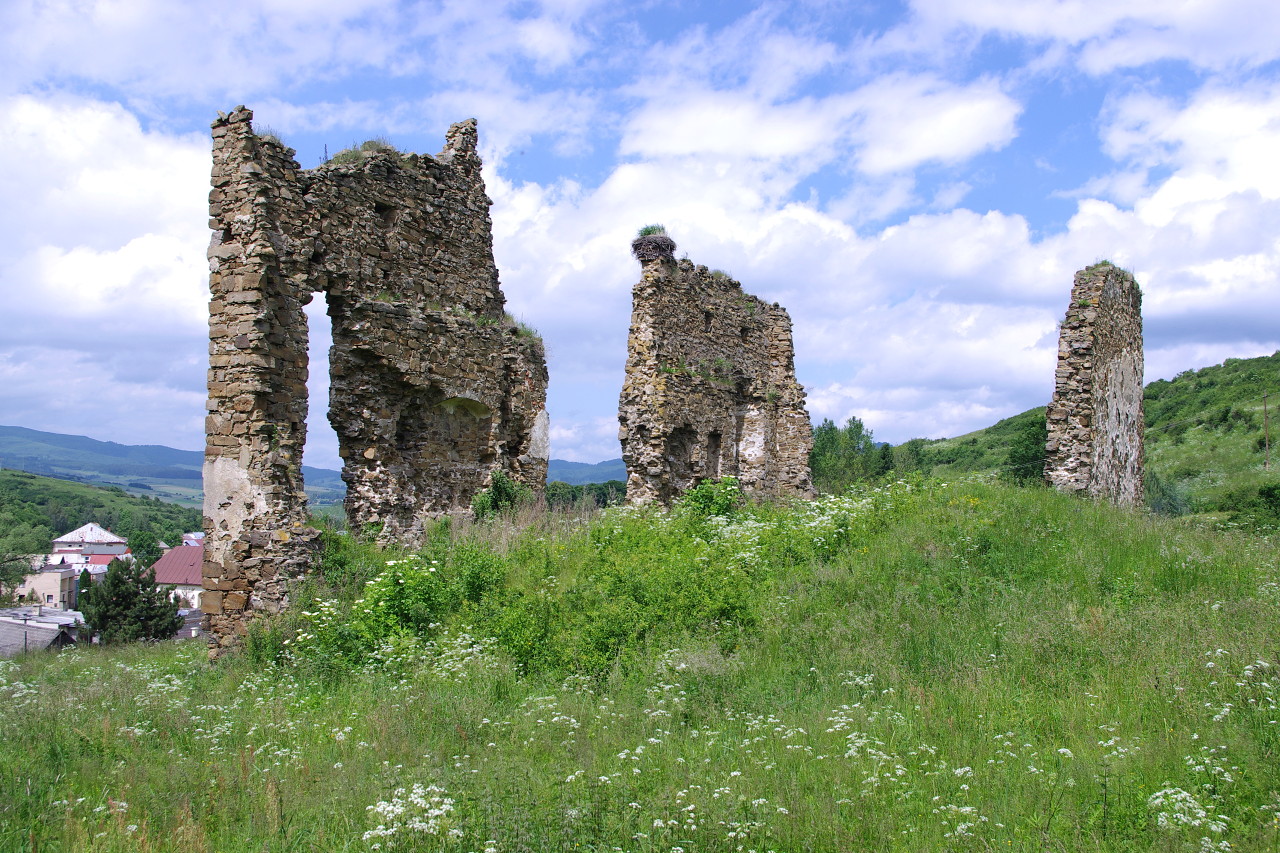
Spiska Biała castle, located in the village of Spiska Biała in Slovakia, is a remarkable example of a high medieval fortified manor that evolved significantly through the centuries. Its origins trace back to the 12th century, with the earliest mentions of the settlement of Stražky appearing in the second half of that century. The site likely hosted a watchtower or guard post that played a defensive role in the region. This initial fortification was destroyed during the devastating Mongol invasion of 1241, a catastrophic event that reshaped many settlements and fortresses across Central Europe.
Following the destruction, the village was rebuilt, but historical records do not clearly indicate whether a defensive structure was reestablished immediately. It was not until the late 15th century that the construction of a substantial stone residence began, initiated by the Berzeviczy family, who had been granted the village by the Hungarian king Charles I (Karol Robert) in the early 14th century. This marked the transformation of the site from a simple watch post to a more complex fortified manor.
Architectural evolution and Renaissance transformation
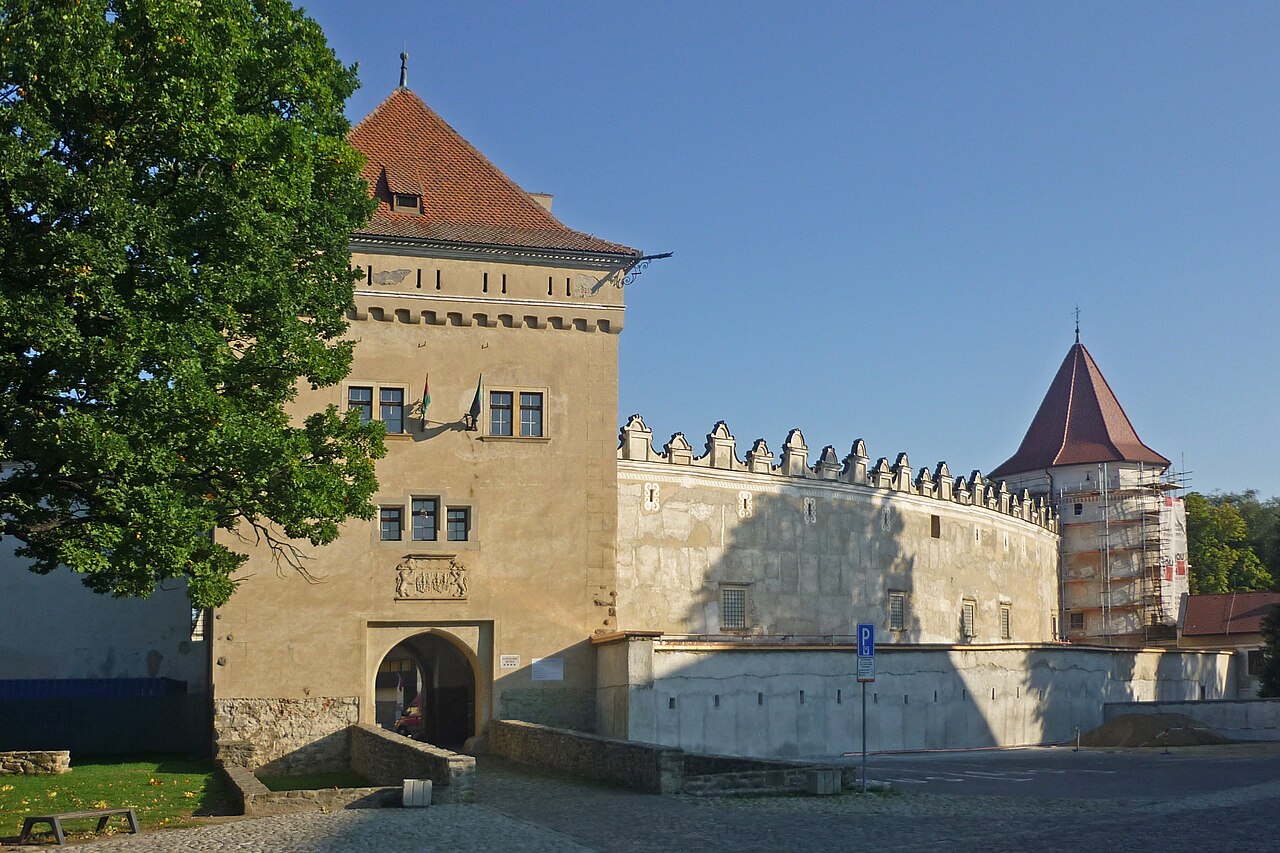
The initial stone manor consisted of two wings, which were raised by an additional story at the beginning of the 16th century. In the mid-16th century, a curtain wall with a defensive walkway was constructed, linking the wings and enclosing a small courtyard. This addition gave the complex the characteristics of a defensive kastel, a fortified manor house typical of the Spiš region, blending residential and military functions.
In 1556, the manor passed into the hands of Grigor Horvath by royal grant from King Ferdinand I of Habsburg. Under Horvath's ownership, the manor underwent a significant Renaissance-style reconstruction. This included the erection of corner bastions and the addition of a decorative attic parapet crowning the buildings, which enhanced both its defensive capabilities and aesthetic appeal. These features reflect the Renaissance architectural influences spreading through Central Europe at the time, emphasizing symmetry, proportion, and ornamental detail.
17th-century expansions and later modifications
At the beginning of the 17th century, further expansions replaced the curtain walls with new buildings, increasing the interior space and altering the castle's layout. Despite these changes, the defensive character of the complex was maintained. However, a major fire in the 18th century severely damaged the kastel, leading to a comprehensive renovation that altered the internal arrangement of rooms and adapted the structure to more modern residential needs.
Current condition and cultural significance
Today, Spiska Biała castle is restored and serves as a cultural venue. In the 1970s, the interiors were adapted to house exhibition spaces for the Slovak National Gallery. Visitors can explore displays that showcase the history of the kastel and the applied arts of the Spiš region, providing insight into the local heritage and architectural evolution.
The castle's location in the Spiš region places it among a rich concentration of medieval fortifications, many of which are recognized for their historical and architectural value. Spiska Biała castle stands out as an example of the gradual transformation from a medieval guard post to a Renaissance fortified manor, reflecting the broader social and political changes in the Kingdom of Hungary and later Habsburg domains.
Architectural features and defensive elements
The castle complex features characteristic elements of a fortified manor, including curtain walls, corner bastions, and a courtyard that was originally enclosed for defense. The attic parapet added during the Renaissance period is a notable decorative and functional feature, providing protection for defenders while enhancing the silhouette of the building.
The combination of residential and military architecture illustrates the dual purpose of such kastels: to serve as noble residences while offering protection in times of conflict. The layered construction phases visible today provide valuable information on architectural trends and defensive strategies from the 12th through the 18th centuries.
Interior adaptations and exhibition spaces
The 20th-century adaptation of the castle's interiors for exhibition use involved careful preservation of historical elements alongside modern interventions to accommodate visitors and display artworks. The exhibitions focus on the castle's history, the local aristocracy, and the rich tradition of applied arts in the Spiš region, making it a significant cultural and educational site.
Visiting Spiska Biała castle
Visitors to Spiska Biała can experience a well-preserved example of a high medieval defensive manor that evolved through Renaissance and later periods. The castle's exhibitions provide a comprehensive understanding of its historical context and architectural significance. Its location in the scenic Spiš region offers additional opportunities to explore other medieval castles and cultural landmarks nearby.
Spiska Biała castle remains an important heritage site, reflecting the complex history of Central European fortifications and noble residences. Its restoration and adaptive reuse demonstrate the value of preserving such monuments for future generations.
Frequently asked questions (FAQ)
- What is the historical significance of Spiska Biała Castle?
- Spiska Biała Castle, located in Slovakia, is a prominent example of medieval architecture, reflecting the strategic importance of the region during its time. The castle has a rich history, having served as a royal stronghold and a residence for nobility, which adds to its cultural heritage.
- When was Spiska Biała Castle built?
- The construction of Spiska Biała Castle dates back to the 13th century, with various modifications and expansions made over the centuries. Its architectural style showcases the evolution of fortification techniques and design trends throughout the medieval period.
- What are the opening hours for visiting Spiska Biała Castle?
- Spiska Biała Castle is open to visitors from April to October, typically between 9 AM and 5 PM. It is advisable to check the official website for any seasonal changes or special events that may affect these hours.
- Can I access Spiska Biała Castle with a wheelchair?
- While efforts have been made to make Spiska Biała Castle more accessible, some areas may still pose challenges for wheelchair users due to the castle’s historic architecture. It is recommended to contact the visitor center in advance to inquire about specific accessibility options and assistance.
- What is the best time to visit Spiska Biała Castle?
- The best time to visit Spiska Biała Castle is during the spring and early autumn months when the weather is mild and pleasant. Additionally, these seasons often feature fewer crowds, allowing for a more enjoyable exploration of the grounds and historical exhibits.
- Are there any nearby attractions to visit along with Spiska Biała Castle?
- Yes, visitors can explore several nearby attractions, including the picturesque village of Spiska Biała and the beautiful landscapes of the Slovak Paradise National Park. These sites offer opportunities for hiking, photography, and experiencing local culture, making for a well-rounded trip.
- How much is the ticket price to enter Spiska Biała Castle?
- Ticket prices for Spiska Biała Castle are generally affordable, with discounts available for students and seniors. It is best to check the official website for current pricing and any special offers that may be available during your visit.
Information
Loading map...
Visitor reviews
No reviews yet. Been here? Write the first review and help other travelers!
Write the first reviewVisited this castle? Share your experience
Your review helps other travelers and adds first-hand knowledge to our encyclopedia.