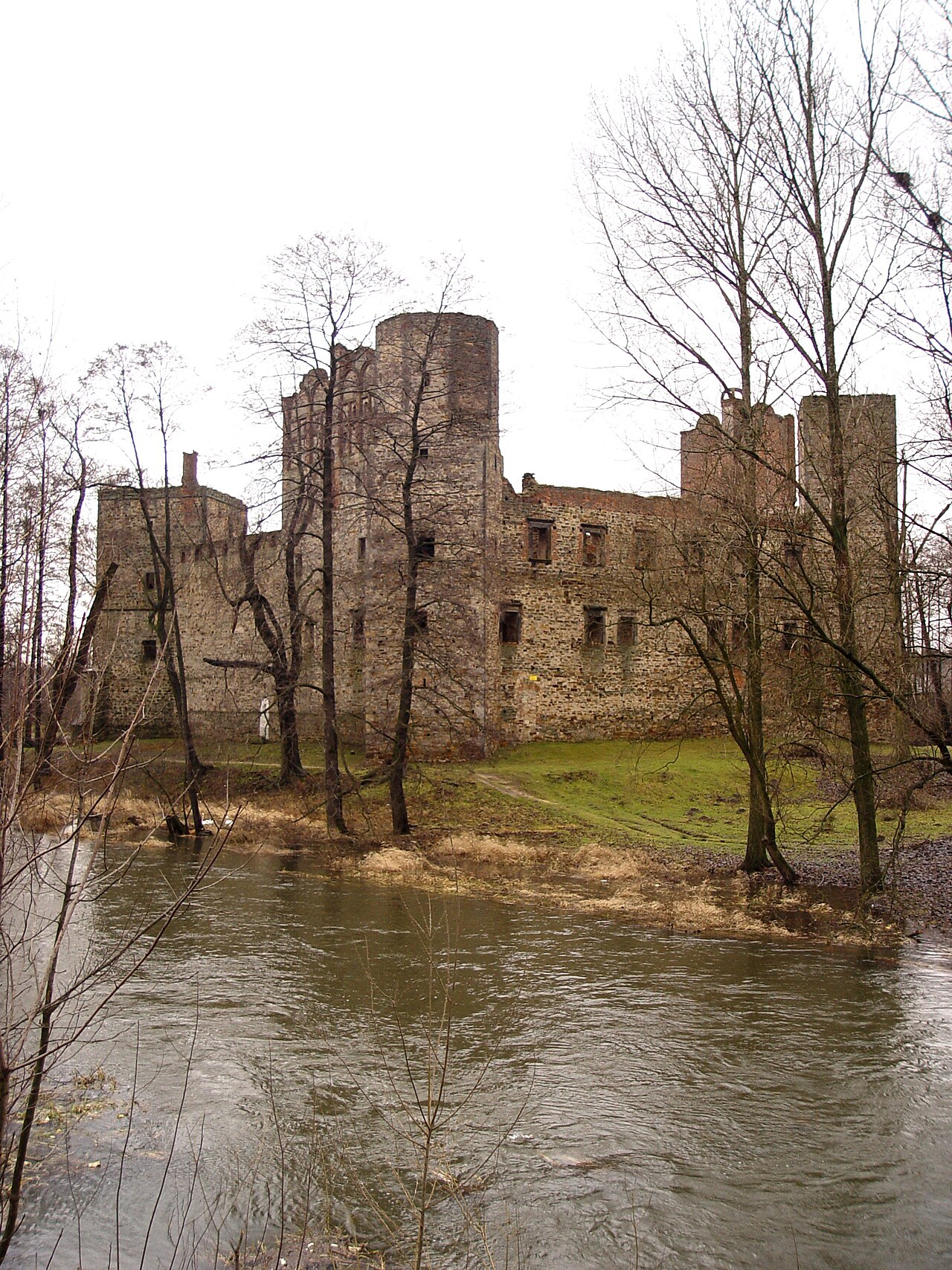
Zameczek Castle, historically known as the Damujowice Castle, was a late medieval fortress constructed in 1453 in the village of Zameczek, Poland. Although today no physical remains of the castle survive, historical records confirm its existence and provide valuable insights into its characteristics and strategic importance. This knightly castle was built on a modest elevation overlooking the Drzewiczka River, a location chosen for natural defense advantages and control over the surrounding landscape.
Historical context and significance
The castle was established during a period of frequent military conflicts and territorial disputes in Poland, reflecting the need for fortified structures to protect local nobility and assert regional control. Known in sources as Damujowice, the castle's strategic position near the river and its defensive features such as a moat and earthen embankments (nasyp) were typical of the late medieval fortifications designed to withstand sieges and raids.
Unfortunately, like many Polish castles, Zameczek Castle suffered destruction during the Swedish Deluge (Potop szwedzki) in the mid-17th century. This catastrophic war period led to widespread devastation of fortifications across Poland, and the castle was not spared. Over time, no visible ruins remained, and the site reverted largely to natural landscape and agricultural use.
Architectural features and layout
While no physical remains survive, historical descriptions and typical architectural practices of the time allow us to infer certain features of the castle. As a bastioned fortress, it likely incorporated angled bastions designed to provide overlapping fields of fire and improved defense against artillery, a development in military architecture emerging in the late medieval period.
The castle was situated on a small hill which provided an elevated vantage point. It was surrounded by a moat filled with water from the Drzewiczka River, enhancing its defensive capabilities. The earthen embankments or ramparts would have supported wooden or stone walls, and the fortress likely included a gatehouse, residential quarters for the knights or local lord, and possibly a chapel or other service buildings within its enclosure.
Defensive structures
The moat and embankments were crucial for defense, preventing easy access by enemies and absorbing artillery fire. The bastions, projecting from the main walls, allowed defenders to cover all approaches with crossfire, a significant advancement over earlier medieval curtain walls.
Residential and functional spaces
The castle would have contained living quarters for the lord and his retinue, storage rooms, and possibly stables. Such castles often had a central courtyard where daily activities took place. Although no archaeological excavations have been reported, these features are consistent with similar late medieval bastioned fortresses in Poland.
The site today and local memory
Today, the exact location of Zameczek Castle is known primarily from historical documents and local oral tradition. Attempts to locate visible remains have been unsuccessful, with only an old mill nearby marking the general area. The absence of ruins is typical for many smaller Polish castles destroyed during the Swedish Deluge, as many were dismantled or fell into ruin without later restoration.
The site remains a place of historical interest, reflecting the turbulent history of the region and the architectural evolution of Polish fortifications. Visitors to the area can appreciate the natural beauty of the Drzewiczka River valley and imagine the once formidable fortress that stood guard over this landscape.
Historical legacy and cultural importance
Zameczek Castle exemplifies the many small noble fortresses that dotted the Polish countryside in the late medieval period. Though it no longer stands, its history contributes to understanding the defensive strategies and feudal society of the time. The castle's destruction during the Swedish Deluge underscores the widespread impact of this conflict on Poland's architectural heritage.
The memory of the castle persists in local place names and traditions, serving as a reminder of Poland's rich medieval past and the evolution of military architecture leading into the early modern period.
Frequently asked questions (FAQ)
- Where was Zameczek Castle located?
- Zameczek Castle was located in the village of Zameczek near the Drzewiczka River in Poland, on a small hill providing strategic defense.
- What happened to Zameczek Castle?
- The castle was destroyed during the Swedish Deluge in the mid-17th century, and no visible remains survive today.
- Can visitors see any ruins of Zameczek Castle today?
- No visible ruins remain of Zameczek Castle today; the site is marked only by local tradition and an old mill nearby.
- What architectural style was Zameczek Castle built in?
- Zameczek Castle was a late medieval bastioned fortress, featuring defensive bastions and a moat typical of the period's military architecture.
- Is the site of Zameczek Castle accessible to the public?
- Yes, the site is accessible, but visitors will find no castle ruins, only the natural landscape and the old mill nearby.
Information
Loading map...
Visitor reviews
No reviews yet. Been here? Write the first review and help other travelers!
Write the first reviewVisited this castle? Share your experience
Your review helps other travelers and adds first-hand knowledge to our encyclopedia.