Yoğurtçu Castle
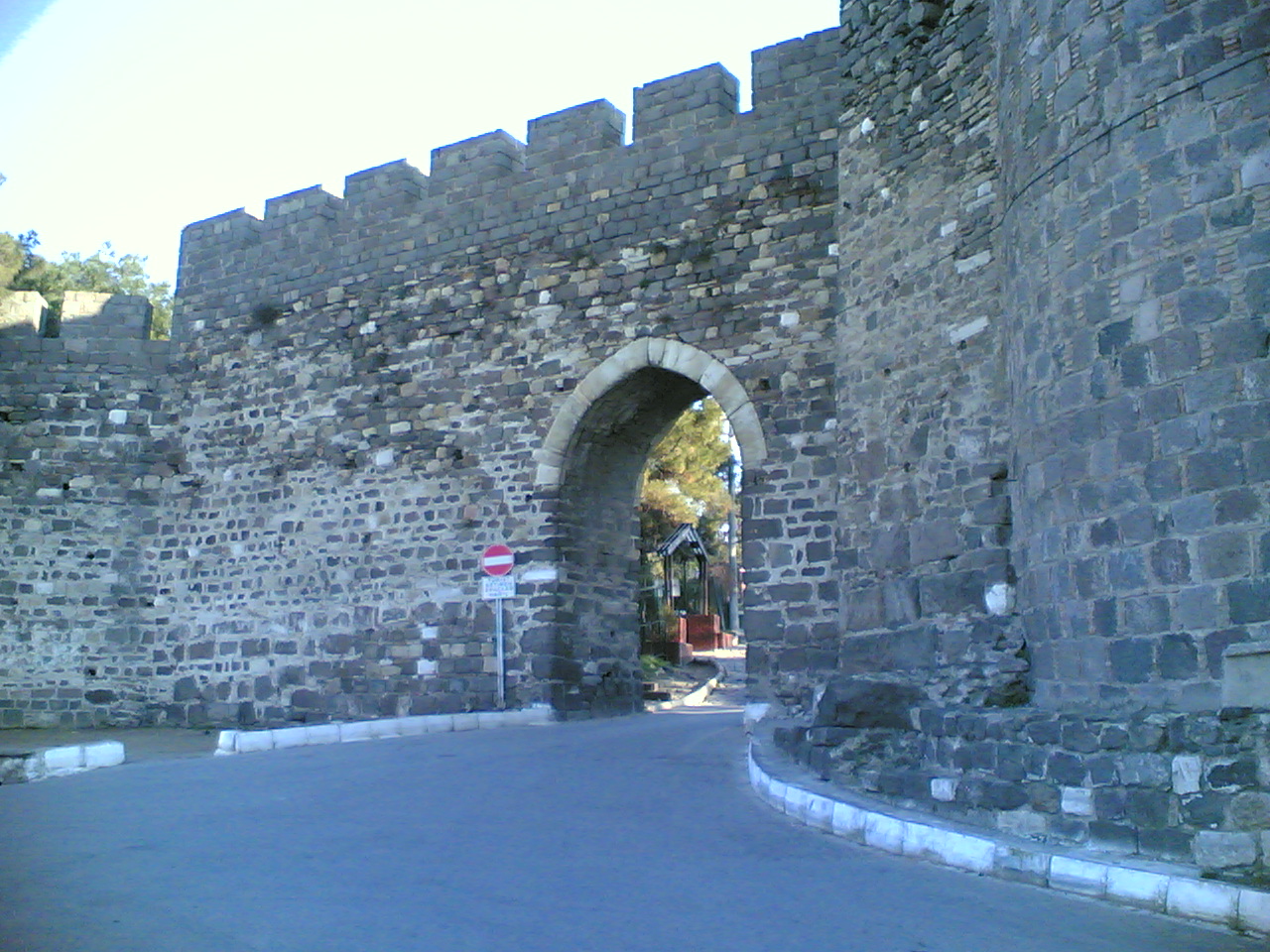
Yoğurtçu Castle, known locally as Yoğurtçu Kalesi or simply Kale, is a medieval fortress located on a prominent hill just south of the village of Uzunburun Köyü in the province of Manisa, Turkey. This castle occupies a strategic vantage point overlooking the valley of the ancient Hermos River, now called the Gediz River, which was historically significant for controlling access and monitoring movements through the region.
Historical background and strategic importance
Though some Roman artifacts have been discovered near the site, the castle itself is a product of the Byzantine Empire's defensive efforts during the 13th century. Constructed in the High Medieval period, it served as a fortified stronghold against frequent incursions and raids by Arab forces into Byzantine territories in western Anatolia. Its location on elevated terrain provided a commanding view of the surrounding landscape, enabling early detection of approaching enemies and safeguarding critical routes along the Gediz River valley.
During the Ottoman period, the castle suffered significant destruction, likely due to changing military technologies and shifting political priorities, which rendered many such fortifications obsolete. Today, the remains of the castle stand as ruins, reflecting its turbulent history and gradual decline.
Architectural features and layout
While the castle has not yet been subjected to formal archaeological excavation, the visible ruins suggest a typical Byzantine hill castle design. The fortress was likely constructed using local stone and mortar, possibly incorporating unique materials as suggested by local lore. The castle's walls and defensive structures would have been designed to maximize protection against siege warfare common in the medieval period.
The castle's current name, Yoğurtçu, meaning "yogurt maker" in Turkish, is believed to have originated from either a traditional practice of mixing yogurt and milk into the mortar during construction or from its later use as a site for yogurt production or storage during Ottoman times. This anecdote highlights the castle's integration into local cultural practices beyond its military function.
Possible monastic connections
Some historical sources propose that Yoğurtçu Castle may have originally been a fortified monastery known as Sosandra during Byzantine times. However, no definitive architectural evidence, such as church remains or religious iconography, has been found to confirm this theory. The absence of excavation means that the castle's full historical context and original function remain partly speculative.
Current condition and visitor experience
Presently, Yoğurtçu Castle exists as a ruined medieval fortress. Its structures are partially preserved but largely in a state of decay due to centuries of neglect and natural erosion. The site is freely accessible to visitors, offering an opportunity to explore the remains and appreciate the castle's commanding position over the Gediz River valley.
The castle's interior spaces, including a notably large room, are sometimes inhabited by local livestock such as sheep, which seek shelter from the sun. This pastoral presence adds a unique character to the site, blending historical ruins with contemporary rural life.
Geographical and cultural context
Located within the Manisa region, Yoğurtçu Castle is part of a broader network of medieval fortifications that once dotted western Anatolia. These castles played crucial roles in regional defense, administration, and control of trade routes. The Gediz River valley itself has been a significant corridor since antiquity, linking inland Anatolia with the Aegean coast.
Though not extensively developed as a tourist destination, Yoğurtçu Castle attracts visitors interested in Byzantine history, medieval architecture, and rural Turkish heritage. Its accessibility and evocative ruins offer a tangible connection to the area's complex past.
Future prospects and archaeological potential
Given that Yoğurtçu Castle has not been excavated, it holds considerable potential for archaeological study. Systematic research could uncover more about its construction techniques, historical phases, and possible monastic associations. Such investigations would contribute valuable insights into Byzantine military architecture and regional history during the High Medieval period.
Preservation efforts, if undertaken, could stabilize the ruins and improve visitor facilities, enhancing the castle's role as a cultural and historical landmark in Manisa Province.
Frequently asked questions (FAQ)
- How do I get to Yoğurtçu Castle near Uzunburun Köyü?
- Yoğurtçu Castle is located on a hill south of Uzunburun Köyü village in Manisa Province, Turkey. Visitors can reach the site by local roads from Manisa city, followed by a short hike uphill to the castle ruins.
- What is the historical significance of Yoğurtçu Castle?
- Built in the 13th century by the Byzantines, Yoğurtçu Castle served as a defensive fortress against Arab raids during the High Medieval period. Its strategic location overlooking the Gediz River valley was crucial for regional defense.
- Can I explore the interior of Yoğurtçu Castle?
- Yes, the castle ruins are freely accessible and visitors can explore the remains, including large interior rooms. However, the site is in a ruined condition, so caution is advised while walking through uneven terrain.
- Is Yoğurtçu Castle associated with any religious structures?
- Some sources suggest the castle may have been a fortified monastery called Sosandra in Byzantine times, but no archaeological evidence such as church remains has been found to confirm this.
- What is the origin of the name 'Yoğurtçu'?
- The name 'Yoğurtçu' means 'yogurt maker' in Turkish. It may refer to a local tradition of using yogurt and milk in the mortar for the castle walls or to the site's use for yogurt production or storage during Ottoman times.
- When is the best time to visit Yoğurtçu Castle?
- The best time to visit is during spring or autumn when the weather is mild. Summers can be hot, and the castle offers limited shade, so visitors should come prepared with water and sun protection.
Information
Loading map...
Visitor reviews
No reviews yet. Been here? Write the first review and help other travelers!
Write the first reviewVisited this castle? Share your experience
Your review helps other travelers and adds first-hand knowledge to our encyclopedia.