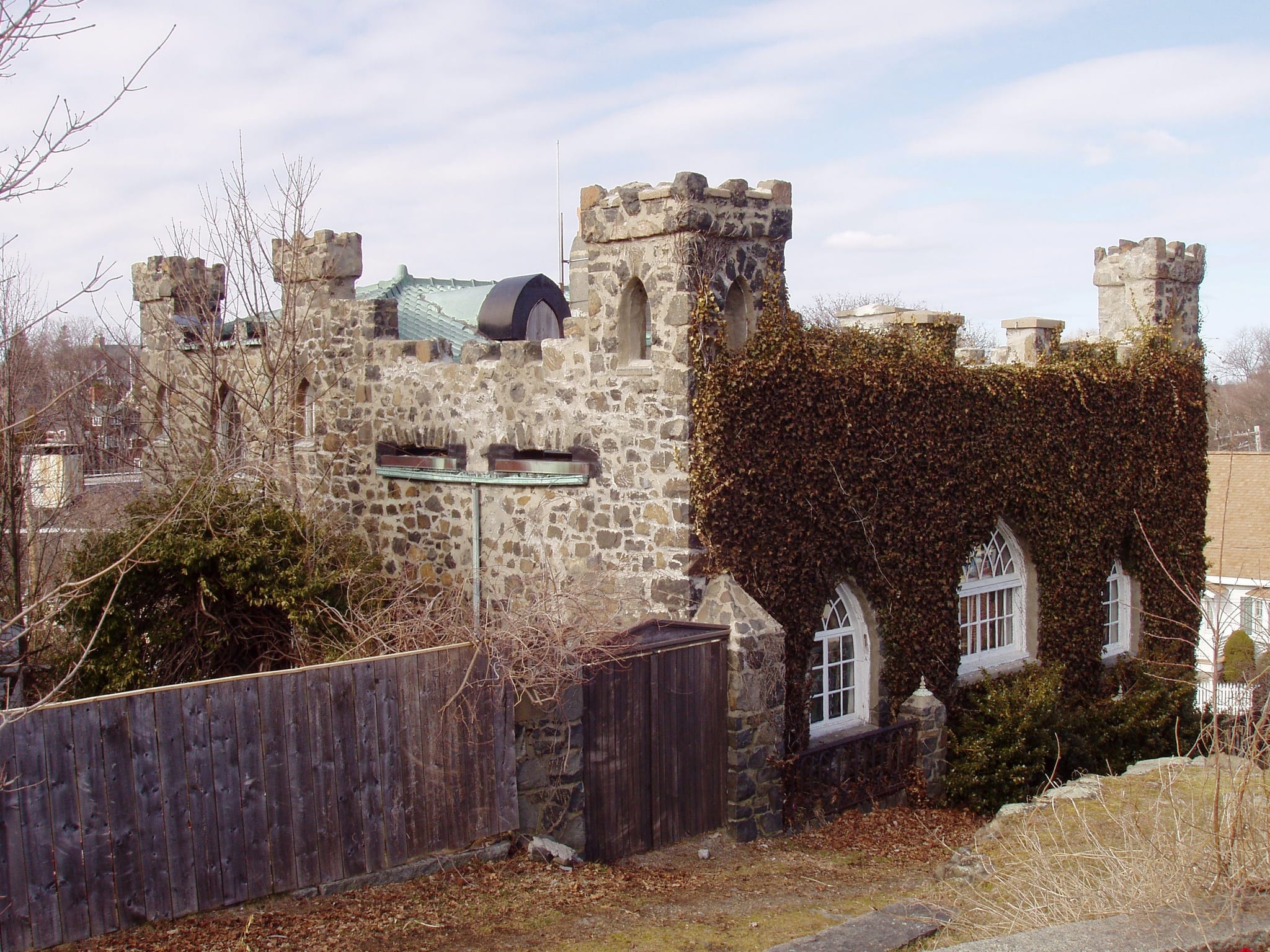
Winnekenni Castle

Winnekenni Castle: 19th-century American stone mansion in Haverhill
Modern (19th–20th c.)
Well Preserved
Winnekenni Castle, located in Haverhill, Massachusetts, is a remarkable example of 19th-century American castle-inspired architecture. Built between 1873 and 1875 by Dr. James R. Nichols, a distinguished chemist and agriculturist, this stone mansion was conceived as a summer retreat and an experimental construction project. Nichols sought to demonstrate the viability of using glacial boulders as a building material, a novel idea at the time, which he detailed in his 1876 publication, "Boulder Rocks: Their Probable Origin and History and their use in the Construction of Dwellings." The castle’s name, Winnekenni, derives from an Algonquin word meaning "very beautiful," reflecting its picturesque setting and aesthetic aspirations.

Architectural design and materials

Winnekenni Castle is constructed from approximately 35,000 cubic feet of glacial boulders, showcasing Nichols' innovative approach to natural building materials. The castle’s robust stone walls and crenellated parapets evoke the romantic image of medieval fortifications, while its design incorporates eclectic architectural elements suited to a summer residence rather than a defensive stronghold. The structure features four towers of varying sizes with roof access, providing panoramic views of the surrounding landscape, including Kenoza Lake and neighboring towns.

Interior features

The interior of Winnekenni Castle is notable for its distinctive rooms and stylistic details. Among these is a gothic door that adds a medieval flair, and a Pompeian dining room decorated with classical motifs inspired by ancient Roman art. The castle includes a library and nine bedrooms, making it well suited for extended summer stays. Additional amenities include a bathing room, reflecting the comfort and leisure priorities of its original owner.

Historical context and significance

Dr. James R. Nichols built Winnekenni Castle during the late 19th century, a period when romanticized medieval architecture enjoyed a resurgence in the United States. Unlike traditional castles built for defense, Winnekenni was intended as a retreat that combined aesthetic appeal with practical experimentation in construction techniques. Nichols’ work contributed to local architectural knowledge by showcasing the potential of natural stone materials sourced from the region’s glacial deposits.

The castle stands about 250 feet above Kenoza Lake, offering commanding views that enhance its appeal as a scenic landmark. Over time, Winnekenni Castle has become a cherished cultural asset for Haverhill and Essex County, symbolizing both historical innovation and community heritage.

Preservation and public access

Today, Winnekenni Castle is owned by the city of Haverhill and maintained by the non-profit Winnekenni Foundation. The castle and its extensive surrounding grounds are open to the public, welcoming visitors interested in its unique architecture and natural setting. The site also serves as a venue for private events, blending historical ambiance with contemporary use.

The castle’s well-preserved stone structure, crenellations, and towers remain prominent features that attract tourists and history enthusiasts alike. Its grounds include expansive lawns that complement the castle’s stately presence and provide recreational space for visitors.

Visitor information and cultural impact

Winnekenni Castle is accessible to visitors year-round, offering a glimpse into a distinctive chapter of American architectural history. The castle’s combination of experimental construction, romantic design, and functional summer home amenities makes it a fascinating destination. Its cultural significance is further enriched by its connection to Dr. Nichols’ scientific pursuits and the local heritage of Haverhill.

Visitors can explore the castle’s interior rooms, admire the stone masonry, and enjoy views from the towers. The site also hosts educational programs and community events, fostering appreciation for historical preservation and architectural innovation.

Frequently asked questions (FAQ)

How do I visit Winnekenni Castle?
Winnekenni Castle is open to the public year-round. Visitors can explore the castle grounds and interior rooms during daylight hours. It is advisable to check the Winnekenni Foundation's website for any special events or closures before planning your visit.
What is the historical significance of Winnekenni Castle?
Winnekenni Castle is significant for its unique construction using glacial boulders, reflecting 19th-century American experimentation with natural building materials. It also represents the romantic medieval revival in architecture during that period and serves as a cultural landmark in Haverhill.
Can I host events at Winnekenni Castle?
Yes, the castle and its grounds are available for private events such as weddings and community gatherings. The historic ambiance provides a unique setting, and arrangements can be made through the Winnekenni Foundation.
What architectural styles are present in Winnekenni Castle?
Winnekenni Castle features a mixed architectural style with elements of romantic medieval revival, including crenellated parapets and gothic doors, combined with functional design suited for a summer residence.
Is Winnekenni Castle accessible for visitors with mobility issues?
While the castle grounds are generally accessible, some interior areas and tower access may be limited due to the historic nature of the building. Visitors with mobility concerns should contact the Winnekenni Foundation in advance for specific accessibility information.

Information

Lowland Castle

Current owner

City of Haverhill

Address

Castle Rd, Haverhill, MA

Sources & official resources

Verify the information above using these authoritative references.

Loading map...

Visitor reviews

No reviews yet. Been here? Write the first review and help other travelers!

Write the first review

Visited this castle? Share your experience

Your review helps other travelers and adds first-hand knowledge to our encyclopedia.

Write a review

(5/5)

0/2000 characters

Your review will be visible after admin approval

Nearby castles

16.8 km

Searles Castle

Windham, United States of America

Searles Castle in Windham, New Hampshire, is a striking example of English Tudor Revival architecture nestled within a sprawling 125-acre estate. Located approximately 30 miles north of Boston, this castle serves primarily as an elegant venue for weddings, corporate retreats, seminars, and private gatherings. Its design captures the grandeur and charm of authentic English Tudor castles, offering guests a unique and memorable setting that blends historical ambiance with modern amenities. Architectural features and setting of the new hampshire castle The castle's English Tudor style is distinguished by its steeply pitched gable roofs, decorative half-timbering, and extensive stone masonry. These elements combine to create a romantic and historical atmosphere evocative of medieval English estates. The estate includes a climate-controlled Palladium-style Euro tent, which complements the castle's medieval aesthetic while providing contemporary comfort for receptions and large-scale events. The grounds feature a courtyard designed for ceremonies and cocktail hours, enhancing the experience with natural beauty and architectural elegance. Castle interiors and event spaces Inside, the castle offers richly appointed rooms including a bridal suite designed for comfort and preparation before ceremonies. The interior halls and reception areas reflect the Tudor Revival style with wood paneling, ornate fireplaces, and period-inspired furnishings. These spaces provide versatile settings for events, combining historical charm with practical functionality. Historical context and current usage Constructed as a venue reflecting traditional English castle design rather than as a defensive fortress, the New Hampshire Searles Castle functions today as a luxurious event space. Its grandeur and opulence attract weddings and corporate events, blending historical architectural elements with contemporary hospitality needs. While it does not have a medieval defensive history, its design and setting evoke the romanticism of the Tudor period. Visitor experience and amenities Guests at the New Hampshire castle begin their experience in the bridal suite, which offers a private and comfortable space for preparation. Events typically proceed in the courtyard and interior halls, with cocktail hours and receptions held both indoors and outdoors. Its proximity to major routes such as I-93 and its location near Boston make it easily accessible, while the wooded estate provides a secluded retreat atmosphere. Searles castle in great barrington, massachusetts Distinct from the New Hampshire venue, the Searles Castle in Great Barrington, Massachusetts is a late 19th-century chateauesque stone mansion encompassing over 54,000 square feet of internal living space. Originally built as a private residence, this castle has served various educational purposes, including a private girls' school and an academy for gifted students. In 2021, it was acquired by artist Hunt Slonem. Architectural style and features The Great Barrington castle exemplifies chateauesque architecture, featuring intricate stone masonry, turrets, and expansive living spaces. Its design reflects the opulence and grandeur of the late 19th century, combining European influences with American craftsmanship. Historical significance and preservation Listed on the National Register of Historic Places, this castle is recognized for its cultural heritage and architectural importance. Its history as a residence and educational institution adds layers to its story, making it a landmark in the region. The property remains privately owned and is protected by stone perimeter walls that maintain privacy and exclusivity. Access and privacy considerations The two Searles Castles maintain distinct approaches to privacy and access. The New Hampshire castle operates as a commercial venue with public access for scheduled events, while the Massachusetts castle remains a private residence with restricted visibility due to its stone perimeter walls and secluded location.

Post-Renaissance (17th–18th c.)
Details
35.2 km

The Stone Tower

Lynn, United States of America

The Stone Tower is a distinctive 48-foot tall observation tower located within the Lynn Woods Reservation in Lynn, Massachusetts. Although not a traditional medieval castle, the tower's robust stone construction and castle-like appearance make it a notable architectural landmark within the reservation. It serves primarily as a vantage point, providing visitors with expansive views of the surrounding natural landscape. Constructed in the early twentieth century, the tower reflects the period's interest in creating public recreational spaces that combined natural beauty with architectural features. Its design emphasizes rugged stone masonry, blending harmoniously with the wooded environment of Lynn Woods, one of the largest municipal forest reservations in the United States. Architectural features and design The Stone Tower is built predominantly from locally sourced stone, showcasing early 20th-century masonry techniques. Its fortress-like silhouette includes crenellated battlements at the top, evoking the appearance of a medieval defensive tower. The tower's height and sturdy construction allow it to function effectively as an observation point, with access provided via a spiral staircase inside. The tower's design does not include traditional castle defensive elements such as moats or arrow slits but instead focuses on aesthetic qualities that suggest strength and permanence. The stone walls are thick and weather-resistant, ensuring durability against the New England climate. Historical context and significance Built during a time when urban parks and reservations were being developed to provide city dwellers with access to nature, The Stone Tower exemplifies early 20th-century public works projects aimed at enhancing recreational opportunities. The tower was likely commissioned by local authorities or conservation groups interested in promoting outdoor activities and appreciation of natural landscapes. While it does not have a military history or association with feudal lords, The Stone Tower holds cultural significance as part of Lynn Woods, which is valued for its extensive hiking and biking trails, natural features, and historical landmarks such as the nearby "wolf pits"—stone enclosures historically used for trapping wolves. Visitor experience and surrounding attractions The Stone Tower is accessible to the public during designated hours, typically managed by the Lynn Woods Reservation authorities. Visitors can climb the tower to enjoy panoramic views of the reservation and the city of Lynn. The tower serves as a popular destination for hikers, nature enthusiasts, and photographers. The surrounding Lynn Woods Reservation offers a variety of recreational activities, including extensive hiking and biking trails, opportunities for bouldering, and visits to historical sites such as the wolf pits. The reservation also includes a reservoir, adding to the scenic diversity of the area. The main entrance to Lynn Woods Reservation is located at 106 Pennybrook Road, Lynn, Massachusetts 01905. Visitors are encouraged to check the Lynn Woods Reservation website for the latest information on opening hours and any special events or guided tours. Preservation and current status The Stone Tower is well preserved and maintained as a public historical and recreational site. Its stone construction has allowed it to withstand the elements for over a century, and ongoing conservation efforts ensure it remains a safe and attractive feature within Lynn Woods.

Post-Renaissance (17th–18th c.)
Details
36.2 km
Herreshoff Castle — United States of America castle

Herreshoff Castle

Marblehead, United States of America

Herreshoff Castle, located in Marblehead, Massachusetts, is a distinctive example of early 20th-century castle-inspired architecture in the United States. Built as a private residence, this stone structure emulates the appearance of a small medieval fortress, showcasing the architectural fascination with Gothic revival and romantic castle motifs popular during that period. Architectural features and design The castle is constructed primarily of stone, lending it a robust and enduring presence reminiscent of authentic medieval European castles. Its most striking features include crenellations that run along the roofline and the tops of the four corner towers, which reinforce the fortress-like aesthetic. These towers provide vertical emphasis and contribute to the castle's silhouette, evoking the defensive structures typical of medieval keeps. The windows are styled in the Gothic architectural tradition, characterized by pointed arches which enhance the castle's historic ambiance. Complementing these are the Gothic-style wooden front doors, accessed by an external stone staircase that adds to the dramatic approach and medieval feel of the entrance. Historical context and usage Constructed in the early 1900s, Herreshoff Castle reflects the romantic revivalist trends of the era, when wealthy individuals in America sought to evoke the grandeur and mystique of European castles. While it has remained primarily a private residence, the castle has occasionally been operated as a bed and breakfast, allowing visitors to experience its unique atmosphere. Despite its castle-like appearance, Herreshoff Castle was never built for defensive purposes. Instead, it serves as an architectural statement and a residence, blending historic styles with early 20th-century building techniques. Location and accessibility Situated at 2 Crocker Park Lane, Marblehead, MA 01945, the castle is part of a residential neighborhood in this coastal New England town. Marblehead is known for its rich maritime history and scenic views, adding to the charm and appeal of the castle's setting. Herreshoff Castle remains a private property, and visitors are respectfully reminded to honor the privacy of its owners. Public access is generally not permitted, except during occasional special events or when the property operates as a bed and breakfast. Herreshoff Castle in the context of American castle architecture The castle is a notable example of the early 20th-century American trend of constructing castle-like homes that incorporate Gothic revival and romantic medieval elements. This movement was part of a broader fascination with European history and architecture, often expressed in private estates designed to evoke nobility and grandeur. Herreshoff Castle's combination of stone masonry, crenellated battlements, and Gothic windows places it within this eclectic architectural tradition, demonstrating how historical styles were adapted for modern residential use. Preservation and current status Today, Herreshoff Castle is well preserved and maintained as a private residence. Its distinctive architectural features remain intact, offering a glimpse into the romantic architectural ideals of the early 20th century. While not open to the public, the castle continues to be a landmark within Marblehead, admired for its unique design and historical significance.

Post-Renaissance (17th–18th c.)
Details